



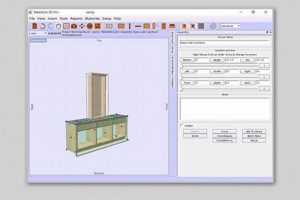
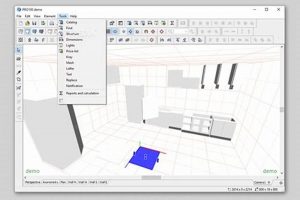
Digital platforms that facilitate the creation of woodworking plans and models through a computer interface represent a significant advancement in the field. These tools allow users to visualize projects in two and three dimensions, experiment with different materials and joinery techniques, and generate cut lists and assembly instructions prior to physical construction. A user could, for instance, design a complex cabinet with intricate joinery using such a platform, then export precise cutting diagrams to optimize material usage.
The availability of these digital solutions has broadened access to woodworking design, enabling both amateur and professional woodworkers to refine their skills and optimize project outcomes. Historically, woodworking design relied heavily on manual drafting and scaled models, a process that was time-consuming and prone to error. The advent of digital design significantly reduces these limitations, fostering greater precision, efficiency, and the ability to iterate on designs rapidly. This accessibility fosters innovation and allows for the efficient production of both standardized and custom woodworking projects.
Further discussion will explore the specific features and capabilities offered by different design platforms, outlining the advantages and disadvantages associated with each. Considerations regarding user interface, compatibility with different operating systems, and the availability of support resources will be addressed. Finally, an overview of the current market landscape will be provided, highlighting notable software options and their respective suitability for various project types and user skill levels.
Optimizing Woodworking Projects Using Digital Design Platforms
Effective utilization of digital design software can significantly enhance the accuracy, efficiency, and overall quality of woodworking projects. The following guidelines aim to optimize the design process through these tools.
Tip 1: Establish Project Parameters Before Initiating Design. Define precise dimensions, material specifications, and functional requirements prior to digital modeling. A clear understanding of these parameters minimizes rework and ensures the final product aligns with intended use.
Tip 2: Leverage Parametric Modeling Capabilities. Employ parametric functions to link related design elements. Modification of one parameter automatically updates all dependent elements, preserving design consistency and reducing the likelihood of errors during adjustments.
Tip 3: Utilize Integrated Material Libraries. Employ the software’s built-in material libraries to accurately calculate material costs and simulate the visual appearance of the finished product. This facilitates informed decisions regarding material selection and budget allocation.
Tip 4: Simulate Joinery Techniques Virtually. Experiment with different joinery methods within the software environment to optimize structural integrity and aesthetic appeal. Virtual simulation allows for the evaluation of joint strength and visual impact without physical material waste.
Tip 5: Generate Accurate Cut Lists and Assembly Instructions. Utilize the software’s automated cut list generation feature to minimize material waste and streamline the cutting process. Assembly instructions should be clear, concise, and sequenced logically to facilitate efficient construction.
Tip 6: Export Designs in Standard File Formats. Ensure compatibility with other design or manufacturing software by exporting designs in widely supported file formats such as DXF or STEP. This facilitates seamless integration with CNC machinery or collaborative workflows.
Tip 7: Regularly Backup Design Files. Implement a robust backup strategy to safeguard against data loss due to hardware failure or software corruption. Regular backups minimize downtime and ensure the continuity of ongoing projects.
Implementing these guidelines can streamline the design phase, minimize material waste, and enhance the overall precision and efficiency of woodworking projects. Careful planning and the strategic use of software features contribute to superior outcomes and reduced production costs.
The next section will delve into specific software options, comparing features and providing recommendations based on user skill level and project complexity.
1. Accessibility

Accessibility, in the context of digital woodworking design platforms, encompasses factors that determine the ease with which individuals can utilize the software, regardless of their technical expertise, physical location, or economic circumstances. Limited accessibility can directly impede the widespread adoption and effective utilization of these tools, particularly among hobbyists, small-scale woodworking businesses, and educational institutions with constrained resources. A platform requiring specialized hardware or extensive pre-training, for example, presents a significant barrier to entry for many potential users.
Accessibility manifests in several key areas. Firstly, the user interface should be intuitive and navigable, requiring minimal prior experience with computer-aided design (CAD) software. The availability of comprehensive documentation, tutorials, and responsive customer support is also crucial. Secondly, platform compatibility across different operating systems and devices ensures broader reach. Browser-based solutions, for instance, eliminate the need for software installation and specialized hardware, thereby reducing costs and simplifying access. Finally, pricing models that cater to different user needs, including free or low-cost options for hobbyists and subscription-based plans for professionals, contribute to affordability and wider adoption. The success of SketchUp’s free version, despite the availability of more powerful paid versions, demonstrates the impact of accessible pricing on market penetration.
In conclusion, accessibility is not merely a desirable feature but a fundamental requirement for realizing the full potential of digital woodworking design. Overcoming barriers to access, whether through simplified user interfaces, broader platform compatibility, or more flexible pricing models, promotes wider adoption and empowers a greater number of individuals to leverage these tools for creative expression, professional advancement, and economic opportunity. Future developments in woodworking design software should prioritize accessibility to foster inclusivity and democratization within the field.
2. Functionality

The functionality of digital woodworking design platforms directly dictates their utility in realizing complex projects with efficiency and accuracy. The specific features offered by a given solution determine the scope of design possibilities, the level of control afforded to the user, and the overall workflow efficiency. For example, software lacking parametric modeling capabilities necessitates manual adjustments for every design iteration, significantly increasing design time and the potential for errors. The presence or absence of features like photorealistic rendering impacts the ability to visualize the final product, affecting material selection and aesthetic decisions. Therefore, functionality serves as a primary determinant of a platforms suitability for a given woodworking task.
Consider the design of a complex piece of furniture involving intricate joinery. Software equipped with advanced 3D modeling tools, automated joint generation, and structural analysis capabilities enables a designer to explore various joint configurations, assess their strength, and optimize the overall design for stability and aesthetic appeal. Without these functionalities, designers may be forced to rely on traditional drafting methods, which are inherently more time-consuming and prone to inaccuracies. Similarly, the integration of material libraries with detailed properties, such as density and cost, allows for accurate material estimation and cost analysis, which is crucial for project budgeting. Conversely, software lacking such integration requires manual data entry and calculation, increasing the likelihood of errors and inefficiencies. Specialized software often offers CAM (Computer-Aided Manufacturing) integration for direct output to CNC machines.
In conclusion, the scope and sophistication of functionalities embedded within digital woodworking design solutions are critical determinants of their effectiveness. The range of tools availablefrom basic drafting to advanced simulation and CAM integrationdirectly impacts the user’s ability to realize intricate designs, optimize material usage, and streamline the manufacturing process. Understanding the functionality of a given platform is therefore paramount to selecting the appropriate tool for a specific woodworking project, ensuring both design accuracy and production efficiency.
3. Collaboration
The capacity for collaboration within digital woodworking design platforms fundamentally alters the workflow, particularly for complex projects or those involving multiple stakeholders. The shift from isolated design processes to interconnected environments offers several advantages in terms of efficiency, accuracy, and innovation.
- Real-Time Design Review
Simultaneous access to design files enables real-time review and feedback from clients, collaborators, or manufacturing specialists. This iterative process mitigates potential errors early in the design phase, reducing the need for costly rework later. For instance, a designer can share a 3D model of a custom cabinet with a client, allowing the client to provide immediate feedback on aesthetics and functionality before construction begins.
- Distributed Expertise
These platforms facilitate the integration of specialized knowledge from various experts, regardless of their physical location. A structural engineer can review a woodworking design for load-bearing capacity, or a master craftsman can provide insights on joinery techniques. This distributed expertise enhances the overall quality and feasibility of the design.
- Version Control and Project Management
Integrated version control systems track changes to design files, ensuring that all collaborators are working with the most up-to-date information. Project management tools within the software allow for task assignment, progress tracking, and communication, streamlining the entire design and production workflow. This eliminates the confusion and errors associated with managing multiple versions of a design file via email or shared drives.
- Standardized File Sharing and Communication
The use of standardized file formats and integrated communication channels simplifies the exchange of design information between different parties. This reduces the risk of misinterpretations or compatibility issues, ensuring that all stakeholders have a clear understanding of the design specifications. This efficiency is paramount when coordinating with external fabrication shops or suppliers.
The collaborative features inherent in modern woodworking design platforms transform the design process from a solitary endeavor to a shared undertaking. By fostering seamless communication, facilitating expert input, and streamlining project management, these tools empower woodworkers to create more complex, innovative, and well-executed projects with greater efficiency and accuracy. The interconnected nature of the design process also allows for better client satisfaction and reduced project costs, solidifying the value of these platforms in the woodworking industry.
4. Cost-effectiveness

The economic viability of implementing digital woodworking design platforms hinges on demonstrable cost-effectiveness. This is a critical consideration for individual woodworkers, small businesses, and large-scale manufacturing operations alike, as the investment in software and training must yield tangible returns in terms of reduced material waste, increased productivity, and improved design accuracy.
- Reduced Material Waste
Software that optimizes material usage through precise cut list generation and efficient nesting algorithms directly minimizes waste. The ability to simulate different cutting layouts before physical fabrication allows users to identify and correct potential inefficiencies, resulting in significant cost savings over time. An example is seen in cabinetmaking, where optimized cut lists reduce plywood waste by as much as 10-15%, leading to substantial cost reductions for large-scale projects.
- Increased Productivity and Reduced Labor Costs
Automating design processes, such as joinery creation and dimensioning, significantly reduces the time required for design and preparation. This increased productivity translates directly into reduced labor costs, particularly for complex projects involving intricate designs. For instance, designing a dovetail joint manually can take hours, whereas software can generate it automatically in minutes, freeing up valuable time for other tasks.
- Improved Design Accuracy and Reduced Rework
Digital design eliminates many of the inaccuracies inherent in manual drafting, leading to fewer errors during fabrication and assembly. This reduction in errors minimizes the need for costly rework and material replacement. A furniture manufacturer using digital design tools to precisely model components before fabrication will experience significantly fewer instances of parts not fitting together correctly, compared to relying on traditional hand-drawn plans.
- Enhanced Customer Satisfaction and Repeat Business
The ability to visualize designs in 3D and provide accurate cost estimates enhances customer satisfaction. Clients can make informed decisions about design features and material choices, leading to fewer disputes and a higher likelihood of repeat business. This long-term benefit contributes to overall cost-effectiveness by reducing marketing expenses and fostering customer loyalty.
The demonstrable impact of reduced waste, increased productivity, improved accuracy, and enhanced customer satisfaction solidifies the cost-effectiveness of online woodworking design platforms. While the initial investment in software and training may seem substantial, the long-term benefits outweigh the costs, making these tools a financially sound choice for woodworkers seeking to improve their efficiency and profitability. The transition from manual methods to digital design represents a strategic investment in future success.
5. Integration

The capacity for seamless integration defines the modern utility of online woodworking design software. Its relevance extends beyond mere functionality; it determines the fluidity of the entire project workflow, from initial concept to final fabrication. This section explores key facets of integration and their impact on the design process.
- CAD/CAM Connectivity
Direct integration with Computer-Aided Manufacturing (CAM) software streamlines the transition from design to production. By generating machine-readable code directly from the design file, this connectivity eliminates the need for manual programming and reduces the potential for errors. An example is the ability to export G-code for CNC routers, enabling precise cutting and shaping of wooden components without requiring intermediate steps. This integration is crucial for efficient fabrication, particularly for intricate designs and large production runs.
- Material Library Synchronization
Integration with comprehensive material databases ensures accurate material properties and cost estimations. By automatically updating material specifications, such as density, strength, and price, from external sources, this synchronization enhances the precision of design calculations and reduces the risk of cost overruns. The capacity to automatically update pricing from supplier databases, reflecting market fluctuations, is a practical application of this integration, allowing for real-time cost analysis and informed decision-making.
- Cloud-Based Collaboration Platforms
Integration with cloud-based collaboration tools facilitates seamless communication and file sharing among designers, clients, and manufacturers. This interconnected environment enables real-time feedback, version control, and project management, streamlining the entire workflow and reducing the potential for miscommunication. A design firm, for example, can use integrated cloud storage to share designs with a client for approval, allowing for immediate feedback and revisions without the delays associated with traditional file transfer methods.
- Accounting and Inventory Management Systems
Direct integration with accounting and inventory management software allows for streamlined financial tracking and resource allocation. Automatically generating purchase orders based on design specifications, and tracking inventory levels in real time, minimizes the administrative overhead associated with woodworking projects. A cabinet shop can link its design software to its accounting system, allowing for accurate tracking of material costs and labor expenses, providing comprehensive financial insights and improving profitability.
These integrated capabilities underscore the transformative impact of online woodworking design software. By connecting design, manufacturing, and management processes, these platforms enhance efficiency, reduce costs, and improve overall project outcomes. The future of woodworking design hinges on continued development and refinement of these integrations, further blurring the lines between conceptualization and realization.
6. Precision

Precision, in the context of digital woodworking design software, denotes the degree of accuracy and detail achievable in design and fabrication processes. It represents a fundamental advantage offered by these platforms over traditional manual methods, directly impacting project quality, efficiency, and cost-effectiveness. This section explores the key facets of precision facilitated by modern design software.
- Dimensional Accuracy
Digital design platforms enable the creation of models with exact dimensions, eliminating the inaccuracies inherent in manual drafting. This ensures components fit together correctly during assembly, reducing the need for adjustments or rework. For instance, a complex curved cabinet designed using precise digital measurements will result in a seamless fit between components, whereas manual drafting could introduce discrepancies leading to construction challenges.
- Material Calculation and Optimization
The software facilitates precise calculation of material quantities required for a project, minimizing waste and optimizing material usage. Accurate material estimation ensures that the right amount of material is purchased, reducing overspending and preventing shortages. A detailed bill of materials generated by the software allows for efficient procurement and reduces the risk of running out of essential materials during construction. Nesting features further optimize material use by arranging parts for minimal waste when cutting.
- Joinery and Structural Integrity
Precision in joinery design is paramount for structural integrity. The software allows for the precise modeling of joints, ensuring proper alignment and load distribution. A mortise and tenon joint, for example, can be designed with exacting tolerances, resulting in a strong and durable connection. Digital modeling enables the simulation of stress and load on joints before physical construction, allowing for optimization and preventing structural failures. Specialized features can automatically generate intricate joints such as dovetails with perfect alignment.
- CNC Compatibility and Fabrication Accuracy
Seamless integration with CNC machinery ensures accurate fabrication of designed components. The software generates machine-readable code that precisely controls the cutting tools, producing parts that match the digital design with minimal deviation. A complex curved molding profile, for example, can be accurately replicated using a CNC router guided by the digital design, a feat difficult to achieve with traditional hand-tooling methods.
These facets of precision, inherent to advanced woodworking design software, contribute to superior project outcomes and increased efficiency. By minimizing errors, optimizing material usage, and ensuring accurate fabrication, these platforms empower woodworkers to create complex and intricate designs with a level of accuracy unattainable through traditional methods. This reliance on precision not only enhances the quality of the finished product but also contributes to cost savings and improved customer satisfaction. In conclusion, precision is an indispensable element for modern woodworking practice.
Frequently Asked Questions
The following addresses common inquiries and misconceptions regarding the application and capabilities of digital woodworking design platforms. It aims to provide clear and concise information to aid in understanding and selecting appropriate software solutions.
Question 1: Is specialized training required to effectively use online woodworking design software?
While advanced features may necessitate specialized knowledge, many platforms offer intuitive interfaces and comprehensive tutorials suitable for users with limited prior experience. The learning curve varies depending on the software’s complexity.
Question 2: Can these platforms accurately estimate material costs for a project?
Many solutions offer integrated material libraries with detailed pricing information, facilitating accurate cost estimation. However, the accuracy depends on the completeness and currency of the library’s data.
Question 3: Are design files created using online woodworking design software compatible with CNC machinery?
Most platforms support the export of designs in standard file formats, such as DXF or STEP, which are compatible with CNC controllers. Direct integration with CAM software may further streamline the process.
Question 4: How secure are design files stored on online woodworking design platforms?
Security measures vary depending on the provider. Reputable platforms employ encryption and secure storage protocols to protect user data. It is advisable to review the platform’s security policies before entrusting sensitive design information.
Question 5: What are the primary limitations of using online woodworking design software compared to traditional methods?
The initial learning curve and reliance on technology infrastructure are potential limitations. Additionally, subscription costs may be a factor for some users.
Question 6: Do online platforms offer sufficient functionality for designing complex woodworking projects?
The functionality varies significantly between platforms. Some solutions offer advanced features such as parametric modeling, structural analysis, and photorealistic rendering, while others are better suited for simpler projects.
Selecting the appropriate software requires careful consideration of individual project requirements, technical expertise, and budgetary constraints. A thorough evaluation of platform features and capabilities is essential for informed decision-making.
The subsequent section will delve into specific software options and provide guidance on selecting the right platform for diverse woodworking needs.
Conclusion
This discourse has explored the multifaceted nature of online woodworking design software, from its core functionalities and collaborative potential to its cost-effectiveness and inherent precision. Each element contributes to the overall utility of these digital tools, influencing their adoption and impact on the woodworking industry. The accessibility of user-friendly interfaces, coupled with the capability to integrate with manufacturing processes, positions these platforms as instrumental in optimizing workflows and minimizing resource expenditure.
The ongoing evolution of online woodworking design software signals a significant shift in how woodworking projects are conceived, planned, and executed. The continued development of integrated features and enhanced collaboration tools promises to further refine the design process and empower woodworkers to achieve greater levels of precision and efficiency. Therefore, a thorough understanding of the capabilities and limitations of these platforms is essential for navigating the evolving landscape of woodworking technology and maximizing project outcomes. Continuous evaluation and adaptation to these advancing tools remain paramount for achieving sustained success in the field.


![Top Rated Best Design App for Woodworking Designs [2024] | Step-by-Step Guides, Tools & Inspiration to Build Beautiful Wooden Decor on a Budget](https://woodfromhome.com/wp-content/uploads/2026/03/th-321-300x200.jpg "Top Rated Best Design App for Woodworking Designs [2024] Step-by-Step Guides, Tools & Inspiration to Build Beautiful Wooden Decor on a Budget")