![Essential Specialist Woodworking Tools [Guide]](data:image/svg+xml;base64,PHN2ZyB4bWxucz0iaHR0cDovL3d3dy53My5vcmcvMjAwMC9zdmciIHdpZHRoPSI0NzQiIGhlaWdodD0iMTg0IiB2aWV3Qm94PSIwIDAgNDc0IDE4NCI+PHJlY3Qgd2lkdGg9IjEwMCUiIGhlaWdodD0iMTAwJSIgc3R5bGU9ImZpbGw6I2NmZDRkYjtmaWxsLW9wYWNpdHk6IDAuMTsiLz48L3N2Zz4= "Essential Specialist Woodworking Tools [Guide] Step-by-Step Guides, Tools & Inspiration to Build Beautiful Wooden Decor on a Budget")
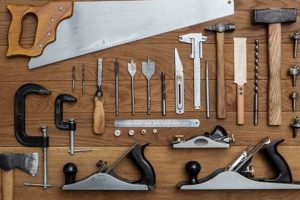
Precision instruments employed in woodworking cater to distinct and complex tasks. These implements facilitate operations beyond the capabilities of standard equipment, enabling intricate cuts, detailed shaping, and the creation of specialized joinery. For example, a dovetail saw is designed specifically for creating the interlocking joints that define dovetail construction, while a spokeshave excels at shaping curved surfaces in chairmaking or wheelwrighting.
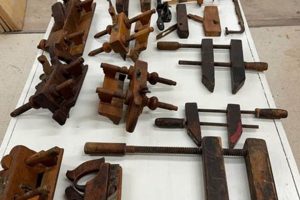
The use of dedicated equipment offers enhanced accuracy, improved efficiency, and superior results in woodworking projects. Historically, the development of specialized hand tools marked a significant advancement in the craft, allowing artisans to produce finer and more complex pieces. This equipment minimizes material waste, reduces the risk of errors, and ultimately contributes to the longevity and aesthetic appeal of the finished product. Their application elevates the level of craftsmanship attainable by both amateur and professional woodworkers.
Subsequent sections will delve into specific types of these instruments, examining their applications, maintenance, and the criteria for selecting the most appropriate option for a given woodworking endeavor. Discussion will encompass both traditional hand tools and advanced power tools, offering a comprehensive overview of the diverse array of options available to the modern woodworker.
Tips for Optimal Utilization
Achieving peak performance and maximizing the lifespan of specialized woodworking instruments requires adherence to established best practices. The following guidelines outline key considerations for the proper selection, maintenance, and application of such implements.
Tip 1: Selection Based on Project Requirements: Evaluate the specific demands of each woodworking project prior to selecting tools. A fine-toothed saw may be appropriate for delicate work, whereas a more robust saw is better suited for larger cuts.
Tip 2: Regular Sharpening and Maintenance: Consistent maintenance is crucial for preserving the effectiveness of cutting tools. Sharpen blades and plane irons regularly, using appropriate sharpening techniques and equipment.
Tip 3: Proper Storage to Prevent Damage: Store tools in a dry, organized environment to prevent rust, corrosion, and physical damage. Tool chests, racks, and specialized storage solutions are highly recommended.
Tip 4: Adherence to Manufacturer Guidelines: Consult and adhere to the manufacturer’s instructions for each tool. This includes operating speeds, cutting depths, and recommended safety procedures.
Tip 5: Utilizing Appropriate Safety Equipment: Employ safety glasses, hearing protection, and dust masks when operating power tools or engaging in tasks that generate airborne particles.
Tip 6: Practice Proper Technique and Control: Develop sound woodworking techniques to ensure accurate cuts and minimize the risk of injury. Practice on scrap material before working on final project pieces.
Tip 7: Implement Consistent Cleaning Protocols: Clean tools after each use to remove sawdust, resin, and other debris. Apply protective coatings to prevent rust and corrosion.
Implementing these guidelines will ensure the reliable operation, longevity, and optimal performance of specialized woodworking equipment. Diligence in maintenance and proper application contributes to the quality and safety of woodworking endeavors.
The subsequent section will explore specific categories of tools and their individual maintenance considerations, providing a more in-depth understanding of tool care and operation.
1. Precision

Precision is a defining characteristic of specialized woodworking tools. It dictates the accuracy and quality achievable in complex woodworking operations, enabling results unattainable with generic implements. The design and functionality of such tools are geared towards minimizing errors and ensuring exacting conformity to specifications.
- Tolerance and Accuracy
Specialized tools are manufactured to tight tolerances, resulting in increased accuracy. For example, a high-end marking gauge allows precise transfer of measurements, crucial for joinery. Deviations from specified dimensions are minimized, leading to enhanced fit and finish in woodworking projects.
- Control and Stability
Precision-engineered tools often incorporate features that enhance control and stability during use. A low-angle block plane, for instance, maintains consistent contact with the workpiece, producing smooth surfaces with minimal chatter. This improved control allows for more intricate shaping and detail work.
- Repeatability of Results
Specialized equipment promotes repeatability, enabling consistent results across multiple iterations. A router with a precisely calibrated fence ensures consistent edge profiling, essential for mass production or intricate designs requiring uniform components. This minimizes variations and enhances overall project uniformity.
- Minimized Material Waste
Enhanced precision directly reduces material waste. Instruments like precision saws enable fine cuts, minimizing excess material removal and reducing the need for rework. This is particularly valuable when working with expensive or rare wood species.
The inherent precision offered by specialized woodworking implements allows craftsmen to achieve higher levels of detail and accuracy. This not only elevates the aesthetic quality of the final product but also contributes to structural integrity and longevity, showcasing the crucial role of precision in the realm of fine woodworking.
2. Functionality

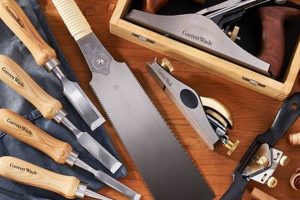
Functionality represents a core attribute defining specialist woodworking tools. These implements are engineered to perform specific tasks with heightened efficacy, often exceeding the capabilities of general-purpose alternatives. The functionality of a specialist tool directly influences the efficiency, accuracy, and overall quality of the woodworking process. An example lies in the distinction between a standard hand saw and a Japanese pull saw; the latter’s blade geometry and pulling action are functionally optimized for creating exceptionally clean and precise cuts, particularly in joinery.
The practical application of functionality is evident in various woodworking scenarios. A carving gouge, designed with specific sweeps and profiles, allows for the controlled removal of material in sculpted forms, a function beyond the reach of a chisel alone. Similarly, a dedicated mortise chisel, with its robust construction and rectangular cross-section, facilitates the creation of mortise-and-tenon joints with precision and ease. The functionality of specialist tools enables woodworkers to execute complex techniques and achieve results aligned with exacting design parameters.
Ultimately, the functionality embedded within specialist woodworking tools provides a tangible advantage in the creation of high-quality woodworking projects. The implementation of task-specific functionality not only improves the outcome but also enhances the woodworking experience. An understanding of the function of these tools is paramount. The challenges presented by complicated joinery are mitigated by specialist implements.
3. Materials

The selection of materials constitutes a critical determinant in the design, functionality, and longevity of specialist woodworking tools. The properties of these materials must align with the specific demands placed upon the tool during its intended use, directly influencing its performance and durability.
- Steel Composition and Hardness
The type of steel used in blades and cutting edges dictates sharpness retention and resistance to wear. High-carbon steels, often alloyed with elements like chromium or vanadium, provide enhanced hardness and abrasion resistance, essential for tools like chisels and plane irons. The specific heat treatment process further influences the steel’s microstructure and hardness, affecting its ability to maintain a keen edge under prolonged use.
- Handle Materials and Ergonomics
Handles for hand tools, such as saws, chisels, and planes, are commonly crafted from hardwoods like beech, maple, or rosewood. These materials offer a balance of strength, weight, and tactile comfort, crucial for prolonged use. The shape and finish of the handle influence grip security and reduce fatigue. In some cases, composite materials or polymers are used for enhanced durability and resistance to environmental factors.
- Abrasives for Sharpening
Specialist tools require equally specialized sharpening materials. Natural sharpening stones, synthetic stones, and diamond abrasives vary in grit size and composition, each suited for specific sharpening tasks. The choice of abrasive depends on the type of steel being sharpened and the desired level of edge refinement. Proper selection and use of sharpening materials are crucial for maintaining the cutting performance of specialist tools.
- Material Compatibility
The materials used in tool construction must be compatible with the materials being worked. For instance, certain types of saw blades are designed for specific wood species, balancing cutting efficiency with blade longevity. Using an inappropriate blade can lead to premature wear, reduced cutting performance, or even damage to the workpiece. Similarly, the choice of lubricant used on moving parts should be compatible with the tool’s materials to prevent corrosion or degradation.
In conclusion, the materials employed in the construction and maintenance of specialist woodworking tools represent a vital factor influencing their performance and lifespan. Careful consideration of material properties and compatibility is essential for selecting the appropriate tool for a given task and ensuring its continued effectiveness.
4. Ergonomics

The integration of ergonomic principles in the design of specialist woodworking tools directly influences user comfort, safety, and productivity. Prolonged use of poorly designed implements can induce musculoskeletal strain, leading to long-term health complications. Ergonomically sound tools, conversely, minimize physical stress by optimizing grip, weight distribution, and operational mechanics. For example, a spokeshave with contoured handles reduces hand fatigue during prolonged shaping tasks, while a hand plane with adjustable frog position allows users to customize balance and minimize wrist strain.
The practical application of ergonomic design extends to the selection of materials and tool weight. Lightweight yet durable materials, such as specific alloys or composite handles, reduce the overall load on the user’s muscles. Furthermore, the angle and orientation of cutting edges can be engineered to reduce the force required for specific operations. Specialized hand saws featuring pistol-grip handles and balanced blade tension exemplify ergonomic considerations aimed at minimizing sawing effort and maximizing control. Adherence to ergonomic guidelines during tool selection is critical for preventing repetitive strain injuries and enhancing workflow efficiency.
In conclusion, ergonomics serves as a crucial component in the design and utilization of specialized woodworking tools. While the initial investment in ergonomically designed equipment may be higher, the long-term benefits in terms of reduced risk of injury, increased productivity, and improved user satisfaction justify the expenditure. Ignoring ergonomic principles can lead to detrimental health consequences and decreased work quality, underscoring the importance of prioritizing ergonomic considerations in all woodworking activities.
5. Sharpening

The operational effectiveness of specialist woodworking tools is intrinsically linked to the maintenance of a keen cutting edge through regular sharpening. The complex geometries and specialized applications of these tools necessitate meticulous sharpening techniques to preserve their designed functionality. Dull edges compromise precision, increase the force required for operation, and elevate the risk of material tear-out or inaccurate cuts. A spokeshave, for example, requires a precisely honed blade to achieve smooth, controlled shaping of curved surfaces. The absence of a sharp edge negates the tool’s intended purpose, rendering it ineffective for its designed task.
Sharpening protocols vary according to tool type and blade material. High-speed steel blades may necessitate different sharpening methods and abrasives compared to traditional carbon steel. The selection of appropriate sharpening stones, honing guides, and stropping compounds is paramount for achieving optimal edge geometry and sharpness. The process often involves multiple stages, from coarse grinding to remove imperfections to fine honing for edge refinement. Consistent application of proper sharpening techniques not only restores the tool’s original cutting capability but also extends its lifespan by minimizing the need for aggressive material removal.
In summary, sharpening is not merely a maintenance task but an integral component of utilizing specialist woodworking tools effectively. Neglecting sharpening protocols diminishes tool performance, compromises project quality, and potentially increases the risk of user injury. A comprehensive understanding of sharpening techniques and materials is essential for woodworkers seeking to maximize the capabilities of their specialist tools and achieve superior results.
6. Maintenance

Maintenance constitutes a vital and inseparable aspect of specialist woodworking tools, impacting both their functionality and longevity. These often intricate implements are designed for precise tasks, and their performance degrades without consistent and appropriate care. The repercussions of neglecting maintenance extend beyond mere inconvenience, affecting the quality of woodworking projects and potentially leading to costly repairs or replacements. The causal relationship is direct: insufficient maintenance results in decreased performance and reduced tool life.
The significance of maintenance is demonstrably evident across various tool types. Consider a precision hand plane: regular sharpening of the blade is essential for achieving smooth surfaces and minimizing tear-out. Failure to maintain the blade’s edge necessitates increased force, leading to user fatigue and potentially compromising the accuracy of the cut. Similarly, neglecting the lubrication of moving parts in tools such as hand drills or measuring tools accelerates wear, diminishes precision, and can ultimately render the tool unusable. Even seemingly minor maintenance tasks, such as cleaning resin buildup from saw blades, significantly impact their cutting efficiency and prevent premature dulling.
Consistent maintenance protocols contribute directly to the effective and safe utilization of specialist woodworking tools. Furthermore, adherence to recommended maintenance schedules preserves the value of these tools, representing a significant investment for both professional and hobbyist woodworkers. A proactive approach to maintenance, including regular cleaning, lubrication, sharpening, and proper storage, is essential for realizing the full potential of specialist tools and ensuring their sustained performance across numerous woodworking projects. The alternative is premature tool failure, diminished project quality, and a reduction in the overall efficiency of the woodworking process.
7. Safety

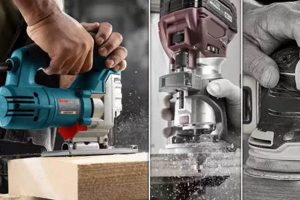
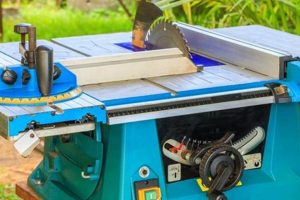
The safe operation of specialist woodworking tools mandates a thorough understanding of each instrument’s specific characteristics and potential hazards. These instruments, designed for precision and often involving sharp edges or high-speed rotation, inherently present risks that necessitate strict adherence to safety protocols. Neglecting safety considerations can lead to severe injuries, including lacerations, amputations, and eye damage. Each tool’s operational safety profile must be carefully evaluated before use. For example, a router requires a secure workpiece clamping system and controlled movement to prevent kickback, while a bandsaw demands vigilant attention to blade tracking and tension to minimize the risk of blade breakage and projectile hazards.
Effective safety practices extend beyond basic operational procedures. Specialist tools often require dedicated safety equipment, such as eye protection, hearing protection, and dust collection systems. The selection and proper use of this equipment are critical for mitigating risks associated with noise, airborne particles, and potential projectiles. Furthermore, safe practices incorporate appropriate personal protective equipment, including gloves and respirators, to protect against wood dust and chemical exposure from finishing products. Routine inspection and maintenance of tools contribute significantly to safety. Damaged or improperly maintained tools are more prone to malfunction, increasing the risk of accidents. Regular inspection should encompass blade sharpness, guard functionality, and cord integrity.
In conclusion, safety is an indispensable component of specialist woodworking tool utilization. A comprehensive safety strategy includes understanding tool-specific hazards, employing appropriate safety equipment, adhering to maintenance protocols, and fostering a culture of safety within the workshop environment. By prioritizing safety, woodworkers can mitigate risks, prevent injuries, and ensure the long-term viability and enjoyment of the craft. Ignoring safety protocols not only jeopardizes personal well-being but also diminishes the quality and sustainability of woodworking endeavors.
Frequently Asked Questions
This section addresses common inquiries regarding the selection, utilization, and maintenance of specialized instruments employed in woodworking.
Question 1: What distinguishes specialist woodworking tools from general-purpose tools?
Specialist tools are designed for specific, often complex, tasks, offering enhanced precision, efficiency, and control compared to general-purpose alternatives. Their design is tailored to optimize performance for targeted applications, such as dovetail joinery or intricate shaping.
Question 2: Is the investment in specialist woodworking tools justifiable for amateur woodworkers?
The decision to invest in specialist tools depends on the scope and complexity of intended projects. While general-purpose tools may suffice for basic tasks, specialist tools can significantly improve accuracy and efficiency, allowing amateur woodworkers to achieve professional-level results.
Question 3: How does one determine the appropriate specialist tool for a given woodworking task?
The selection process should involve a careful assessment of the task’s specific requirements, including the type of wood being worked, the level of precision required, and the desired finish. Consulting experienced woodworkers or reviewing technical specifications can aid in making an informed decision.
Question 4: What are the essential maintenance procedures for specialist woodworking tools?
Essential maintenance procedures include regular sharpening of cutting edges, lubrication of moving parts, and proper storage to prevent corrosion or damage. Adherence to manufacturer guidelines and the use of appropriate cleaning agents are also crucial.
Question 5: How does safety protocol differ when utilizing specialist woodworking tools?
Safety protocols for specialist tools must consider the unique risks associated with each instrument. This includes wearing appropriate personal protective equipment, such as eye and hearing protection, and adhering to manufacturer-recommended operating procedures. Proper training and experience are essential for safe operation.
Question 6: What is the optimal method for storing specialist woodworking tools to ensure their longevity?
Optimal storage involves maintaining a dry and organized environment to prevent rust, corrosion, and physical damage. Tool chests, racks, and specialized storage solutions are recommended. Protecting cutting edges with covers or sheaths is also advisable.
The proper selection, utilization, and maintenance of specialist woodworking tools are essential for achieving high-quality results and ensuring user safety.
Subsequent sections will explore best practices in purchasing specialized woodworking tools.
Specialist Woodworking Tools
This exploration has underscored the critical role of specialist woodworking tools in achieving precision, efficiency, and superior outcomes within the craft. The analysis encompassed tool selection, functionality, materials, ergonomics, sharpening, maintenance, and safety, revealing the interconnectedness of these elements in maximizing tool performance and longevity. The judicious application of these specialized instruments, coupled with adherence to best practices, is paramount for both amateur and professional woodworkers seeking to elevate the quality and craftsmanship of their projects.
The continued advancement in woodworking technology and techniques necessitates ongoing evaluation and adaptation in the selection and utilization of specialist tools. Mastery in this domain requires a commitment to continuous learning and refinement, ensuring that the instruments employed are not only fit for purpose but also contribute to the sustainable and ethical practice of woodworking. Ultimately, the informed and responsible use of specialist woodworking tools ensures the perpetuation of excellence within this time-honored tradition.