![Best Tools: Miniature Woodworking Tools Guide [Expert Tips]](data:image/svg+xml;base64,PHN2ZyB4bWxucz0iaHR0cDovL3d3dy53My5vcmcvMjAwMC9zdmciIHdpZHRoPSI0NzQiIGhlaWdodD0iMTA3IiB2aWV3Qm94PSIwIDAgNDc0IDEwNyI+PHJlY3Qgd2lkdGg9IjEwMCUiIGhlaWdodD0iMTAwJSIgc3R5bGU9ImZpbGw6I2NmZDRkYjtmaWxsLW9wYWNpdHk6IDAuMTsiLz48L3N2Zz4= "Best Tools: Miniature Woodworking Tools Guide [Expert Tips] Step-by-Step Guides, Tools & Inspiration to Build Beautiful Wooden Decor on a Budget")
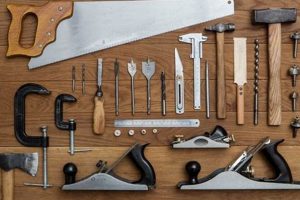
Implements employed in the crafting of scaled-down wood constructions are essential for achieving precision and detail. These instruments, often smaller and more specialized than their full-sized counterparts, facilitate the creation of intricate models, dollhouse furniture, and other diminutive wooden objects. Examples range from miniature saws and planes to fine-tipped carving knives and precision measuring devices.
The application of these specialized implements allows for the creation of highly detailed and accurate representations, otherwise impossible to achieve. Historically, their use has been prevalent in architectural modeling, hobbyist crafts, and specialized fields requiring scaled representations. The ability to work with small components and achieve tight tolerances is paramount in these applications.
Understanding the different types of implements available, their specific uses, and proper maintenance practices is crucial for successful execution. Subsequent sections will elaborate on specific types, usage guidelines, and safety considerations to enable proficiency in miniature woodworking projects.
Essential Guidelines for Miniature Woodworking Implements
Proficient use of specialized implements is vital for successful miniature woodworking. The following guidelines ensure accuracy, efficiency, and safety in miniature projects.
Tip 1: Blade Selection: Employ fine-toothed blades for sawing to minimize splintering and achieve clean cuts. Consider razor saws for delicate work requiring exceptional precision. For example, a blade with 20+ teeth per inch (TPI) is preferable for hardwoods, whereas a blade with 15-20 TPI is acceptable for softwoods.
Tip 2: Controlled Pressure: Apply consistent, moderate pressure during cutting and shaping. Excessive force can lead to inaccurate cuts or damage to the workpiece. Use a light touch, allowing the implement to perform the work, rather than forcing it.
Tip 3: Sharpening: Maintain sharp edges on all cutting implements. Dull tools require more force, increasing the risk of slippage and inaccurate results. Regularly hone blades and chisels to ensure optimal performance. A honing steel or sharpening stone is essential.
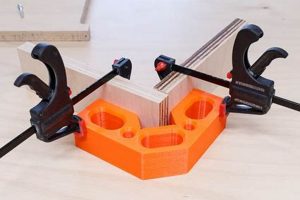
Tip 4: Secure Workholding: Utilize clamps, vises, or jigs to firmly secure the workpiece. Stable workholding prevents movement during cutting and shaping, leading to improved accuracy and reduced risk of injury. Choose workholding devices appropriate for the size and shape of the material.
Tip 5: Measurement Accuracy: Employ precision measuring devices, such as calipers and rulers with fine graduations, to ensure dimensional accuracy. Precise measurements are critical for achieving consistent results in miniature projects. Verify all measurements before cutting.
Tip 6: Dust Management: Implement dust control measures, such as ventilation and dust collection, to minimize exposure to wood dust. Prolonged exposure can pose health risks. Wear a dust mask or respirator during sanding and sawing operations.
Tip 7: Glue Application: Use small, precise applicators for applying glue to avoid excessive glue lines and messy joints. Fine-tipped applicators and toothpicks are suitable for applying small amounts of glue accurately. Consider using slow-setting glues to allow for adjustments.
These guidelines promote efficient, accurate, and safe usage, resulting in high-quality miniature woodwork. Applying these principles improves the precision and craftsmanship of projects.
These implements and techniques form the foundation for sophisticated miniature woodworking. The next segment will explore project planning and design considerations.
1. Precision Cutting

Precision cutting is fundamental to miniature woodworking; the success of any project relies on accurate and clean cuts. The inherent small scale of miniature work amplifies the impact of even minute inaccuracies. Consequently, the selection and proper utilization of cutting instruments directly influences the final outcome. For instance, creating miniature furniture requires components cut to exact dimensions to ensure proper assembly and aesthetic appeal. A razor saw, with its fine blade and minimal kerf, allows for cuts with a higher degree of precision compared to coarser saws, reducing the likelihood of splintering or material loss. Without precision cutting, intricate designs and complex structures within the miniature realm are unattainable.
The implications extend beyond aesthetics. Functional miniatures, such as working model components, necessitate extremely precise cuts to ensure mechanical operability. Consider the creation of a miniature clock; the gears must be cut with exacting accuracy to mesh correctly and allow the mechanism to function. Improper cuts can result in friction, misalignment, or complete failure. The selection of cutting instruments is, therefore, a critical factor in determining both the aesthetic and functional qualities of miniature woodworking projects. The skill of the artisan in employing these implements is equally vital. Techniques like using a miter box for accurate angle cuts and employing magnifying tools for enhanced visibility further contribute to precision cutting outcomes.
In summary, precision cutting forms an indispensable component of miniature woodworking, influencing both the aesthetic quality and functional capabilities of the finished product. The challenges associated with achieving accuracy at such a small scale underscore the importance of selecting appropriate, well-maintained implements and mastering relevant cutting techniques. Understanding this relationship facilitates the creation of intricate and high-quality miniature woodwork projects.
2. Detailed Carving

Detailed carving, in the context of miniature woodworking, necessitates specialized implements designed for intricate manipulation of wood. The relationship between these implements and detailed carving is causal: the availability and effective utilization of appropriate tools directly enable the creation of fine features and intricate designs. Miniature carving knives, gouges, and chisels, often smaller and more precisely shaped than their full-sized counterparts, allow for the removal of minute amounts of material, facilitating the sculpting of delicate contours and reliefs. Without such instruments, the creation of detailed elements, such as the ornamentation on miniature furniture or the anatomical accuracy of scale models, would be impractical.
The importance of detailed carving as a component is significant; it is the addition of fine, carved elements that elevates a miniature woodworking project from a basic representation to a work exhibiting artistry and craftsmanship. Consider the example of creating a miniature musical instrument; the carving of the sound holes, the shaping of the neck, and the creation of delicate inlays all require specialized implements. Similarly, in architectural modeling, the replication of cornices, moldings, and other ornamental details relies heavily on the precision enabled by tools. Furthermore, the understanding of this relationship holds practical significance for woodworkers, enabling them to select the appropriate implements and techniques to achieve desired aesthetic and functional outcomes. Skillful application of specialized carving tools empowers the artisan to reproduce complex and intricate details, achieving high levels of realism and artistic expression in miniature wood projects.
In summary, detailed carving relies on the availability and skillful application of specialized implements. The ability to create fine features and intricate designs directly impacts the aesthetic quality and functional potential of miniature woodworking projects. Therefore, a thorough understanding of this relationship and the mastery of relevant techniques is essential for woodworkers aspiring to create high-quality and detailed miniature woodwork.
3. Accurate Measuring

Accurate measuring is an indispensable element in miniature woodworking. The scaling down of dimensions requires a level of precision beyond that needed in conventional woodworking. Tools designed for miniature work are inherently tied to the pursuit of accurate measurements, influencing every stage of the crafting process.
- Calibrated Instruments
Calibrated instruments, such as digital calipers and finely graduated rulers, are essential for obtaining precise dimensions. These implements offer accuracy within a fraction of a millimeter, crucial for replicating scaled components faithfully. For example, replicating a 1:12 scale piece of furniture requires all dimensions to be reduced accurately, often requiring measurements to 0.1mm or smaller. The absence of calibrated instruments compromises accuracy, leading to misaligned joints and distorted proportions.
- Specialized Gauges
Specialized gauges, including depth gauges and thickness gauges, provide precise measurements of specific features. These tools allow for consistent material removal and ensure uniformity across multiple components. For instance, in creating miniature moldings, a thickness gauge ensures that each piece is of identical dimensions, critical for achieving a cohesive aesthetic. Deviations in thickness, even fractions of a millimeter, are readily apparent in miniature work.
- Magnification Aids
Magnification aids, such as jeweler’s loupes and magnifying lamps, enhance the visibility of fine measurements. These tools allow for the precise alignment of measuring instruments and the accurate reading of scales. A woodworker using a magnifying lamp can discern millimeter markings with greater clarity, reducing the likelihood of parallax errors. Poor visibility significantly increases the probability of measurement inaccuracies.
- Measurement Transfer Tools
Measurement transfer tools, such as dividers and marking gauges, facilitate the precise transfer of dimensions from plans to the workpiece. These implements allow for the accurate replication of complex shapes and intricate patterns. Consider replicating a curved detail; dividers enable the consistent transfer of multiple points along the curve, ensuring faithful reproduction. Direct scaling without transfer tools often results in cumulative errors.
These facets highlight the crucial role accurate measuring plays in miniature woodworking. The proper selection and utilization of these tools directly affect the dimensional accuracy and overall quality of miniature projects. The ability to achieve precision at such small scales hinges on the mastery of these measurement techniques.
4. Safe Operation

Safe operation in miniature woodworking is paramount. The diminutive scale of both projects and implements necessitates rigorous adherence to safety protocols. Injury prevention depends on understanding potential hazards and employing appropriate safeguards.
- Eye Protection
Eye protection is crucial. Miniature woodworking often involves the creation of fine dust and the projection of small wood fragments. Safety glasses or goggles provide a barrier against these hazards, preventing potential eye injuries. Failure to use eye protection can result in corneal abrasions or the introduction of foreign bodies into the eye. Consider the scenario of using a rotary tool for carving; the high-speed rotation can eject small particles with considerable force, necessitating eye protection.
- Hand Protection
Hand protection minimizes the risk of cuts and abrasions. The small size of implements and workpieces necessitates close proximity between the hand and the cutting edge. Gloves, specifically designed for dexterity and grip, protect against accidental contact with sharp implements. The carving of delicate features with a miniature knife can easily result in a cut if the hand slips. Gloves mitigate this risk, enhancing safety without compromising dexterity.
- Dust Control
Dust control is essential for respiratory health. The sanding and cutting of wood generate fine dust particles that can irritate the respiratory system. The use of dust masks or respirators filters these particles, preventing their inhalation. Prolonged exposure to wood dust can lead to respiratory ailments. During the sanding of miniature furniture, a dust mask captures fine particulate matter, safeguarding the respiratory tract.
- Secure Workholding
Secure workholding prevents sudden movement during cutting. Miniature workpieces, being small, are susceptible to shifting or slipping under tool pressure. Clamps, vises, or jigs provide a stable platform, reducing the risk of miscuts and injuries. The act of sawing a small piece of wood held loosely can result in the workpiece moving unexpectedly, potentially leading to a loss of control and injury. Secure workholding mitigates this hazard.
These facets of safe operation collectively contribute to a safer working environment in miniature woodworking. By prioritizing these safeguards, woodworkers minimize the risk of injury and ensure the longevity of their practice. The responsible use of implements, coupled with adherence to safety protocols, forms the foundation for sustainable miniature woodworking.
5. Ergonomic Design
Ergonomic design, in the context of implements intended for scaled-down wood construction, focuses on optimizing user comfort, efficiency, and safety. The extended periods often required for intricate miniature projects make ergonomic considerations particularly relevant. Selection of implements that mitigate fatigue and strain is a critical factor in maintaining both accuracy and well-being.
- Handle Geometry
Handle geometry influences grip strength and wrist posture. Implement handles should be designed to fit comfortably within the hand, minimizing the need for excessive force or awkward positioning. Handles that are too small can lead to cramping, while handles that are too large can compromise control. The curvature and texture of the handle are also critical factors. For example, a handle with a slightly convex shape and a textured surface provides a secure grip without requiring excessive squeezing, thus reducing hand fatigue. This design feature is particularly important when using carving knives or small saws for prolonged periods.
- Weight Distribution
Weight distribution impacts balance and control. Implements should be designed with a center of gravity that allows for stable and precise movements. Top-heavy or unbalanced implements require more effort to control, increasing the risk of slippage and fatigue. A well-balanced miniature plane, for example, will glide smoothly across the workpiece with minimal downward pressure, reducing strain on the wrist and forearm. The internal construction and material selection contribute significantly to the overall weight distribution of the implement.
- Material Selection
Material selection affects comfort and durability. The materials used in the construction of implement handles should be chosen for their ergonomic properties, as well as their resistance to wear and tear. Materials that are smooth, non-slip, and non-conductive are preferable. Wood, for example, offers a natural warmth and grip that can enhance comfort during prolonged use. Plastic or composite materials should be carefully selected to avoid creating pressure points or causing skin irritation. The choice of material also affects the weight and balance of the implement.
- Force Reduction
Force reduction features minimize physical exertion. Implement designs should incorporate mechanisms that reduce the amount of force required to perform tasks. For instance, a miniature vise with a lever-action clamping mechanism allows the workpiece to be secured with minimal hand strength. Self-tensioning mechanisms in miniature saws can reduce the need for manual tensioning, thus minimizing fatigue. The application of leverage principles in the design of miniature implements directly reduces the physical strain associated with woodworking tasks.
These considerations collectively contribute to the overall ergonomic quality of implements intended for scaled-down wood construction. The thoughtful integration of ergonomic design principles enhances user experience, reduces the risk of injury, and promotes efficiency in miniature woodworking projects. The benefits of ergonomically designed implements extend beyond comfort, directly influencing the quality and precision of the finished product.
6. Material Compatibility

Material compatibility is a crucial consideration in miniature woodworking. The selection of appropriate implements hinges on understanding the properties of the wood being worked. Incompatibility can lead to inefficient cuts, damaged implements, or compromised project integrity. This consideration ensures optimal performance and longevity of tools.
- Wood Hardness
Wood hardness directly impacts tool selection. Hardwoods, such as maple or walnut, require implements with hardened steel blades to maintain sharpness and prevent damage. Softer woods, like balsa or pine, are more amenable to finer tools with less robust construction. Attempting to use a delicate carving knife on a dense hardwood may result in blade breakage, while using a coarse saw on balsa wood can cause excessive splintering. The Janka hardness scale provides a quantitative measure for assessing wood hardness and informing tool selection.
- Grain Direction
Grain direction influences cutting technique and tool choice. Cutting against the grain can lead to tearing or chipping, particularly with softer woods. Skew chisels and specialized carving tools are designed to mitigate this effect. A thorough understanding of wood grain orientation is necessary for achieving clean cuts and preventing material damage. When creating miniature moldings, cutting against the grain without proper technique may result in uneven surfaces and loss of detail.
- Wood Density
Wood density affects the ease of shaping and carving. Denser woods require more force to manipulate and necessitate sharper, more durable tools. Less dense woods can be shaped with finer implements but are more susceptible to damage. The density of the wood also influences the type of finish that can be applied effectively. A dense hardwood may require multiple coats of finish to achieve a desired sheen, while a porous softwood may readily absorb finish, necessitating careful application techniques.
- Moisture Content
Moisture content impacts wood stability and tool performance. Wood that is too wet or too dry can warp or crack, affecting the accuracy of cuts and the integrity of joints. Additionally, high moisture content can cause tools to rust or become less effective. Kiln-dried wood is generally preferred for miniature woodworking due to its stability. Maintaining consistent humidity levels in the workshop is also important for preserving both the wood and the tools. This is particularly relevant in climates with significant seasonal variations.
These facets underscore the importance of material compatibility in relation to implements used in scaled-down wood construction. Proper tool selection, informed by a comprehensive understanding of wood properties, ensures optimal results and prevents damage to both the implements and the project materials. Mastering this aspect of woodworking is crucial for achieving precision and longevity in miniature projects.
Frequently Asked Questions
The following addresses common inquiries related to the selection, usage, and maintenance of implements employed in the construction of miniature wooden objects. This information is intended to provide clarity and guidance for practitioners of miniature woodworking.
Question 1: What constitutes a “miniature” woodworking implement?
A miniature woodworking implement is a scaled-down version of a standard woodworking tool, designed for increased precision and control when working with small components. These implements often possess finer blades, more delicate construction, and ergonomic features tailored for intricate tasks.
Question 2: How does the selection of wood impact implement choice?
The hardness and density of the wood influence the appropriate implement selection. Hardwoods necessitate tools with hardened steel blades to maintain sharpness, while softwoods can be worked with finer, less robust implements. Incorrect selection may result in blunted edges or splintering.
Question 3: What safety precautions are essential during the usage of miniature implements?
Eye protection, hand protection, and dust control are critical safety precautions. The small scale increases the risk of particulate matter ejection and close-proximity injuries. Implementation of these measures minimizes potential hazards.
Question 4: How frequently should miniature woodworking implements be sharpened?
The frequency of sharpening depends on usage and wood type. However, maintaining a keen edge is crucial for precise work. Implements should be sharpened whenever a decrease in cutting efficiency is noted.
Question 5: Are specialized workholding devices necessary for miniature woodworking?
Specialized workholding devices, such as miniature vises and clamps, are highly recommended. These devices provide stability and prevent movement during cutting, leading to increased accuracy and reduced risk of injury.
Question 6: How does one effectively control wood dust in a miniature woodworking environment?
Effective wood dust control can be achieved through the use of dust masks or respirators and localized ventilation systems. Regular cleaning of the workspace is also essential to prevent the accumulation of fine particles.
Proper implementation of these guidelines contributes to the successful and safe execution of miniature woodworking projects.
The subsequent section will examine specific projects suited for miniature woodworking, providing practical examples and step-by-step instructions.
Conclusion
The preceding exploration has illuminated the critical role of specialized implements in successful scaled-down woodcraft. From precision cutting and detailed carving to accurate measurement and safe operation, the selection and skillful application of appropriate instruments are paramount. Ergonomic design and material compatibility further enhance the efficacy and longevity of these tools, contributing directly to the quality and precision of miniature projects.
Proficiency in miniature woodworking hinges on a comprehensive understanding of these implements and their nuanced applications. Continued exploration and refinement of technique will undoubtedly unlock further possibilities in this exacting craft, fostering innovation and preserving the tradition of fine-scale woodwork for future generations.