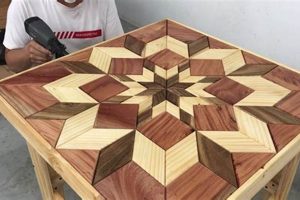
The conception and application of color and protective coatings onto wooden surfaces constitute a significant area within both decorative arts and building maintenance. This process encompasses a wide range of techniques, materials, and aesthetic considerations, from the selection of appropriate primers to the application of final topcoats. As an example, applying a semi-gloss enamel to wooden trim in a home’s interior can enhance its durability and visual appeal.
Proper execution of this practice yields numerous advantages. It serves to protect the wood from moisture, ultraviolet radiation, and physical wear, thus extending its lifespan. Furthermore, the skillful employment of color and finish can dramatically elevate the aesthetic value of a structure or object, reflecting stylistic preferences and potentially increasing its market value. Historically, this method has been employed across cultures and time periods, adapting to available resources and evolving artistic trends.
The subsequent discussion will delve into key aspects related to achieving successful and visually compelling results. Topics to be addressed include surface preparation techniques, the selection of appropriate paint types and application methods, and considerations for achieving specific stylistic outcomes.
Essential Considerations for Optimal Wood Coating Application
This section outlines crucial steps and recommendations designed to ensure a durable and aesthetically pleasing finish on wooden substrates. Adherence to these guidelines will contribute to the longevity and visual appeal of the painted surface.
Tip 1: Surface Preparation is Paramount: Prior to applying any coating, meticulous surface preparation is essential. This includes sanding to create a smooth, receptive surface, filling any imperfections with appropriate wood filler, and thoroughly cleaning to remove dust, dirt, and any existing loose coatings. Neglecting this step can lead to adhesion problems and a compromised final finish.
Tip 2: Primer Selection Matters: Employing a high-quality primer specifically formulated for wood is vital. The primer serves as a bonding agent between the wood and the topcoat, seals the wood to prevent uneven absorption of the paint, and can block tannins that might bleed through the finish. Oil-based primers are typically recommended for raw wood, while latex primers are suitable for previously painted surfaces.
Tip 3: Utilize Appropriate Application Techniques: The method of application, whether brushing, rolling, or spraying, significantly impacts the final result. Brushes should be high-quality with bristles suited to the type of paint being used. Rollers should have the correct nap length for the surface texture. Spraying requires proper equipment and technique to ensure an even, consistent coat.
Tip 4: Multiple Thin Coats are Preferable: Instead of applying one thick coat, opt for multiple thin coats, allowing each coat to dry completely before applying the next. This approach minimizes the risk of drips, runs, and uneven drying, resulting in a smoother, more durable finish.
Tip 5: Sand Between Coats for Enhanced Smoothness: Lightly sanding between coats, using fine-grit sandpaper (220-grit or higher), helps to remove any imperfections and create a smoother surface for the subsequent coat. Always clean the surface thoroughly after sanding to remove any sanding dust.
Tip 6: Invest in Quality Coating Materials: The quality of the paint significantly impacts the durability and appearance of the finished product. Selecting a high-quality paint, appropriate for the intended use and environment, is crucial. Consider factors such as durability, UV resistance, moisture resistance, and ease of cleaning.
Tip 7: Controlled Drying Environment: Ensure a stable and controlled drying environment. Extremes of temperature and humidity can negatively impact the drying and curing process, leading to issues such as blistering, cracking, or adhesion failure. A well-ventilated space with moderate temperature and humidity is ideal.
Adhering to these considerations will not only enhance the aesthetic outcome but also extend the lifespan and protective qualities of the applied coating, ultimately contributing to a more satisfying and enduring result.
The following sections will further elaborate on specific styles and advanced techniques within the realm of wood finishing.
1. Color Palette Selection

The strategic selection of a color palette is a foundational element in achieving desired aesthetic and functional outcomes when applying coatings to woodwork. The chosen colors dictate the visual impact, influence perceived space, and contribute to the overall ambiance of an environment. Consequently, a well-considered color plan is paramount for successful implementation.
- Architectural Style Harmony
The selected colors should harmonize with the architectural style of the structure. For instance, historic homes often benefit from historically accurate color schemes, while modern designs might incorporate bolder, more contemporary palettes. Disregarding the architectural context can result in a discordant and visually unappealing outcome. Consider the Queen Anne style which typically incorporate earthy and muted shades.
- Environmental Context Integration
The surrounding environment, including natural light and existing dcor, must be considered. Colors appear differently under varying lighting conditions. Furthermore, the chosen hues should complement or contrast intentionally with existing furniture, wall colors, and flooring to create a cohesive and balanced visual experience. Direct sunlight tends to wash out color; interiors should be painted with colors that retain vibrancy under bright light.
- Functional Purpose Alignment
Color choices can influence the perceived size and function of a space. Lighter colors can make a small room feel larger and more open, while darker colors can create a sense of intimacy and warmth in a larger room. Additionally, color psychology suggests that certain colors can evoke specific emotions or moods, which can be strategically employed to enhance the intended function of the space. For example, calming greens and blues are often used in bedrooms.
- Durability and Maintenance Considerations
Certain pigments are more resistant to fading and weathering than others. Selecting colors that are known for their durability and ease of maintenance can significantly extend the lifespan of the painted woodwork, reducing the need for frequent repainting. Furthermore, the sheen of the chosen paint can impact its cleanability, with higher sheens generally being easier to wipe clean. Dark colors tend to show scratches and imperfections more easily than lighter colors.
In conclusion, the selection of a color palette represents a critical decision-making process, necessitating careful consideration of architectural style, environmental context, functional purpose, and durability factors. A thoughtful approach to color selection will not only enhance the aesthetic appeal of the woodwork but also contribute to its long-term performance and maintenance. Disregarding these facets diminishes the potential for achieving a satisfactory and enduring result.
2. Surface preparation efficacy

The effectiveness of surface preparation directly determines the success of any woodwork finishing endeavor. Insufficient or improper surface preparation undermines the adhesion of coatings, compromises the smoothness of the finish, and reduces the overall longevity of the protective layer. The connection between surface preparation efficacy and painting outcomes is one of direct cause and effect: inadequate preparation invariably leads to suboptimal results.
Surface preparation encompasses a range of processes, including cleaning to remove dirt, grease, and contaminants; sanding to create a uniform texture; and repairing imperfections such as cracks and holes. Each step plays a vital role in creating a suitable substrate for paint application. For instance, if old, peeling paint is not completely removed, new coatings will likely fail prematurely. Similarly, if the wood surface is not adequately sanded, the paint may not adhere properly, leading to chipping and cracking. A real-world example can be found in the restoration of antique furniture. If the old varnish is not fully removed and the wood properly sanded, the new finish will not achieve the desired smooth, even luster, reducing the furniture’s value and aesthetic appeal.
Understanding the practical significance of surface preparation is crucial for achieving professional-quality finishes and ensuring the durability of painted woodwork. While the selection of high-quality coatings and proper application techniques are essential, their effectiveness is contingent upon the foundation established through meticulous surface preparation. Neglecting this critical component results in diminished aesthetic appeal, reduced protective qualities, and ultimately, the premature failure of the applied finish. In summation, surface preparation forms the indispensable groundwork upon which all successful woodwork painting is built.
3. Coating material quality

The properties inherent within chosen coating materials exert a considerable influence over the ultimate success and longevity of any woodwork finishing project. A direct correlation exists between the caliber of materials employed and the resulting aesthetic, protective, and functional characteristics of the painted surface. Compromising on the grade of paint or sealant inherently diminishes the potential for a satisfactory long-term outcome. Specifically, substandard coatings may exhibit poor adhesion, inadequate resistance to environmental factors (such as moisture and ultraviolet radiation), and diminished durability against physical wear. An example can be found in marine applications where the use of non-marine grade paints on wooden boats will result in accelerated deterioration due to constant exposure to saltwater.
The selection process should prioritize coatings formulated with high-quality resins, pigments, and additives. Premium resins contribute to enhanced adhesion, flexibility, and resistance to cracking or peeling. High-grade pigments provide superior color retention and resistance to fading over time. Specialized additives can impart specific performance characteristics, such as enhanced UV protection, mold resistance, or increased abrasion resistance. Consider the difference between a budget acrylic latex paint and a high-end alkyd enamel when used on wooden window frames; the enamel will typically provide a harder, more durable finish that resists wear and tear from opening and closing, as well as better protection against the elements. This directly translates into a longer lifespan for the paint job and reduced maintenance costs.
In summary, the judicious selection of superior coating materials represents a foundational investment in the durability and aesthetic appeal of painted woodwork. This choice requires careful consideration of the intended application, environmental conditions, and performance requirements. While cost considerations may influence material selection, it is crucial to recognize that the long-term benefits of employing high-quality coatings typically outweigh any initial price premium. Neglecting coating material quality results in diminished protective capacity, accelerated degradation, and ultimately, increased maintenance and replacement costs, thereby underscoring the critical role material quality plays in realizing enduring and visually appealing woodwork finishing.
4. Application technique precision

The degree of accuracy in applying coatings to woodwork is paramount in determining the final aesthetic quality, durability, and protective function of the finish. Precise application techniques minimize imperfections, ensure uniform coverage, and maximize the lifespan of the coating system. Therefore, a thorough understanding and skillful execution of these techniques are indispensable for realizing desired outcomes.
- Brushwork Mastery
The application of paint via brush necessitates controlled strokes, appropriate brush loading, and consistent pressure. Streaks, drips, and uneven coverage are indicative of poor brushwork. Achieving a smooth, uniform finish requires employing the correct brush size and type for the task at hand, maintaining a wet edge to prevent lap marks, and feathering out brushstrokes to blend seamlessly. For example, fine woodworking projects, such as custom cabinetry, demand meticulous brushwork to accentuate details and achieve a flawless appearance.
- Roller Application Proficiency
Employing rollers effectively involves selecting the appropriate nap length for the surface texture, maintaining consistent roller pressure, and overlapping passes to ensure complete coverage. Uneven roller pressure or insufficient overlap can result in a stippled finish or inconsistent color. Larger surfaces, such as paneled walls or doors, benefit from skilled roller application to achieve efficiency without sacrificing quality. Achieving the correct mill thickness of a coating can be accurately managed through roller application.
- Spraying Technique Competency
The use of spray equipment demands expertise in adjusting spray patterns, controlling material flow, and maintaining a consistent distance and angle relative to the surface. Improper spraying techniques can lead to runs, sags, orange peel texture, or insufficient film build. Spray application is often favored for intricate surfaces, such as decorative molding or furniture with complex profiles, due to its ability to achieve uniform coverage in hard-to-reach areas. Furthermore, the ability to apply catalyzed finishes more effectively through spraying allows for superior durability and chemical resistance in commercial applications.
- Surface Preparation Integration
Application technique precision is intrinsically linked to surface preparation. Even the most skilled application cannot compensate for inadequately prepared surfaces. Smooth, clean, and properly primed surfaces are essential for achieving optimal adhesion and a flawless finish. Any imperfections on the surface will be amplified by the applied coating if not addressed beforehand. A failure to sand between coats, for instance, will lead to a rough and uneven final appearance, regardless of the application method employed.
In conclusion, the successful execution of woodwork finishing projects hinges upon the skillful application of coating materials. Mastering various application techniques, integrating them with meticulous surface preparation, and selecting appropriate tools and equipment are essential components of achieving professional-quality results. The interplay between these facets determines the aesthetic appeal, durability, and protective capabilities of the finished woodwork, underscoring the critical importance of application technique precision.
5. Protective finish durability

The longevity and resilience of a protective finish are intrinsically linked to the overall effectiveness of woodwork coating strategies. The primary function of a finish is to safeguard the underlying wooden substrate from environmental stressors, physical abrasion, and biological degradation. Consequently, the durability of the chosen finish directly influences the long-term performance and aesthetic integrity of the painted woodwork. The interplay between these concepts represents a cause-and-effect relationship: a robust, durable finish provides extended protection, while a weak, vulnerable finish necessitates frequent maintenance or premature replacement.
A protective finish serves as a barrier against moisture penetration, ultraviolet (UV) radiation, and physical impacts. Moisture ingress can lead to swelling, warping, and rot, compromising the structural integrity of the wood. UV exposure causes fading, discoloration, and embrittlement of the coating itself. Physical abrasion, such as scratching or impact, can damage the finish, exposing the underlying wood to further degradation. Consider the application of varnish on exterior wooden doors; a high-quality, UV-resistant varnish will significantly prolong the life of the door by preventing moisture damage and fading, while a cheap varnish will quickly deteriorate, requiring frequent reapplication. The protective characteristic can also be observed in gymnasiums with varnished wooden floors. The varnish, formulated to withstand extreme and repetitive stress, will provide better wear than a less durable coating.
In conclusion, achieving sustained protection against these degrading forces is a core objective of any woodwork painting endeavor. Selection of appropriate protective finishes must consider the environmental factors to which the woodwork will be exposed, the intended use of the item, and the desired aesthetic properties. A well-chosen and properly applied durable finish is not merely an aesthetic enhancement; it is a critical investment in the long-term preservation and functionality of wooden structures and objects. Selecting an improper coating reduces the cost-effectiveness of an endeavor.
Frequently Asked Questions about Woodwork Coating
This section addresses common inquiries regarding the coating of woodwork, providing concise and informative answers to assist in achieving optimal results.
Question 1: What is the most effective method for preparing previously painted woodwork for a new coat of paint?
The most effective method involves thoroughly cleaning the surface to remove dirt and grease, followed by scraping or sanding to eliminate loose or peeling paint. Subsequently, any imperfections should be filled with wood filler, sanded smooth, and primed with a suitable primer before applying the topcoat.
Question 2: Which type of primer is best suited for use on bare wood?
Oil-based primers are generally considered superior for bare wood as they offer excellent adhesion, sealing properties, and tannin bleed-through protection. However, latex primers may be used if concerns regarding VOC emissions exist, provided that adequate surface preparation is performed.
Question 3: How can one minimize brush strokes when painting woodwork?
To minimize brush strokes, utilize a high-quality brush with fine bristles, apply thin, even coats of paint, and maintain a wet edge to prevent lap marks. Additionally, consider using a paint conditioner or retarder to slow the drying time and allow the paint to level out more effectively. The sanding of previous coats will minimize imperfections.
Question 4: What steps should be taken to ensure proper paint adhesion to glossy surfaces?
Glossy surfaces require thorough preparation to ensure adequate paint adhesion. This typically involves sanding the surface to create a mechanical bond, followed by the application of a bonding primer specifically formulated for slick surfaces. Failure to properly prepare glossy surfaces will likely result in peeling or chipping paint.
Question 5: How does humidity affect the drying time of paint on woodwork?
High humidity levels significantly extend the drying time of paint, as the excess moisture in the air inhibits the evaporation of solvents from the paint film. Conversely, low humidity levels can accelerate drying, potentially leading to application issues such as brush marks or uneven coverage.
Question 6: What is the recommended method for cleaning painted woodwork?
Painted woodwork should be cleaned with a mild detergent solution and a soft cloth or sponge. Avoid using abrasive cleaners or excessive scrubbing, as these can damage the paint film. After cleaning, rinse the surface with clean water and dry thoroughly.
In summary, successful woodwork coating hinges on meticulous preparation, appropriate material selection, and precise application techniques. Addressing these frequently asked questions provides a solid foundation for achieving durable and aesthetically pleasing results.
The subsequent section will explore advanced coating techniques for specialized applications.
Conclusion
This exposition has provided a comprehensive overview of the core dimensions influencing the success of woodwork coating projects. From surface preparation to material selection and application techniques, each facet plays a critical role in determining the aesthetic appeal, durability, and longevity of the finished product. Consideration of these elements fosters optimal outcomes, minimizing the potential for premature failure and maximizing the return on investment.
The pursuit of enhanced woodwork protection and aesthetics remains a dynamic field, necessitating continued exploration of innovative coating technologies and application methodologies. As environmental regulations evolve and consumer preferences shift, maintaining a commitment to best practices will prove essential for professionals and enthusiasts alike. Careful execution of the strategies articulated herein serves as a solid foundation for realizing enduring and visually compelling results. The longevity of properly treated woodwork secures both structural integrity and artistic value.