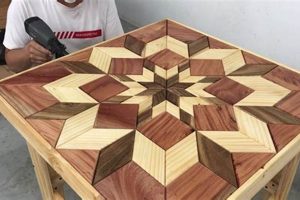
The construction of bespoke presents from timber provides a unique and personalized approach to holiday giving. These items range from practical household objects to decorative art pieces, all handcrafted using woodworking techniques. Examples include custom-built cutting boards, intricately carved ornaments, and hand-turned wooden bowls.
Creating gifts from wood offers several advantages, including the ability to tailor the item to the recipient’s specific tastes and needs. Historically, handmade items have been valued for their durability and sentimental value, reflecting the time and effort invested in their creation. This practice fosters a sense of connection and personal touch often absent from mass-produced alternatives.
The subsequent sections will explore various project categories, skill level considerations, and material selection strategies for individuals interested in producing original, handcrafted presents for the holiday season. Details on sourcing materials and essential tools will also be addressed.
Essential Woodworking Gift Creation Guidelines
The following guidelines offer practical advice for individuals undertaking the creation of woodworking projects as gifts. Adherence to these principles will enhance the quality, durability, and overall appeal of the finished products.
Tip 1: Material Selection: Choose hardwoods known for their durability and aesthetic qualities, such as walnut, cherry, or maple. Consider sustainably sourced options to minimize environmental impact. Proper drying and acclimation of the wood are crucial to prevent warping or cracking.
Tip 2: Project Planning: Initiate projects well in advance of the gift-giving occasion. Create detailed plans, including dimensions, joinery methods, and finishing techniques. This proactive approach minimizes errors and reduces time constraints.
Tip 3: Precise Joinery: Employ accurate joinery techniques, such as mortise and tenon, dovetail, or rabbet joints, to ensure structural integrity. Avoid relying solely on fasteners or adhesives, which may compromise long-term stability.
Tip 4: Safe Work Practices: Prioritize safety by using appropriate personal protective equipment, including eye protection, hearing protection, and dust masks. Maintain a clean and organized workspace to prevent accidents.
Tip 5: Finish Application: Apply a durable and appropriate finish to protect the wood surface and enhance its appearance. Consider options such as oil-based finishes, water-based finishes, or shellac, depending on the project’s intended use and aesthetic goals.
Tip 6: Personalization: Incorporate personalized elements to enhance the gift’s sentimental value. Consider options such as engraving names, dates, or meaningful symbols onto the wood surface.
These guidelines emphasize careful planning, execution, and attention to detail, resulting in woodworking gifts that are both functional and aesthetically pleasing.
The subsequent section will delve into specific project ideas categorized by skill level, offering detailed instructions and considerations for each.
1. Project Complexity

Project complexity represents a critical determinant in the realm of handcrafted holiday presents. The level of intricacy directly influences the skills, time investment, and specialized tooling required for successful completion, thereby impacting the feasibility of various “woodworking christmas gift ideas”.
- Skill Level Alignment
The selected project must align with the artisan’s proficiency. A novice woodworker attempting an advanced piece, such as a complex dovetail-jointed box, is likely to encounter frustration and produce a substandard result. Conversely, an experienced craftsman might find a simple project unfulfilling. Choosing a project that pushes boundaries without exceeding capabilities is crucial.
- Time Investment Analysis
Complex projects invariably demand significantly more time. Intricate joinery, elaborate carving, and multi-stage finishing processes extend the production timeline. Individuals must realistically assess their available time prior to committing to a complex undertaking, especially given the seasonal pressures associated with holiday gift-giving.
- Tooling and Equipment Requirements
Increasing project complexity often correlates with the need for specialized tools and equipment. A basic cutting board might only necessitate a saw and sanding supplies, whereas a curved-leg table would require a bandsaw, router, and potentially a lathe. The availability and proficiency in using specialized tools are key factors in determining project suitability.
- Material Costs and Waste
More complex projects tend to involve higher material costs and a greater potential for material waste. Intricate designs may necessitate larger pieces of premium lumber, and mistakes during the crafting process can lead to costly material losses. Careful planning and precise execution are essential to minimize waste and control expenses.
These facets underscore the importance of a thorough assessment of project complexity when selecting “woodworking christmas gift ideas”. A pragmatic evaluation of skill level, time availability, tooling resources, and budget constraints will ensure a more successful and enjoyable crafting experience, resulting in a higher quality, more appreciated gift.
2. Wood Selection

The selection of wood represents a pivotal aspect in crafting woodworking presents. The chosen material impacts the aesthetic appeal, durability, and functionality of the finished product, directly influencing its suitability as a holiday gift.
- Aesthetic Considerations
The grain pattern, color, and natural luster of wood contribute significantly to the visual impact of a gift. Species such as cherry and walnut are prized for their rich tones and distinctive grain, lending an air of elegance to items like cutting boards or jewelry boxes. Conversely, maple offers a lighter, more contemporary aesthetic suitable for items like toys or minimalist dcor pieces. The choice should align with the recipient’s taste and the intended style of the gift.
- Durability and Longevity
Certain wood species are inherently more durable and resistant to wear and tear. Hardwoods like oak and maple are well-suited for items intended for frequent use, such as kitchen utensils or coasters. Softer woods, like pine or cedar, may be appropriate for purely decorative items or projects where weight is a concern, but their susceptibility to dents and scratches must be considered.
- Workability and Tooling
The ease with which a wood can be cut, shaped, and joined impacts the complexity of projects that can be undertaken. Some woods are more prone to tear-out or splintering during machining, requiring greater care and sharper tools. Species like poplar are known for their stability and ease of working, making them a good choice for beginner woodworkers or intricate projects.
- Finish Compatibility
Different wood species react differently to various finishes. Some woods absorb finishes readily, resulting in deep, rich colors, while others may require specific sealers or preparation to achieve a desired look. The choice of wood should be considered in conjunction with the intended finishing technique, whether it be staining, painting, or applying a clear coat.
In summary, wood selection is not merely a functional consideration but a critical design element in creating woodworking presents. Thoughtful selection, aligned with aesthetic preferences, durability requirements, workability considerations, and finishing goals, ensures the creation of woodworking holiday presents that are both visually appealing and structurally sound.
3. Tools Required
The successful realization of woodworking holiday presents is intrinsically linked to the availability and proper utilization of appropriate tools. The complexity and nature of a given project directly dictate the specific tools necessary for its completion. A simple wooden toy might only require basic hand tools like a saw, chisel, and sandpaper. In contrast, crafting a dovetailed jewelry box necessitates more specialized tools, including a dovetail saw, marking gauge, and possibly a router. The absence of the correct tools can lead to compromised project quality, increased production time, and potentially, unsafe working conditions. For example, attempting to cut precise joinery with dull or inappropriate saws can result in splintered wood and inaccurate cuts, directly impacting the finished gift’s aesthetic and structural integrity.
Furthermore, the selection of power tools can significantly enhance efficiency and precision, particularly for repetitive tasks. A power sander, for instance, can expedite the smoothing process, while a drill press ensures accurate and consistent hole placement. However, proficiency in using these tools is paramount. Improper usage can result in damage to the workpiece, personal injury, or tool malfunction. Safety equipment, such as eye protection and hearing protection, are therefore essential components of the tool set required for woodworking activities. Investment in quality tools, coupled with comprehensive understanding of their operation and maintenance, allows for a greater range of project possibilities and improved project outcomes.
In conclusion, an adequate and well-maintained tool collection is not merely an accessory to woodworking, but a fundamental prerequisite for creating high-quality holiday presents. The selection of specific tools must align with the chosen project’s complexity and the artisan’s skill level. Prioritizing tool quality, safety equipment, and operational knowledge ensures both the successful completion of the project and the safety of the woodworker, ultimately enhancing the value and longevity of the handcrafted gift.
4. Finishing Options
The selection and application of a finish constitute a critical phase in the creation of handcrafted woodworking presents. This process directly impacts the aesthetic appeal, durability, and overall perceived value of the item.
- Protective Qualities
Finishes serve as a protective barrier against moisture, scratches, and UV damage, thereby extending the lifespan of the wooden object. For instance, a polyurethane finish on a wooden cutting board offers water resistance and prevents the absorption of food particles, whereas a UV-resistant varnish on an outdoor wooden toy protects against sun-induced fading and degradation. The appropriate finish choice ensures the longevity of the woodworking creation.
- Aesthetic Enhancement
Finishes accentuate the natural grain and color of the wood, enhancing its visual appeal. Oil-based finishes, for example, impart a warm, rich tone to hardwoods like walnut and cherry, highlighting their natural beauty. Alternatively, stains can be used to alter the color of the wood, allowing for customization to suit specific aesthetic preferences. The judicious application of a finish transforms a raw wooden object into a polished and visually appealing gift.
- Surface Texture and Feel
The finish influences the tactile qualities of the wooden object, contributing to its overall user experience. A smooth, silky finish on a wooden pen provides a comfortable grip, whereas a textured finish on a wooden bowl offers enhanced grip and prevents slippage. Careful consideration of the desired surface texture ensures that the finished woodworking item is both aesthetically pleasing and functionally ergonomic.
- Food Safety Compliance
For presents intended for food contact, such as cutting boards or salad bowls, the finish must be food-safe and non-toxic. Mineral oil and beeswax blends are commonly used to protect and enhance wooden kitchenware, as they are non-reactive and pose no health risks. Ensuring that the chosen finish complies with relevant food safety regulations is paramount for the health and well-being of the recipient.
The application of a suitable finish is integral to the successful creation of woodworking holiday presents. It provides protection, enhances aesthetics, influences texture, and ensures safety. The careful selection and application of an appropriate finish transforms a simple wooden creation into a cherished and long-lasting gift.
5. Personalization potential

The inherent adaptability of wood as a medium establishes personalization potential as a pivotal element within the realm of handcrafted woodworking holiday presents. The capacity to tailor a wooden item to the specific preferences and attributes of the recipient elevates its intrinsic value, transforming a functional object into a deeply meaningful keepsake. The absence of personalization risks rendering the gift generic and devoid of emotional resonance.
The connection manifests through various avenues. Engraving initials, dates, or significant symbols onto the wooden surface provides a direct and lasting form of customization. For instance, a cutting board etched with a family name transforms a standard kitchen tool into a personalized heirloom. Similarly, a wooden toy carved with a child’s name and birthdate becomes a cherished memento. Woodburning techniques allow for intricate designs and personalized artwork to be permanently transferred onto the wood, further enhancing the bespoke nature of the gift. Color selection, determined by stains, paints, or specialized dyes, permits customization to align with the recipient’s aesthetic preferences or home decor. The practical significance of this understanding lies in the increased likelihood of the gift being treasured and actively used, rather than relegated to storage.
Ultimately, recognizing and leveraging personalization potential allows for the creation of woodworking holiday presents that transcend mere material objects. The capacity to infuse a handcrafted item with personal meaning ensures its lasting significance, transforming it into a tangible expression of affection and thoughtfulness. The challenge lies in identifying the specific personalization elements that resonate most deeply with the recipient, requiring careful consideration of their interests, values, and personal history. The resulting bespoke creation represents the apogee of the “woodworking christmas gift ideas” concept.
Frequently Asked Questions
This section addresses common inquiries regarding the creation of woodworking gifts, offering clarity on key considerations and dispelling potential misconceptions.
Question 1: What level of woodworking skill is required to create suitable gifts?
The requisite skill level varies depending on the complexity of the chosen project. Simple items, such as coasters or small cutting boards, may be suitable for novice woodworkers. More intricate projects, such as dovetailed boxes or turned bowls, demand advanced skills and experience.
Question 2: How far in advance should woodworking projects be started to ensure completion before the holiday season?
Initiating projects well in advance is crucial, with a recommended lead time of several weeks to months. This allows for adequate time for material acquisition, project planning, construction, finishing, and unforeseen delays. Starting early mitigates stress and ensures a higher-quality finished product.
Question 3: What wood species are most appropriate for creating durable and aesthetically pleasing gifts?
Hardwoods such as walnut, cherry, maple, and oak are generally recommended for their durability, aesthetic qualities, and workability. The specific choice depends on the desired aesthetic and intended use of the gift. Sustainable sourcing practices should be considered when selecting lumber.
Question 4: What safety precautions should be observed when undertaking woodworking projects?
Adherence to safety protocols is paramount. Appropriate personal protective equipment, including eye protection, hearing protection, and dust masks, should be worn at all times. A clean and organized workspace is essential to prevent accidents. Familiarization with the safe operation of all tools and equipment is mandatory.
Question 5: What types of finishes are suitable for woodworking gifts, particularly those intended for food contact?
For items intended for food contact, finishes must be food-safe and non-toxic. Mineral oil, beeswax, and certain specialized food-safe finishes are recommended. Thorough research and adherence to manufacturer guidelines are crucial to ensure safety.
Question 6: How can woodworking gifts be personalized to enhance their sentimental value?
Personalization can be achieved through various techniques, including engraving names, dates, or meaningful symbols. Custom inlays, wood burning, and the incorporation of personalized design elements can also significantly enhance the sentimental value of the gift.
These answers provide a foundation for navigating the complexities of crafting woodworking holiday presents. Thoughtful planning and execution are essential for creating items that are both functional and cherished.
The subsequent section will provide a summary of the key principles outlined in this article, emphasizing the importance of planning, safety, and craftsmanship.
Conclusion
This exploration of woodworking christmas gift ideas has underscored the significance of meticulous planning, skilled execution, and thoughtful personalization. The creation of enduring, handcrafted presents necessitates a comprehensive understanding of material properties, joinery techniques, finishing options, and safety protocols. Success hinges upon aligning project complexity with individual skill level and available resources.
The construction of bespoke items from timber represents a meaningful alternative to mass-produced commodities, fostering a connection between giver and recipient through the deliberate investment of time and skill. The enduring appeal of these gifts lies in their unique character and tangible representation of personal effort, providing a legacy beyond the immediate holiday season. Individuals are encouraged to consider the principles outlined herein when embarking on future woodworking endeavors, promoting both craftsmanship and the creation of lasting, significant gifts.