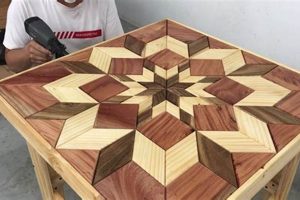
The concept encompasses inventive concepts and strategies for presenting and marketing handcrafted wooden items at events designed to showcase artisanal creations. These events provide opportunities for woodworkers to display their skills, connect with potential customers, and generate revenue through direct sales.
Effective participation in these markets is crucial for independent woodworkers seeking to establish a brand presence, gain valuable feedback on their products, and build a sustainable business. Historically, craft shows have served as a primary avenue for artisans to reach a broader audience, fostering a direct connection between creator and consumer and contributing to the preservation of traditional woodworking techniques.
The following sections will explore specific product offerings suitable for such venues, effective booth design principles, marketing strategies to attract visitors, and logistical considerations for successful event participation, with the aim of maximizing visibility and sales opportunities.
Strategies for Craft Fair Success
The following provides actionable guidance to enhance presence and profitability at woodworking exhibitions. Implementation of these measures can significantly improve engagement and sales.
Tip 1: Product Diversification. Offer a range of items catering to various price points. Smaller, easily portable pieces can attract impulse purchases, while larger, more elaborate works demonstrate craftsmanship and attract serious buyers.
Tip 2: Booth Presentation. Design a visually appealing booth layout. Utilize vertical space with shelving and displays to maximize visibility. Ensure adequate lighting to highlight the details of the wooden items.
Tip 3: Targeted Marketing. Promote participation in the craft show via social media and email marketing. Highlight unique pieces and offer pre-show discounts to incentivize attendance at the booth.
Tip 4: Engage with Visitors. Be prepared to discuss the woodworking process and the materials used. Sharing the story behind each piece fosters connection and adds value in the customer’s eyes.
Tip 5: Payment Flexibility. Accept multiple forms of payment, including credit cards and digital payment options. This removes barriers to purchase and increases potential sales volume.
Tip 6: Business Cards and Contact Information. Always have business cards readily available for distribution. Include a website or social media handle to allow customers to follow up after the event.
Tip 7: Packaging and Presentation. Provide attractive packaging for purchased items. This enhances the perceived value of the product and ensures a positive customer experience.
Strategic application of these techniques can noticeably improve engagement, customer perception, and overall revenue generation at woodworking craft events.
The subsequent section will address potential challenges and mitigation strategies.
1. Product Versatility

Product versatility, in the context of woodworking exhibitions, refers to the range of items a craftsman offers to appeal to a diverse customer base. This approach acknowledges varying budgets, aesthetic preferences, and functional needs among attendees, thereby maximizing sales opportunities.
- Price Point Stratification
Offering a spectrum of products from low-cost keychains and ornaments to high-end furniture and sculptural pieces allows the vendor to capture both impulse purchases and significant investments. This stratification mitigates the risk of limiting sales to a specific financial bracket and diversifies the customer base.
- Functional Diversity
A product line that includes both decorative items, such as carved figurines and wall art, alongside functional pieces, like cutting boards, bowls, and small tables, broadens appeal. This variety caters to customers seeking aesthetic enhancements and those looking for practical additions to their homes.
- Material Exploration
Incorporating various types of wood hardwoods, softwoods, reclaimed lumber can attract different clientele. Some customers may appreciate the durability of hardwoods, while others are drawn to the rustic aesthetic of reclaimed wood. This flexibility demonstrates resourcefulness and caters to diverse tastes.
- Skillset Display
The presentation of diverse products serves as a portfolio of capabilities, showcasing the breadth of the artisan’s woodworking skills. By displaying a wide range of techniques, from intricate carving to precise joinery, the craftsman reinforces their credibility and expertise.
The strategic implementation of product versatility at woodworking exhibitions increases the likelihood of engaging a wider audience, driving sales volume, and establishing a lasting presence in the craft market. This holistic approach is essential for independent woodworkers seeking sustainable success in competitive environments.
2. Booth Aesthetics

The visual appeal of a vendor’s display is integral to successful woodworking craft show participation. Booth aesthetics directly influence customer perception and purchasing behavior. A well-designed booth functions as a silent salesperson, attracting attendees and communicating the quality and value of the handcrafted items. The presentation can, therefore, be directly linked to the conversion of interest into sales. For instance, a booth showcasing rustic furniture benefits from natural lighting and complementary earth-toned backdrops, while a display featuring intricately carved pieces may require focused spotlighting to accentuate detail. In both scenarios, thoughtful design enhances the perceived worth of the merchandise.
Effective booth design incorporates strategic use of space, lighting, and display fixtures. Vertical displays maximize limited square footage, preventing a cluttered or overwhelming appearance. Signage should be clear, concise, and aesthetically consistent with the overall brand. Consider the path of customer flow within the booth; arrange items to encourage exploration and facilitate interaction. The use of props can also create a mood that resonates with the target customer. For example, a booth showcasing wooden toys might incorporate whimsical elements, whereas a booth featuring high-end wooden bowls might employ minimalist displays.
Neglecting booth aesthetics can undermine the perceived value of even the most skillfully crafted woodworking. An unorganized, poorly lit, or visually unappealing display can deter potential customers, regardless of the craftsmanship demonstrated in the products. Prioritizing the booth’s visual appeal is, therefore, a critical investment in realizing the full potential of woodworking craft show participation, contributing directly to the overall success of this marketing endeavor.
3. Marketing Reach

Marketing reach constitutes a critical element in maximizing the success of woodworking exhibitions. The ability to effectively promote participation in these events directly impacts foot traffic to a vendor’s booth, thereby influencing potential sales and brand visibility. In essence, a comprehensive marketing strategy expands the sphere of influence beyond the physical confines of the show, ensuring that potential customers are aware of the artisan’s presence. Without sufficient marketing, even the most skilled woodworker risks limited exposure, potentially leading to disappointing results.
Effective marketing incorporates a multi-faceted approach. Social media platforms offer avenues to showcase products, provide behind-the-scenes glimpses of the crafting process, and announce show participation. Email marketing to existing customers and targeted demographic groups alerts them to opportunities for viewing and purchasing handcrafted items. Local advertising, whether through print media or community bulletin boards, can draw in attendees from the surrounding area. Pre-show promotions, discounts, or contests can incentivize visits to the vendor’s booth. All these tactics coalesce to amplify awareness, generating interest and driving attendance.
The practical significance of a robust marketing reach is evident in its direct correlation with increased sales. A well-promoted presence generates a higher volume of booth visitors, leading to enhanced opportunities for engagement and conversion. Furthermore, strategic marketing contributes to brand building, solidifying recognition and loyalty. While exceptional woodworking skills are fundamental, they are best leveraged through effective promotion. Ultimately, integrating “marketing reach” into “woodworking craft show ideas” represents an investment in long-term sustainability and market penetration. The challenge lies in optimizing these efforts for efficiency and measurable results, ensuring the target audience is effectively engaged and that the marketing spend yields a significant return in terms of booth traffic and sales volume.
4. Customer Engagement

Customer engagement constitutes a pivotal aspect of successful woodworking craft show participation. The direct interaction between artisan and potential buyer provides a unique opportunity to establish a connection, communicate the value of handcrafted items, and ultimately drive sales. This engagement transcends mere transaction; it involves conveying the story, skill, and passion invested in each piece. The ability to effectively engage customers is, therefore, a critical differentiator for woodworkers operating in a competitive market. Conversely, a lack of engagement can result in missed opportunities, diminished brand recognition, and reduced revenue.
Practical implementation of customer engagement involves several strategies. Knowledgeable staff who can articulate the wood selection process, construction techniques, and artistic inspiration behind each piece are essential. Active listening to customer needs and preferences allows for personalized recommendations and fosters a sense of connection. Demonstrations of woodworking techniques, when feasible, provide insight into the craftsmanship involved and generate interest. Furthermore, a welcoming and approachable demeanor encourages interaction and promotes a positive experience. For instance, a woodworker who explains the unique properties of a specific wood used in a cutting board, highlighting its durability and suitability for culinary purposes, is more likely to establish rapport and close a sale than one who simply presents the item without explanation.
In conclusion, effective customer engagement transforms a simple transaction into a memorable experience, fostering customer loyalty and promoting positive word-of-mouth referrals. While exceptional woodworking skills are fundamental, they are best leveraged through meaningful interaction with potential buyers. Integrating customer engagement as a core element of woodworking exhibitions enhances the probability of sales, solidifies brand recognition, and contributes to the overall success and sustainability of the enterprise. The challenge lies in cultivating genuine interaction rather than superficial sales tactics, ensuring that the customer feels valued and connected to the artisan’s craft.
5. Payment Accessibility

Payment Accessibility, in the context of woodworking craft shows, refers to the ease and range of methods by which customers can remit funds for purchased items. This facet directly influences sales volume and customer satisfaction, serving as a critical determinant of success for woodworkers participating in such events.
- Cash Acceptance
While digital payment methods have gained prominence, the acceptance of cash remains essential. Many attendees, particularly at local or community-based shows, may prefer or exclusively use cash. Refusal to accept cash can alienate potential customers and limit transaction opportunities. Example: A customer intending to purchase a small wooden toy may abandon the purchase if the vendor only accepts electronic payment.
- Credit and Debit Card Processing
Offering credit and debit card payment options expands the customer base significantly. Many individuals prefer to use cards for tracking expenses or earning rewards points. Mobile card readers, readily available and affordable, enable small businesses to process card payments efficiently. Implications: A customer considering a larger purchase, such as a piece of wooden furniture, is more likely to proceed if card payment is accepted.
- Digital Payment Platforms
Integration with digital payment platforms like PayPal, Venmo, and Apple Pay caters to tech-savvy customers and provides a convenient alternative to cash or card payments. These platforms often offer secure and rapid transaction processing. Real-world relevance: Younger demographics frequently rely on digital wallets and may be disinclined to carry cash, making digital payment acceptance essential for attracting this customer segment.
- Point-of-Sale (POS) Systems
Utilizing a comprehensive POS system streamlines payment processing and inventory management. These systems can integrate with various payment methods, track sales data, and generate reports, enhancing operational efficiency. Implication: A POS system can help identify popular items, track revenue trends, and optimize pricing strategies for future woodworking craft shows, based on payment method preferences and sales data.
The strategic implementation of diverse and accessible payment options is paramount for woodworkers participating in craft shows. By accommodating a range of preferences, artisans can eliminate potential barriers to purchase, maximize sales opportunities, and enhance the overall customer experience, ultimately contributing to the long-term success of their woodworking enterprises.
Frequently Asked Questions
The following addresses common inquiries regarding effective strategies for maximizing success at woodworking craft shows. These questions and answers are designed to provide clear and actionable guidance for artisans seeking to enhance their presence and profitability.
Question 1: What types of woodworking products are most likely to attract attention and generate sales at craft shows?
A diverse product range caters to a broader customer base. Items spanning various price points, from smaller impulse purchases to larger investment pieces, are advisable. Functional items such as cutting boards and bowls, alongside decorative pieces such as sculptures or wall art, typically garner interest.
Question 2: What constitutes an effective booth design for a woodworking craft show?
An effective design prioritizes visual appeal and accessibility. Vertical displays maximize space, adequate lighting highlights product details, and clear signage communicates the brand. The layout should encourage customer flow and interaction.
Question 3: How can a woodworker effectively market their participation in a craft show?
Strategic marketing involves utilizing social media platforms to showcase products and announce show participation. Email marketing targets existing customers, while local advertising broadens reach. Pre-show promotions and discounts can incentivize attendance.
Question 4: What are the key elements of customer engagement at a woodworking craft show?
Effective engagement involves knowledgeable staff capable of articulating the woodworking process and the unique qualities of each piece. Active listening to customer needs and demonstrating woodworking techniques, when feasible, foster connections.
Question 5: What payment options should a woodworker offer at a craft show?
Offering a range of payment options, including cash, credit and debit cards, and digital payment platforms like PayPal and Venmo, eliminates potential barriers to purchase and accommodates diverse customer preferences.
Question 6: How can a woodworker address potential challenges related to weather conditions or booth logistics at a craft show?
Preparation is critical. Securing a covered booth or having weather-resistant covers for products can mitigate the impact of inclement weather. Transporting items efficiently and having backup supplies readily available ensures smooth operation. Adequate staffing can address logistical issues promptly.
The information provided offers fundamental insights into optimizing woodworking craft show participation. Consistent implementation of these strategies can contribute to enhanced sales, brand recognition, and overall success.
The next section will delve into case studies illustrating successful implementations of these strategies.
Conclusion
This exposition has illuminated fundamental principles for maximizing success in the arena of woodworking exhibitions. The concepts delineated product diversification, booth aesthetics, targeted marketing, customer engagement, and payment accessibility represent core pillars for optimizing vendor performance at such events. Mastery of these strategies enables artisans to effectively showcase their skills, attract a wider customer base, and generate substantial revenue.
The effective implementation of woodworking craft show ideas is paramount for independent woodworkers seeking to establish a sustainable business, build brand recognition, and foster lasting connections with their clientele. Embracing these principles positions artisans for continued success within the dynamic landscape of craft fairs and artisan markets.