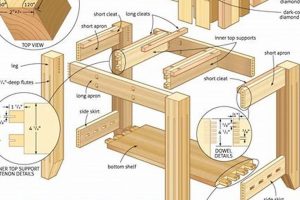
Crafting functional and aesthetically pleasing elements for food preparation and dining spaces through the skilled manipulation of timber defines a specific category of home improvement. This encompasses a wide array of constructions, ranging from custom cabinetry and shelving to handcrafted countertops and islands. A tangible illustration involves the creation of bespoke drawers tailored to accommodate specific kitchen utensils, maximizing storage efficiency and visual appeal.
The advantages of this approach are multifaceted. It allows homeowners to precisely tailor their culinary environment to their individual needs and preferences, resulting in enhanced usability and optimized workflow. Historically, skilled artisans have employed timber to create enduring and beautiful spaces, reflecting both regional styles and innovative design trends. The resultant pieces often contribute significantly to the property’s overall value and character, reflecting a commitment to quality craftsmanship.
Subsequent sections will delve into specific aspects of creating furniture and structures within a culinary setting. Discussions will include considerations for material selection, jointing techniques, surface treatments, and design principles pertinent to ensuring both structural integrity and enduring aesthetic appeal. Practical guidelines and illustrative examples will provide a framework for undertaking such endeavors successfully.
Considerations for Woodworking in Kitchen Environments
Successful integration of crafted elements into a culinary space necessitates meticulous planning and execution. Several critical factors warrant careful consideration to ensure both longevity and functionality.
Tip 1: Material Selection is Paramount: Opt for hardwoods such as maple, oak, or cherry due to their inherent durability and resistance to moisture. Avoid softer woods prone to denting or excessive water absorption. Consider sustainably sourced lumber to minimize environmental impact.
Tip 2: Precise Measurement and Planning: Prioritize accurate measurements to ensure seamless integration with existing structures. Utilize detailed blueprints or 3D models to visualize the final product and anticipate potential challenges.
Tip 3: Employ Robust Jointing Techniques: Mortise-and-tenon, dovetail, or dado joints offer superior strength and stability compared to simpler butt joints. Select the appropriate joint type based on the specific application and load-bearing requirements.
Tip 4: Prioritize Moisture Resistance: Apply multiple coats of a durable, water-resistant finish, such as polyurethane or epoxy resin. Seal all exposed edges and joints to prevent moisture penetration and subsequent warping or decay.
Tip 5: Hardware Selection Matters: Choose high-quality hinges, drawer slides, and knobs or pulls designed for kitchen environments. Stainless steel or brushed nickel hardware offers superior corrosion resistance and aesthetic appeal.
Tip 6: Ergonomic Considerations: Design countertops and work surfaces at appropriate heights to minimize strain and maximize comfort during food preparation. Optimize storage solutions for ease of access and efficient workflow.
Tip 7: Code Compliance and Safety: Ensure all constructions adhere to local building codes and safety regulations. Pay particular attention to electrical wiring, plumbing connections, and ventilation requirements.
Adherence to these guidelines will contribute significantly to the creation of durable, functional, and aesthetically pleasing timber constructions suitable for the demands of a culinary environment.
The concluding section will provide insights into maintaining and preserving these creations, ensuring their continued beauty and utility for years to come.
1. Material Durability

The longevity and performance of culinary structures are inextricably linked to the inherent properties of the timber employed. The selection of a material possessing adequate resilience is paramount in mitigating the detrimental effects of moisture, temperature fluctuations, and physical wear, thereby ensuring the prolonged usability and aesthetic appeal of the project.
- Resistance to Moisture Intrusion
Inherent wood density and cell structure directly influence the rate of moisture absorption. Dense hardwoods, such as maple or oak, exhibit superior resistance to water infiltration compared to softer woods like pine or fir. Consequently, they are less prone to warping, swelling, or fungal decay critical considerations in environments characterized by elevated humidity and potential water exposure.
- Hardness and Abrasion Resistance
The Janka hardness scale quantifies a timber’s resistance to indentation and wear. Materials with higher Janka ratings withstand daily use and abrasion more effectively, preserving surface integrity and minimizing the need for frequent refinishing. Countertops, for instance, benefit significantly from the selection of a durable species capable of withstanding the impact of utensils and the abrasion of cleaning agents.
- Dimensional Stability
Dimensional stability refers to a material’s capacity to maintain its shape and size despite changes in ambient conditions. Timbers with minimal expansion and contraction coefficients minimize the risk of joint failure, cracking, or distortion. Kiln-dried hardwoods typically exhibit greater dimensional stability than air-dried softwoods, making them a preferred choice for intricate joinery and precise fitting.
- Resistance to Chemical Degradation
Culinary environments often expose surfaces to various cleaning agents, food acids, and oils. Certain timber species possess natural compounds that enhance their resistance to chemical attack. The application of appropriate protective finishes further mitigates the risk of staining, etching, or discoloration, preserving the material’s appearance and structural integrity.
These facets collectively underscore the critical role of material durability in ensuring the long-term viability of construction intended for a culinary setting. The careful consideration of moisture resistance, hardness, dimensional stability, and chemical resilience directly translates to reduced maintenance, prolonged service life, and sustained aesthetic value.
2. Joint Integrity

The long-term stability and functionality of culinary structures, ranging from cabinetry to islands, are inextricably linked to the integrity of their joinery. Deficiencies in joint construction directly compromise the structural soundness of timber elements, leading to premature failure and diminished utility. The selection and execution of appropriate jointing techniques are therefore critical to ensuring the durability and longevity of constructions within a culinary setting.
Instances of poorly executed joinery manifest in various forms. Undersized dovetails in drawer boxes, for example, are prone to separation under repetitive stress, rendering the drawer unusable. Similarly, inadequate mortise-and-tenon joints in cabinet frames may exhibit racking or instability, compromising the structural integrity of the entire unit. Furthermore, simple butt joints, lacking mechanical interlocking, are wholly unsuitable for load-bearing applications within this setting, often failing under minimal stress. The incorporation of robust, properly fitted joints such as dovetails, mortise-and-tenons, or dadoes provides the necessary strength and rigidity to withstand the rigors of daily use.
In summary, the preservation of structural integrity within constructions necessitates meticulous attention to joint design and execution. Selecting appropriate joint types based on anticipated loads and utilizing precise fitting techniques are essential for mitigating the risk of failure. Adherence to these principles translates to enhanced durability, prolonged service life, and ultimately, a more robust and functional environment. Overlooking this crucial component compromises the entire endeavor, regardless of material quality or aesthetic considerations.
3. Finish Protection

The application of protective coatings to carpentry constitutes a critical phase in the creation of durable and aesthetically pleasing elements in a culinary environment. These coatings serve as a primary defense against a range of environmental factors inherent to the kitchen space, directly influencing the longevity and appearance of timber constructions.
- Resistance to Moisture and Liquid Penetration
Coatings such as polyurethane, varnish, or lacquer form a barrier that prevents water and other liquids from penetrating the wood fibers. This protection is essential in preventing warping, swelling, and the growth of mold or mildew, common issues in areas prone to spills and high humidity. For example, countertops and cabinets adjacent to sinks require robust finishes to withstand frequent exposure to water.
- Resistance to Chemical Degradation
The culinary environment often involves exposure to acidic foods, cleaning agents, and solvents. Protective finishes act as a shield against these substances, preventing staining, etching, and discoloration of the timber surface. For instance, a durable finish on a timber island can resist staining from spilled wine or acidic fruit juices, maintaining its original appearance.
- Abrasion Resistance and Scratch Prevention
Daily use of surfaces inevitably leads to wear and tear, including scratches and abrasions from utensils, pots, and pans. Hard, durable finishes provide a layer of protection against these types of damage, preserving the surface’s smoothness and aesthetic appeal. A well-finished countertop, for example, can withstand the repetitive sliding of objects without sustaining visible scratches.
- UV Protection and Color Stability
Exposure to sunlight can cause fading and discoloration of unprotected timber over time. Some finishes contain UV inhibitors that help to minimize this effect, preserving the wood’s original color and preventing unsightly changes. This is particularly important for constructions located near windows, where prolonged sun exposure is unavoidable.
The careful selection and application of appropriate protective coatings is paramount in ensuring the long-term integrity and aesthetic appeal of structures. The choice of finish should be guided by the specific demands of its location and intended use, balancing the need for durability with the desired aesthetic qualities. A properly protected piece will withstand the rigors of daily use, maintaining its beauty and functionality for years to come.
4. Ergonomic Design

Ergonomic design within carpentry directly addresses the interaction between individuals and their environment, seeking to optimize comfort, efficiency, and safety. Within the context of structures for food preparation and dining, ergonomic considerations are paramount to ensuring a functional and user-friendly space. These principles guide the dimensions, layout, and features of cabinetry, work surfaces, and storage solutions.
- Optimized Countertop Heights
Standard countertop heights often fail to accommodate individuals of varying statures, leading to discomfort and strain during prolonged use. Ergonomic design dictates the determination of optimal work surface heights based on individual measurements and primary tasks. For example, a taller individual might benefit from a raised countertop section for kneading dough, while a shorter person may require a lower surface for chopping vegetables. Custom carpentry enables precise tailoring of countertop heights to minimize back strain and promote efficient workflow.
- Accessible Storage Solutions
Conventional cabinet designs frequently feature inaccessible shelves and awkwardly positioned storage compartments, requiring excessive reaching, bending, or stretching. Ergonomic planning prioritizes the placement of frequently used items within easy reach, minimizing physical exertion and potential injury. Pull-out shelves, drawer organizers, and vertically adjustable shelving systems enhance accessibility and maximize storage efficiency. For example, installing a pull-out spice rack near the cooktop streamlines meal preparation and reduces unnecessary movement.
- Strategic Task Lighting
Inadequate lighting can contribute to eye strain, fatigue, and an increased risk of accidents. Ergonomic design emphasizes the incorporation of task-specific lighting to illuminate work surfaces and eliminate shadows. Under-cabinet lighting provides focused illumination for chopping, slicing, and other food preparation tasks, while recessed lighting offers ambient illumination for overall visibility. Proper lighting placement and intensity enhance safety and improve visual comfort.
- Efficient Workflow Triangles
The traditional work triangle, connecting the sink, refrigerator, and cooktop, forms the cornerstone of efficient layout. Ergonomic design refines this concept by optimizing the distances between these key elements and minimizing obstructions to movement. Streamlined layouts reduce unnecessary steps and promote a fluid, intuitive workflow. For instance, positioning the dishwasher adjacent to the sink and incorporating a landing zone facilitates efficient dishwashing and minimizes the risk of dropped items.
These ergonomic considerations demonstrate the profound impact of thoughtful design on the functionality and usability of food preparation areas. Tailoring features to individual needs and optimizing workflow patterns enhances comfort, reduces strain, and promotes a more enjoyable and efficient experience.
5. Space Optimization
Space optimization constitutes a critical driver in the design and execution of culinary woodworking endeavors. The inherent limitations of many kitchen environments necessitate careful planning to maximize utility and functionality within a defined footprint. Woodworking offers tailored solutions to address these spatial constraints, transforming underutilized areas into efficient and aesthetically pleasing components of the home.
The impact of space optimization on carpentry is multifaceted. Consider a small urban apartment where conventional cabinetry would overwhelm the available area. Custom-built, floor-to-ceiling shelving, crafted through woodworking, can provide ample storage without compromising floor space. Similarly, a narrow island with integrated drawers and a fold-out extension can serve as both a food preparation surface and a dining area, adapting to different needs as required. In larger kitchens, woodworking enables the creation of custom pantries with adjustable shelving and specialized compartments for appliances, optimizing storage capacity and accessibility. These applications represent tangible examples of how thoughtful design can yield significant improvements in functionality and spatial efficiency. Space optimization can address challenges such as clutter and poor traffic flow, and that will directly improve efficiency.
In conclusion, woodworking provides a versatile toolkit for optimizing spatial resources. The ability to customize dimensions, configurations, and storage solutions empowers homeowners to create culinary environments that are both functional and visually appealing, irrespective of the available square footage. Effective space optimization through thoughtful carpentry enhances the enjoyment and utility of the area, demonstrating the synergy between design ingenuity and practical application.
6. Code Compliance
The integration of woodworking into culinary environments mandates adherence to local building codes, establishing a crucial link between design intent and practical implementation. These codes dictate minimum standards for safety, structural integrity, and accessibility, directly influencing the design and execution of structures. Non-compliance can result in project delays, costly modifications, or, in severe cases, legal ramifications. The selection of materials, joinery methods, and installation techniques must align with these regulations to ensure a safe and habitable space.
Specifically, electrical codes govern the placement of outlets and wiring within cabinetry or islands, mitigating the risk of electrical hazards. Plumbing codes dictate the proper installation of water lines and drainage systems for sinks and dishwashers integrated into structures. Fire safety codes may mandate the use of fire-resistant materials or specific construction techniques in proximity to cooking appliances. Structural codes dictate load-bearing requirements for countertops and shelving, ensuring stability and preventing collapse. Consider the installation of a kitchen island; electrical outlets are required at specific intervals along the countertop, and plumbing connections must be properly vented to prevent sewer gas leaks. These measures are not optional enhancements but legally mandated requirements.
In conclusion, code compliance represents an indispensable component of any construction or renovation involving timber within a culinary setting. Overlooking these regulations, regardless of aesthetic aspirations or budgetary constraints, undermines the project’s integrity and compromises the safety of its occupants. Prioritizing code compliance not only ensures legal conformity but also promotes a safer, more functional, and more durable environment.
7. Aesthetic Integration

The successful incorporation of crafted carpentry into a culinary environment extends beyond mere functionality and structural integrity. Aesthetic integration, the harmonious blending of form, material, and finish, is a critical determinant of the overall ambiance and visual appeal of the space. It represents the culmination of design choices, reflecting a deliberate effort to create a cohesive and visually pleasing environment.
- Material Palette Harmony
The selection of wood species, finishes, and hardware directly influences the visual coherence of the completed carpentry. Harmonizing timber tones, grain patterns, and hardware finishes with existing architectural elements and color schemes creates a unified and aesthetically pleasing environment. For example, employing warm-toned cherry cabinetry in a kitchen with earth-toned tiling and bronze hardware fosters a sense of warmth and continuity.
- Architectural Style Consistency
Carpentry styles should complement the overall architectural character of the dwelling. Contemporary homes may benefit from clean-lined, minimalist cabinetry constructed from light-toned hardwoods, while traditional homes may be better suited for ornate designs crafted from darker woods with intricate detailing. Maintaining stylistic consistency ensures visual harmony and prevents jarring incongruities.
- Countertop and Backsplash Coordination
The integration of countertops and backsplashes with custom carpentry is essential for achieving a cohesive aesthetic. The selection of materials, colors, and textures for these surfaces should complement the cabinetry, creating a unified visual plane. For instance, pairing a light-colored granite countertop with dark-stained cabinetry creates a striking contrast, while matching a butcher block countertop with natural wood cabinetry provides a seamless, organic aesthetic.
- Lighting Integration
Thoughtfully integrated lighting enhances the aesthetic appeal of carpentry and accentuates its architectural details. Under-cabinet lighting illuminates work surfaces and highlights the texture of the timber, while strategically placed pendant lights draw attention to focal points such as islands or custom range hoods. Proper lighting placement can transform the visual impact of cabinetry, creating a more inviting and functional space.
These facets collectively demonstrate that aesthetic integration is not merely an afterthought but a fundamental principle of design. The deliberate blending of materials, styles, and lighting transforms functional carpentry into a cohesive and visually appealing environment, enhancing the overall quality and value of the culinary space.
Frequently Asked Questions
The following section addresses common inquiries regarding the creation and implementation of timber constructions within a culinary environment. These questions aim to clarify key considerations and dispel potential misconceptions.
Question 1: What timber species offer optimal durability for countertops?
Hardwoods such as maple, oak, walnut, and cherry exhibit superior resistance to moisture, abrasion, and impact, making them suitable choices for countertop applications. Softer woods, such as pine or fir, are generally not recommended due to their susceptibility to denting and water damage.
Question 2: What jointing techniques are recommended for cabinetry construction?
Dovetail joints, mortise-and-tenon joints, and dado joints provide exceptional strength and stability for cabinetry frames and drawers. These techniques offer mechanical interlocking, distributing stress and preventing joint failure under load. Simple butt joints are generally inadequate for load-bearing applications.
Question 3: What type of finish provides the best protection against moisture and chemical damage?
Polyurethane, epoxy resin, and conversion varnish finishes offer superior resistance to moisture, solvents, and acids commonly found in culinary environments. Multiple coats are recommended to ensure adequate protection and longevity. Regular maintenance and cleaning are also essential.
Question 4: What countertop height is considered ergonomically optimal?
Optimal countertop height varies based on individual stature and intended use. A general guideline suggests a height of 36 inches for standing tasks, but custom heights can be tailored to minimize back strain and maximize comfort. Separate work zones with varying heights can further enhance ergonomic efficiency.
Question 5: How can I maximize storage space in a small culinary environment?
Vertical storage solutions, such as floor-to-ceiling shelving and pull-out pantries, can significantly expand storage capacity without compromising floor space. Drawer organizers, adjustable shelves, and specialized compartments for appliances can further optimize storage efficiency.
Question 6: Are there specific building code requirements for electrical outlets installed in custom islands?
Yes, electrical codes typically mandate the installation of ground fault circuit interrupter (GFCI) outlets at specific intervals along countertops, including those in islands. These outlets are designed to prevent electrical shock in wet environments and must be installed by a qualified electrician.
In summary, constructing elements requires careful consideration of material selection, joinery techniques, finish protection, ergonomic design, space optimization, and code compliance. Adhering to these principles will ensure both the functionality and longevity of your creations.
Subsequent resources will address the specific tools and techniques required for successful fabrication.
Conclusion
This exploration has illuminated the multifaceted considerations inherent in crafting wooden structures for food preparation and dining environments. Durability, joint integrity, finish protection, ergonomic design, space optimization, code compliance, and aesthetic integration stand as paramount factors influencing the longevity, functionality, and visual appeal of completed endeavors. Attention to these details transforms raw materials into enduring, practical, and aesthetically harmonious components of a culinary space.
The responsible and informed application of woodworking principles offers a pathway to creating bespoke culinary environments tailored to individual needs and preferences. Continued adherence to established standards of craftsmanship, combined with a commitment to innovation and sustainable practices, will ensure the enduring legacy and significance of these efforts within the landscape of home design and construction.