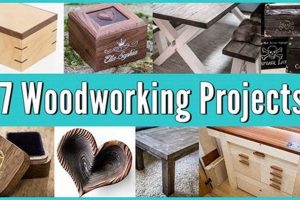
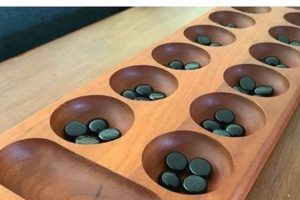
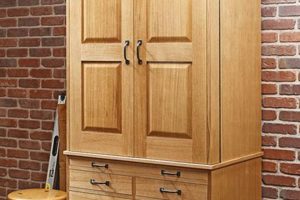
Handcrafted items created from wood and intended as presents for newly married couples represent a thoughtful and personalized approach to gift-giving. These items range from simple, functional pieces like cutting boards to more elaborate and decorative objects such as personalized signs or keepsake boxes. The act of making something by hand adds a sentimental value that mass-produced gifts often lack.
Presenting a couple with a woodworking creation offers several advantages. Such gifts demonstrate the giver’s time and effort, reflecting a higher degree of care and consideration. Furthermore, wood, as a natural material, lends itself to both rustic and modern aesthetics, ensuring that the offering can seamlessly integrate into various home dcor styles. Historically, handcrafted items have symbolized enduring value and commitment, aligning well with the sentiments associated with marriage.
The subsequent sections will explore specific examples of creations suitable as marital presents, considering factors such as skill level required for crafting, necessary tools, and personalization options. These detailed examples provide insight into the range of possibilities available when selecting or creating a woodworking present.
Essential Considerations for Handcrafted Nuptial Presents
The creation of wooden objects intended as offerings for a marital celebration requires careful planning and execution. Adherence to the following guidelines will enhance the quality and appropriateness of the finished product.
Tip 1: Material Selection: Employ hardwoods such as maple, walnut, or cherry for durability and aesthetic appeal. Avoid softwoods like pine, which are prone to dents and scratches. Ensure the wood is properly seasoned to prevent warping or cracking post-construction.
Tip 2: Joint Strength: Utilize robust joinery techniques such as mortise and tenon, dovetails, or strong dowel joints to ensure the longevity of the creation. Weak joints can compromise the structural integrity of the piece over time.
Tip 3: Surface Finishing: Apply a durable, food-safe finish to items intended for kitchen use, such as cutting boards or serving trays. Consider options like mineral oil, beeswax, or a polyurethane finish designed for food contact. Multiple coats may be necessary for optimal protection.
Tip 4: Personalization Techniques: Incorporate custom elements through engraving, carving, or wood burning to add a personalized touch. Consider the couple’s names, wedding date, or a meaningful quote. Precision and attention to detail are crucial for aesthetically pleasing results.
Tip 5: Design Cohesion: Ensure the selected design aligns with the couple’s aesthetic preferences. Consider their home decor style and color palette. A gift that complements their existing furnishings will be more appreciated.
Tip 6: Functional Considerations: Prioritize practicality in the design. A visually appealing item that lacks utility may not be as well-received. Consider the couple’s lifestyle and choose items that serve a purpose in their daily lives.
Tip 7: Presentation Matters: Pay attention to the packaging and presentation of the offering. A well-wrapped gift enhances the overall experience. Consider a handcrafted box or a personalized tag to complement the item.
Proper material selection, robust joinery, appropriate finishing, personalized details, and cohesive design contribute to a lasting and cherished marital present. Careful consideration of these factors will result in a gift that embodies both craftsmanship and sentiment.
The subsequent sections will delve into specific project ideas, providing step-by-step guidance for creating impressive and memorable offerings.
1. Material Durability

Material durability is paramount in crafting wooden items intended as marital gifts. The selection of wood directly influences the longevity and resilience of the creation. Hardwoods, such as maple, walnut, and cherry, possess inherent density and resistance to wear, making them suitable for items designed for frequent use or display. The causal relationship is clear: selecting durable materials leads to an enduring product, while choosing inferior materials results in a gift that may degrade rapidly.
The significance of material durability becomes evident when considering the purpose of a wedding gift. These items are often intended as keepsakes or functional objects that symbolize the couple’s commitment and the giver’s well wishes. A cutting board crafted from a durable hardwood can withstand years of use in the kitchen. Conversely, a decorative box constructed from a softwood like pine may be prone to scratches, dents, and warping, diminishing its aesthetic appeal and sentimental value over time. This illustrates how material selection directly affects the practicality and longevity of the wooden creation.
Understanding the practical implications of material durability is crucial for both the artisan and the recipient. By prioritizing robust materials, the craftsperson ensures the longevity of the gift, thereby honoring the occasion and the relationship. While the initial cost of hardwoods may be higher, the long-term value and durability far outweigh the expense. The challenges associated with poor material selection, such as premature wear and tear, ultimately undermine the intention behind the gift, highlighting the indispensable role of material durability in crafting meaningful and lasting tokens of celebration.
2. Joint Strength
Joint strength represents a critical factor in the enduring quality of woodworking projects intended as wedding gifts. The connection between a robust joint and the overall value of the marital offering is one of structural integrity and longevity. A weak joint will compromise the entire piece, regardless of the material quality or design aesthetics. The effect of deficient joint construction ranges from minor instability to complete structural failure, rendering the gift unusable or unsightly over time. Thus, the investment in proper jointing techniques directly correlates with the lifespan and perceived worth of the handcrafted present. For example, a poorly dovetailed drawer in a keepsake box may separate with regular use, diminishing the box’s functionality and visual appeal, thereby undermining its value as a cherished item.
Various jointing methods, each suited to specific applications, contribute to the overall structural integrity of woodworking items. Mortise and tenon joints, dovetail joints, and properly executed dowel joints all offer significant strength advantages. The choice of joint must align with the intended use and stress points of the finished piece. A dining table, for instance, requires exceptionally strong leg-to-tabletop connections, favoring mortise and tenon or reinforced bracket systems. In contrast, a small jewelry box might utilize simpler mitered or rabbeted joints, provided they are securely glued and reinforced. The selection and execution of appropriate jointing methods serve as the foundation for a durable and functional woodworking creation, reinforcing the intent behind the marital gift.
In summary, joint strength represents an indispensable element in the creation of woodworking items intended as marital gifts. The connection between joint integrity and the item’s overall value is direct and unequivocal. While design and material selection contribute to the aesthetic appeal, the structural integrity established through robust jointing techniques ensures the longevity and continued functionality of the handcrafted offering. Challenges related to mastering complex jointing methods can be overcome through diligent practice and careful attention to detail, ensuring that the finished product embodies both craftsmanship and lasting value, reflecting the significance of the marital union it commemorates.
3. Finish Longevity

The durability of the surface coating applied to a handcrafted wooden object significantly impacts its long-term aesthetic and functional value, especially when the object is intended as a wedding gift. Finish longevity directly correlates with the gift’s ability to withstand environmental factors, such as moisture, UV radiation, and physical abrasion, all of which can degrade the wood over time. A robust finish protects the underlying material, preserving the initial appearance and preventing warping, cracking, or staining. Consider, for example, a wooden salad bowl presented as a wedding gift. A finish that readily absorbs moisture will lead to swelling and potential mold growth, rendering the bowl unusable and negating its sentimental value. Conversely, a durable, food-safe finish such as a properly applied mineral oil or beeswax will provide a protective barrier, ensuring the bowl remains both beautiful and functional for years to come.
The selection of an appropriate finish necessitates consideration of the wood species, intended use of the item, and desired aesthetic. Oil-based finishes, such as linseed or tung oil, penetrate the wood fibers, providing a natural look and enhancing the wood’s grain. These finishes require periodic reapplication to maintain their protective qualities. Polyurethane and varnish finishes, on the other hand, form a hard, durable coating on the surface of the wood, offering greater resistance to abrasion and moisture. These finishes are often preferred for items that will experience heavy use or exposure to the elements. The specific finish employed significantly influences the ongoing maintenance requirements of the gift. Proper application techniques, including surface preparation and multiple thin coats, are essential to maximize the finish’s lifespan and effectiveness. Furthermore, the finish affects the gift’s aesthetic appeal and overall suitability for its intended function. A high-gloss finish may be appropriate for a decorative item, while a matte finish might be preferred for a rustic or utilitarian object.
In conclusion, finish longevity constitutes a critical factor in the creation of durable and cherished wedding gifts. Challenges associated with achieving a long-lasting finish include selecting an appropriate product for the wood and intended use, mastering proper application techniques, and understanding the ongoing maintenance requirements. Overcoming these challenges ensures that the wooden gift remains a testament to the craftsmanship and thoughtfulness of the giver and the enduring commitment of the newlyweds. This element reinforces the importance of thorough planning and execution in crafting a truly meaningful marital offering.
4. Design Aesthetics

Design aesthetics represent a crucial component of woodworking projects intended as wedding gifts. The visual appeal of a handcrafted item significantly influences its reception and long-term appreciation. Aesthetic considerations extend beyond mere ornamentation; they encompass the overall form, proportion, harmony, and stylistic coherence of the piece. A well-designed woodworking project resonates with the recipients on an emotional level, conveying a sense of care, thoughtfulness, and artistry. The absence of considered design principles can result in a visually unappealing or incongruous item, diminishing its value as a cherished wedding gift. For instance, a cutting board with awkward proportions or an overly elaborate, incongruent design may fail to elicit the desired positive response, regardless of the quality of the wood or the craftsmanship involved. Conversely, a simply designed but elegantly proportioned bowl crafted from beautiful wood can become a treasured heirloom.
The application of design aesthetics extends to practical considerations within the woodworking process. For example, the selection of joinery methods can be influenced by aesthetic preferences as well as structural requirements. A dovetail joint, beyond its strength, offers a visually appealing interlocking pattern that can enhance the perceived quality of a drawer or box. Similarly, the choice of finish can impact the overall aesthetic, either highlighting the natural grain of the wood or providing a more uniform, polished appearance. Personalization techniques, such as engraving or carving, must also be integrated seamlessly into the overall design to avoid appearing as an afterthought. A personalized inscription executed with careful attention to typography and placement can elevate the aesthetic value of the gift, while a poorly executed inscription can detract from its overall appeal. Thus, aesthetic considerations must be integrated into every stage of the woodworking process, from initial design conceptualization to final finishing.
In summary, design aesthetics constitute an indispensable element in the creation of woodworking projects intended as wedding gifts. The connection between visual appeal and the gift’s overall value is undeniable. Challenges associated with incorporating design principles include balancing aesthetic preferences with functional requirements and achieving a cohesive and harmonious result. Overcoming these challenges requires a thoughtful and deliberate approach, prioritizing both visual appeal and practical considerations. The result will be a woodworking gift that embodies both craftsmanship and artistry, serving as a lasting symbol of the giver’s well wishes and the enduring commitment of the newlyweds.
5. Personalization Detail

The inclusion of specific, tailored elements within woodworking projects intended as wedding gifts elevates the item from a generic offering to a deeply meaningful keepsake. Personalization detail directly affects the perceived value and emotional resonance of the present. The cause-and-effect relationship is evident: incorporating customized features, such as the couple’s names, wedding date, or a meaningful quote, results in a gift that is uniquely suited to the recipients. For example, a handcrafted wooden sign displaying the family name and establishment year demonstrates a personal connection and signifies the beginning of their shared life. Conversely, a mass-produced item, regardless of its quality, lacks the intrinsic sentimental value of a personalized creation.
The incorporation of bespoke elements requires careful consideration of design, execution, and the couple’s preferences. Engraving, carving, and wood-burning techniques offer avenues for adding personal touches. The execution of these techniques must be precise and aesthetically pleasing to avoid detracting from the overall quality of the gift. One may consider a wooden keepsake box with an inlaid depiction of the couple’s wedding venue or a serving tray engraved with their initials and wedding date. The practical significance lies in the gift’s ability to serve as a lasting reminder of their special day and the thoughtfulness of the giver. These nuanced details communicate a level of care and effort that transcends monetary value, reinforcing the emotional connection between the giver and the recipients.
In summation, personalization detail stands as a cornerstone in transforming woodworking endeavors into cherished wedding gifts. While challenges may arise in mastering the technical aspects of customization, the resultant emotional impact and enduring value far outweigh the effort. The integration of bespoke features, tailored to the specific couple, ensures the gift resonates with personal significance and serves as a lasting testament to their union. The ultimate objective is a woodworking project that embodies both craftsmanship and heartfelt sentiment, solidifying its position as a truly unforgettable wedding present.
6. Functionality

Functionality, in the realm of handcrafted wooden items intended as marital presents, refers to the practical utility and purpose of the object in the recipients’ daily lives. It is a key determinant of the gift’s long-term value and appreciation. The inherent aesthetic appeal and sentimental meaning of the handcrafted object are significantly enhanced when coupled with demonstrable usefulness, ensuring its integration into the couple’s routine rather than mere display.
- Practical Application in Daily Life
The degree to which a wooden item serves a tangible purpose in the recipients’ daily lives directly influences its perceived value. A cutting board used regularly for meal preparation provides ongoing utility, whereas a purely decorative item may be relegated to storage. Examples of practical items include wooden salad bowls, serving trays, spice racks, and coat racks. These items, when crafted with durability and appropriate finishes, become integral parts of the household, serving as constant reminders of the giver’s thoughtfulness.
- Adaptability to Diverse Needs
A functional woodworking wedding gift should ideally possess the capacity to adapt to various needs and situations. A modular shelving unit, for instance, can be configured to fit different spaces and storage requirements. A set of nesting bowls can serve for both food preparation and serving. Items with inherent versatility demonstrate foresight on the part of the giver and increase the likelihood of continued use over time. This adaptability adds a layer of value beyond mere utility.
- Ergonomic Design and Ease of Use
The design of a functional wooden item must prioritize ease of use and ergonomic principles. A poorly designed chair, despite its aesthetic appeal, will be uncomfortable and impractical. Handles on serving trays should be appropriately sized and positioned for comfortable carrying. Cutting boards should be stable and easy to clean. Consideration of these ergonomic factors enhances the user experience and ensures that the gift is not only beautiful but also functional and enjoyable to use.
- Durability and Maintenance Requirements
A functional woodworking gift must be constructed with durability in mind and should require minimal, straightforward maintenance. A delicate item requiring specialized cleaning or prone to damage is unlikely to become a cherished possession. Selecting durable materials, employing robust joinery techniques, and applying appropriate finishes contribute to the overall longevity and practicality of the item. Clear instructions regarding care and maintenance should also be provided to ensure the recipients can properly preserve their gift.
These facets highlight that functionality is a central element in determining the success of a woodworking project intended as a wedding gift. By emphasizing practicality, adaptability, ergonomic design, and durability, the craftsperson can create an object that is both aesthetically pleasing and inherently useful, ensuring its lasting value and integration into the couple’s shared lives. A wedding gift, for example, can be designed with both beauty and practicality in mind. Functionality, therefore, should be considered as important as the beauty.
Frequently Asked Questions
The following addresses common inquiries regarding the selection, creation, and suitability of handcrafted wooden items as presents for marital celebrations.
Question 1: What wood types are most appropriate for creating durable wedding gifts?
Hardwoods, such as maple, walnut, cherry, and oak, are generally recommended for their density, resistance to wear, and aesthetic appeal. Softwoods, such as pine or fir, are more prone to dents and scratches and may not be suitable for items intended for frequent use.
Question 2: What jointing techniques offer the greatest structural integrity for woodworking wedding gifts?
Mortise and tenon joints, dovetail joints, and properly executed dowel joints provide superior strength and durability compared to simpler joints like butt joints or rabbet joints. The choice of joint should align with the anticipated stress and load on the finished piece.
Question 3: Which finishes are safe for wooden items intended for food contact?
Mineral oil, beeswax, and certain polyurethane finishes specifically formulated for food contact are generally considered safe for use on items such as cutting boards, salad bowls, and serving trays. It is imperative to verify that any finish used is certified as food-safe.
Question 4: What are effective methods for personalizing woodworking wedding gifts?
Engraving, carving, wood burning, and the incorporation of inlaid elements offer versatile options for adding personalized details, such as the couple’s names, wedding date, or a meaningful quote. The selection of a technique should align with the design and material of the project.
Question 5: How can one ensure that a woodworking wedding gift complements the couple’s existing home decor?
Consider the couple’s stylistic preferences, color palette, and the overall aesthetic of their home. Opt for designs that are versatile and adaptable, or, if possible, consult with the couple directly regarding their preferences.
Question 6: What are some practical considerations for ensuring the longevity of a woodworking wedding gift?
Employ durable materials, utilize robust joinery techniques, apply a protective finish, and provide the recipients with clear instructions regarding proper care and maintenance. Avoid exposing the item to extreme temperatures or humidity.
These responses offer guidance for creating valuable and long-lasting wedding gifts. The diligent application of these considerations will significantly enhance the quality and appropriateness of the finished product.
The following section transitions to providing specific woodworking project ideas for wedding gifts.
Conclusion
The foregoing discussion has detailed essential considerations for woodworking projects for wedding gifts. These projects, when thoughtfully conceived and meticulously executed, represent a tangible expression of care and well-wishing. Durable materials, robust joinery, appropriate finishes, design aesthetics, personalization detail, and functionality collectively contribute to a lasting and cherished memento of the marital union. The various examples and guidelines presented aim to equip craftspeople with the knowledge necessary to create meaningful and enduring offerings.
The creation of such projects extends beyond mere craftsmanship; it embodies a dedication to creating objects of lasting value and sentimental significance. Therefore, investment in quality materials, refined techniques, and personalized details remains paramount. The resulting creations serve not only as functional items but as enduring symbols of commitment and affection, enriching the lives of the recipients for years to come.