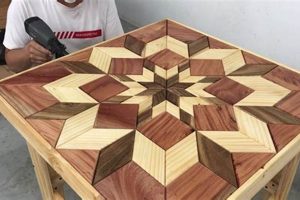
The crafting of wooden enclosures designed to hold and display images represents a specialized area within woodworking. These projects typically involve selecting appropriate lumber, cutting it to precise dimensions, joining the pieces to create a stable structure, and applying finishes to enhance both the aesthetic appeal and longevity of the completed item. Examples range from simple, rustic designs to elaborate, ornate constructions incorporating advanced joinery and decorative elements.
The creation of such items offers numerous advantages. It provides an avenue for creative expression, allowing individuals to personalize their living spaces or create unique gifts. Furthermore, the process fosters the development of woodworking skills, ranging from basic cutting and sanding to more complex techniques like mitering, routing, and carving. Historically, handcrafted enclosures for visual media have served not only as protective containers but also as artistic complements, enhancing the viewing experience.
This exploration delves into specific techniques and stylistic approaches applicable to the construction of these wooden display structures. Subsequent sections will address considerations for wood selection, joinery methods, finishing techniques, and design variations to inform the creation of visually appealing and structurally sound pieces.
Crafting Superior Wooden Display Frames
Achieving optimal results when constructing wooden display frames requires careful planning and execution. The following tips provide guidance on various aspects of the process, from material selection to finishing touches.
Tip 1: Wood Selection: Employ hardwoods such as maple, cherry, or walnut for superior durability and aesthetic appeal. Softwoods like pine are suitable for less demanding applications or when a rustic aesthetic is desired. Proper drying and acclimation of lumber is crucial to prevent warping or cracking after assembly.
Tip 2: Precision Cutting: Accurate measurements and precise cuts are paramount. Utilize a miter saw with a sharp blade to ensure clean, consistent angles, particularly for mitered corners. A slight deviation can compromise the structural integrity and visual appeal of the finished item.
Tip 3: Strong Joinery: Employ robust joinery techniques such as mitered splines, dovetails, or mortise and tenon joints to enhance the frame’s strength. Reinforce mitered corners with wood glue and clamps for a secure bond. Consider using a biscuit joiner for added alignment and stability.
Tip 4: Smooth Sanding: Thorough sanding is essential for a professional finish. Begin with coarser grits (e.g., 120-grit) to remove imperfections and progress to finer grits (e.g., 220-grit or higher) for a smooth surface. Sand with the grain to avoid unsightly scratches.
Tip 5: Finish Application: Choose a finish that complements the wood species and desired aesthetic. Options include clear coats, stains, paints, and oils. Apply multiple thin coats, allowing each coat to dry completely before applying the next. Lightly sand between coats for an exceptionally smooth surface. Ensure adequate ventilation during the finishing process.
Tip 6: Glass and Backing: Select appropriate glass or acrylic glazing to protect the displayed image. Use acid-free backing board to prevent deterioration of the image over time. Secure the image and backing board within the frame using flexible points or brads.
Tip 7: Hardware Selection: Choose appropriate hanging hardware based on the frame’s size and weight. D-rings and wire are suitable for smaller frames, while heavier frames may require sawtooth hangers or specialized mounting brackets. Ensure the hardware is securely attached to the frame.
Adherence to these guidelines will contribute significantly to the creation of wooden display frames that are both visually appealing and structurally sound. Prioritizing precision, material selection, and careful craftsmanship yields a product that enhances the displayed image and withstands the test of time.
The following sections will explore various design styles and creative embellishments that can further elevate the artistry of handcrafted wooden display frames.
1. Wood Selection

The selection of wood constitutes a foundational element in the successful execution of woodworking projects centered on creating enclosures for visual media. The characteristics inherent in diverse wood species exert a direct influence on the structural integrity, aesthetic qualities, and overall longevity of the final product. Therefore, a deliberate and informed approach to material choice is essential.
- Durability and Stability
Different wood types exhibit varying degrees of resistance to wear, moisture, and physical stress. Hardwoods like maple or oak offer superior strength and stability, making them ideal for frames intended to support substantial weight or withstand frequent handling. Conversely, softer woods such as pine may be more susceptible to damage but are often more economical for lightweight or decorative applications. The chosen wood must withstand environmental factors to preserve the frame’s structure.
- Aesthetic Characteristics
The grain pattern, color, and texture of wood significantly contribute to the visual appeal. Cherry, walnut, and mahogany are prized for their rich hues and intricate grain patterns, lending an air of elegance to the piece. Conversely, woods like birch or ash offer a lighter, more neutral palette that complements minimalist designs. Consideration of these factors ensures the frame harmonizes with the artwork it contains and the surrounding decor.
- Workability and Machinability
The ease with which a wood can be cut, shaped, and finished impacts the efficiency and precision of the crafting process. Softer woods are generally easier to work with hand tools but may require greater care to avoid splintering or denting. Hardwoods, while more challenging to shape, often hold finer details and sharper edges. Matching the wood’s properties to the intended joinery techniques and finishing processes is crucial for optimal results.
- Cost and Availability
The economic feasibility of a woodworking project is invariably tied to the cost and accessibility of the chosen material. Exotic hardwoods, such as ebony or rosewood, command premium prices and may be difficult to source. More common woods like pine or poplar offer a more budget-friendly option but may compromise on certain aesthetic or performance characteristics. Balancing cost considerations with project requirements is a key aspect of responsible material selection.
In conclusion, the selection of wood for crafting enclosures for visual media represents a multifaceted decision-making process. Factors ranging from structural integrity and aesthetic qualities to workability and cost must be carefully weighed to ensure the creation of a product that is both visually appealing and functionally sound. The thoughtful selection of material directly contributes to the overall success and enduring value of the finished article.
2. Joinery Technique

The method employed to unite the constituent pieces of a wooden display frame exerts a profound influence on its structural integrity and longevity. Joinery represents more than a mere assembly process; it constitutes a critical determinant of the frame’s ability to withstand stresses, resist warping, and maintain its aesthetic form over extended periods. Inadequate joinery invariably leads to premature failure, compromising both the displayed image and the value of the handcrafted item.
Examples abound of joinery’s pivotal role. Mitered corners, frequently favored for their clean aesthetic, necessitate precise execution and robust reinforcement. A poorly executed miter, lacking adequate adhesive or mechanical fasteners, is prone to separation, particularly under changes in humidity. Conversely, the employment of techniques such as mitered splines or dovetails at the corners significantly enhances joint strength, distributing stress across a wider surface area and preventing separation. Similarly, the use of mortise and tenon joints, while requiring greater skill to execute, provides exceptional resistance to racking forces, making them suitable for larger, heavier frames. Selecting the appropriate joinery method requires careful consideration of the frame’s size, weight, and intended environment.
The practical significance of understanding joinery techniques extends beyond structural considerations. Well-executed joints contribute to the overall aesthetic quality of the frame. Seamless transitions between pieces, achieved through precise cuts and meticulous fitting, enhance the visual appeal and create a sense of refinement. Conversely, gaps, misalignments, or visible fasteners detract from the frame’s aesthetic value and suggest a lack of craftsmanship. The ability to select and execute appropriate joinery techniques is therefore essential for creating wooden display frames that are both structurally sound and visually pleasing.
3. Surface Finishing

Surface finishing represents a critical stage in the construction of wooden enclosures for visual media, impacting both the aesthetic appeal and the protective qualities of the final article. The application of appropriate surface treatments acts as a barrier against environmental factors that can degrade the wood, while simultaneously enhancing its visual characteristics. The connection between woodworking aimed at producing picture frames and surface finishing is therefore one of direct cause and effect; without proper finishing, the raw material remains vulnerable and its aesthetic potential unrealized.
The selection of a suitable finish depends on several factors, including the type of wood employed, the desired aesthetic, and the intended environment. For example, oil-based finishes, such as linseed oil or tung oil, penetrate the wood, enhancing its natural grain and providing a warm, lustrous sheen. These finishes offer minimal protection against scratches and moisture, making them suitable for frames intended for indoor use in low-traffic areas. Conversely, varnish or lacquer finishes form a durable, protective layer on the surface of the wood, providing superior resistance to scratches, moisture, and UV radiation. These finishes are appropriate for frames destined for high-traffic areas or environments with high humidity. The choice of finish also influences the perceived style; a matte finish imparts a rustic or understated elegance, while a high-gloss finish creates a more formal and polished appearance.
In conclusion, surface finishing is an indispensable component of the crafting process of wooden picture frames. The proper execution of this stage safeguards the wood from degradation, accentuates its inherent beauty, and establishes the overall aesthetic character of the piece. Understanding the properties of different finishes and their suitability for specific applications is paramount for achieving a durable and visually compelling final product.
4. Design Style
The selection of a particular design style is integral to the creation of enclosures for visual media, fundamentally shaping the aesthetic and functional properties of the finished item. Design style encompasses a wide range of considerations, from the overall form and ornamentation to the specific materials and techniques employed, ultimately determining how effectively the enclosure complements and enhances the displayed image.
- Minimalist Design
Characterized by clean lines, simple geometric shapes, and a deliberate absence of ornamentation, minimalist design prioritizes functionality and understated elegance. Enclosures adhering to this style typically employ smooth, unadorned surfaces and neutral color palettes to avoid distracting from the displayed image. The absence of complex joinery or decorative elements emphasizes the inherent beauty of the wood itself, creating a sense of calm and sophistication.
- Rustic Design
In contrast to minimalist aesthetics, rustic design embraces imperfections, natural textures, and a sense of handcrafted authenticity. Frames crafted in this style often feature rough-sawn lumber, exposed joinery, and distressed finishes to evoke a sense of age and character. The incorporation of reclaimed wood or natural elements, such as bark or twigs, further enhances the rustic appeal, creating a connection to the natural world.
- Contemporary Design
Contemporary design represents a dynamic and evolving aesthetic that reflects current trends and innovations in woodworking. Enclosures adhering to this style may incorporate a variety of materials, including wood, metal, and glass, to create visually striking and technologically advanced designs. Experimentation with unconventional shapes, asymmetrical compositions, and bold color combinations is common, resulting in pieces that are both functional and artistic.
- Ornate Design
Ornate design emphasizes elaborate detailing, intricate carvings, and luxurious materials to create a sense of opulence and grandeur. Frames crafted in this style often feature complex moldings, gilded finishes, and inlaid ornamentation, showcasing the skill and artistry of the woodworker. The incorporation of classical motifs, such as acanthus leaves or floral patterns, further enhances the ornate appeal, creating a visual statement that is both impressive and timeless.
The choice of design style profoundly impacts the overall aesthetic and functional properties of enclosures designed for visual media. Whether minimalist, rustic, contemporary, or ornate, each style offers a unique approach to framing, allowing individuals to create pieces that reflect their personal tastes and complement the displayed image. The thoughtful consideration of design style is therefore essential for achieving a finished product that is both visually appealing and functionally appropriate.
5. Hardware Integration
Hardware integration, in the context of woodworking projects designed to create enclosures for visual media, represents a critical element for both functionality and aesthetic considerations. The selection and proper installation of hardware components directly influence the ease of use, security, and visual harmony of the finished item. This integration extends beyond mere attachment; it encompasses a thoughtful synthesis of functional necessity and design sensibility.
- Hanging Mechanisms
The choice of hanging hardware is paramount for secure and stable display. Options range from simple D-rings and picture wire to more robust sawtooth hangers or specialized mounting brackets. The selection must account for the frame’s size, weight, and the type of wall on which it will be hung. Improperly chosen or installed hanging mechanisms pose a risk of the frame detaching from the wall, potentially damaging both the frame and the displayed image. Furthermore, visible hanging hardware can detract from the overall aesthetic appeal if not carefully considered.
- Fasteners and Connectors
Fasteners, such as screws, nails, and brads, play a crucial role in securing the frame’s components. The type and size of fastener must be appropriate for the wood species and joint type to ensure a strong and durable bond. Countersinking screws and using wood filler to conceal nail holes can enhance the visual appeal. Specialized connectors, such as corner braces or miter keys, provide additional reinforcement for joints, particularly at mitered corners, where stress is concentrated.
- Glazing Retainers
Hardware for retaining the glazing (glass or acrylic) and backing board is essential for protecting the displayed image. Flexible points, brads, or specialized retaining clips are commonly used to secure these components within the frame. The choice of retainer must provide sufficient pressure to hold the glazing and backing board firmly in place without damaging them. The retainers should also be easily removable to allow for future replacement or cleaning of the glazing.
- Decorative Accents
Hardware can also serve as a decorative element, enhancing the frame’s overall aesthetic. Decorative nails, tacks, or corner embellishments can add visual interest and complement the frame’s design style. The selection of decorative hardware should be consistent with the overall design theme and should not detract from the displayed image. Subtlety and restraint are often key to achieving a harmonious and visually appealing result.
The successful integration of hardware into woodworking projects centered on creating enclosures for visual media requires careful consideration of both functional and aesthetic requirements. The selection and proper installation of hanging mechanisms, fasteners, glazing retainers, and decorative accents contribute to the overall quality, durability, and visual appeal of the finished item. A thoughtful and deliberate approach to hardware integration elevates the handcrafted enclosure from a mere functional object to a refined piece of art.
Frequently Asked Questions
This section addresses common queries regarding the creation of wooden enclosures intended for the display of visual media. The information presented aims to provide clarity on key aspects of the crafting process.
Question 1: What wood species are most suitable for crafting robust display frames?
Hardwoods such as maple, cherry, walnut, and oak are generally recommended due to their inherent strength, stability, and resistance to warping. These species also offer desirable aesthetic qualities. While softwoods like pine may be employed for less demanding applications, their structural limitations should be considered.
Question 2: What joinery techniques provide the strongest and most durable connections for frame corners?
Mitered splines, dovetail joints, and mortise and tenon joints offer superior strength compared to simple mitered corners. Reinforcing mitered corners with wood glue and clamps, or utilizing a biscuit joiner, can enhance their stability and prevent separation.
Question 3: What considerations should be made when selecting a surface finish for a wooden display frame?
The type of wood, desired aesthetic, and intended environment must be considered. Oil-based finishes enhance the wood’s natural grain, while varnish or lacquer provides greater protection against scratches and moisture. The finish’s sheen should complement the style of both the frame and the displayed image.
Question 4: How does one ensure precise cuts and angles when constructing a mitered frame?
A miter saw equipped with a sharp blade is essential. Accurate measurements and careful alignment are paramount. It is advisable to practice on scrap wood to refine cutting techniques before working with the final materials.
Question 5: What type of backing board is recommended for preserving displayed images within a frame?
Acid-free backing board is crucial for preventing the deterioration of displayed images over time. Standard cardboard or acidic materials can leach into the image, causing discoloration and degradation.
Question 6: How does one select appropriate hanging hardware for a wooden display frame?
The frame’s size and weight dictate the appropriate hanging hardware. D-rings and wire are suitable for smaller frames, while heavier frames require sawtooth hangers or specialized mounting brackets. Ensure the hardware is securely attached to the frame using appropriate fasteners.
In summary, the creation of durable and aesthetically pleasing wooden display frames necessitates careful attention to material selection, joinery techniques, surface finishing, precision cutting, image preservation, and hardware integration. Adherence to these principles enhances the quality and longevity of the finished product.
The following section will explore advanced woodworking techniques applicable to the creation of custom display frames.
Conclusion
This exposition has explored critical facets pertaining to woodworking picture frame ideas, encompassing material selection, joinery techniques, surface finishing, design considerations, and hardware integration. The diligent application of these principles directly influences the structural integrity, aesthetic appeal, and longevity of the crafted enclosure.
The art of creating wooden display frames represents a fusion of craftsmanship and artistic expression. Continuous refinement of skills and exploration of innovative techniques are essential for achieving enduring quality and visual distinction in this endeavor. The information presented serves as a foundation for further exploration and mastery of this intricate craft.