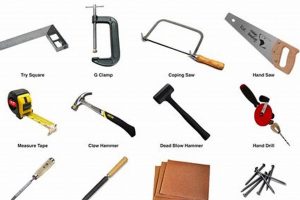
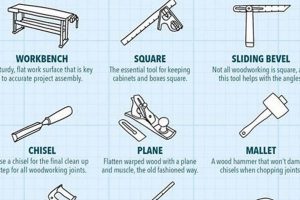
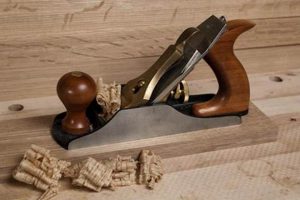
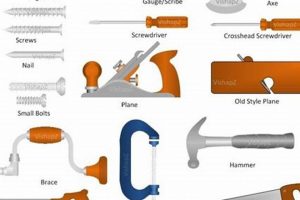
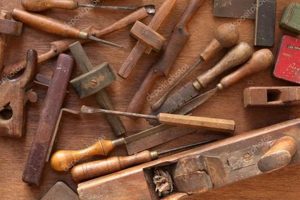
Manual implements employed in the creation of wooden objects and structures by non-professionals represent a fundamental aspect of the do-it-yourself movement. Examples include saws for cutting material, chisels for shaping, planes for smoothing surfaces, and hand drills for creating holes. These instruments, powered solely by human effort, provide a direct and tactile engagement with the woodworking process.
The utilization of such instruments fosters self-reliance and promotes resourcefulness, enabling individuals to undertake projects without relying on automated machinery or specialized labor. Historically, these tools were the primary means of woodworking, predating the widespread adoption of power tools. This approach encourages precision, patience, and a deeper understanding of wood properties and joinery techniques. Furthermore, it offers a sustainable alternative, minimizing energy consumption and promoting environmentally conscious practices.
The following sections will delve into specific types of manual implements, exploring their applications, maintenance requirements, and selection criteria. Considerations will be given to both novice and experienced woodworkers seeking to enhance their skills and expand their repertoire of techniques. Detailed explanations will be provided regarding safe and effective operating procedures for each implement discussed.
Essential Usage Guidance
The proper handling and maintenance of manual implements significantly impact project quality and user safety. Adherence to the following guidelines ensures optimal performance and longevity.
Tip 1: Sharpening Regimen: Consistent sharpening is crucial for efficient operation and reduced user fatigue. Dull edges require increased force, leading to imprecise cuts and potential injury. Employ appropriate sharpening stones and honing techniques tailored to each implement’s blade geometry.
Tip 2: Wood Selection and Preparation: Different wood species possess varying hardness, grain patterns, and workability. Select material appropriate for the intended project. Ensure proper seasoning and surface preparation prior to commencing work to prevent warping or splintering.
Tip 3: Secure Work Holding: Employ vises, clamps, and bench dogs to firmly secure the workpiece. A stable platform minimizes movement during cutting and shaping operations, enhancing accuracy and safety.
Tip 4: Proper Grip and Posture: Maintain a firm, controlled grip on the implement. Adopt a stable and balanced stance to maximize leverage and minimize strain. Avoid overreaching or applying excessive force.
Tip 5: Guided Cutting Techniques: Utilize sawing guides or marking gauges to ensure precise and accurate cuts. Start cuts slowly and deliberately, gradually increasing pressure as the cut progresses. Avoid forcing the implement, as this can lead to blade deflection or binding.
Tip 6: Protective Measures: Always wear appropriate personal protective equipment, including safety glasses, hearing protection, and dust masks. These precautions mitigate the risk of injury from flying debris, excessive noise, and airborne particles.
Tip 7: Routine Maintenance: Regularly clean and lubricate manual implements to prevent rust and corrosion. Store tools in a dry environment, protected from moisture and extreme temperatures.
Implementing these techniques improves precision, extends tool lifespan, and creates a safer, more efficient woodworking environment. Proficiency in these areas ensures quality results and mitigates potential hazards.
The next section will explore common joinery methods achievable with these tools, providing step-by-step instructions for creating strong and aesthetically pleasing connections.
1. Sharpening Techniques

The functionality of any manual implement used in woodworking is inextricably linked to the sharpness of its cutting edge. Sharpening techniques, therefore, represent a cornerstone of effective manual woodworking. A dull blade necessitates increased force application, leading to reduced control, imprecise cuts, and elevated risk of material damage or operator injury. Conversely, a keen edge allows for effortless material removal, yielding cleaner results and enhanced precision. For instance, attempting to pare a fine shaving from end grain with a dull chisel often results in crushing or tearing the fibers, whereas a sharp chisel produces a smooth, polished surface.
Different implement types demand specific sharpening approaches. A plane iron, for instance, requires a perfectly straight and square edge to ensure a consistent cutting depth across the entire blade width, thereby producing a flat and even surface. Conversely, a carving gouge necessitates a curved edge, carefully shaped and honed to facilitate intricate detailing. The selection of appropriate abrasive materials, such as water stones, oil stones, or diamond plates, is also crucial. The grit progression, ranging from coarse to fine, progressively refines the edge, culminating in a polished surface capable of cleanly severing wood fibers. Consistent sharpening yields increased productivity. A sharp tool requires less physical effort to operate.
In conclusion, mastering sharpening techniques is not merely an ancillary skill but rather an integral component of proficient manual woodworking. Challenges may arise in consistently achieving and maintaining optimal sharpness, necessitating practice and a meticulous approach. The connection between the blade’s sharpness and the quality of the finished workpiece underscores the profound importance of this often-overlooked aspect of manual woodworking.
2. Material Selection

Material selection profoundly influences the outcome of do-it-yourself woodworking projects employing manual implements. The characteristics of chosen wood species directly impact ease of work, structural integrity, and aesthetic appeal. The suitability of a given wood for hand tool work stems from factors such as hardness, grain orientation, and moisture content. For instance, hardwoods like maple or oak, while durable, present a greater challenge to shape and cut using manual implements due to their density. In contrast, softwoods like pine or fir are more easily worked but may lack the strength required for certain structural applications. The choice of wood affects the efficiency and accuracy of operations performed with hand tools, such as sawing, planing, and chiseling.
The impact of material selection extends to joint construction. Certain woods are more amenable to specific joinery techniques. For example, hardwoods with tight grain patterns are well-suited for intricate dovetail joints, providing strength and visual appeal. Softwoods, on the other hand, may be more prone to splitting or tear-out when attempting such joints. The proper selection of wood, considering its grain and density, also affects the quality of the surface finish. Open-grained woods, such as oak, require different finishing techniques than closed-grained woods, such as maple, to achieve a smooth and durable surface. Therefore, material selection must align with the intended function and aesthetic of the finished piece.
Understanding the interrelationship between material properties and manual implements constitutes a critical skill for the DIY woodworker. The correct choice of material optimizes workability, enhances joint strength, and ensures a pleasing finish, ultimately contributing to the success and longevity of the woodworking project. Challenges arise when attempting to work with unsuitable materials, leading to frustration, wasted effort, and compromised results. Consequently, careful consideration of material selection stands as an essential prerequisite for any DIY woodworking endeavor reliant on manual tools.
3. Joint Construction

The integrity of any woodworking project is directly dependent on the efficacy of its joint construction. In the realm of do-it-yourself endeavors employing manual implements, this dependence is magnified. Unlike power tool-assisted techniques, manual joinery relies solely on the precision and strength imparted by hand-operated instruments. The selection of appropriate joint types, such as mortise and tenon, dovetail, or lap joints, directly influences the structural stability and longevity of the finished article. The accuracy with which these joints are executed, using saws, chisels, and planes, determines the tightness and overall strength of the connection. A poorly executed joint will inevitably compromise the entire project, leading to weakness and potential failure under stress. For example, a bookshelf constructed with loosely fitted dovetail joints is prone to racking and eventual collapse, whereas a similar structure using precisely cut and fitted joints will provide years of service.
The successful creation of robust joinery necessitates a thorough understanding of wood properties, tool usage, and geometric principles. The ability to accurately measure, mark, and cut each component is paramount. Furthermore, the selection of appropriate adhesives and clamping techniques plays a critical role in ensuring a secure and lasting bond. Consider the construction of a traditional timber frame structure using mortise and tenon joints. Each mortise must be precisely chiseled to the correct dimensions, and each tenon must be carefully shaped to fit snugly within its corresponding mortise. Any deviation from these precise measurements will compromise the integrity of the frame, potentially leading to structural instability. The selection of the correct joint will determine the appearance and strength of the finished piece. The process also improves the accuracy and speed on your woodworking journey.
In summary, joint construction is a foundational element of DIY woodworking when using manual implements. Its mastery dictates the structural soundness, aesthetic appeal, and overall success of any project. The inherent limitations of manual tools demand a heightened level of precision and attention to detail, making joint construction a critical area of focus for any aspiring DIY woodworker. The challenges associated with manual joinery can be overcome through diligent practice, a thorough understanding of wood properties, and a commitment to employing the correct tools and techniques. The results are a beautiful and functional creation that should last generations.
4. Ergonomic practices

The utilization of manual implements in do-it-yourself woodworking necessitates a strong focus on ergonomic practices to mitigate physical strain and potential injury. The repetitive motions and sustained postures inherent in hand tool use can contribute to musculoskeletal disorders if proper ergonomic principles are neglected. The implementation of these principles serves as a preventative measure, enhancing efficiency and promoting long-term physical well-being. The weight and design of hand tools can cause fatigue if not held correctly. For example, prolonged gripping of a poorly designed saw handle can lead to hand cramps and carpal tunnel syndrome. Conversely, selecting tools with ergonomically designed handles and maintaining a neutral wrist posture reduces strain and allows for extended periods of work with reduced discomfort.
Proper workstation setup also represents a critical aspect of ergonomic practices in manual woodworking. The height of the workbench should be adjusted to minimize bending or reaching, thereby reducing strain on the back and shoulders. The placement of tools and materials within easy reach minimizes unnecessary movements and further reduces physical exertion. The use of jigs and fixtures can also significantly improve ergonomics by providing support and stability for the workpiece, allowing the woodworker to focus on controlled movements and reduce the force required for cutting or shaping. Additionally, the consistent application of proper body mechanics, such as lifting with the legs rather than the back, serves to protect against injury. Breaks should be used in the middle of a project to avoid overworking your hands. If any problems arise, one should consult a medical doctor.
In conclusion, the integration of ergonomic practices into do-it-yourself woodworking with manual implements is not merely an optional consideration but rather a fundamental requirement for sustainable and safe participation. Ignoring these principles increases the risk of injury, reduces efficiency, and ultimately detracts from the enjoyment of the craft. The challenges associated with adopting ergonomic practices, such as adjusting existing workspaces or investing in new tools, are outweighed by the long-term benefits of improved comfort, reduced risk of injury, and enhanced productivity. By prioritizing ergonomics, the DIY woodworker can extend their engagement with the craft while preserving their physical well-being.
5. Finishing methods

Finishing methods represent a crucial stage in do-it-yourself woodworking projects that employ manual implements. The application of appropriate finishes enhances the aesthetic appeal of the completed item, while also providing essential protection against environmental factors such as moisture, UV radiation, and physical wear. The selection and application of these finishes are inextricably linked to the techniques and precision afforded by manual tools. For instance, a surface meticulously prepared with hand planes will exhibit a superior quality of finish compared to one hastily prepared with power sanders. The smoother, more even surface allows for a more consistent absorption of stains, oils, or varnishes, resulting in a more uniform and visually appealing outcome. The absence of machine-induced swirl marks, common with power sanding, further contributes to the clarity and depth of the finish. Consider a handmade dining table; the careful hand-planing of the top, followed by the application of multiple coats of hand-rubbed oil varnish, creates a durable and elegant surface that showcases the wood’s natural grain patterns.
The choice of finishing materials also influences the overall outcome and is often dictated by the style and purpose of the woodworking project. Traditional finishing methods, such as shellac application with a brush or French polishing, require a high degree of skill and control achievable through manual dexterity. These methods allow for precise layering and blending of finishes, creating a depth and luster that is difficult to replicate with modern spray-on finishes. Furthermore, manual finishing techniques often involve the use of natural materials, such as beeswax, linseed oil, and turpentine, which align with a commitment to sustainable and environmentally conscious woodworking practices. The application of wax polish to a finely carved wooden box, for example, not only enhances the surface sheen but also protects the delicate carving details from dust and scratches. The methods and choice of materials will influence both the aesthetic and structural aspects of a product.
In summary, finishing methods are an integral component of do-it-yourself woodworking when manual implements are utilized. The precision and surface quality achieved through hand tool techniques directly impact the effectiveness and aesthetic outcome of the finishing process. The selection of appropriate finishes, application techniques, and materials further contributes to the overall success and longevity of the finished piece. The challenges associated with mastering manual finishing techniques, such as achieving a flawless finish without streaks or brush marks, can be overcome through practice, patience, and a meticulous attention to detail. This ensures woodworking’s sustainability and future.
6. Safe operation
The safe operation of manual implements constitutes a critical element in do-it-yourself woodworking. Given the inherent risks associated with edged tools and manual exertion, adherence to established safety protocols is paramount to prevent injury and ensure successful project completion.
- Personal Protective Equipment (PPE)
The consistent use of appropriate PPE mitigates the risk of injury during woodworking activities. Safety glasses protect the eyes from flying debris, such as wood chips or dust. Hearing protection, such as earplugs or earmuffs, reduces exposure to potentially damaging noise levels generated during sawing or hammering. Dust masks or respirators prevent the inhalation of fine particles that can cause respiratory irritation or long-term health problems. Gloves provide grip and protection against splinters or cuts. Failure to utilize PPE increases the likelihood of preventable injuries.
- Tool Condition and Maintenance
The condition of manual implements directly impacts their safe operation. Dull tools require increased force to operate, increasing the risk of slippage and subsequent injury. Sharp tools, properly maintained, allow for controlled cuts and reduce the likelihood of accidents. Regular sharpening, cleaning, and lubrication are essential for maintaining optimal tool performance and ensuring safe operation. Damaged or defective tools should be repaired or replaced immediately. For example, a chisel with a mushroomed head poses a significant risk of splintering when struck with a mallet.
- Work Holding and Stability
Securely holding the workpiece is crucial for safe woodworking. Instability increases the risk of tool slippage and uncontrolled movements. Vises, clamps, and bench dogs provide a stable platform for woodworking operations, minimizing the potential for accidents. The selection of appropriate work-holding devices depends on the size and shape of the workpiece, as well as the specific task being performed. Attempting to work on an unsecured piece of wood is hazardous and should be avoided.
- Proper Techniques and Posture
Utilizing proper woodworking techniques and maintaining a correct posture contributes to safe operation. Rushing through tasks or applying excessive force increases the risk of errors and injuries. Maintaining a balanced stance and using smooth, controlled movements promotes stability and reduces strain. Avoid overreaching or working in awkward positions. Proper technique may include taking smaller cuts to control the tool or gripping the tool correctly. Take regular breaks to prevent fatigue, which can impair judgment and increase the likelihood of accidents.
These facets underscore the importance of prioritizing safety in do-it-yourself woodworking projects. Diligent adherence to safety protocols not only minimizes the risk of injury but also enhances the overall enjoyment and success of the woodworking endeavor. Neglecting safety precautions can have serious consequences, resulting in injuries that can range from minor cuts and abrasions to severe lacerations and permanent disabilities. Therefore, safe operation must be regarded as an integral component of manual woodworking, not merely an afterthought.
7. Tool maintenance
The longevity and optimal performance of manual implements used in do-it-yourself woodworking are directly contingent upon diligent maintenance. Neglecting routine care diminishes the effectiveness of these instruments and potentially compromises user safety. Therefore, understanding and implementing appropriate maintenance procedures is paramount for any individual engaged in woodworking using hand tools.
- Cleaning and Lubrication
The removal of accumulated debris, such as sawdust, pitch, or rust, is crucial for preserving the functionality of hand tools. Regular cleaning prevents corrosion and ensures smooth operation. Lubricating moving parts, such as threads on screws or hinges on folding rules, reduces friction and prevents wear. The application of appropriate lubricants, such as light machine oil or paste wax, safeguards against moisture and prevents seizing. For instance, a saw blade encrusted with pitch will exhibit reduced cutting efficiency and require increased force, potentially leading to inaccurate cuts or user fatigue.
- Sharpening and Honing
The sharpness of cutting edges directly impacts the performance and safety of manual implements. Consistent sharpening restores the original edge geometry and ensures efficient material removal. Honing further refines the edge, creating a polished surface that minimizes friction and produces clean cuts. The frequency of sharpening depends on the tool type, wood species being worked, and frequency of use. A dull chisel, for example, requires increased force to pare wood, increasing the risk of slipping and causing injury.
- Handle and Body Repair
Damage to handles or bodies of manual implements can compromise their functionality and safety. Loose handles should be tightened or replaced to ensure a secure grip and prevent accidents. Cracked or broken handles should be repaired or replaced to prevent further damage and potential injury. Minor repairs, such as sanding rough edges or applying protective coatings, can extend the lifespan of tools and improve their comfort. For example, a hammer with a loose head poses a significant risk of detachment during use, potentially causing injury or damage to the workpiece.
- Proper Storage
The manner in which manual implements are stored significantly affects their condition and longevity. Tools should be stored in a dry environment to prevent rust and corrosion. Individual tool holders or toolboxes prevent damage from accidental impacts. Storing edged tools with blade guards or sheaths protects the cutting edges and minimizes the risk of injury. Organizing tools in a systematic manner promotes efficient access and prevents unnecessary handling. For example, storing a set of chisels in a dedicated rack prevents the blades from dulling or becoming damaged by contact with other tools.
These maintenance practices are integral to the effective and safe utilization of manual implements in do-it-yourself woodworking. Consistent adherence to these procedures ensures that these tools remain reliable and efficient, enabling woodworkers to undertake projects with confidence and precision. Neglecting tool maintenance ultimately results in diminished performance, increased risk of injury, and a reduced lifespan of valuable woodworking instruments.
Frequently Asked Questions
This section addresses common inquiries concerning the selection, application, and maintenance of manual implements employed in do-it-yourself woodworking. Accurate information promotes safe and effective practices.
Question 1: What constitutes an essential starter set of manual implements for a novice woodworker?
A basic set typically includes a hand saw (rip and crosscut), a smoothing plane, a set of chisels (various sizes), a marking gauge, a combination square, a measuring tape, and sharpening stones. The selection should prioritize quality and versatility over quantity. A well-chosen, limited set allows the acquisition of foundational skills.
Question 2: How does the selection of wood species impact the use of manual implements?
Wood hardness, grain orientation, and density significantly influence workability. Softer woods, such as pine, are generally easier to cut and shape with manual tools, while hardwoods, such as oak or maple, require greater effort and sharper tools. Grain direction affects the ease and quality of planing and chiseling operations. Understanding wood properties is crucial for selecting appropriate species for specific projects and techniques.
Question 3: What are the critical safety precautions to observe when using manual implements?
Safety measures include wearing appropriate personal protective equipment (safety glasses, hearing protection, dust mask), ensuring tools are sharp and in good working order, securing workpieces firmly, maintaining a stable posture, and utilizing proper techniques. Careless or improper use increases the risk of injury.
Question 4: What are the fundamental techniques for maintaining a sharp edge on cutting tools?
Sharpening involves the use of abrasive stones (water stones, oil stones, or diamond plates) to remove metal and restore the cutting edge. The process typically involves multiple stages, progressing from coarser to finer grits. Honing, using a strop or fine stone, further refines the edge. Consistent sharpening is essential for optimal tool performance and user safety.
Question 5: What are the advantages of using manual implements compared to power tools in DIY woodworking?
Manual implements offer greater control, precision, and tactile feedback. They also promote a deeper understanding of wood properties and woodworking techniques. Manual woodworking is quieter, produces less dust, and requires no electricity, making it a more environmentally conscious option. The process encourages patience and mindfulness.
Question 6: How does one select the appropriate joint for a given woodworking project using manual implements?
Joint selection depends on the structural requirements of the project, the wood species being used, and the desired aesthetic. Mortise and tenon joints are strong and versatile, while dovetail joints offer superior resistance to tensile forces. Lap joints are simpler to execute but may be less robust. Careful consideration of these factors is essential for creating durable and visually appealing joinery.
The mastery of manual implements requires dedication, practice, and a thorough understanding of woodworking principles. Continued learning and refinement of skills will yield rewarding results.
The following section will explore advanced techniques and specialized implements.
diy woodworking hand tools
This exploration has illuminated the fundamental aspects of employing manual implements in woodworking. The discussion encompassed crucial elements, including tool selection, sharpening methodologies, material considerations, joint construction techniques, ergonomic principles, finishing procedures, safe operational practices, and essential maintenance protocols. The emphasis was placed on the critical role each element plays in achieving successful and sustainable woodworking outcomes.
The skillful application of diy woodworking hand tools remains a cornerstone of craftsmanship and represents a tangible connection to time-honored traditions. Continued exploration, disciplined practice, and unwavering commitment to safety are strongly encouraged, thereby ensuring the enduring legacy of this foundational craft. The pursuit of knowledge and refinement of technique is necessary.