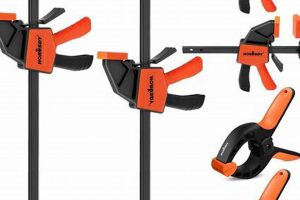
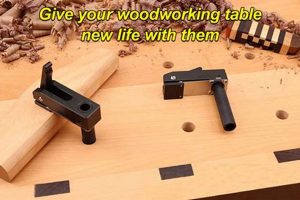
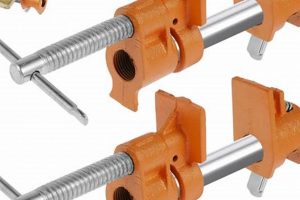
This workholding apparatus utilizes atmospheric pressure to secure wooden components during assembly, carving, or other woodworking processes. Employing a vacuum pump to evacuate air beneath a specialized pad, it creates a strong, temporary bond, holding the workpiece firmly in place. These systems offer an alternative to traditional clamps, which can sometimes mar or damage delicate materials.
The utility of these devices stems from their ability to provide consistent and even pressure across a workpieces surface, minimizing the risk of distortion or indentation. This is particularly valuable when working with thin veneers or intricate designs. The introduction of this technology has streamlined workflows and enhanced precision in numerous woodworking applications, building upon a long history of innovation in workholding methods.
The remainder of this article will delve into the specific components of such a system, explore the diverse range of available configurations, and examine the appropriate applications for maximizing its effectiveness in a woodworking environment. Furthermore, this article will compare and contrast different systems, highlighting their respective advantages and limitations.
Usage Considerations
The following guidelines aim to optimize the effectiveness and longevity of vacuum-based workholding systems in woodworking applications.
Tip 1: Material Compatibility: Evaluate the porosity of the workpiece material. Highly porous materials may require sealing prior to vacuum application to achieve sufficient holding force.
Tip 2: Surface Preparation: Ensure the contact surface of the workpiece and the vacuum pad is clean and free of debris. Contaminants can compromise the seal and reduce holding power.
Tip 3: Vacuum Level Monitoring: Regularly inspect the vacuum gauge to verify adequate vacuum pressure. Fluctuations may indicate leaks or pump malfunction requiring prompt attention.
Tip 4: Pad Selection: Employ appropriately sized and shaped vacuum pads for the workpiece dimensions and geometry. Optimal pad selection maximizes surface contact and holding force.
Tip 5: Clamping Pressure Considerations: Apply only the necessary clamping pressure for the specific task. Excessive pressure can potentially deform or damage delicate workpieces.
Tip 6: System Maintenance: Adhere to the manufacturer’s recommended maintenance schedule for the vacuum pump and other components. Regular maintenance ensures optimal performance and extends the system’s lifespan.
Adherence to these recommendations will enhance the security of workholding and improve the quality of finished woodworking projects.
The subsequent section will address troubleshooting common issues and further expand on system optimization strategies.
1. Workpiece Adhesion

Effective workpiece adhesion is a fundamental requirement for any workholding system, directly influencing the precision and safety of woodworking operations. In the context of vacuum clamping, the strength and reliability of the bond between the workpiece and the clamping surface are paramount.
- Vacuum Seal Integrity
The creation and maintenance of a robust vacuum seal between the workpiece and the vacuum pad are critical. Factors influencing seal integrity include the surface finish of the workpiece, the material composition of the pad, and the presence of any contaminants. A compromised seal directly reduces the holding force of the system, potentially leading to workpiece slippage and inaccurate machining.
- Surface Area Contact
The available surface area for vacuum adhesion dictates the maximum achievable holding force. Larger surface areas generally provide greater adhesion, assuming uniform pressure distribution. Complex workpiece geometries may necessitate specialized vacuum pads designed to conform to irregular shapes and maximize contact area, optimizing overall adhesion.
- Material Porosity Influence
The porosity of the workpiece material significantly impacts the effectiveness of vacuum clamping. Porous materials allow air to permeate through the surface, compromising the vacuum seal. Sealing techniques, such as applying a thin coat of sealant or using a specialized vacuum pad with a higher coefficient of friction, are often necessary to achieve adequate adhesion with porous workpieces.
- Clamping Force Distribution
Uniform distribution of clamping force across the workpiece surface is crucial to prevent distortion or damage, particularly when working with delicate materials. Vacuum systems inherently provide relatively even force distribution compared to traditional mechanical clamps. Careful consideration must be given to pad placement and vacuum pressure regulation to ensure consistent clamping force and prevent localized stress concentrations.
The factors outlined above collectively determine the effectiveness of workpiece adhesion in vacuum clamping systems. Successful implementation requires a thorough understanding of these principles and careful selection of system components to suit the specific requirements of the woodworking task. The next step is to guarantee the vacuum Integrity for consistent performance.
2. Vacuum Integrity

Vacuum integrity is foundational to the reliable operation of any workholding apparatus using vacuum technology, including a system that uses the principle of the vacuum clamp. A loss of vacuum equates to a direct reduction in clamping force, potentially leading to workpiece slippage, compromised precision, and unsafe working conditions. This integrity is maintained by the quality of seals, the integrity of the vacuum lines, and the consistent functionality of the vacuum pump. For example, a crack in a vacuum hose or a worn seal on the clamping pad would directly lead to a vacuum leak, diminishing the clamp’s effectiveness. The practical significance of understanding vacuum integrity lies in the ability to proactively identify and address potential failure points, preventing costly rework or injuries.
Furthermore, proper maintenance protocols directly impact vacuum integrity. Regular inspection of the entire system, including the vacuum pump, hoses, fittings, and clamping pads, is essential for early detection of wear or damage. Replacing worn components before they fail prevents unexpected system downtime and ensures consistent performance. The type of material being clamped also influences how to keep a system tight. For example, clamping porous materials like some types of particle board may require additional sealing steps to maintain an adequate vacuum level, demonstrating the interplay between material selection and system integrity. Failing to take into account material properties can negate benefits from a high quality clamp.
In conclusion, vacuum integrity is not merely a desirable feature but an indispensable component of vacuum-based workholding. Compromised integrity undermines the entire system, diminishing its precision and potentially creating hazardous conditions. A proactive approach to maintenance, combined with a thorough understanding of material properties and system components, is essential for ensuring long-term reliability and safety.
3. Pump Performance

The performance characteristics of the vacuum pump are intrinsically linked to the functionality and efficacy of any woodworker vacuum clamping system. The pump serves as the core component responsible for generating and maintaining the necessary vacuum pressure to secure workpieces. Suboptimal pump performance directly translates to diminished clamping force and compromised woodworking outcomes.
- Vacuum Pressure Generation
The pump’s ability to rapidly achieve and sustain the required vacuum pressure is paramount. Insufficient vacuum pressure results in inadequate holding force, potentially causing workpiece slippage during machining operations. For example, a pump with a low cubic feet per minute (CFM) rating may struggle to maintain adequate vacuum when used with porous materials or larger clamping surfaces. The woodworker vacuum clamp depends on robust vacuum generation to safely hold materials.
- Flow Rate and Leak Compensation
The pump’s flow rate, measured in CFM, determines its capacity to compensate for leaks in the system. Even with meticulous setup, minor air leaks around the clamping pad or workpiece are inevitable. A pump with a sufficient flow rate can maintain the required vacuum pressure despite these leaks, ensuring consistent clamping force. Failing to address leak compensation leads to diminished clamp reliability.
- Pump Duty Cycle and Thermal Management
The duty cycle of the pump refers to the ratio of on-time to off-time. Woodworking tasks often require sustained clamping periods, demanding pumps capable of continuous operation without overheating. Effective thermal management systems, such as integrated cooling fans or heat sinks, prevent pump failure and maintain stable performance over extended use. Overheated pumps suffer reduced performance and shortened lifespans.
- Noise Level and Vibration
The noise and vibration produced by the vacuum pump can significantly impact the woodworking environment. Excessive noise can be disruptive and fatiguing, while vibration can transmit through the workbench and affect the precision of delicate operations. Selecting a pump with noise-dampening features and vibration isolation mounts improves the overall woodworking experience and enhances work quality. Quiet pumps create a more professional environment for intricate operations.
These facets highlight the integral role of pump performance in the overall effectiveness of vacuum clamping systems. Selecting an appropriate pump with adequate vacuum pressure generation, flow rate, duty cycle, and noise level is critical for achieving reliable and precise workholding in woodworking applications.
4. Material Compatibility
Material compatibility represents a critical consideration in the effective utilization of vacuum clamping systems. The interaction between workpiece material properties and vacuum clamping mechanisms significantly impacts the holding force, stability, and overall success of woodworking operations.
- Porous Materials and Seal Integrity
The porosity of a workpiece material dictates the ease with which air permeates its surface. Highly porous materials, such as certain types of particleboard or open-grained woods, present challenges for vacuum clamping. Air leakage through the material compromises the vacuum seal, reducing the clamping force. Effective clamping of porous materials necessitates sealing the surface with a specialized coating or utilizing a vacuum pad designed for enhanced seal integrity. Addressing such porosity directly impacts the functionality of the clamp.
- Surface Finish and Adhesion
The surface finish of the workpiece influences the degree of contact between the material and the vacuum pad. Rough or uneven surfaces create gaps, reducing the effective surface area for vacuum adhesion. Smooth, flat surfaces maximize contact, resulting in a stronger and more reliable hold. Preparation of the workpiece surface, through sanding or planing, is often required to ensure optimal adhesion and prevent slippage under load. The design of a surface finish impacts how well it adheres to the clamp.
- Material Deformation Under Vacuum Pressure
Certain materials, particularly thin or flexible ones, are susceptible to deformation under vacuum pressure. Excessive pressure can cause bending or warping, compromising the accuracy of machining operations. Careful regulation of vacuum pressure and the use of appropriately sized vacuum pads are essential to minimize material deformation and maintain dimensional stability. Deformation considerations must be accounted for to ensure the clamp isn’t detrimental.
- Material Contamination and Pad Degradation
The presence of contaminants, such as dust, oil, or adhesive residue, on the workpiece surface can interfere with the vacuum seal and degrade the performance of the vacuum pad. Regular cleaning of both the workpiece and the vacuum pad is crucial for maintaining optimal adhesion and preventing premature pad wear. The presence of wood adhesives and oils affect the clamp’s longevity.
In summary, the successful implementation of this tool hinges on a thorough understanding of material properties and their interaction with vacuum clamping mechanisms. Careful consideration of porosity, surface finish, deformation susceptibility, and contamination potential allows for the selection of appropriate clamping strategies and ensures reliable and precise woodworking outcomes.
5. System Versatility

System versatility, in the context of woodworking and vacuum clamping solutions, defines the range of applications and adaptability that a particular workholding system offers. A versatile system enhances efficiency by accommodating diverse workpiece shapes, sizes, and materials, thereby minimizing the need for multiple specialized clamping devices. The extent of this versatility directly impacts the return on investment and the overall workflow efficiency within a woodworking shop.
- Adaptability to Varying Workpiece Geometries
A key aspect of system versatility lies in the ability to handle diverse workpiece shapes and sizes. Vacuum clamping systems designed with modular components and adjustable configurations offer enhanced flexibility. For instance, the ability to reposition vacuum pods or utilize custom-shaped clamping pads enables the secure holding of irregularly shaped objects, such as carved components or curved furniture parts. A system limited to flat, rectangular workpieces severely restricts its utility in a dynamic woodworking environment. For example, the capacity to secure round table tops, or intricately carved chair legs marks a versatile vacuum clamp.
- Material Compatibility and Adjustable Pressure Settings
Versatile systems accommodate a wide range of materials, from delicate veneers to dense hardwoods. Adjustable vacuum pressure settings are crucial for preventing damage to fragile materials while ensuring adequate holding force for heavier components. A system with fixed pressure settings may prove unsuitable for certain materials, limiting its applicability. A system must adapt to porous or non-porous materials for it to be considered versatile.
- Integration with Existing Workshop Equipment
System versatility extends to its compatibility with existing woodworking equipment, such as CNC machines, routers, and sanding stations. Vacuum clamping systems designed for seamless integration with these machines enhance workflow efficiency and reduce setup time. The ability to quickly and easily adapt the clamping system to different machines expands its utility and minimizes the need for manual adjustments. The ability for a vacuum clamp to easily integrate to a CNC machine is the prime example of system versatility.
- Scalability and Expandability
A versatile clamping system should offer scalability and expandability to accommodate future growth and evolving woodworking needs. The ability to add additional vacuum pods, upgrade the vacuum pump, or incorporate new accessories enhances the system’s long-term value and ensures its continued relevance. Systems with limited scalability may become obsolete as the woodworking shop’s requirements change. A system that can be expanded to hold larger panels or accommodate more complex assemblies demonstrates true versatility.
The facets outlined above collectively contribute to the system versatility and of vacuum clamping solutions. Systems exhibiting high degrees of adaptability, material compatibility, integration, and scalability offer the greatest potential for enhancing efficiency, reducing costs, and improving the overall quality of woodworking projects. Careful consideration of these factors is essential when selecting a vacuum clamping system to ensure it meets the diverse and evolving needs of a modern woodworking shop.
Frequently Asked Questions about Systems That Utilize Vacuum Clamps
The following addresses common queries regarding workholding systems that employ a vacuum to secure workpieces during woodworking and related processes.
Question 1: What types of woodworking projects are most suitable for a vacuum-based clamping system?
These systems excel in applications requiring consistent pressure distribution and minimal marring of the workpiece. Veneering, laminating, carving intricate details, and assembling delicate components are ideally suited for this technology. Projects involving large, flat surfaces also benefit from the even clamping force provided.
Question 2: What level of maintenance is required to ensure the longevity of a vacuum pump used in this type of workholding?
Regular maintenance is crucial. This includes periodic inspection of vacuum lines for leaks, cleaning or replacement of air filters, and lubrication of pump components according to the manufacturer’s recommendations. Neglecting maintenance can lead to reduced pump performance and premature failure.
Question 3: How does the porosity of a workpiece material affect the holding power of a vacuum system?
Porous materials allow air to permeate through the surface, compromising the vacuum seal and reducing holding force. Sealing techniques, such as applying a thin coat of sealant or using specialized vacuum pads, are often necessary to achieve adequate adhesion with porous workpieces. The lower the porosity, the more reliable the system.
Question 4: What factors should be considered when selecting the appropriate size and shape of vacuum pads?
The size and shape of the vacuum pad should be chosen to maximize surface contact with the workpiece. Irregularly shaped workpieces may require custom-designed pads to ensure optimal adhesion. The pad size should be proportional to the workpiece dimensions to distribute the clamping force evenly.
Question 5: What safety precautions should be observed when operating a vacuum-based clamping system?
Ensure the system is properly grounded to prevent electrical hazards. Regularly inspect vacuum lines and fittings for leaks to prevent sudden loss of clamping force. Wear appropriate personal protective equipment, such as eye protection and hearing protection, during operation. The safety is your first priority!
Question 6: How can a woodworker diagnose and resolve common issues with vacuum clamping systems?
Common issues include leaks, reduced pump performance, and inadequate holding force. Leakage can be identified using a soap solution applied to vacuum lines and fittings. Reduced pump performance may require cleaning or replacement of air filters. Inadequate holding force often indicates a compromised vacuum seal or insufficient vacuum pressure.
Effective operation and maintenance are essential for maximizing the benefits and lifespan of vacuum workholding setups.
The next section will address troubleshooting common issues and offer further strategies for system optimization.
Conclusion
This exploration has detailed the operational principles, diverse applications, and critical considerations surrounding the workholding apparatus for woodworkers. This system’s performance hinges upon factors such as workpiece material properties, vacuum integrity, pump efficiency, and the adaptability of system components. A comprehensive understanding of these elements is paramount for achieving optimal performance and ensuring safe operation.
The enduring value of this technology lies in its capacity to enhance precision, minimize material damage, and streamline workflows within woodworking environments. Continued innovation in materials, pump technology, and system design promises to further expand the capabilities and utility of these systems, solidifying its position as a valuable asset for woodworkers seeking efficient and reliable workholding solutions. The future of secure, reliable and repeatable woodworking processes depends on quality systems like this.
![Best Woodworking Clamps on Amazon: [Your Project] Ready! | Step-by-Step Guides, Tools & Inspiration to Build Beautiful Wooden Decor on a Budget](https://woodfromhome.com/wp-content/uploads/2026/04/th-87-300x200.jpg "Best Woodworking Clamps on Amazon: [Your Project] Ready! Step-by-Step Guides, Tools & Inspiration to Build Beautiful Wooden Decor on a Budget")