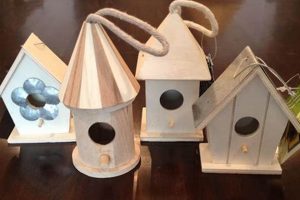
The creation of handcrafted wooden items intended as presents encompasses a wide range of skill levels and material choices. These personalized tokens can range from simple, easily constructed items to complex, meticulously designed works of art. Examples include handcrafted cutting boards, customized wooden boxes, and intricately carved decorative pieces, each reflecting the time and effort invested in their creation.
The appeal of these handmade offerings lies in their unique character and the sense of personal connection they convey. Unlike mass-produced goods, individually crafted wooden gifts often hold significant sentimental value. Historically, woodworking has been a valued skill, with handcrafted items representing a tangible expression of care and craftsmanship passed down through generations.
The subsequent sections will explore specific types of projects suitable for gifting, consider essential tools and techniques, and discuss relevant factors such as wood selection and finishing methods to ensure a successful and appreciated outcome.
Guidance for the Artisan
Successful creation of wooden items intended as presents requires careful planning and execution. The following guidance addresses crucial aspects to optimize the final product and recipient satisfaction.
Tip 1: Project Selection Aligns with Skill Level. Avoid complex undertakings if expertise is limited. Simpler designs, executed well, are preferable to ambitious projects with flawed execution. Consider initial attempts on less valuable wood species.
Tip 2: Wood Selection Dictates Outcome. Hardwoods, like maple or cherry, provide durability and visual appeal for functional items. Softwoods, such as pine, are more suitable for decorative pieces. Grain pattern and color should complement the intended design.
Tip 3: Precise Measurements are Critical. Inaccurate dimensions lead to misalignment and structural instability. Verify all measurements multiple times before cutting. Use accurate measuring tools and exercise caution when marking wood.
Tip 4: Prioritize Joint Strength and Stability. Select appropriate joinery methods based on the project’s intended use and load-bearing requirements. Dovetails, mortise-and-tenon, or dowel joints offer superior strength compared to simple butt joints. Ensure tight, secure connections.
Tip 5: Sanding is Essential for a Professional Finish. Progress through increasingly finer grits of sandpaper to achieve a smooth, uniform surface. Remove all sanding dust before applying a finish. Pay close attention to edges and corners.
Tip 6: Finish Selection Impacts Aesthetics and Protection. Choose a finish appropriate for the wood species and intended use. Oil-based finishes enhance wood grain and provide moderate protection. Polyurethane offers greater durability but may obscure the natural wood appearance. Consider food-safe finishes for items intended for kitchen use.
Tip 7: Personalization Enhances Sentimental Value. Incorporate personalized details, such as engraving names or dates, to make the offering unique and meaningful. Consider the recipient’s preferences and interests when adding custom elements.
Adherence to these guidelines enhances the likelihood of producing well-crafted, appreciated keepsakes. Attention to detail throughout the process translates into a superior and lasting product.
The ensuing summary will reiterate the core principles discussed, providing a conclusive perspective on the creation of exceptional personalized tokens.
1. Project Complexity

Project complexity is a central determinant in the feasibility and ultimate success of crafting wooden articles for gifting. It dictates the required skill level, tools, time investment, and likelihood of achieving a presentable and functional finished product. Matching the intricacy of the chosen design to the maker’s expertise is paramount.
- Required Skill Set
The complexity of a project directly correlates with the range and depth of woodworking skills necessary for completion. Simple designs, such as cutting boards or small boxes, demand basic cutting, sanding, and finishing techniques. Conversely, intricate carvings, elaborate joinery, or multi-component constructions necessitate advanced skills in shaping, fitting, and assembly. Misalignment between the project’s demands and the maker’s capabilities often results in frustration and substandard results.
- Tool Acquisition and Usage
More complex projects necessitate a wider array of specialized tools. Basic undertakings may require only hand tools like saws, chisels, and sandpaper. However, advanced projects often demand power tools such as routers, jointers, planers, and lathes. Furthermore, competence in using these tools safely and effectively is crucial to prevent injury and ensure accurate execution. The initial investment in tools and the learning curve associated with their operation represent significant considerations.
- Time Commitment and Resource Allocation
The time required to complete a project increases exponentially with its complexity. Simple wooden gifts may be completed in a few hours, while intricate designs can demand days or even weeks of dedicated effort. Accurate assessment of available time and resources is essential to prevent projects from being abandoned unfinished. The complexity must align with the available time to ensure the gift is completed in a timely manner.
- Potential for Error and Rework
The potential for errors increases with the number of steps and the intricacy of the design. Complex projects involve numerous opportunities for miscalculations, miscuts, and assembly errors. Correction of these errors can be time-consuming and may compromise the structural integrity or aesthetic appeal of the finished product. Meticulous planning, precise execution, and a willingness to adapt to unforeseen challenges are critical for navigating the complexities inherent in advanced woodworking projects.
In essence, the chosen complexity must be carefully balanced against the available skills, tools, time, and tolerance for error. Selecting projects that align with the maker’s capabilities maximizes the likelihood of producing a handcrafted item that is both appreciated for its aesthetic appeal and valued for the effort invested in its creation. Starting with simpler woodworking projects for gifts is often the best approach to gradually develop the necessary skills for more intricate designs.
2. Wood Material Selection

The selection of appropriate wood material is paramount in determining the aesthetic appeal, structural integrity, and overall suitability of handcrafted wooden items intended as gifts. The choice of wood directly influences the project’s durability, workability, and the final impression it conveys to the recipient.
- Aesthetic Considerations
Different wood species possess distinct grain patterns, colors, and textures that significantly impact the visual appeal of the finished product. Hardwoods such as cherry and walnut exhibit rich colors and intricate grain patterns, lending themselves to elegant and sophisticated projects. Softwoods like pine or cedar, while less visually striking, can be stained or painted to achieve a desired aesthetic. The selected wood should complement the intended design and the recipient’s personal preferences.
- Structural Properties and Durability
The structural properties of wood, including its density, hardness, and resistance to decay, are crucial for ensuring the longevity of functional gifts. Items intended for frequent use, such as cutting boards or wooden utensils, require hardwoods with high density and resistance to wear. Softwoods, while easier to work with, may be more susceptible to dents and scratches. The intended use of the gift must guide the selection of wood with appropriate structural characteristics.
- Workability and Machinability
The ease with which a wood can be cut, shaped, and joined is a significant factor in the crafting process. Softwoods generally exhibit superior workability, allowing for easier shaping and carving. Hardwoods, while more challenging to work with, offer greater precision and cleaner cuts when using sharp tools. The complexity of the project and the maker’s skill level should be considered when assessing the workability of different wood species.
- Cost and Availability
The cost and availability of different wood species vary significantly. Exotic hardwoods, such as ebony or rosewood, are often expensive and may be difficult to source. Common hardwoods like maple or oak are generally more affordable and readily available. Softwoods like pine are typically the least expensive option. Budgetary constraints and accessibility should be considered when selecting the wood material for handcrafted gifts. Selecting locally sourced wood promotes sustainability and reduces transportation costs.
In conclusion, the careful selection of wood material involves balancing aesthetic considerations, structural requirements, workability, and budgetary limitations. The chosen wood should not only complement the design of the gift but also ensure its durability and suitability for its intended purpose. Thoughtful consideration of these factors will enhance the quality and value of the handcrafted wooden item, making it a cherished and lasting present.
3. Joint Strength

Joint strength is a critical determinant of the durability and longevity of wooden articles crafted for gifting. The connection between joint strength and these projects is causal: inadequate joint strength directly results in structural failure, diminishing the gift’s value and lifespan. Strong, well-executed joinery ensures the gift withstands intended use, environmental factors, and the passage of time, thereby increasing its perceived worth and sentimental value. A poorly joined gift, conversely, conveys a lack of care and skill, undermining its intended purpose.
Examples of this connection are numerous. A cutting board constructed with weak butt joints is prone to separation with repeated use and exposure to moisture, rendering it unusable. A wooden box with poorly fitted dovetail joints will lack structural integrity, making it unsuitable for storing valuable items. In contrast, a rocking chair built with robust mortise-and-tenon joints can withstand years of use, becoming a cherished family heirloom. The practical significance of understanding this connection lies in the ability to select appropriate joinery techniques based on the project’s intended use and the stresses it will endure. Projects intended for heavy use necessitate stronger joint types, while decorative items may suffice with simpler joinery. This informed decision-making process is paramount for creating high-quality, lasting wooden gifts.
In summary, joint strength is a non-negotiable component of successful woodworking for gifts. Neglecting this aspect invariably leads to compromised structural integrity and diminished gift value. Prioritizing strong, well-executed joinery ensures the creation of enduring, appreciated tokens of craftsmanship, reinforcing the positive impact of the gift-giving gesture. Mastering relevant joinery techniques is thus essential for any woodworker seeking to create meaningful and lasting gifts.
4. Surface Finishing
Surface finishing occupies a critical position in the creation of wooden articles intended as gifts, significantly impacting both their aesthetic appeal and functional longevity. This process extends beyond mere decoration, serving as a protective barrier against environmental factors and enhancing the intrinsic beauty of the wood.
- Aesthetic Enhancement
Surface treatments, such as staining, painting, or clear coating, serve to accentuate the natural grain patterns and color variations inherent in wood. A well-applied finish elevates the visual appeal of a wooden gift, transforming a simple object into a visually striking piece. For instance, a cherry wood box finished with a clear lacquer highlights the wood’s natural warmth and richness, while a painted wooden toy benefits from vibrant colors and a smooth texture. The choice of finish should complement the wood species and the intended design, creating a cohesive and visually pleasing result.
- Protection Against Environmental Damage
Surface finishes provide a protective layer that shields the wood from moisture, ultraviolet radiation, and physical abrasion. This protective barrier helps prevent warping, cracking, discoloration, and other forms of deterioration that can compromise the integrity and appearance of a wooden gift. For example, an outdoor wooden bench benefits from a weather-resistant finish, such as marine varnish, which protects it from rain, sun, and temperature fluctuations. Similarly, a wooden cutting board requires a food-safe finish, such as mineral oil or beeswax, to prevent bacterial growth and contamination. The appropriate finish extends the lifespan of wooden gifts, ensuring they remain in good condition for years to come.
- Tactile Quality and User Experience
The smoothness and texture of a surface finish significantly impact the tactile quality and user experience of a wooden gift. A properly sanded and finished surface feels smooth and pleasant to the touch, enhancing the overall enjoyment of the object. Conversely, a rough or uneven finish can detract from the user experience, making the gift feel unfinished or unrefined. For example, a wooden bowl intended for serving food should have a smooth, food-safe finish that is comfortable to hold and easy to clean. Similarly, a wooden toy should have a smooth, non-toxic finish that is safe for children to handle. The tactile quality of the finish contributes to the overall perception of quality and craftsmanship.
- Highlighting Craftsmanship and Detail
A well-executed surface finish can showcase the skill and attention to detail that went into creating a wooden gift. The finish can highlight the precision of the joinery, the smoothness of the curves, and the intricacies of the carving, transforming a simple object into a work of art. For example, a meticulously carved wooden sculpture benefits from a carefully applied finish that accentuates the details and enhances the overall visual impact. The finish serves as a final touch that elevates the craftsmanship and adds value to the wooden gift. Demonstrating proficiency in surface finishing elevates the perceived value and quality of the final product.
In conclusion, surface finishing is an indispensable element in the crafting of wooden articles intended as gifts, influencing their aesthetic appeal, functional durability, tactile quality, and overall perception of craftsmanship. The selection and application of an appropriate finish is a critical step in creating wooden gifts that are both beautiful and enduring, reflecting the giver’s care and attention to detail. Skillful surface finishing transforms ordinary wood into extraordinary gifts.
5. Personalization Options

The integration of personalization options within woodworking projects intended as gifts elevates the offering from a mere object to a unique and meaningful token. The capacity to tailor a handcrafted item to the specific tastes, interests, or memories of the recipient enhances its perceived value and sentimental significance.
- Engraving and Inscription
The practice of engraving names, dates, or meaningful quotes onto wooden surfaces allows for the creation of lasting personalized commemorations. Examples include inscribing a wedding date on a handcrafted wooden picture frame or engraving a child’s name on a wooden toy box. This form of personalization transforms a generic item into a unique keepsake, imbuing it with personal significance and enhancing its emotional value for the recipient.
- Custom Carving and Shaping
The ability to customize the shape or design of a wooden project to reflect the recipient’s interests or hobbies provides another avenue for personalization. This may involve carving a wooden figurine of a beloved pet, shaping a wooden jewelry box to resemble a favorite book, or creating a custom-designed wooden chess set reflecting the recipient’s preferred aesthetic. Tailoring the form of the wooden item to align with the recipient’s passions demonstrates thoughtfulness and enhances the gift’s personal relevance.
- Wood Selection Reflecting Personal Preference
Choosing wood species based on the recipient’s preferred color, grain pattern, or symbolic association offers a subtle yet meaningful form of personalization. For instance, selecting cherry wood for a cutting board due to its warm color and association with domesticity, or using walnut for a desk organizer because of its rich color and association with sophistication. Careful wood selection demonstrates a consideration of the recipient’s individual tastes and preferences, further personalizing the gift-giving experience.
- Incorporating Personal Memorabilia
Embedding personal items, such as photographs, mementos, or handwritten notes, into wooden projects allows for the creation of truly unique and emotionally resonant gifts. Examples include creating a wooden shadow box to display cherished family photographs, incorporating a handwritten letter into a wooden keepsake box, or embedding a small memento into a wooden sculpture. This form of personalization transforms the wooden item into a repository of personal memories and sentiments, deepening its emotional value and significance for the recipient.
The diverse range of personalization options available in woodworking projects for gifts allows for the creation of truly unique and meaningful tokens. By incorporating elements that reflect the recipient’s tastes, interests, memories, or personal associations, the gift becomes a tangible expression of care, thoughtfulness, and personal connection. Such personalized items are far more likely to be cherished and appreciated than generic, mass-produced alternatives.
Frequently Asked Questions
This section addresses common inquiries and concerns related to the creation of wooden items intended as presents, offering guidance based on established woodworking principles.
Question 1: What wood species are most suitable for creating durable kitchen items, such as cutting boards, intended as gifts?
Dense hardwoods, including maple, cherry, and walnut, are recommended for kitchen items due to their resistance to wear, moisture absorption, and bacterial growth. These species exhibit closed grain structures, minimizing the penetration of liquids and food particles, thereby enhancing hygiene and longevity.
Question 2: What safety precautions should be observed when utilizing power tools for woodworking projects?
Adherence to established safety protocols is paramount. Safety glasses must be worn at all times to protect against flying debris. Hearing protection is recommended to mitigate noise exposure. Machines should be equipped with functional safety guards, and users should be thoroughly familiar with their operation manuals. Prior to each use, equipment must be inspected for damage or malfunction. A well-ventilated workspace is essential to prevent the accumulation of dust and fumes.
Question 3: What joinery techniques are best suited for ensuring structural integrity in wooden boxes intended for containing heavy items?
Dovetail joints and mortise-and-tenon joints provide superior strength and resistance to racking forces compared to simpler joinery methods. These interlocking joints distribute stress across a wider surface area, enhancing the overall stability and load-bearing capacity of the box structure. Precise execution is critical to maximize the effectiveness of these joinery techniques.
Question 4: How does the selection of finish impact the longevity and appearance of a wooden gift intended for outdoor use?
Exterior-grade finishes containing ultraviolet inhibitors are essential for protecting outdoor wooden items from sun damage, moisture penetration, and temperature fluctuations. Spar varnish or marine varnish offer superior weather resistance compared to interior-grade finishes. Regular maintenance and reapplication of the finish are necessary to prolong the life and maintain the appearance of the item.
Question 5: Is it necessary to apply a sealant prior to staining a wooden project intended as a gift?
The necessity of a sealant depends on the wood species and the desired outcome. Softwoods, which tend to absorb stain unevenly, benefit from a pre-stain wood conditioner or sealant to promote uniform color penetration. Hardwoods, with their tighter grain structures, may not require a sealant. Testing the stain on a scrap piece of wood is recommended to determine the need for a sealant.
Question 6: What are some effective strategies for achieving a smooth, professional-looking finish on wooden gifts?
Thorough sanding is critical, progressing through increasingly finer grits of sandpaper to remove imperfections and create a smooth surface. Proper surface preparation, including the removal of sanding dust, is essential. Applying thin, even coats of finish, allowing each coat to dry completely before applying the next, minimizes the risk of drips, runs, and brush marks. Lightly sanding between coats enhances smoothness and adhesion.
The preceding questions and answers offer a foundational understanding of key considerations in crafting wooden gifts. Diligent application of these principles increases the likelihood of producing high-quality, appreciated items.
The subsequent discussion will delve into specific project ideas suitable for individuals with varying levels of woodworking experience.
Conclusion
The preceding analysis has explored various facets of crafting wooden items for gifting, emphasizing the importance of project complexity, wood material selection, joint strength, surface finishing, and personalization options. Successful execution requires careful consideration of these elements to ensure the creation of durable, aesthetically pleasing, and meaningful presents.
The enduring appeal of handcrafted wooden gifts lies in their inherent uniqueness and the personal connection they represent. Continued dedication to refining woodworking skills and exploring innovative designs will further enhance the potential for creating cherished keepsakes that transcend mere material value.