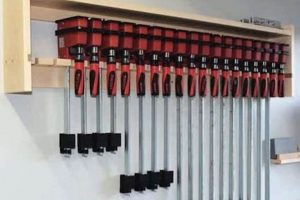
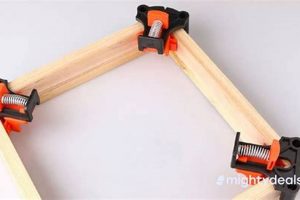
These antique tools, typically constructed from iron or steel and wood, are designed to hold pieces of wood securely together during the gluing or fastening process. They come in various forms, including hand screws, bar designs, and C-shaped varieties, each engineered for specific woodworking applications. Examples include adjustable hand screws favored for delicate work and robust bar types used for large-scale projects.
The significance of these historical devices extends beyond their original utility. They represent a tangible connection to past craftsmanship and manufacturing techniques. Their durability and the enduring designs often surpass the capabilities of modern, mass-produced equivalents. Many collectors and woodworking enthusiasts appreciate these for both their functional qualities and their aesthetic value, adding character to workshops and projects.
The following sections will delve into the different types, restoration techniques, factors influencing value, and where to acquire these pieces of woodworking history, providing a comprehensive understanding for collectors and practitioners alike.
Essential Considerations
This section offers important considerations when acquiring or working with these historical tools, ensuring safety, optimal performance, and preservation of value.
Tip 1: Inspect Carefully for Damage: Prior to purchase, meticulously examine these items for cracks, rust, stripped threads, or other structural compromises that could affect their functionality and safety. Avoid those with irreparable damage.
Tip 2: Assess the Thread Quality: The threads on the spindles are crucial for applying consistent pressure. Ensure they are clean, smooth, and free from significant wear. Damaged threads can result in slippage and uneven clamping.
Tip 3: Consider the Type for Your Application: Different designs are suited for different tasks. Hand screws are ideal for delicate work, while bar types provide greater reach and clamping force for larger assemblies. Select the appropriate design based on intended use.
Tip 4: Clean and Lubricate Regularly: Regular cleaning and lubrication of the threads and moving parts are essential for maintaining smooth operation and preventing corrosion. Use a wire brush and a suitable lubricant to ensure optimal performance.
Tip 5: Store Properly to Prevent Rust: Store these tools in a dry environment to prevent rust formation. Consider applying a thin coat of oil to metal surfaces for added protection against moisture.
Tip 6: Restore with Caution: When restoring, avoid aggressive methods like sandblasting, which can remove valuable patina and potentially weaken the metal. Opt for gentler cleaning methods and careful repairs.
Tip 7: Value Functionality over Aesthetics (Initially): While visual appeal is important, prioritize functionality. A fully functional, albeit cosmetically challenged, piece is more valuable than a pristine one that cannot perform its intended task.
Adhering to these considerations will ensure the longevity, usability, and value retention of these pieces of woodworking history.
The following sections will further explore where to acquire and understand pricing considerations for these tools.
1. Types

The classification of these historic implements is essential for understanding their specific applications, mechanisms, and historical context. Different types were designed for particular woodworking tasks, reflecting the evolving needs and techniques of past eras. This diversity is a key aspect of their value and utility.
- Hand Screws
Characterized by their wooden jaws and adjustable spindles, hand screws offer precision and control in clamping. Often favored for delicate work or irregular shapes, they exemplify versatility. These are frequently found in smaller sizes, reflecting their use in detailed joinery and model-making.
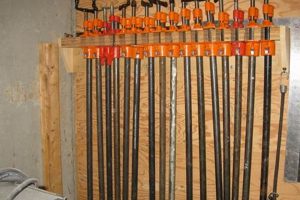
- Bar Designs
Featuring a long metal bar with adjustable clamping heads, bar designs provide substantial clamping force over a greater distance. They are essential for larger projects, such as furniture assembly and frame construction. Variations include parallel jaw and pipe types, each optimized for specific clamping geometries.
- C-Clamps
Easily recognizable by their C-shaped frame, these provide localized clamping pressure. Available in diverse sizes and strengths, they are adaptable for numerous tasks. Forged steel variants represent robust designs common in industrial woodworking settings.
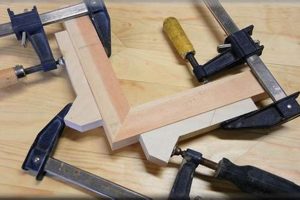
- Miter Clamps
Specialized tools engineered for securely holding mitered corners during gluing. These ensure accurate alignment and tight joints in picture frames and other mitered constructions. Designs often incorporate adjustable angles to accommodate various miter configurations.
The array of designs underscores the ingenuity of past woodworkers and toolmakers. Recognizing the specific design allows for informed selection, restoration, and application in both traditional and contemporary woodworking projects. Understanding the nuances of each type deepens appreciation for these tangible artifacts of woodworking history.
2. Condition
The state of preservation directly determines the functionality and value of these historical tools. Degradation due to rust, physical damage, or modification can significantly impair their clamping force and accuracy. For example, a screw with stripped threads is rendered effectively useless. Similarly, wooden handles riddled with woodworm compromise structural integrity, making the tool unsafe to operate. The tools history, including previous repairs or alterations, also influences its state and overall worth.
Evaluation of condition involves a meticulous assessment of all components. The metal parts should be examined for pitting, corrosion, and fractures. Wooden elements require inspection for rot, insect damage, and cracks. The smoothness of the screw threads and the integrity of the clamping mechanism are crucial factors. Restoring a these implements to working order often requires specialized skills and an understanding of historical materials and techniques. Attempting restoration without proper knowledge can further degrade the item, diminishing its historical significance and monetary worth.
In summary, careful evaluation of condition is paramount when acquiring or working with these pieces. The physical state directly impacts their usability, collectibility, and historical value. Recognizing the signs of damage and understanding their implications allows for informed decisions regarding purchase, restoration, and preservation, ultimately ensuring the continued life and appreciation of these tools.
3. Materials
The composition of these antique tools significantly impacts their durability, functionality, and historical value. The selection of materials in their construction reflects the technological capabilities and economic considerations of the eras in which they were manufactured, and directly affects their performance under clamping pressure.
- Iron and Steel Composition
Predominantly crafted from iron or steel, the specific alloy used determines the clamp’s strength and resistance to deformation. Early specimens often utilized wrought iron, valued for its malleability, while later models benefited from the increased tensile strength of steel. The presence of impurities or specific alloying elements (e.g., carbon, manganese) dictated the tool’s ability to withstand repeated stress and resist corrosion. Identifying the specific metal used informs preservation strategies and assesses the item’s structural integrity.
- Hardwood Components
Many feature wooden handles and jaws made from hardwoods like maple, beech, or rosewood. These woods were chosen for their density, resistance to wear, and ability to provide a comfortable grip. The quality and type of wood used can indicate the tool’s intended purpose and manufacturer. For instance, finely crafted rosewood handles often suggest a higher-end tool intended for precision work. Examining the grain patterns, finish, and any signs of wear or damage in the wood provides valuable insights into the tool’s history and use.
- Fastener Materials
Rivets, screws, and other fasteners used in the construction are integral to the overall strength and stability. These fasteners are typically made of iron, steel, or brass. The type and quality of these fasteners reflect the manufacturing techniques of the time. The corrosion resistance of brass, for example, made it a preferred choice for certain applications where exposure to moisture was a concern. Analyzing the fastener materials offers clues about the tool’s original construction methods and potential areas of weakness that may require attention during restoration.
The interplay between these components defines the quality and lifespan of these tools. An understanding of the materials used in their construction is essential for accurate dating, proper restoration, and informed use in woodworking projects, ensuring their continued functionality and historical relevance.
4. Functionality

The core attribute of any tool, functionality is paramount when considering these woodworking devices. Effective clamping relies on the device’s ability to apply and maintain consistent pressure, ensuring secure adhesion during gluing or fastening processes. The loss of functionality, due to factors such as stripped threads or warped frames, renders a seemingly valuable antique item largely unusable. For example, a hand screw with cracked wooden jaws is incapable of distributing pressure evenly, compromising its effectiveness. Similarly, a bar design with a bent rail will struggle to maintain a parallel clamping surface, leading to skewed joints. Therefore, the assessment of operational effectiveness is the primary consideration in the evaluation of these tools.
The impact of compromised functionality extends beyond mere inconvenience. Defective clamping can result in structural weakness within the workpiece, leading to joint failure and potentially jeopardizing the integrity of the entire project. An improperly functioning miter implement, for instance, can cause misaligned corners in a picture frame, resulting in an aesthetically displeasing and structurally unstable product. The practical significance of understanding a clamp’s functionality lies in the ability to avoid such detrimental outcomes and to ensure the creation of durable, well-crafted wooden structures. Assessing functionality also involves evaluating the ease of use and adjustability of the implement. A clamp that is difficult to tighten or release can hinder workflow and introduce unnecessary complications to the woodworking process.
In conclusion, the degree to which these tools retain their operational capabilities is the ultimate determinant of their value, both for practical woodworking applications and as collectible artifacts. Understanding the factors that contribute to functionality, such as material integrity and mechanical soundness, is essential for making informed decisions about acquisition, restoration, and use. While aesthetics and historical significance are important, functionality remains the cornerstone of appreciation for these tools, ensuring that they continue to serve their intended purpose and contribute to the art of woodworking.
5. Rarity

The scarcity of specific designs significantly elevates the value and collectibility of these historical tools. Limited production runs, specialized features, or the short-lived nature of a particular manufacturing process can render certain models exceedingly difficult to find. This inherent rarity is a primary driver of demand, causing prices for these items to far exceed those of more common variants. The cause is often attributable to factors such as patent restrictions, experimental designs that were not widely adopted, or production runs that were interrupted by historical events like wars or economic depressions. The importance of rarity as a component of value cannot be overstated, influencing decisions among collectors and woodworking enthusiasts alike. A rare patented miter implement, for example, commands a premium due to its unique mechanism and limited availability.
The practical significance of understanding rarity lies in its ability to inform acquisition strategies. Identifying a rare example requires a deep knowledge of manufacturing history, design variations, and known production quantities. Collectors often consult historical catalogs, patent records, and online communities to verify the authenticity and scarcity of a particular item. For example, a clamp marked with an obscure maker’s mark, or one featuring an unusual clamping mechanism, might warrant further investigation. The discovery of such a tool could represent a significant find, potentially increasing in value over time. This knowledge is not merely academic; it directly affects the financial investment and potential return for collectors.
In summary, rarity is a multifaceted attribute that substantially influences the desirability and worth of these antique devices. The challenges lie in accurately assessing scarcity and distinguishing genuine rarities from merely uncommon items. This requires meticulous research, historical context, and a keen eye for detail. Understanding the connection between rarity and value is essential for anyone seeking to collect, trade, or appreciate these tangible artifacts of woodworking history, ensuring that significant pieces are recognized, preserved, and valued accordingly.
Frequently Asked Questions About Vintage Woodworking Clamps
The following questions address common inquiries regarding the identification, valuation, restoration, and use of these historical woodworking tools. Answers are intended to provide clarity and guidance for collectors and practitioners alike.
Question 1: How does one determine the age of a vintage woodworking clamp?
The age determination relies on several factors, including the manufacturer’s markings, patent dates (if present), the type of materials used (e.g., wrought iron vs. steel), and the design characteristics. Historical catalogs and patent databases are valuable resources for verification.
Question 2: What are the primary indicators of value in vintage woodworking clamps?
Value indicators include rarity, condition, functionality, historical significance, manufacturer, and the presence of original markings or accessories. Tools in excellent working condition with documented provenance generally command higher prices.
Question 3: Is it advisable to restore vintage woodworking clamps?
Restoration is a complex decision that depends on the tool’s condition and the restorer’s expertise. Minimal cleaning and lubrication are often sufficient for preservation. Extensive restoration should be undertaken with caution, as improper techniques can diminish the tool’s historical value.
Question 4: What are the safest methods for cleaning vintage woodworking clamps?
Gentle methods are preferred. A wire brush can remove loose rust, followed by a solvent-based cleaner to remove dirt and grime. Avoid abrasive techniques like sandblasting, which can damage the metal surface.
Question 5: How should vintage woodworking clamps be stored to prevent damage?
Proper storage involves cleaning the tools thoroughly, applying a thin coat of oil to metal surfaces, and storing them in a dry environment to prevent rust. Wooden components should be protected from extreme temperature fluctuations.
Question 6: Are vintage woodworking clamps safe to use in modern woodworking projects?
While many are perfectly serviceable, safety should be prioritized. Inspect all components for structural integrity before use. If any doubts exist regarding the tool’s safety, it should be reserved for display purposes only.
These answers offer a starting point for understanding the nuances of vintage woodworking clamps. Further research and consultation with experienced collectors or restorers are recommended for in-depth knowledge.
The following section will explore resources available to delve into this field.
Conclusion
This exploration of vintage woodworking clamps has illuminated their significance beyond mere tools. From understanding their varied types and assessing condition to appreciating the materials and recognizing rarity, the factors discussed offer a comprehensive understanding of these historical artifacts. Functionality, the cornerstone of their utility, remains a critical consideration for both collectors and woodworking practitioners.
Continued research and preservation efforts are essential to safeguarding the legacy of these implements. Whether utilized for practical applications or cherished as collectible items, vintage woodworking clamps represent a tangible link to the craftsmanship of past generations. Their study and appreciation contributes to a deeper understanding of woodworking history and the evolution of tool technology. Further, one might contribute to the appreciation by sharing knowledge, participating in restoration projects, or simply passing on information about woodworking techniques.