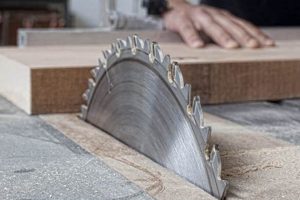
A dedicated area for precise angle cutting, typically constructed from wood, integrates a miter saw with extended support wings. This setup facilitates accurate and repeatable cuts on workpieces, improving efficiency and safety. A typical example might include adjustable fences, measuring scales, and dust collection systems incorporated into the station’s design.
Properly constructed and implemented, such a configuration enhances workflow, minimizes errors, and reduces material waste. Historically, these stations evolved from simple saw horses and manual measuring techniques, reflecting a move toward greater precision and improved ergonomics within the craft. The benefits extend to both professional woodworking environments and dedicated home workshops, impacting project quality and completion time.
Subsequent discussion will address essential design considerations, including material selection, dimensional accuracy, dust management, and integrated storage solutions. Understanding these aspects is crucial for constructing a functional and durable platform tailored to specific woodworking needs. Furthermore, this discussion will provide an overview of potential upgrades and modifications to maximize the stations utility.
Tips for an Optimized Miter Saw Setup
Maximizing the efficacy of a dedicated cutting platform demands careful attention to several key details. The following guidelines offer practical advice for constructing and maintaining a high-performing setup.
Tip 1: Material Selection: Prioritize dimensionally stable materials like plywood or MDF for the station’s primary structure. Solid wood is acceptable for trim and reinforcement but may exhibit seasonal movement affecting accuracy. Use high-quality fasteners and adhesives appropriate for the chosen material.
Tip 2: Accurate Fence Construction: Ensure the fence is perfectly straight and perpendicular to the saw blade. A slight deviation can accumulate over multiple cuts, leading to significant errors. Use a reliable square and shims as needed during construction.
Tip 3: Extension Wing Support: Provide adequate support for long workpieces by including adjustable extension wings. These wings should be level with the saw table to prevent material sag, which impacts cut precision. Incorporate folding or removable wings for space efficiency when not in use.
Tip 4: Integrated Dust Collection: Implement a dedicated dust collection system to minimize airborne particulate matter. This could include a shop vacuum connected directly to the saw’s dust port and a larger collection hood behind the saw. Proper dust management improves visibility and reduces health risks.
Tip 5: Optimized Lighting: Sufficient and well-positioned lighting is crucial for accurate cuts. Overhead lights supplemented by task lighting focused on the blade and workpiece offer the best visibility. Consider LED lighting for energy efficiency and reduced heat output.
Tip 6: Precise Measuring Systems: Integrate measuring scales, stops, and repeatable indexing systems to streamline repetitive cuts. These systems should be calibrated frequently and designed for easy adjustment. Digital readouts offer the highest level of precision.
Tip 7: Vibration Dampening: Mitigate vibrations by using rubber feet or anti-vibration mats under the stand. This reduces noise, improves cut quality, and extends the life of the saw.
Adhering to these principles results in a more accurate, efficient, and safer cutting workspace. Investing time in these details significantly enhances the quality of woodworking projects.
The subsequent section will discuss advanced customization options and troubleshooting common problems encountered with cutting platforms.
1. Dimensional Accuracy

Dimensional accuracy is paramount when constructing and utilizing a dedicated cutting platform. The precision with which angles and lengths are cut directly influences the quality and integrity of the final woodworking project. A lack of accuracy in this phase can lead to cumulative errors, resulting in misaligned joints and compromised structural integrity.
- Fence Alignment and Calibration
A precisely aligned fence is critical for repeatable and accurate cuts. The fence must be perfectly perpendicular to the saw blade (for square cuts) or set at the desired angle with verified precision. Calibration involves using precision squares, angle finders, or digital protractors to ensure the fence setting matches the intended cut angle. Periodic checks are necessary as fences can shift due to vibration or accidental impact. Failure to maintain proper alignment results in inaccuracies compounding over multiple cuts, leading to gaps or misalignments in assembled projects.
- Table Surface Flatness and Coplanarity
The table surface of the cutting platform and any extension wings must be flat and coplanar. Warped or uneven surfaces introduce inaccuracies as the workpiece is not consistently supported during the cut. This can lead to variations in cut depth and angle. Utilizing precision levels and straight edges to verify flatness and employing shims to correct minor imperfections is essential. A stable and level surface is the foundation for precise cutting operations.
- Miter Saw Accuracy and Maintenance
The miter saw itself must be accurate and properly maintained. Blade runout, loose bearings, or a misaligned laser guide all contribute to inaccuracies. Regular cleaning, lubrication, and blade replacement are essential for maintaining optimal performance. Verifying the saw’s factory settings and adjusting as needed ensures it delivers accurate cuts according to its specifications. A poorly maintained saw compromises the entire cutting station’s accuracy potential.
- Measuring Tools and Techniques
Accurate measuring tools and proper techniques are crucial for setting up cuts and verifying dimensions. Using high-quality measuring tapes, rules, and digital measuring devices minimizes errors. Employing techniques such as “story sticks” for transferring dimensions and double-checking measurements before each cut ensures accuracy. Reliance on inaccurate tools or careless measuring habits inevitably results in dimensional discrepancies in the final product.
These facets highlight the interdependent nature of dimensional accuracy within the context of the cutting platform. Achieving truly accurate results requires attention to each of these elements, ensuring that the entire system works in harmony to produce precise and repeatable cuts. The investment in time and resources to establish and maintain dimensional accuracy translates directly into higher quality woodworking projects and reduced material waste.
2. Integrated Dust Collection

The integration of a dust collection system within a fine woodworking cutting station is a critical consideration for both user health and operational efficiency. The cutting process, particularly when working with engineered woods, generates significant airborne particulate matter. Without effective capture and removal, this dust poses a respiratory hazard and reduces visibility, directly impacting cut accuracy and overall safety. A well-designed system captures dust at the source, typically at the saw’s dust port and through an enclosed backstop or hood. This localized extraction minimizes the spread of fine particles, creating a cleaner and healthier workspace. The absence of effective dust control leads to prolonged exposure to potentially harmful substances, increasing the risk of respiratory ailments and skin irritation.
Practical examples of integrated systems range from simple shop vacuum attachments to more sophisticated setups involving dedicated dust collectors with cyclone separators. The choice of system depends on the frequency and volume of cutting operations. High-volume environments necessitate a robust dust collection system capable of handling significant airflow. Considerations include hose diameter, collector CFM (cubic feet per minute) rating, and filtration efficiency. Furthermore, the physical design of the cutting platform should facilitate dust capture by creating a partially enclosed area around the saw. This enclosure helps to contain the dust cloud, directing it towards the extraction point and minimizing the amount of dust that escapes into the surrounding workspace. This design principle ensures a greater percentage of generated dust is captured, maximizing the system’s overall effectiveness.
In summary, effective integration of a dust collection system is an indispensable component of a fine woodworking cutting station. Its primary function is to safeguard the health of the user by removing harmful airborne particles. Furthermore, it enhances visibility and facilitates precise cutting operations, resulting in improved project quality. While challenges such as space constraints and cost considerations may arise during system implementation, the long-term benefits of a cleaner, safer, and more efficient workspace outweigh these obstacles, aligning with the core principles of fine woodworking practices. The importance of integrated dust collection underscores the need for thoughtful planning and implementation in the design and construction of any woodworking station.
3. Material Support System
The effectiveness of a fine woodworking miter saw station hinges significantly on the quality of its material support system. Without adequate support, long workpieces sag, leading to inaccurate cuts and potential safety hazards. The relationship is causal: insufficient support directly results in dimensional errors and increases the risk of material kickback. Therefore, the material support system is not merely an accessory, but an integral component of a precision cutting station. For example, consider cutting a ten-foot length of molding; without extension wings or rollers, the unsupported length droops, causing the miter saw to cut an inconsistent angle, ruining the piece.
Practical implementations vary. Adjustable extension wings provide a stable, level surface alongside the saw table, accommodating materials of varying lengths. Roller stands, positioned strategically, offer dynamic support as the workpiece is fed through the saw. Integrated measuring systems, coupled with support wings, allow for rapid and repeatable cuts of precise lengths, further enhancing efficiency. The choice of support system depends on the typical material dimensions and the frequency of use. A professional cabinet shop would benefit from a fully integrated system with powered feed rollers, while a hobbyist may find simpler, manually adjusted supports adequate. Regardless of the complexity, the core function remains consistent: to maintain a level and stable cutting plane.
In summary, the material support system is a critical element of a fine woodworking miter saw station, directly impacting cut accuracy and operator safety. Challenges, such as limited workspace or budgetary constraints, must be addressed thoughtfully to ensure a functional and reliable setup. A well-designed material support system complements the precision of the miter saw, enabling consistent and high-quality results. This understanding is fundamental to maximizing the station’s utility and contributing to successful woodworking projects.
4. Ergonomic Design
Ergonomic design principles are central to the effective and safe operation of any fine woodworking cutting station. A station that disregards ergonomic factors can lead to operator fatigue, musculoskeletal strain, and a reduction in accuracy over time. Optimizing the workstation for the user’s physical needs and work habits is paramount for sustained productivity and long-term well-being.
- Work Surface Height
The height of the cutting station work surface should be adjusted to minimize bending and reaching. Ideally, the height should allow the operator to stand comfortably with their elbows bent at approximately 90 degrees while holding a workpiece. A work surface that is too low forces the operator to bend, increasing the risk of back strain. Conversely, a work surface that is too high requires the operator to raise their shoulders, leading to neck and shoulder discomfort. Adjustable height stations offer the greatest flexibility, accommodating multiple users or variations in task requirements. For example, a work surface set too low will eventually cause lower back pain, thus decreasing accuracy in fine detail projects.
- Reach and Accessibility
The layout of the station should minimize unnecessary reaching. Frequently used tools, measuring devices, and materials should be within easy reach of the operator. This reduces the need for excessive stretching or twisting, which can contribute to strain and fatigue. Integrated storage solutions, such as drawers and shelves, can help to organize tools and materials efficiently. The saw’s power switch should be easily accessible and positioned to prevent accidental activation. A miter saw station that requires the user to overreach for materials can lead to dangerous situations and inaccurate cuts.
- Lighting and Visibility
Adequate lighting is essential for reducing eye strain and improving cut accuracy. The work area should be well-lit with a combination of ambient and task lighting. Task lighting should be focused directly on the blade and workpiece, minimizing shadows and glare. Adjustable lighting fixtures allow the operator to customize the lighting to suit their individual needs and preferences. Insufficient lighting forces the user to strain their eyes, potentially leading to errors in measurement and cut alignment, particularly when working with small or intricate pieces.
- Vibration and Noise Reduction
Prolonged exposure to vibration and noise can contribute to fatigue and discomfort. Measures should be taken to minimize vibration and noise levels at the cutting station. Using anti-vibration mats under the miter saw can help to reduce vibration transmission. Ear protection should be readily available and used during cutting operations. Noise-dampening materials can be incorporated into the station’s construction to further reduce noise levels. Without such accommodations, prolonged use of a miter saw in a poorly designed station can lead to operator discomfort and potential long-term hearing damage.
These ergonomic considerations are not merely ancillary features; they are fundamental to the design of a functional and safe fine woodworking miter saw station. Addressing these factors promotes operator well-being, enhances productivity, and ultimately contributes to the quality of the finished woodworking project. The investment in ergonomic design is an investment in the health and efficiency of the woodworker.
5. Optimized Lighting
Adequate illumination is a prerequisite for precision woodworking, rendering optimized lighting a crucial component of a fine woodworking miter saw station. Insufficient or poorly positioned lighting directly impairs visibility, negatively impacting cut accuracy and increasing the potential for errors. The relationship is causal: inadequate light leads to visual strain, hindering the woodworker’s ability to discern fine details and accurately align the workpiece. The incorporation of task-specific lighting addresses this deficiency by providing focused illumination precisely where it is needed: at the point of cut. For instance, cutting a dovetail joint requires meticulous alignment, a task greatly facilitated by bright, directed light illuminating the cutting area. Without such lighting, the woodworker is forced to rely on guesswork, resulting in compromised joint integrity.
Practical application of optimized lighting in a cutting station involves a combination of ambient and direct sources. Ambient lighting provides general illumination of the workspace, while direct lighting focuses on the immediate cutting area. Light Emitting Diode (LED) fixtures are often preferred due to their energy efficiency, long lifespan, and minimal heat output. Adjustable light sources allow the woodworker to customize the lighting to suit specific tasks and individual preferences. Furthermore, the positioning of light sources is critical. Overhead lighting, coupled with a directional light mounted on the saw or stand, minimizes shadows and provides consistent illumination across the workpiece. A properly lit cutting station not only improves accuracy but also reduces eye strain and fatigue, enhancing the overall safety and comfort of the woodworking experience.
In summary, optimized lighting is an indispensable element of a fine woodworking miter saw station. Its impact extends beyond mere visibility, directly influencing cut accuracy, operator comfort, and overall safety. While challenges such as space constraints and fixture selection may arise, the benefits of a well-lit workstation far outweigh these considerations. Understanding the connection between optimized lighting and precision woodworking enables the creation of a more efficient, accurate, and enjoyable woodworking environment. This understanding is fundamental to achieving consistent and high-quality results in fine woodworking projects.
6. Durable Construction

The longevity and consistent performance of a fine woodworking miter saw station are directly contingent upon its durable construction. Selection of appropriate materials and robust joinery techniques are not merely aesthetic considerations, but rather essential factors that determine the station’s ability to withstand repeated use and maintain accuracy over time. A well-constructed station minimizes the risk of structural failure, dimensional instability, and operational hazards.
- Material Selection and Stability
The choice of materials directly impacts the station’s resistance to warping, cracking, and degradation. High-density plywood, hardwood frames, and reinforced composite materials are commonly employed for their dimensional stability and ability to support the weight of the miter saw and associated workpieces. Solid wood, while aesthetically appealing, may be prone to seasonal movement, potentially affecting the accuracy of the miter saw setup. For example, a station constructed from low-grade particleboard is likely to exhibit sagging and deformation under load, compromising the accuracy of cuts. Conversely, a station built with Baltic birch plywood and a solid hardwood frame offers superior strength and resistance to deformation, ensuring consistent performance over years of use.
- Joinery and Fastening Techniques
The methods used to join the various components of the miter saw station are critical for its overall structural integrity. Robust joinery techniques, such as mortise and tenon joints, dovetail joints, and reinforced butt joints, provide superior strength and resistance to racking and twisting. High-quality fasteners, including screws, bolts, and adhesives, further enhance the durability of the joints. For instance, a station assembled solely with staples and low-grade adhesives is likely to fail under stress, whereas a station utilizing screws and mortise-and-tenon joinery exhibits significantly greater durability. The careful selection and execution of joinery methods are essential for ensuring the long-term stability and reliability of the miter saw station.
- Surface Protection and Resistance
The surfaces of the miter saw station are subjected to considerable wear and tear, including scratches, impacts, and exposure to moisture and solvents. A durable surface finish protects the underlying materials from damage and enhances the station’s resistance to spills and stains. Protective coatings, such as polyurethane, lacquer, or epoxy resin, provide a durable and easy-to-clean surface. For example, an unfinished wood surface is susceptible to water damage and staining, whereas a surface coated with multiple layers of polyurethane is resistant to these hazards and easier to maintain. The application of a protective surface finish is a crucial step in ensuring the long-term durability and aesthetic appeal of the miter saw station.
- Load Capacity and Weight Distribution
The station’s design must account for the weight of the miter saw, workpieces, and any additional tools or accessories. Reinforcement of critical structural elements, such as the table surface and support legs, is essential for preventing sagging and collapse. Proper weight distribution ensures that the load is evenly supported, minimizing stress on individual components. A station designed with insufficient load capacity is at risk of structural failure, potentially damaging the miter saw and creating a safety hazard. A properly engineered station distributes the weight evenly across its structure, ensuring stability and preventing premature wear.
These facets highlight the multifaceted nature of durable construction in the context of the fine woodworking miter saw station. Adhering to these principles not only extends the lifespan of the station but also contributes to improved accuracy, enhanced safety, and a more enjoyable woodworking experience. Investing in a well-constructed station is a long-term investment in the quality and efficiency of woodworking endeavors.
Frequently Asked Questions
This section addresses common inquiries regarding the design, construction, and utilization of dedicated cutting platforms, providing clarity on essential considerations and dispelling potential misconceptions.
Question 1: What are the primary benefits of constructing a dedicated cutting platform?
A dedicated platform enhances cut accuracy, improves workflow efficiency, and promotes a safer working environment by providing stable material support and integrated dust collection.
Question 2: What materials are most suitable for building a durable and accurate cutting platform?
Dimensionally stable materials such as plywood or MDF are preferred for the main structure, while hardwoods can be used for reinforcement and trim. High-quality fasteners and adhesives are also essential.
Question 3: How can dimensional accuracy be ensured during platform construction and operation?
Precise fence alignment, a flat and coplanar table surface, a well-maintained miter saw, and accurate measuring tools are all critical for achieving and maintaining dimensional accuracy.
Question 4: What are the key components of an effective integrated dust collection system?
A dust port connection, a high-CFM dust collector, enclosed backstop or hood, and proper hose diameter are all necessary for effective dust capture and removal.
Question 5: How does an ergonomic design contribute to the functionality of a cutting platform?
Ergonomic considerations, such as work surface height, reach and accessibility, adequate lighting, and vibration reduction, minimize operator fatigue and improve accuracy.
Question 6: What maintenance procedures are essential for preserving the accuracy and longevity of a cutting platform?
Regular fence alignment checks, blade maintenance, dust collection system cleaning, and periodic inspection for structural integrity are all essential for preserving the platform’s performance.
Proper attention to these questions and related considerations is crucial for building and maintaining a fine woodworking miter saw station that meets the demands of precise and efficient woodworking projects.
The subsequent section will explore advanced customization options and troubleshooting techniques for cutting platforms.
Conclusion
This exploration of the fine woodworking miter saw station has emphasized the interconnectedness of design, construction, and operational practices. Dimensional accuracy, integrated dust collection, robust material support, ergonomic considerations, optimized lighting, and durable construction are all essential elements in creating a functional and reliable workstation. Compromising on any of these aspects diminishes the overall effectiveness of the setup and can negatively impact project quality, safety, and long-term performance.
The commitment to excellence in crafting a fine woodworking miter saw station reflects a dedication to precision, efficiency, and safety within the woodworking craft. Continuous improvement through ongoing maintenance, thoughtful customization, and adherence to best practices ensures the sustained value and utility of this essential piece of woodworking equipment. The pursuit of optimized performance remains a vital aspect of the evolving craft.