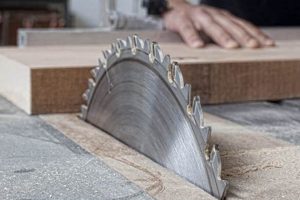
This specialized hand tool is designed for creating precise and intricate joints, particularly those known as dovetails, in woodworking. Characterized by a thin blade and fine teeth, it allows for controlled and accurate cuts in both hardwoods and softwoods. These cuts are essential for assembling drawers, boxes, and other furniture pieces where strength and aesthetic appeal are paramount.
Its significance lies in its ability to produce robust and visually appealing joints, crucial for high-quality woodworking projects. The tight interlocking nature of dovetail joinery offers exceptional resistance to pulling forces, making it ideal for applications requiring enduring structural integrity. Historically, this type of joinery has been a hallmark of craftsmanship and a testament to a woodworker’s skill, offering longevity and a refined appearance.
The subsequent discussion will delve into the anatomy of this tool, examining blade geometry, handle design, and the selection criteria for optimal performance. Furthermore, techniques for proper use, maintenance, and sharpening will be addressed, providing a complete overview for achieving superior results in dovetail joinery.
Tips for Optimal Use
The following recommendations aim to enhance accuracy, efficiency, and longevity when employing a specialized saw for fine joinery.
Tip 1: Secure the Workpiece: Employ a vise or clamping system to firmly fix the wood being worked. Movement during the cut compromises accuracy and potentially damages the saw’s blade.
Tip 2: Establish a Precise Starting Line: Use a marking knife, rather than a pencil, to create a clean, defined line. The knife severs the wood fibers, resulting in a crisp edge that guides the saw accurately.
Tip 3: Employ a Starting Bevel: Tilt the saw slightly at the beginning of the cut to establish the initial kerf. This prevents the saw from wandering off the marked line.
Tip 4: Maintain a Consistent Angle: Throughout the cut, maintain a consistent sawing angle, typically between 5 and 10 degrees from vertical. Deviations from this angle result in angled joinery.
Tip 5: Utilize Full Blade Length: Engage the entire blade length during each stroke. Short, choppy strokes reduce efficiency and create uneven cuts.
Tip 6: Avoid Excessive Pressure: The tool’s weight, combined with a light forward pressure, is sufficient for effective cutting. Forcing the saw can lead to blade flexing and inaccurate cuts.
Tip 7: Sharpen Regularly: A dull blade requires more force, leading to imprecise cuts and user fatigue. Regular sharpening ensures optimal cutting performance.
These guidelines, when diligently followed, contribute to producing tight-fitting, visually appealing joints that represent the hallmark of fine woodworking.
The subsequent sections will examine the tool’s maintenance and repair, ensuring its continued functionality and longevity.
1. Blade Tooth Geometry

Blade tooth geometry is a primary determinant of a specialized hand saw’s performance in creating fine joinery. The shape, spacing, and rake angle of the teeth directly influence cutting speed, smoothness of the cut, and the saw’s ability to initiate and maintain a straight line. Specifically, saws designed for dovetail joints typically feature a high number of teeth per inch (TPI) and a minimal rake angle. This configuration reduces tear-out, ensuring a clean edge in both hardwoods and softwoods. Failure to consider this geometry results in ragged edges and inaccurate joints.
The high TPI, often ranging from 14 to 20, is crucial for achieving the tight tolerances required for dovetails. A higher TPI removes less material per tooth, leading to a smoother cut surface. The minimal rake angle, approaching zero degrees, prevents the saw from aggressively grabbing the wood, which can cause uncontrolled cuts. For example, attempting to cut dovetails with a rip saw, designed for cutting along the grain, typically results in excessive tear-out due to its aggressive tooth geometry. The specific tooth pattern, such as a crosscut or universal pattern, further refines the saw’s suitability for various wood species and cutting orientations.
In summary, blade tooth geometry is not merely a characteristic of a woodworking saw; it is an integral design element that dictates its functionality and effectiveness in creating precise dovetail joints. Understanding the principles of tooth geometry enables woodworkers to select the appropriate saw for the task, optimizing both the quality and efficiency of the joinery process. The selection also affects the longevity of the blade and the overall usability of the woodworking dovetail saw.
2. Handle Ergonomics

Handle ergonomics significantly influences the precision and control achievable with a fine joinery saw. The design of the handle impacts the user’s grip, stability, and ability to guide the blade accurately. An ergonomically designed handle reduces fatigue, minimizes the risk of slippage, and allows for extended periods of focused work. For instance, a handle that conforms well to the hand’s natural contours, often featuring a slightly oval or tapered shape, promotes a secure grip and reduces strain on the wrist and forearm. Conversely, a poorly designed handle leads to inconsistent cutting angles, increased user fatigue, and a higher likelihood of errors in the joinery.
The material composition of the handle also contributes to its ergonomic properties. Dense hardwoods, such as rosewood or ebony, provide a solid feel and transmit vibrations effectively, allowing the user to sense the saw’s interaction with the wood. Surface texture, whether achieved through carving, stippling, or the application of a non-slip finish, further enhances grip security. The angle at which the handle connects to the saw blade is a critical ergonomic consideration. A handle angled slightly downward typically allows for a more natural wrist position during sawing, reducing strain and improving control. The absence of such ergonomic design may lead to compensatory movements, decreasing accuracy.
In summary, handle ergonomics is an indispensable factor in the performance of a tool designed for fine woodworking. A well-designed handle enhances user comfort, promotes precise blade control, and reduces the risk of errors. It is essential to carefully consider handle ergonomics when selecting this specialized tool to ensure optimal results and minimize physical strain during prolonged use.
3. Kerf Width

Kerf width, the amount of material removed by a saw blade during a cut, is a critical factor directly influencing the precision and fit of dovetail joints created with a specialized woodworking hand tool. The accuracy of these joints relies heavily on the kerf width being consistent and predictable.
- Joint Tightness
A narrow kerf is generally desirable for dovetail joinery as it allows for tighter fitting joints. The reduced material removal ensures that the pins and tails of the dovetail interlock precisely with minimal gaps. Variations in kerf width lead to either excessively tight joints, requiring forceful assembly, or loose joints that compromise structural integrity. The ideal kerf width is one that matches the thickness of the marking knife line used to define the joint, providing a near-perfect fit.
- Saw Set and Tooth Geometry
The saw set, the degree to which the teeth are bent outward from the plane of the blade, is a primary determinant of kerf width. A greater saw set results in a wider kerf. The geometry of the saw teeth, specifically their shape and sharpness, also influences the kerf width. Dull teeth require more force to cut, potentially leading to a wider, uneven kerf. Proper sharpening and consistent saw set are essential for maintaining a consistent kerf width.
- Wood Species
The species of wood being cut impacts the effective kerf width. Softer woods tend to compress slightly during sawing, resulting in a narrower effective kerf compared to hardwoods. Hardwoods resist compression, maintaining the kerf width established by the saw set and tooth geometry. This difference necessitates adjustments in sawing technique and potentially the use of different saws with varying kerf widths depending on the wood being used.
- Sawing Technique
Consistent sawing technique directly affects kerf width. Applying excessive pressure or twisting the saw blade during the cut can widen the kerf, compromising joint accuracy. Maintaining a steady sawing motion and allowing the saw to cut under its own weight minimizes the risk of altering the kerf width. Furthermore, keeping the saw aligned with the cut line prevents the kerf from wandering, ensuring a consistent width throughout the cut.
The multifaceted nature of kerf width necessitates careful consideration when executing dovetail joints. A controlled and understood kerf width is essential for achieving joints that are both structurally sound and visually appealing. Therefore, the careful matching of tool, material, and technique will provide a better outcome in creating these joints.
4. Steel Hardness

Steel hardness is a critical attribute of a blade, directly influencing its performance and longevity when creating fine joinery in woodworking. It determines the blade’s ability to retain its sharp edge, resist deformation, and withstand the stresses of repeated use.
- Edge Retention
A blade crafted from steel with superior hardness maintains a keen cutting edge for an extended period. This minimizes the need for frequent sharpening, thereby increasing efficiency and reducing the risk of altering the blade’s geometry through repeated grinding. An example is the comparison between a saw made of high-carbon steel (harder) and one made of low-carbon steel (softer). The high-carbon steel retains its edge far longer when sawing hardwoods. The implication for those employing the hand tool is improved cutting accuracy and reduced maintenance downtime.
- Resistance to Wear
Harder steel exhibits greater resistance to abrasion and wear from wood fibers and other materials encountered during sawing. This prevents premature dulling of the teeth and maintains the saw’s ability to create clean, precise cuts. For instance, sawing abrasive woods like teak or ipe can quickly degrade a blade made from softer steel. The implications here are extended tool life and consistent performance over prolonged use.
- Blade Stability
Steel hardness contributes to the blade’s overall stability and resistance to flexing or bending during use. A blade with insufficient hardness is prone to deflection, leading to inaccurate cuts and potential damage to the tool. Consider a scenario where a user is cutting deep dovetails in a dense hardwood. A blade lacking sufficient hardness will flex, resulting in angled sides and poor joint fit. The implications for woodworking dovetail saw users here include enhanced control and predictable results.
- Sharpening Characteristics
While harder steel offers superior edge retention, it also presents a challenge during sharpening. Sharpening requires skill, precision, and appropriate tools to avoid damaging the blade. A balance between hardness and ease of sharpening is therefore desirable. For instance, while a very hard steel like A2 tool steel provides excellent edge retention, it requires specialized sharpening stones and techniques. This informs tool selection. The implications for users are that they must consider their sharpening capabilities when selecting a tool with a blade of a certain hardness.
In conclusion, steel hardness represents a crucial trade-off between edge retention, wear resistance, blade stability, and ease of sharpening. Selecting a tool with appropriate steel hardness is critical for ensuring both optimal performance and long-term utility in creating precise woodworking joints. It also affects the sharpening regimen. The interplay of these attributes influences not just the immediate cut, but the overall lifecycle and value of the hand tool.
5. Joint Accuracy

Attaining precise joinery is paramount in fine woodworking, and the specific hand tool designed for creating dovetails plays an indispensable role in achieving this accuracy. The following discussion explores key facets of joint accuracy as it pertains to the use of this specialized tool.
- Blade Control and Stability
The tool’s blade’s rigidity and sharpness directly influence the precision of cuts made for dovetail joints. A stable blade, resistant to flexing, allows the user to follow the marked lines with minimal deviation. For example, a blade with insufficient thickness or hardness will deflect during the cut, especially in hardwoods, resulting in angled sides and a poor fit. Blade control is also directly proportional to the precision of each cut.
- Kerf Consistency
Maintaining a uniform kerf, or width of the cut, is crucial for achieving tight-fitting dovetails. Variations in kerf width lead to joints that are either too tight, requiring excessive force to assemble, or too loose, compromising structural integrity. A well-maintained with consistent tooth set contributes significantly to kerf consistency, ensuring predictable results.
- Angle Precision
The ability to accurately establish and maintain the correct angles for both the pins and tails of the dovetail joint is essential for a strong and visually appealing joint. The design of the saw, including the handle angle and blade geometry, influences the ease with which these angles can be achieved. Inconsistent angles results in gaps. Consistent angles result in strong joints.
- Marking and Layout
While the hand tool itself performs the cutting, the accuracy of the initial marking and layout directly impacts the final joint accuracy. Precise marking with a sharp knife, guided by accurate measurements and a reliable marking gauge, ensures that the saw has a clear and defined path to follow. Errors in marking propagate throughout the cutting process, resulting in a poorly fitted joint. Sharp tools help prevent this problem.
Achieving joint accuracy is a multifaceted process that depends on the tool and the technique. The hand tool specifically designed for creating dovetails is essential for producing clean, precise cuts. Therefore, the success of a woodworking project using dovetail joints hinges on the careful selection, maintenance, and skilled use of the dedicated tool.
Frequently Asked Questions
The following questions address common inquiries regarding the selection, use, and maintenance of this specialized woodworking tool. The answers are intended to provide clear and concise guidance for achieving optimal results in dovetail joinery.
Question 1: What differentiates a tool designed for dovetails from other saws?
The differentiating factors include a thin blade with fine teeth (typically 14-20 TPI), a stiff blade for control, and a handle design optimized for precise cuts. General-purpose saws lack these features, making them unsuitable for the intricate demands of dovetail joinery.
Question 2: How does one select the appropriate saw for a particular woodworking project?
Selection criteria include the wood species being worked (hardwood vs. softwood), the size of the dovetails, and the user’s experience level. Smaller dovetails and hardwoods require a saw with finer teeth and a thinner blade.
Question 3: What is the proper technique for initiating a cut?
A precise starting line is crucial. Using a marking knife, rather than a pencil, to create a clean, defined line allows the saw to be accurately aligned. Employing a slight back cut helps establish the initial kerf and prevents the saw from wandering.
Question 4: How frequently should the tool be sharpened?
Sharpening frequency depends on usage and the wood species being cut. A dull blade requires more force, leading to imprecise cuts. The blade should be sharpened whenever it begins to feel resistant or produces rough cuts.
Question 5: What are common mistakes to avoid?
Common errors include using excessive pressure, failing to maintain a consistent cutting angle, and allowing the saw to drift from the marked line. These mistakes compromise joint accuracy and can damage the tool.
Question 6: How does handle design influence the tool’s performance?
An ergonomically designed handle promotes a secure grip, reduces fatigue, and allows for greater control over the blade. Handle material and shape should be considered for comfort and functionality.
In summary, selecting the correct tool, applying proper technique, and maintaining the blade are essential for achieving precise and durable dovetail joints. Attention to these details results in superior craftsmanship and lasting results.
The next section will cover advanced techniques and troubleshooting for complex dovetail joinery scenarios.
Conclusion
This exposition has clarified the essential attributes, techniques, and considerations pertinent to the woodworking dovetail saw. The discussion encompassed blade geometry, handle ergonomics, steel hardness, kerf width, joint accuracy, and addressed frequently asked questions regarding its optimal utilization. A thorough understanding of these elements is crucial for achieving consistent and high-quality results in dovetail joinery.
Mastery of this specialized tool demands diligent practice and a commitment to precision. Continued refinement of technique, coupled with informed tool selection and maintenance, will yield increasingly sophisticated and robust joinery. The woodworking dovetail saw, when wielded with expertise, remains an indispensable instrument for discerning craftspeople seeking to create enduring works of functional art.