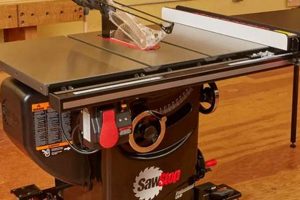
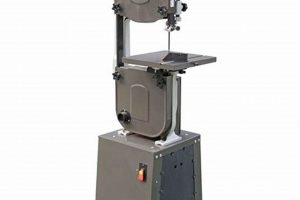
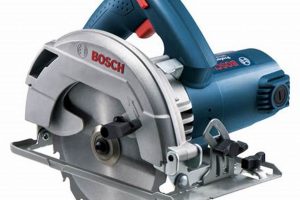
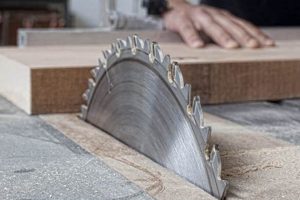
These tools represent a class of saws specifically designed for efficiently cutting large sheets of material. Commonly employed in cabinetmaking, furniture production, and other wood-based fabrication processes, these saws enable precise dimensioning of stock materials. A sliding table saw, for instance, exemplifies a particular type of this equipment, known for its ability to handle sizable workpieces with accuracy.
The application of this equipment significantly enhances workflow and precision in professional workshops. Their use leads to improved material yield, reduced cutting errors, and ultimately, a higher quality finished product. Historically, the development of these saws addressed the need for a more manageable and accurate method of processing sheet goods compared to earlier hand-tool or less specialized power-tool methods.
The subsequent sections will delve into the various types available, crucial considerations for selection, safe operation practices, and essential maintenance procedures to ensure longevity and optimal performance.
Essential Usage Tips
To maximize efficiency and safety when operating this type of saw, adherence to specific guidelines is crucial. The following tips provide essential information for achieving optimal results.
Tip 1: Material Support: Employ outfeed and infeed support tables or rollers to manage large panels. Adequate support prevents material sag, ensuring consistent cuts and minimizing the risk of kickback.
Tip 2: Blade Selection: Choose saw blades appropriate for the material being processed. Using a blade designed for plywood on solid hardwood, or vice versa, can result in splintering, tear-out, or reduced cut quality.
Tip 3: Proper Alignment: Regularly check the saw blade’s alignment with the fence or guide rail. Misalignment introduces inaccuracies and compromises cut precision.
Tip 4: Feed Rate Control: Maintain a consistent feed rate, avoiding excessive force. Forcing material through the blade can cause motor strain, burning, or kickback. A smooth, deliberate feed ensures a clean cut.
Tip 5: Dust Collection: Utilize a robust dust collection system. Effective dust removal improves visibility, reduces airborne particles, and minimizes potential respiratory hazards.
Tip 6: Regular Inspection: Periodically inspect the machine for loose hardware, worn components, or lubrication needs. Addressing these issues proactively extends the equipment’s lifespan and maintains operational safety.
Tip 7: Squaring the Panel: Ensure the material is accurately squared before initiating any cuts. Begin by establishing one perfectly square edge and reference all subsequent cuts from that edge. This practice guarantees dimensional accuracy in the final product.
Implementing these suggestions fosters safer operation, increases the lifespan of the equipment, and produces higher-quality results. Prioritizing these aspects will significantly enhance the woodworking process.
The following section details aspects of maintenance to further ensure the longevity of your tool.
1. Dimensional Accuracy
Dimensional accuracy is a fundamental requirement when utilizing woodworking panel saws. The ability to consistently produce cuts within specified tolerances is crucial for the quality and structural integrity of finished wood products. Panel saws, by design, facilitate the precise processing of sheet goods; however, achieving optimal accuracy necessitates a comprehensive understanding of the contributing factors.
- Machine Calibration
The inherent accuracy of a panel saw is directly dependent on its calibration. Blade alignment, fence parallelism, and squareness of the cutting table are essential parameters. Regular calibration checks and adjustments are necessary to mitigate deviations caused by wear, vibration, or mechanical stress. Improper calibration introduces cumulative errors, compromising the accuracy of subsequent cuts and potentially rendering components unusable.
- Material Properties
The physical characteristics of the material being processed influence dimensional accuracy. Wood density, moisture content, and internal stresses can affect cutting behavior. Dense hardwoods may require slower feed rates and sharper blades to prevent splintering or tear-out. Similarly, variations in moisture content can induce warping or expansion after cutting, altering the final dimensions. Careful consideration of material properties and appropriate adjustments to cutting parameters are essential for minimizing these effects.
- Cutting Techniques
Operator technique plays a significant role in achieving dimensional accuracy. Consistent feed rates, proper workpiece support, and precise positioning relative to the blade are critical. Hesitation or jerky movements can result in uneven cuts and dimensional variations. The use of appropriate clamping or holding devices further enhances stability and minimizes the risk of material movement during the cutting process.
- Blade Selection and Maintenance
The choice of saw blade directly impacts the quality and accuracy of cuts. Blade geometry, tooth count, and sharpness must be appropriate for the material being processed. Dull or damaged blades can lead to inaccurate cuts, splintering, and increased friction, potentially causing material burning. Regular blade sharpening and replacement are necessary to maintain optimal cutting performance and dimensional accuracy.
In conclusion, dimensional accuracy in panel saw operations is a multifaceted concept encompassing machine calibration, material properties, operator technique, and blade maintenance. Addressing each of these factors systematically is essential for maximizing the precision and consistency of cuts, ultimately contributing to the production of high-quality woodworking projects. The initial investment in quality blades and maintenance pays dividends in reduced waste and improved product quality.
2. Blade Performance

Blade performance is an instrumental determinant of the overall effectiveness and quality of woodworking panel saws. The interaction between the blade and the workpiece directly influences cut precision, surface finish, and operational safety. A blade exhibiting suboptimal performance can lead to inaccurate dimensions, tear-out, burning, and an increased risk of kickback, compromising the integrity of the finished product and posing potential hazards to the operator. Consider, for example, a scenario involving the fabrication of cabinet doors. If the panel saw blade lacks sufficient sharpness or appropriate tooth geometry for the chosen material, the resulting cuts may exhibit splintering along the edges, requiring additional processing and potentially rendering the component unusable. This underscores the direct cause-and-effect relationship between blade condition and the quality of the output.
The selection of the appropriate blade for a specific task is paramount. Blades designed for ripping solid wood differ significantly from those intended for crosscutting or processing sheet goods such as plywood or MDF. A ripping blade, characterized by a lower tooth count and a steeper hook angle, is optimized for efficient material removal along the grain. Conversely, a crosscut blade, with a higher tooth count and a shallower hook angle, produces cleaner cuts across the grain, minimizing splintering. Utilizing the wrong blade type can result in poor cut quality, increased cutting time, and accelerated blade wear. Furthermore, the material composition of the blade itself plays a crucial role. Carbide-tipped blades, for instance, offer superior durability and longevity compared to high-speed steel blades, particularly when working with abrasive materials. However, carbide-tipped blades are typically more expensive and require specialized sharpening equipment. The application of a high quality blade improves operational effectiveness. This understanding is vital for anyone working with woodworking panel saws.
In summation, blade performance constitutes a critical component of panel saw operation, directly impacting cut quality, efficiency, and safety. Careful consideration of blade type, material compatibility, and maintenance practices is essential for maximizing the potential of woodworking panel saws and achieving consistently accurate and professional results. Challenges related to blade performance, such as selecting the optimal blade for a given application and maintaining blade sharpness, can be addressed through education, experience, and adherence to established best practices.
3. Material Support

Material support is an indispensable aspect of woodworking panel saw operation, directly influencing cut accuracy, safety, and overall efficiency. Proper material support mitigates the risks associated with handling large sheet goods, ensuring consistent and predictable cutting results. Without adequate support, workpieces may flex, vibrate, or shift during the cutting process, leading to inaccurate dimensions, splintering, and potential hazards. Therefore, an understanding of the principles and techniques of material support is crucial for anyone operating this type of equipment.
- Outfeed and Infeed Tables
Outfeed and infeed tables provide a stable, level surface for supporting the workpiece before and after the cut. These tables minimize material sag, preventing binding of the blade and reducing the risk of kickback. For example, when cutting a large sheet of plywood, the weight of the unsupported material can cause it to droop, altering the cutting angle and resulting in an inaccurate cut. Outfeed and infeed tables maintain a consistent plane, ensuring a uniform cut depth and improved dimensional accuracy.
- Roller Stands
Roller stands offer dynamic support, allowing for smooth and controlled movement of the workpiece during the cut. These stands are particularly useful when processing long or heavy materials that require constant support. For instance, when ripping a long board, roller stands positioned along the infeed and outfeed sides of the saw maintain consistent contact with the table, preventing the board from tipping or twisting. This reduces friction and allows for a smoother, more accurate cut.
- Extension Wings
Extension wings, typically attached to the saw table, extend the overall work surface, providing increased support for large sheet goods. These wings expand the saw’s capacity, allowing for the processing of materials that would otherwise be too large or unwieldy. Consider the case of a cabinetmaker cutting large panels for a wardrobe. Extension wings provide ample support, preventing the panel from overhanging the table and ensuring a stable cutting platform.
- Vacuum Clamping Systems
Vacuum clamping systems offer a non-mechanical means of securing workpieces to the saw table. These systems utilize vacuum pressure to hold the material firmly in place, eliminating the need for traditional clamps. This is particularly advantageous when processing delicate materials that are susceptible to damage from clamping pressure. In a furniture making shop, a vacuum clamping system might be used to secure thin veneer sheets for precise trimming, preventing movement and ensuring a clean, tear-free cut.
The implementation of appropriate material support systems is essential for maximizing the accuracy, safety, and efficiency of woodworking panel saw operations. The selection of the optimal support method depends on the size, weight, and characteristics of the material being processed. By providing consistent and reliable support, these systems mitigate the risks associated with handling large sheet goods, leading to improved cut quality and enhanced operator safety. Proper material support facilitates greater operational accuracy.
4. Safety Mechanisms

The integration of safety mechanisms within woodworking panel saws is paramount due to the inherent risks associated with high-speed rotating blades and large material handling. These mechanisms are engineered to mitigate potential hazards, protecting operators from injury and minimizing the likelihood of accidents during operation. The presence and proper functioning of these safeguards are critical for ensuring a safe working environment.
- Blade Guards
Blade guards serve as a physical barrier between the operator and the rotating saw blade. Typically constructed from transparent, impact-resistant materials, they allow for clear visibility of the cutting process while preventing accidental contact with the blade. In scenarios where the operator’s hand slips or the material kicks back, the blade guard provides a crucial layer of protection, significantly reducing the risk of severe lacerations or amputations. Some advanced models incorporate self-adjusting mechanisms that automatically adapt to the material thickness, maximizing safety without hindering cutting performance.
- Emergency Stop Devices
Emergency stop devices, often in the form of readily accessible push buttons, provide a means to immediately halt the saw’s operation in the event of an imminent hazard. These devices are strategically positioned around the machine, enabling quick activation from various operating positions. In a situation where the material binds unexpectedly or the operator loses control of the cutting process, activating the emergency stop can prevent further damage and potential injury. The effectiveness of emergency stop devices relies on their reliability and ease of access, ensuring a prompt response in critical situations.
- Anti-Kickback Systems
Anti-kickback systems are designed to prevent the workpiece from being forcefully ejected back towards the operator during the cutting process. These systems typically incorporate pawls or riving knives that prevent the material from lifting or twisting during the cut, minimizing the risk of kickback. Should the material begin to bind or pinch the blade, the anti-kickback mechanism engages, preventing the workpiece from being propelled back towards the operator with considerable force. The proper installation and adjustment of anti-kickback systems are essential for their effective operation.
- Dust Collection Ports
While not directly preventing physical injury, effective dust collection ports play a crucial role in maintaining a safe working environment. These ports, connected to a dust collection system, remove airborne wood particles generated during cutting operations, improving visibility and reducing the risk of respiratory ailments. Excessive dust accumulation can obscure the cutting line, increasing the likelihood of errors and potential accidents. Moreover, prolonged exposure to wood dust can lead to various health problems, including asthma and other respiratory conditions. The use of dust collection systems promotes a cleaner, healthier, and safer working environment.
These safety mechanisms, when properly implemented and maintained, significantly reduce the risks associated with woodworking panel saw operation. Regular inspection, adjustment, and adherence to established safety protocols are essential for ensuring their continued effectiveness and protecting the well-being of operators. The integration of these safeguards reflects a commitment to promoting a culture of safety within woodworking environments.
5. Maintenance Protocols
Adherence to rigorous maintenance protocols is critical for ensuring the long-term performance, accuracy, and safety of woodworking panel saws. Neglecting routine maintenance can lead to diminished cutting precision, increased component wear, and elevated risk of operational hazards. The following outlines key facets of maintenance protocols essential for preserving the functionality and reliability of this equipment.
- Blade Sharpening and Replacement
Regular blade sharpening is crucial for maintaining optimal cutting efficiency and minimizing the risk of tear-out or burning. Dull blades necessitate increased force to cut through the material, placing undue stress on the saw motor and increasing the likelihood of kickback. The frequency of sharpening depends on the type of material being processed and the blade’s composition. When sharpening is no longer effective, or the blade exhibits significant damage, replacement becomes necessary to ensure consistent cut quality and operational safety. An example would be the creation of cabinet doors. To ensure a crisp, clean, glue-ready edge, the blade must be at its peak sharpness.
- Lubrication of Moving Parts
The consistent lubrication of moving parts, such as bearings, slides, and gears, is essential for reducing friction, minimizing wear, and preventing premature component failure. Insufficient lubrication can lead to increased heat generation, accelerated wear, and eventual seizure of moving parts. A schedule of periodic lubrication using appropriate lubricants, as specified by the manufacturer, prolongs the lifespan of critical components and ensures smooth, reliable operation. Proper lubrication also plays a key role in maintaining the accuracy of the saw’s movements, reducing the risk of dimensional errors in the finished product. The proper lubrication for a woodworking panel saw contributes to less down time overall.
- Alignment and Calibration Checks
Periodic alignment and calibration checks are necessary to maintain the saw’s cutting accuracy and ensure that all components are properly aligned and adjusted. Misalignment of the blade, fence, or miter gauge can lead to inaccurate cuts, dimensional errors, and increased material waste. Routine checks using precision measuring tools, such as squares, levels, and dial indicators, allow for early detection of alignment issues and facilitate timely adjustments. Proper calibration ensures that the saw operates within specified tolerances, producing consistent and accurate results. For example, during the machining process for producing material for furniture building, perfect alignment is required. All elements must be working in perfect tandem.
- Dust Collection System Maintenance
Maintenance of the dust collection system is critical for maintaining a clean and safe working environment, preventing respiratory hazards, and ensuring optimal performance of the saw. A clogged or malfunctioning dust collection system can lead to increased dust accumulation, reduced visibility, and potential health risks. Regular cleaning of filters, hoses, and collection bags is essential for maintaining adequate airflow and preventing system blockages. A well-maintained dust collection system improves operator visibility, reduces the risk of respiratory ailments, and contributes to a cleaner, more efficient workspace. A safe and clean workspace is a efficient and productive workspace.
These maintenance protocols, when diligently implemented, contribute significantly to the longevity, accuracy, and safety of woodworking panel saws. Failure to adhere to these protocols can result in increased downtime, diminished cut quality, and elevated risk of accidents. Therefore, prioritizing routine maintenance is essential for maximizing the return on investment and ensuring the sustained performance of this essential woodworking equipment. Regular maintenance increases operational profitability.
Frequently Asked Questions
The following questions address common inquiries regarding the operation, maintenance, and selection of this equipment. These responses aim to provide clear and concise information for professionals and hobbyists alike.
Question 1: What are the primary advantages of utilizing woodworking panel saws compared to alternative cutting methods?
These saws offer increased precision and efficiency when processing large sheet materials. Their design minimizes tear-out and ensures dimensional accuracy, reducing material waste and labor costs.
Question 2: How frequently should blades be sharpened or replaced on woodworking panel saws?
Blade sharpness depends on usage frequency and material type. Regular inspection is crucial; blades should be sharpened when cutting performance diminishes or replaced when damage is evident.
Question 3: What are the essential safety precautions to observe when operating woodworking panel saws?
Compliance with all safety guidelines, including the use of eye and ear protection, is mandatory. Ensuring proper blade guards and anti-kickback devices are in place is also essential.
Question 4: What is the recommended method for maintaining the accuracy of the fence and miter gauge on woodworking panel saws?
Regular calibration using precision measuring tools is necessary. The fence and miter gauge should be checked for squareness and parallelism to the blade, and adjustments should be made as needed.
Question 5: What factors should be considered when selecting a woodworking panel saw for a specific application?
Consider the size and type of materials to be processed, the available workspace, and the required level of precision. Machine capacity and power should align with the demands of the intended applications.
Question 6: What are the common causes of tear-out when using woodworking panel saws, and how can it be prevented?
Tear-out can result from dull blades, improper blade selection, or excessive feed rates. Employing sharp blades appropriate for the material and maintaining a controlled feed rate can mitigate this issue.
These FAQs provide a concise overview of key considerations related to operation of this equipment. Further research and training are recommended for comprehensive understanding.
The following section will present the conclusion of the article.
In Conclusion
This exposition has sought to elucidate the critical aspects of woodworking panel saws, encompassing their operational principles, maintenance requirements, and safety protocols. The discussion has emphasized the importance of selecting appropriate equipment, adhering to rigorous maintenance schedules, and prioritizing safety considerations to optimize performance and minimize potential hazards. The multifaceted nature of achieving precision and efficiency in woodworking processes necessitates a comprehensive understanding of these saws.
Continued advancements in saw technology promise further enhancements in cutting precision, material handling, and operator safety. The informed application of these tools, coupled with a commitment to ongoing education and best practices, remains paramount for professionals seeking to elevate the quality and efficiency of their woodworking endeavors. The responsible and skilled utilization of this class of woodworking equipment will continue to shape the landscape of wood-based fabrication.