



These tools are designed for unique or complex woodworking tasks where standard clamping mechanisms prove inadequate. Offering precision and adaptability, they facilitate the secure holding of oddly shaped components or the application of specific pressure points during assembly. Examples include edge banding clamps, miter clamps, and band clamps, each engineered to address particular joinery challenges.
Their significance lies in the ability to achieve accurate and durable bonds in challenging projects. By providing solutions for intricate angles, curves, and unconventional shapes, they enhance the overall quality and structural integrity of the finished product. Historically, advancements in these clamping devices have expanded the scope of woodworking possibilities, allowing craftspeople to realize more ambitious and creative designs.
The subsequent sections will delve into specific categories of these versatile tools, exploring their individual functionalities, appropriate applications, and best practices for optimal performance within a woodworking environment.
Specialty Woodworking Clamps
Effective application of specialized clamping mechanisms is crucial for achieving precise and durable woodworking outcomes. The following guidance offers practical insights for selecting and utilizing these tools appropriately.
Tip 1: Prioritize material compatibility. Select clamps with jaw pads or protective features appropriate for the type of wood being used to prevent marring or indentation of the surface.
Tip 2: Understand the force distribution capabilities. Different types apply pressure in varying patterns. Select the type that offers the most even distribution for the particular joint being assembled to avoid stress points.
Tip 3: Ensure adequate throat depth. The throat depth determines the maximum distance from the edge of the workpiece that the clamp can reach. Consider this dimension in relation to the size and complexity of the project.
Tip 4: Regularly inspect for wear and tear. Examine the threads, pads, and frame for damage that could compromise clamping force or accuracy. Replace components or the entire clamp as needed.
Tip 5: Utilize appropriate accessories. Jigs, cauls, and shims can enhance the effectiveness and accuracy of the clamping process, particularly when dealing with curved or irregularly shaped components.
Tip 6: When using band clamps, ensure the band is evenly tensioned. Uneven tension can result in distortion of the assembly. Employ a tensioning mechanism that allows for consistent force distribution.
Tip 7: Avoid over-tightening. Excessive clamping force can damage the wood fibers and weaken the joint. Apply only the necessary pressure to achieve a secure bond, guided by the adhesive manufacturer’s recommendations.
Adhering to these guidelines promotes safer and more effective use, leading to improved project quality and longevity. Careful consideration of these factors will contribute to the successful completion of intricate woodworking endeavors.
The final section will summarize the key considerations discussed and offer some additional resources for further exploration of this topic.
1. Unique Joint Geometry

The complexity inherent in non-standard joint designs necessitates specialized clamping solutions. Unique angles, curves, or compound miter joints demand clamping methods capable of exerting targeted pressure across unconventional surfaces. Standard clamps often prove inadequate, resulting in misalignment, gapping, or compromised structural integrity. The effectiveness of specialized clamps lies in their ability to adapt to these geometric challenges, ensuring consistent and accurate joint closure.
Consider a situation involving the creation of a curved table apron. Standard bar clamps may be insufficient to maintain uniform pressure along the curved edge during glue-up. A specialized band clamp, designed to conform to the specific curvature, provides the necessary pressure distribution, ensuring a tight and gap-free joint. Similarly, intricate dovetail joints, with their multiple intersecting surfaces, may require purpose-built dovetail clamps to ensure precise alignment and maximum gluing surface contact.
In conclusion, unique joint geometry presents distinct clamping challenges that traditional methods often cannot overcome. Specialized clamping mechanisms directly address these issues, enabling the construction of complex and aesthetically pleasing woodworking projects with enhanced structural stability. Recognizing this connection allows woodworkers to select the appropriate tools for the task, leading to improved accuracy, efficiency, and overall project quality.
2. Precise Pressure Application
Precise pressure application stands as a cornerstone of successful woodworking, and specialized clamping mechanisms are instrumental in achieving this crucial element. The application of incorrect or uneven pressure during the glue-up phase can lead to structural weaknesses, misalignment of components, and aesthetically undesirable results. Clamps designed for specific tasks, such as those used for mitered corners or curved laminations, address this challenge by distributing force in a controlled and predictable manner. This controlled force application is paramount in ensuring that joints are tight, adhesives bond effectively, and the finished piece exhibits the desired stability and appearance.
Consider the fabrication of a segmented bowl. Each segment, cut at a precise angle, must be joined to its neighboring piece with consistent pressure to create a seamless and structurally sound ring. A band clamp, specifically designed for this purpose, encircles the assembly and applies uniform force, preventing individual segments from shifting during the adhesive curing process. Similarly, when edge-banding a large panel, specialized edge clamps apply concentrated pressure along the edge, ensuring a tight bond between the edging material and the substrate, preventing gaps and promoting a clean, professional finish. These examples illustrate how these tools are not merely holding devices but integral components in achieving desired outcomes through calibrated force application.
In summary, precise pressure application is intrinsically linked to the utility and effectiveness of these tools. By enabling woodworkers to exert controlled and directed force, they contribute directly to the structural integrity, dimensional accuracy, and aesthetic appeal of finished pieces. The selection and proper utilization of specialized clamping mechanisms are therefore critical for achieving optimal results in a wide range of woodworking projects.
3. Material Compatibility Focus

Material compatibility represents a critical consideration in the selection and application of these specialized clamping mechanisms. Wood, being a diverse and often delicate medium, requires careful handling during the assembly process to prevent damage, deformation, or discoloration. The choice of clamping device and its interaction with the specific wood species significantly impacts the final outcome.
- Jaw Pad Material Selection
The composition of the clamping jaws directly influences potential damage to the workpiece. Hardened steel jaws, while durable, can leave indentations on softer woods such as pine or cedar. Clamps equipped with softer materials like cork, rubber, or specialized polymers provide a protective barrier, distributing pressure evenly and minimizing the risk of surface marring. The selection of appropriate pad materials is crucial for preserving the integrity of the wood surface.
- Clamp Pressure Regulation
Different wood species exhibit varying degrees of compressive strength. Over-tightening clamps on softer woods can lead to crushing of the wood fibers, weakening the joint and creating an unsightly appearance. Clamps with adjustable pressure settings or those designed to exert consistent, moderate force are essential for preventing damage to delicate materials. The ability to regulate clamping pressure is paramount when working with hardwoods, softwoods, and engineered wood products.
- Chemical Reactivity Considerations
Certain metals used in clamp construction can react with chemicals present in wood or wood adhesives, leading to discoloration or corrosion. For example, iron clamps in contact with woods high in tannic acid, such as oak, may cause staining. Stainless steel or coated clamps offer a barrier against these chemical interactions, ensuring that the clamping process does not negatively impact the aesthetic or structural properties of the wood.
- Clamp Design and Surface Area
The design of the clamp itself, particularly the surface area in contact with the wood, influences the distribution of pressure. Clamps with larger surface areas tend to distribute force more evenly, reducing the risk of localized stress points. Conversely, clamps with small contact points can exert concentrated pressure, potentially damaging the wood. Selecting clamps with appropriate surface areas for the specific wood species and joint configuration is crucial for preventing localized damage.
These elements underscore the importance of a material compatibility focus when employing specialized clamping solutions. Careful consideration of the jaw pad material, pressure regulation capabilities, potential chemical reactivity, and clamp design enables woodworkers to select the optimal clamping device for each project, ensuring the preservation of wood integrity and the achievement of high-quality results.
4. Project Complexity Reduction

The inherent challenges of intricate woodworking projects often necessitate specialized tools to streamline processes and ensure accuracy. Specialized clamps play a crucial role in mitigating complexity, allowing for the successful execution of designs that would otherwise prove exceedingly difficult or impossible to achieve with standard clamping methods.
- Enhanced Accuracy in Joint Assembly
Complex joinery, such as compound miters or dovetails, demands precise alignment during glue-up. Dedicated clamps, like miter clamps or dovetail clamps, provide the necessary support and pressure to ensure accurate alignment, reducing the risk of errors that would require rework or compromise structural integrity. This precision simplifies the assembly process, minimizing the potential for misaligned or weakened joints.
- Simplified Handling of Irregular Shapes
Curved or unusually shaped components present significant clamping challenges. Standard clamps are often ill-suited for these geometries, requiring cumbersome setups and often yielding inconsistent results. Band clamps, flexible hose clamps, or custom-built clamping jigs can effectively conform to irregular shapes, providing uniform pressure and simplifying the clamping process, thereby reducing the time and effort required to secure these components.
- Minimized Fixture Construction
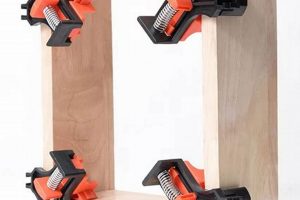
Complex projects frequently require elaborate temporary fixtures to hold components in place during assembly. Specialized clamps, such as right-angle clamps or edge clamps, can often eliminate the need for these fixtures by providing direct and secure holding power. This reduction in fixture construction saves time, materials, and labor, contributing to a more efficient workflow.
- Improved Access and Maneuverability
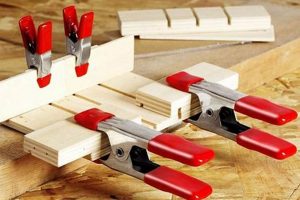
Confined spaces or intricate assemblies can restrict access for standard clamps, making it difficult to apply adequate pressure. Compact or specialized clamps with unique designs, such as spring clamps or micro clamps, offer improved access and maneuverability, allowing for precise clamping even in tight or awkward locations. This improved accessibility simplifies the clamping process and reduces the potential for damage to surrounding components.
In summary, specialized clamping mechanisms directly contribute to project complexity reduction by enhancing accuracy, simplifying the handling of irregular shapes, minimizing the need for complex fixtures, and improving access in confined spaces. The strategic application of these tools enables woodworkers to tackle intricate designs with greater confidence and efficiency, ultimately leading to improved project outcomes and a more streamlined workflow. Ignoring the potential benefits of specialized clamps can needlessly complicate projects, increasing the risk of errors and extending the overall build time.
5. Assembly Efficiency Enhancement

The integration of specialized woodworking clamps directly correlates with augmented assembly efficiency in diverse woodworking projects. This enhancement stems from the clamp’s ability to streamline processes that conventional clamps often render cumbersome or time-intensive. Specialized clamps, designed for specific joint configurations or material properties, reduce setup time, minimize adjustments, and ensure consistent clamping pressure, thereby expediting the overall assembly process. Examples include miter clamps facilitating rapid corner joints and band clamps enabling efficient assembly of curved components. The efficiency gains translate to reduced labor costs, accelerated project completion timelines, and increased throughput for woodworking operations.
Furthermore, specialized clamps contribute to a reduction in errors and rework, a critical aspect of assembly efficiency. By providing precise alignment and consistent pressure, these clamps minimize the occurrence of misaligned joints or gaps, which often necessitate costly and time-consuming corrections. The use of edge clamps, for instance, guarantees a tight bond between edge banding and substrate, precluding the need for subsequent repair or replacement of improperly adhered edging. This proactive error prevention significantly enhances overall efficiency by minimizing wasted materials and labor hours.
In conclusion, the effective implementation of these clamps yields tangible improvements in assembly efficiency by accelerating setup, minimizing errors, and ensuring consistent quality. The strategic selection and utilization of such clamps, tailored to the specific demands of each woodworking project, are indispensable for optimizing workflow and achieving enhanced operational effectiveness. These enhancements contribute to improved profitability and competitiveness in the woodworking sector.
Frequently Asked Questions
This section addresses common inquiries regarding the application, selection, and maintenance of specialized clamping mechanisms used in woodworking.
Question 1: What distinguishes specialized woodworking clamps from standard clamps?
These tools are engineered for specific woodworking tasks and joint configurations that standard clamps cannot effectively address. Their design accommodates unique shapes, angles, or pressure requirements, ensuring optimal clamping force and accuracy in challenging applications.
Question 2: How does one determine the appropriate type for a particular woodworking project?
Selection depends on the joint geometry, wood species, and desired outcome. Consider the shape of the components being joined, the clamping force required, and the potential for damage to the wood surface. Consult product specifications and reviews to identify the most suitable option.
Question 3: What are the key maintenance procedures to prolong the lifespan of these clamping mechanisms?
Regularly clean clamping surfaces to remove adhesive residue and debris. Inspect for wear and tear, particularly on threads and pads. Lubricate moving parts as needed. Store in a dry environment to prevent rust and corrosion.
Question 4: Can specialized clamps be used with all types of wood adhesives?
Yes, they can generally be used with all types of wood adhesives. However, it is imperative to adhere to the adhesive manufacturer’s recommendations regarding clamping time and pressure to ensure optimal bond strength.
Question 5: What safety precautions should be observed when using these tools?
Always wear appropriate eye protection. Ensure that the workpiece is stable and supported before applying clamping pressure. Avoid over-tightening, which can damage the wood or the clamp itself. Never use damaged or malfunctioning clamps.
Question 6: Are there alternatives to specialized clamps for complex woodworking projects?
While alternatives exist, such as custom-built jigs or improvised clamping solutions, these are often less precise and less efficient than dedicated clamps. Specialized clamps offer a reliable and repeatable method for achieving accurate and durable joints in challenging woodworking scenarios.
These FAQs provide a foundational understanding of specialized clamping mechanisms. Further research and experimentation are encouraged to fully leverage their capabilities.
The subsequent section presents a comprehensive guide to selecting the optimal clamping solution for various woodworking applications.
Specialty Woodworking Clamps
This exploration has underscored the essential role of specialized woodworking clamps in achieving precision, efficiency, and structural integrity within diverse woodworking projects. The analysis has highlighted their unique capabilities in handling complex joinery, applying controlled pressure, ensuring material compatibility, reducing project complexity, and enhancing overall assembly efficiency. Recognizing these attributes is crucial for informed tool selection and optimized project outcomes.
The judicious application of these specialized tools represents a significant investment in the quality and longevity of woodworking creations. Continued advancements in clamp technology promise even greater precision and adaptability, further expanding the possibilities for intricate and durable designs. Prioritizing the appropriate clamping solution remains paramount for woodworkers seeking to elevate their craftsmanship and achieve consistently superior results.
![Top-Rated: Best Quick Clamps for Woodworking Projects [2024] | Step-by-Step Guides, Tools & Inspiration to Build Beautiful Wooden Decor on a Budget](https://woodfromhome.com/wp-content/uploads/2026/04/th-264-300x200.jpg "Top-Rated: Best Quick Clamps for Woodworking Projects [2024] Step-by-Step Guides, Tools & Inspiration to Build Beautiful Wooden Decor on a Budget")