



The convergence of computer numerical control (CNC) technology and woodworking yields intricate and precise physical models, functional prototypes, and finished products. The application of this technology involves utilizing specialized software to create digital models, which are then translated into machine instructions to guide cutting tools. A common example is the creation of custom furniture components with complex geometries and detailing.
This intersection of digital design and manufacturing offers significant advantages. It allows for the rapid prototyping of ideas, the efficient production of identical parts in high volumes, and the creation of geometries that would be difficult or impossible to achieve through manual methods. Historically, these techniques have revolutionized fields from aerospace engineering to architectural modeling, and now exert considerable influence on woodworking practices.
Further exploration of this topic encompasses several key aspects, including an overview of the software tools employed, an examination of the various types of CNC machines utilized, a discussion of material considerations, and an analysis of the design principles that optimize manufacturing processes. These elements are critical for understanding the full potential of digitally driven fabrication in the context of crafting wooden objects.
Essential Considerations for CNC Woodworking
Optimizing outcomes in CNC woodworking requires careful attention to several critical areas. Proper planning and execution are vital for achieving both precision and efficiency.
Tip 1: Material Selection is Paramount. The choice of wood species significantly impacts cutting parameters and finishing techniques. Softer woods require faster feed rates and potentially less aggressive cutting tools, while hardwoods demand slower speeds and greater stability to prevent burning or splintering.
Tip 2: Toolpath Optimization is Crucial. Strategic toolpath planning minimizes material waste, reduces machining time, and enhances surface finish. Implementing climb milling where appropriate can prevent tear-out, particularly in hardwoods, while conventional milling may be suitable for roughing operations.
Tip 3: Secure Workholding is Non-Negotiable. Inadequate workholding can lead to inaccuracies, chatter, and even damage to the cutting tool or the workpiece. Utilize vacuum clamping, mechanical clamps, or specialized jigs to ensure stability throughout the machining process.
Tip 4: Maintain Optimal Cutting Parameters. Adjust spindle speed and feed rate based on the material, tool diameter, and depth of cut. Utilizing a feeds and speeds calculator can help determine appropriate parameters, but adjustments may be necessary based on real-time observations.
Tip 5: Prioritize Dust Extraction. Wood dust poses both a health hazard and a hindrance to visibility. Implement an effective dust collection system to maintain a clean and safe working environment. Additionally, minimizing dust buildup improves the accuracy of the CNC machine’s sensors.
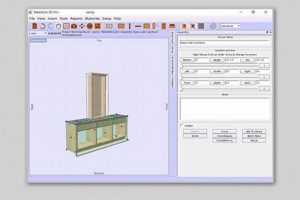
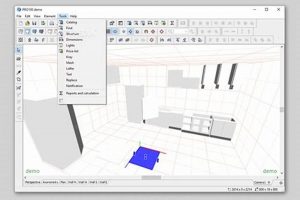
Tip 6: Validate Designs Through Simulation. Employ CAD/CAM software with simulation capabilities to identify potential collisions, toolpath inefficiencies, or design flaws prior to actual machining. This step minimizes material waste and reduces the risk of machine damage.
Tip 7: Account for Wood Movement. Wood is a hygroscopic material, meaning it expands and contracts with changes in humidity. Incorporate design allowances to accommodate potential wood movement, particularly in large or intricate projects. Consider using joinery methods that allow for slight variations in dimension.
Adhering to these guidelines will significantly improve the quality and efficiency of CNC woodworking endeavors, resulting in more predictable and desirable outcomes.
Further refinement of these techniques necessitates continuous learning and experimentation, adapting to new materials, tooling, and software advancements.
1. Software Compatibility

Software compatibility is a foundational element in the workflow of digitally-driven woodworking. It dictates the extent to which a design can be accurately translated into machine-executable instructions, thereby influencing the precision, efficiency, and feasibility of a project.
- File Format Support
CNC machines require specific file formats (e.g., G-code) to interpret cutting instructions. Software incompatibility arises when the design software cannot export or the CNC machine controller cannot import these formats. This necessitates using conversion software, which can introduce errors or require manual adjustments, impacting accuracy and increasing workflow complexity. For example, an intricate 3D model created in SolidWorks must be accurately converted to G-code readable by a specific CNC router’s control system.
- Post-Processor Accuracy
Post-processors translate generic toolpaths into machine-specific code. An inaccurate post-processor will generate code that may cause the CNC machine to perform unintended actions, leading to damaged workpieces, broken tools, or even machine malfunction. Compatibility issues can stem from outdated or poorly configured post-processors that do not account for the specific kinematics or control parameters of a given CNC machine. Consider a scenario where a post-processor incorrectly defines the axis orientation, resulting in cuts being performed on the wrong plane.
- Operating System and Hardware Requirements
CNC software often has specific operating system and hardware requirements. Incompatibility with these requirements can result in unstable performance, limited functionality, or complete inability to run the software. This can force users to rely on older, less capable software or require expensive hardware upgrades. Imagine attempting to run a modern CAD/CAM package on an outdated computer; performance bottlenecks and software crashes would severely hinder productivity.
- Data Integrity Across Platforms
In a collaborative environment, designs may be created and modified using different software platforms. Ensuring data integrity during file transfers and conversions is crucial to avoid errors. Incompatible units of measurement, missing features, or corrupted geometry can lead to inaccurate machining. Consider a scenario where a design is transferred from a metric-based CAD system to an inch-based CAM system without proper conversion, resulting in significantly undersized parts.
In essence, software compatibility is not merely a technical detail but a critical factor influencing the entire digitally-driven woodworking process. Addressing compatibility issues proactively minimizes errors, streamlines workflows, and ultimately ensures the successful realization of complex and precise woodworking projects. The selection of compatible software and hardware components is therefore a fundamental consideration for any digitally-driven woodworking endeavor.
2. Toolpath Generation

Toolpath generation is a critical process in digitally-driven woodworking. It bridges the gap between a digital design and the physical execution by a CNC machine, determining the precise movements of the cutting tool to realize the intended form. The efficiency and accuracy of the resulting woodwork are directly contingent upon the quality of the generated toolpaths.
- Cutting Strategy Optimization
Effective toolpath generation involves selecting appropriate cutting strategies such as pocketing, contouring, and profiling. The choice of strategy impacts material removal rate, surface finish, and tool wear. For instance, using a spiral pocketing strategy can minimize abrupt changes in tool direction, leading to smoother cuts and reduced stress on the cutting tool, particularly when working with hardwoods. An incorrect strategy might lead to inefficient material removal or excessive tool wear, thereby compromising the final product.
- Tool Selection and Parameters
Toolpath generation necessitates selecting the correct cutting tool and defining appropriate parameters such as feed rate, spindle speed, and depth of cut. Mismatched tools or incorrect parameters can result in poor surface finish, material burning, or even tool breakage. Selecting a compression spiral bit for plywood, for example, prevents tear-out on both the top and bottom surfaces. Conversely, using a single-flute bit at an excessively high feed rate could induce chatter and degrade the cut quality.
- Simulation and Verification
Modern CAM software offers simulation capabilities that allow users to visualize the generated toolpaths and identify potential collisions, gouges, or other errors before machining. This process is critical for preventing costly mistakes and ensuring the safe operation of the CNC machine. Simulating a complex 3D carving, for instance, can reveal areas where the toolpath might intersect the workpiece in an unintended manner, allowing for adjustments to be made before any physical material is cut.
- Material-Specific Considerations
Different wood species exhibit varying machining characteristics that must be considered during toolpath generation. Softer woods may require different cutting parameters than hardwoods to achieve optimal results. Grain direction also plays a significant role, as cutting against the grain can lead to tear-out or splintering. Generating toolpaths that account for these material-specific considerations ensures a cleaner and more precise final product. A toolpath designed for maple, if used on pine without adjustment, would likely result in a poor surface finish due to the differences in material density and grain structure.
In conclusion, toolpath generation is an indispensable process in CNC woodworking, demanding careful attention to cutting strategies, tool selection, simulation, and material properties. The integration of these facets ensures the creation of efficient, accurate, and safe toolpaths, directly influencing the quality and success of digitally-driven woodworking projects.
3. Material Properties

The inherent characteristics of wood, collectively known as material properties, exert a profound influence on the design and execution of digitally-driven woodworking. These properties dictate the feasibility, precision, and aesthetic outcome of projects, necessitating careful consideration during the design and manufacturing phases.
- Wood Density and Hardness
Density and hardness directly impact cutting parameters, tool wear, and surface finish. Denser, harder woods require slower feed rates and more robust cutting tools to prevent burning or excessive tool wear. Conversely, softer woods demand careful management to avoid tear-out or splintering. For example, designing intricate details in a dense hardwood like maple necessitates precise control over spindle speed and feed rate to achieve clean cuts and avoid tool breakage. Utilizing the same parameters on a softer wood like pine would likely result in a fuzzy or uneven surface finish.
- Grain Direction and Orientation
Grain direction significantly influences the strength and stability of wooden components, as well as the appearance of the finished product. Aligning grain direction strategically can maximize structural integrity and minimize warping or cracking. In furniture construction, for instance, orienting the grain of table legs vertically enhances their load-bearing capacity. Ignoring grain direction during design and machining can lead to structural weaknesses or aesthetically unappealing results.
- Moisture Content and Stability
Wood is a hygroscopic material, meaning it absorbs and releases moisture from the surrounding environment, leading to dimensional changes. Designing with an understanding of moisture content and potential movement is critical for ensuring the long-term stability of wooden structures. Joinery techniques that accommodate wood movement, such as mortise-and-tenon joints with elongated tenons, are essential for preventing stress cracks and joint failure. Failure to account for moisture-related expansion and contraction can lead to warping, splitting, or joint separation in finished products.
- Machinability and Abrasiveness
Different wood species exhibit varying degrees of machinability, affecting the ease with which they can be cut and shaped. Some woods, like teak, contain silica or other abrasive compounds that accelerate tool wear. Selecting appropriate cutting tools and adjusting machining parameters to account for these differences is crucial for maintaining tool life and achieving consistent results. Using high-speed steel (HSS) bits on abrasive woods, for example, would lead to rapid dulling and require frequent replacement, whereas carbide-tipped bits offer superior wear resistance.
Understanding and integrating the nuances of material properties is paramount for successful outcomes in digitally-driven woodworking. By carefully considering wood density, grain direction, moisture content, and machinability, designers and machinists can optimize their designs, select appropriate tools and techniques, and create durable, aesthetically pleasing, and structurally sound wooden objects. Ignoring these considerations can lead to projects that are prone to failure, aesthetically flawed, or simply impossible to execute effectively with computer numerical control methods.
4. Machine Calibration

Machine calibration is an indispensable process in the realm of digitally-driven woodworking. Its significance lies in ensuring that the physical actions of a CNC machine align precisely with the digital instructions derived from design software. Deviations arising from inaccurate calibration can compromise dimensional accuracy, surface finish, and the overall structural integrity of resulting wooden components. Proper calibration translates directly to the realization of designs as intended.
- Axis Alignment and Orthogonality
Accurate alignment of the machine’s axes (X, Y, and Z) is crucial. Orthogonality, the perpendicularity of these axes, ensures that movements in one direction do not inadvertently affect another. Misalignment leads to skewed cuts, distorted geometries, and inaccurate joinery. For instance, a CNC router with a misaligned X-axis will produce rectangular pockets that are not perfectly square, affecting the fit of mating parts in a woodworking project such as a cabinet or a complex 3D carving. Precision calibration using dial indicators and levels is necessary to rectify such issues.
- Spindle Tram and Runout
Spindle tram refers to the perpendicularity of the spindle axis relative to the work surface. Runout describes the degree to which the cutting tool deviates from its intended center of rotation. Both conditions introduce inaccuracies and affect surface finish. Excessive runout can cause chatter, vibration, and uneven cuts, especially when executing fine details in decorative woodworking. Adjustments using precision shims and spindle alignment tools can minimize tram errors and runout, enhancing cut quality and tool longevity.
- Backlash Compensation
Backlash is the play or looseness in the mechanical drive system of a CNC machine. It manifests as a delay or lag in movement when the direction of an axis changes. Uncompensated backlash leads to inaccuracies in intricate cuts and fine details, especially around corners and curves. CNC controllers often incorporate backlash compensation settings to mitigate these effects. Accurate measurement of backlash using calibration tools and subsequent adjustment of compensation parameters are crucial for achieving precise and predictable results in tasks such as creating complex curves in chair spindles or precise inlays.
- Linear Scale Calibration
Linear scales provide feedback to the CNC controller regarding the actual position of the machine’s axes. Accurate calibration of these scales ensures that the machine moves the commanded distance. Errors in linear scale calibration lead to dimensional inaccuracies, particularly over longer distances. Calibration involves comparing the machine’s reported position to a known standard using precision measurement tools. Adjustments to the scale factor in the CNC controller correct for these errors, guaranteeing that large workpieces, such as cabinet doors or tabletops, are machined to the specified dimensions without cumulative errors.
Collectively, these facets of machine calibration underpin the reliability and repeatability of digitally-driven woodworking processes. Proper axis alignment, minimal spindle runout, compensated backlash, and accurately calibrated linear scales ensure that CNC machines can translate digital designs into physical wooden components with precision and consistency. Neglecting any of these calibration aspects ultimately compromises the quality and accuracy of “cnc woodworking designs,” leading to increased material waste, rework, and potentially, project failure.
5. Joint Design

Joint design, in the context of digitally-driven woodworking, represents a critical intersection of structural engineering and digital fabrication. The efficacy of any wooden assembly hinges upon the robustness and precision of its joints, aspects significantly influenced by the capabilities and limitations of CNC technology. The following considerations delineate the key facets of joint design relevant to computer numerical control woodworking.
- Precision and Fit
CNC machining enables the creation of joints with exceptionally tight tolerances. This precision is paramount for complex joinery, such as dovetails, mortise-and-tenons, and rabbets. The exactness afforded by CNC technology minimizes gaps, enhances structural integrity, and reduces the need for extensive post-machining adjustments. An example is the creation of a perfectly interlocking finger joint on drawer boxes, leading to increased durability and a clean aesthetic. The capacity to consistently produce such precise joints reduces the reliance on traditional hand-fitting techniques, allowing for efficient production of high-quality wooden assemblies.
- Complexity and Geometry
CNC machining facilitates the realization of joint geometries that would be difficult or impossible to achieve through conventional woodworking methods. This allows for innovative joint designs that maximize surface area for gluing, increase mechanical interlocking, or create unique aesthetic features. An example is the creation of interlocking curved or angled joints for sculptural furniture or architectural elements. The ability to produce these complex geometries expands the design possibilities and allows for the creation of intricate and visually striking wooden structures.
- Assembly and Alignment
Well-designed CNC-cut joints inherently possess features that aid in assembly and alignment. These features may include registration marks, alignment pins, or self-aligning geometries. These elements simplify the assembly process, reduce the potential for errors, and ensure that components are accurately positioned and aligned. An example is the inclusion of small dowel holes in mating surfaces, guiding the placement of components and ensuring proper alignment during glue-up. This precision minimizes the need for extensive clamping and adjustment, leading to faster and more reliable assembly of wooden structures.
- Material Considerations
The design of CNC-cut joints must account for the specific properties of the wood species being used. Factors such as grain direction, density, and moisture content influence the strength and stability of the joint. Joint designs should be optimized to minimize stress concentrations and prevent warping or cracking. For example, hardwoods may require different joint geometries or reinforcing elements compared to softwoods to achieve equivalent structural performance. Consideration of these material properties ensures that the joints are appropriately designed to withstand the intended loads and environmental conditions.
In summary, the effective integration of joint design principles with CNC woodworking techniques enables the creation of robust, precise, and aesthetically refined wooden structures. The capabilities of CNC machining extend the possibilities for joint design, allowing for the realization of innovative and complex geometries that enhance structural performance, simplify assembly, and expand the creative potential of woodworking projects.
6. Finishing Techniques
Finishing techniques are integrally linked to digitally-driven woodworking. The precision and intricacies achievable through computer numerical control often demand equally refined finishing processes to highlight details, protect the wood surface, and achieve the desired aesthetic outcome.
- Surface Preparation
Surface preparation is paramount after machining. Even with precise CNC routing, slight imperfections, tool marks, or fuzziness may remain. Sanding, scraping, and the application of wood fillers are essential to create a smooth, uniform surface receptive to finishes. For example, intricate 3D carvings produced on a CNC router require meticulous sanding with progressively finer grits of sandpaper to eliminate any remaining tool marks before staining or applying a clear coat.
- Staining and Dyeing
Staining and dyeing enhance the natural grain and color of wood. The uniformity of CNC-machined surfaces allows for more even stain absorption compared to hand-cut surfaces. However, variations in wood density can still lead to uneven coloration. Pre-stain conditioners are often used to mitigate this issue, ensuring consistent color across the entire surface. A common application is staining CNC-cut cabinet doors to achieve a uniform color tone that complements the overall design.
- Sealing and Priming
Sealing and priming create a protective barrier between the wood and the final finish. Sealers prevent excessive absorption of the finish, while primers provide a smooth, uniform base for topcoats. This is particularly important for porous woods or when using pigmented finishes. Applying a sanding sealer to CNC-cut MDF components before painting ensures a smooth, professional-looking finish by minimizing paint absorption and preventing the fibers from swelling.
- Topcoats and Protective Finishes
Topcoats provide the final layer of protection and define the aesthetic appearance of the finished piece. Options include varnishes, lacquers, polyurethanes, and oils, each offering different levels of durability, sheen, and resistance to moisture and abrasion. The choice of topcoat depends on the intended use of the item and the desired aesthetic. For example, a CNC-machined tabletop might receive multiple coats of polyurethane for enhanced durability and water resistance, while a decorative carving might be finished with a penetrating oil to highlight the natural grain and provide a soft sheen.
The integration of appropriate finishing techniques is essential to fully realize the potential of digitally-driven woodworking. Careful surface preparation, strategic use of staining and dyeing, effective sealing and priming, and the selection of appropriate topcoats contribute to the creation of durable, aesthetically pleasing, and high-quality wooden objects. These finishing steps complement the precision and complexity achievable through CNC technology, elevating the overall value and appeal of the finished product.
7. Assembly strategy
The assembly strategy fundamentally dictates the efficiency and success of projects involving digitally-driven woodworking. Component fabrication via computer numerical control inherently lends itself to intricate and precise parts. However, the advantages conferred by accurate machining can be negated by a poorly considered assembly plan. The sequence in which components are joined, the fixturing used during assembly, and the selection of appropriate fastening methods are all crucial elements. For instance, a complex cabinet design, meticulously cut using CNC technology, will only achieve its intended structural integrity and aesthetic appeal if the assembly sequence is planned to minimize stress on joints and ensure proper alignment. A reverse-engineered process, where assembly considerations inform the initial design, is often advantageous.
Practical applications of a well-defined assembly strategy are readily apparent in mass production scenarios. Consider a furniture manufacturer utilizing CNC routers to produce identical components for chairs. A standardized assembly process, employing jigs and fixtures designed in conjunction with the CNC-cut parts, enables rapid and consistent assembly by minimally skilled labor. This approach contrasts sharply with traditional woodworking, where skilled craftsmanship is required to compensate for variations in hand-cut joinery. Furthermore, a comprehensive assembly strategy encompasses documentation, including exploded diagrams and detailed instructions, to facilitate efficient and error-free construction. This documentation is particularly valuable for modular designs intended for flat-pack shipping and subsequent customer assembly.
In conclusion, assembly strategy is not merely an afterthought but an integral component of digitally-driven woodworking. It transforms precise CNC-cut parts into functional and aesthetically pleasing objects. Ignoring assembly considerations can lead to wasted time, increased material waste, and compromised product quality. Prioritizing assembly planning alongside design and machining processes is therefore essential for maximizing the benefits of CNC technology in woodworking applications. The integration of design for assembly (DFA) principles further enhances the efficiency and reliability of the overall manufacturing process, leading to more competitive and profitable outcomes.
Frequently Asked Questions about Computer Numerical Control Woodworking Designs
The following questions address common inquiries and misconceptions regarding the application of computer numerical control (CNC) technology in the realm of woodworking. The answers aim to provide clarity and insight into this increasingly prevalent manufacturing method.
Question 1: Is prior woodworking experience necessary to utilize “cnc woodworking designs” effectively?
While prior woodworking experience is beneficial, it is not strictly required. Familiarity with design software, an understanding of material properties, and a willingness to learn CNC machine operation are crucial. Introductory projects can be approached with minimal woodworking background, gradually increasing complexity as skills develop.
Question 2: What is the primary advantage of “cnc woodworking designs” compared to traditional woodworking methods?
The primary advantage lies in the precision, repeatability, and complexity achievable with CNC technology. Intricate designs and identical parts can be produced with far greater accuracy and efficiency than is possible through manual methods. This translates to reduced labor costs, minimized material waste, and the ability to create products with complex geometries.
Question 3: What are the common software programs utilized for creating “cnc woodworking designs”?
Common software programs include CAD (Computer-Aided Design) software for creating 2D and 3D models, and CAM (Computer-Aided Manufacturing) software for generating toolpaths and machine code. Specific examples include AutoCAD, SolidWorks, Fusion 360, and Vectric Aspire. The choice of software depends on the complexity of the designs and the capabilities of the CNC machine.
Question 4: What safety precautions are essential when operating CNC machines for woodworking?
Essential safety precautions include wearing appropriate personal protective equipment (PPE), such as safety glasses and hearing protection, ensuring proper dust extraction to mitigate the health hazards of wood dust, and understanding emergency stop procedures. Regular maintenance and inspection of the CNC machine are also critical for safe operation.
Question 5: Can “cnc woodworking designs” be utilized with all types of wood?
Yes, CNC machines can be used with a wide variety of wood species, from softwoods like pine to hardwoods like maple and oak. However, the optimal cutting parameters (feed rate, spindle speed, depth of cut) will vary depending on the density, hardness, and grain structure of the wood. Tool selection and dust collection strategies should also be adjusted based on the wood type.
Question 6: How significant is machine calibration for achieving accurate “cnc woodworking designs”?
Machine calibration is paramount for achieving accurate results. Proper calibration ensures that the physical movements of the CNC machine correspond precisely to the digital instructions. Inaccurate calibration can lead to dimensional errors, skewed cuts, and compromised joinery. Regular calibration using precision measurement tools is essential for maintaining accuracy.
In summary, effective application of digitally-driven woodworking requires a combination of design skills, machine operation knowledge, and attention to detail. Proper planning, adherence to safety protocols, and continuous learning are crucial for achieving optimal results.
The next section will delve into case studies showcasing successful implementations.
Conclusion
The integration of computer numerical control technology into woodworking practices has fundamentally altered the landscape of fabrication, enabling unprecedented levels of precision, repeatability, and complexity. From software selection and toolpath generation to material considerations, machine calibration, joint design, finishing techniques, and assembly strategies, each element plays a crucial role in realizing successful “cnc woodworking designs”. Understanding these interconnected factors is paramount for harnessing the full potential of this technology.
Continued advancements in both hardware and software, coupled with a growing understanding of wood properties and machining techniques, promise to further expand the possibilities within digitally-driven woodworking. A commitment to rigorous planning, precise execution, and ongoing refinement will be essential for navigating the evolving landscape and producing increasingly intricate and functional creations.

![Top Rated Best Design App for Woodworking Designs [2024] | Step-by-Step Guides, Tools & Inspiration to Build Beautiful Wooden Decor on a Budget](https://woodfromhome.com/wp-content/uploads/2026/03/th-321-300x200.jpg "Top Rated Best Design App for Woodworking Designs [2024] Step-by-Step Guides, Tools & Inspiration to Build Beautiful Wooden Decor on a Budget")