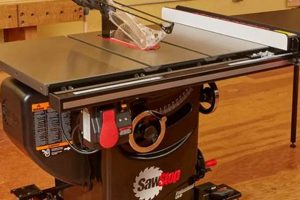
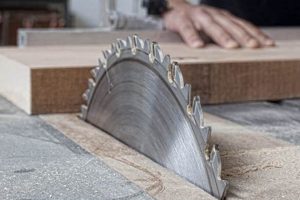
These essential workshop supports represent a commitment to precision and stability in woodworking. Constructed with careful attention to detail, they are designed to provide a solid and level surface for sawing, assembly, and other tasks. For instance, a craftsman might utilize these to accurately cut long boards for a cabinet build, ensuring the pieces are square and the final product is structurally sound.
The advantages of utilizing well-made supports extend beyond mere convenience. They enhance safety by providing a stable platform, reduce material waste by facilitating accurate cuts, and improve the overall quality of finished projects. Historically, woodworkers have relied on similar structures, refining designs over time to optimize for load-bearing capacity, portability, and adaptability to various work environments.
This discussion will delve into the specific characteristics of well-crafted examples, examining materials, construction techniques, design variations, and considerations for selecting or building suitable supports for specific woodworking applications.
Essential Considerations for Quality Workshop Supports
Properly constructed and maintained supports are crucial for safe and efficient woodworking. These tips emphasize critical aspects of their design, construction, and usage.
Tip 1: Material Selection: Employ hardwoods, such as maple or oak, for primary structural components. These materials offer superior strength and resistance to deformation under load, ensuring stability during operations.
Tip 2: Leg Bracing: Implement diagonal bracing between the legs to prevent racking. Securely attach the braces using screws and adhesive to maximize their effectiveness in resisting lateral movement.
Tip 3: Height Optimization: Determine an appropriate height based on the primary user’s stature and typical project dimensions. This promotes ergonomic posture and reduces strain during prolonged use. Standard heights range from 24 to 32 inches.
Tip 4: Surface Protection: Apply a durable finish to protect the wood from moisture and wear. This extends the lifespan of the supports and maintains their structural integrity over time. Consider a polyurethane or varnish coating.
Tip 5: Weight Distribution: Ensure a wide footprint for the legs to distribute weight evenly. A wider base increases stability and reduces the risk of tipping, especially when supporting heavy or unevenly balanced workpieces.
Tip 6: Secure Fasteners: Utilize high-quality screws and bolts for all connections. Avoid nails, as they are more prone to loosening over time. Regularly inspect and tighten fasteners to maintain structural integrity.
Tip 7: Collapsible Design Considerations: If portability is a priority, design the supports to be collapsible. Employ robust hinges and locking mechanisms to ensure stability when deployed and ease of storage when not in use.
Adhering to these guidelines contributes to the creation of stable, durable, and safe workshop supports. This, in turn, enhances the quality and precision of woodworking projects.
The subsequent sections will explore detailed construction plans and advanced design features for specialized applications.
1. Material Durability

Material durability constitutes a foundational characteristic of quality supports. The capacity of the selected material to withstand repeated stress, environmental factors, and physical impacts directly influences the lifespan and operational reliability of the supports. The selection of inappropriate materials can lead to premature structural failure, posing safety risks and necessitating frequent replacements. Consider, for example, supports constructed from softwood that succumb to crushing under heavy loads or warping due to moisture exposure. These failures compromise the stability required for precise woodworking tasks.
The implementation of durable materials, such as hardwoods, represents a preventative measure against these risks. Hardwoods possess inherent resistance to deformation and degradation, maintaining structural integrity over extended periods of use. The selection of kiln-dried lumber further mitigates the risk of warping or cracking, ensuring dimensional stability. Furthermore, the application of protective coatings enhances resistance to moisture and abrasion, prolonging the service life of the supports and preserving their functionality. Choosing durable materials significantly reduces maintenance demands and ensures consistent performance across diverse woodworking projects.
In conclusion, material durability is not merely a desirable feature but a critical attribute of well-crafted supports. The long-term operational cost and safety considerations directly relate to the initial material selection. By prioritizing durability, woodworkers invest in a tool that enhances their efficiency and promotes a safe working environment, illustrating the practical significance of informed material selection in crafting quality supports.
2. Joint Strength

Joint strength is a paramount characteristic in well-crafted workshop supports. It determines the structure’s capacity to withstand applied loads and resist deformation, ensuring stability and safety during woodworking operations. Compromised joint integrity can lead to catastrophic failure, jeopardizing both the workpiece and the user.
- Types of Joints and Load-Bearing Capacity
Different joint types offer varying levels of resistance to shear, tensile, and compressive forces. Mortise-and-tenon joints, for example, provide superior strength compared to simple butt joints, especially when reinforced with adhesive. Dovetail joints offer exceptional resistance to pull-out forces, making them suitable for critical structural connections. The choice of joint must align with the anticipated load requirements of the supports to prevent premature failure.
- Fastener Selection and Application
The selection of appropriate fasteners, such as screws or bolts, and their proper application significantly impacts joint strength. Screws should be of sufficient length and diameter to penetrate both joining members deeply, while bolts require properly sized washers to distribute the load evenly. Over-tightening fasteners can strip threads and weaken the joint, while under-tightening can result in slippage and instability. Consistent and controlled fastener application is essential for optimal joint performance.
- Adhesive Properties and Application Techniques
Adhesives play a crucial role in enhancing joint strength by providing a continuous bond between mating surfaces. The choice of adhesive should consider the materials being joined and the environmental conditions to which the supports will be exposed. Proper surface preparation, such as cleaning and sanding, is essential for promoting optimal adhesive bonding. Clamping during the curing process ensures intimate contact between the surfaces, maximizing bond strength and preventing voids that can weaken the joint.
- Impact of Wood Species and Grain Orientation
The inherent strength properties of the wood species and the orientation of the grain relative to the applied loads influence the overall joint strength. Hardwoods generally exhibit higher tensile and compressive strength compared to softwoods. Aligning the grain direction parallel to the direction of force maximizes the joint’s resistance to splitting or shearing. Careful consideration of wood species and grain orientation is essential for optimizing joint performance and ensuring structural integrity.
In summary, joint strength is not a singular attribute but rather a composite characteristic influenced by joint type, fastener selection, adhesive properties, and material considerations. Each element must be carefully considered and properly executed to ensure that the supports provide a stable and reliable platform for woodworking tasks. Prioritizing robust joint construction is an investment in safety and longevity.
3. Ergonomic Height
Ergonomic height is a critical design parameter for well-crafted workshop supports. The correlation between support height and user well-being is direct: improperly sized supports necessitate awkward postures, leading to musculoskeletal strain. If supports are too low, the operator must stoop, causing back pain and fatigue. Conversely, excessively high supports force the user to raise their arms, resulting in shoulder and neck discomfort. For instance, a woodworker repeatedly cutting boards on supports that are too low will likely experience lower back pain after only a short period.
Optimal support height is determined by the user’s stature and the typical tasks performed. A common guideline suggests that the top surface of the support should align with the user’s wrist when standing upright, but this may need adjustment based on specific project requirements. Supports intended for detail work might benefit from a slightly higher elevation, while those used primarily for sawing thick lumber may require a lower height to maximize leverage and control. Adjustable-height supports offer a versatile solution, accommodating multiple users and a range of project needs. These designs typically employ locking mechanisms to ensure stability at the chosen height. A practical example would be a fine furniture maker using adjustable supports to accommodate both rough lumber milling and delicate assembly tasks.
In summation, ergonomic height is not merely a convenience but a fundamental element of support design that impacts worker health, safety, and productivity. Ignoring ergonomic principles results in increased risk of injury and decreased work quality. Prioritizing ergonomic height represents a proactive approach to mitigating these risks and fostering a sustainable woodworking practice. The inclusion of adjustable-height features further enhances the adaptability and value of these essential workshop tools.
4. Load Capacity
Load capacity is a critical specification for workshop supports, directly influencing their safety and utility. Adequate load capacity ensures the supports can bear the weight of the workpiece without structural failure, preventing potential damage or injury. Understanding the factors that determine load capacity is essential for selecting or constructing suitable supports.
- Material Strength and Load Capacity
The inherent strength of the construction material directly affects the load capacity. Hardwoods, such as maple or oak, offer superior compressive and bending strength compared to softwoods like pine. Supports constructed from these materials can withstand greater loads without deformation or failure. For example, a support made from 2×4 pine may have a significantly lower load capacity than one made from 2×4 oak of similar dimensions and construction.
- Design and Structural Integrity
The design of the supports significantly impacts their ability to distribute weight effectively. Triangular or trapezoidal leg configurations provide greater stability and load-bearing capacity compared to simple A-frame designs. Reinforcement features, such as diagonal bracing, further enhance structural integrity by preventing racking or twisting under load. A well-designed support distributes weight evenly across its components, minimizing stress concentrations that can lead to failure.
- Joint Construction and Fastener Strength
The strength of the joints and fasteners used to assemble the supports is crucial for maintaining structural integrity under load. Weak or poorly constructed joints can fail prematurely, even if the primary structural members are adequately sized. Mortise-and-tenon joints, reinforced with adhesive and screws, offer greater strength compared to butt joints relying solely on fasteners. The selection of appropriate screws or bolts, with sufficient shear strength, is also essential for preventing joint failure.
- Safe Working Load and Overload Considerations
The safe working load represents the maximum weight that the supports can safely bear under normal operating conditions. It is crucial to stay within the specified safe working load to prevent structural failure and ensure user safety. Overloading supports can lead to catastrophic collapse, resulting in damage to the workpiece, injury to the user, or both. Regular inspection of the supports for signs of wear or damage is essential for identifying potential weaknesses and preventing accidents.
These load capacity considerations underscore the need for careful material selection, design, and construction techniques when creating workshop supports. Ignoring these factors compromises safety and diminishes the supports’ utility. By prioritizing load capacity, woodworkers invest in tools that enhance their efficiency and promote a safe working environment. Understanding these aspects is particularly vital when selecting or constructing dedicated high-quality supports.
5. Stable Base

A stable base is a fundamental requirement for workshop supports, directly influencing precision, safety, and overall efficiency in woodworking operations. Without a solid and unwavering foundation, accuracy is compromised, and the risk of accidents increases substantially.
- Footprint and Weight Distribution
The footprint of the supports, defined by the area encompassed by its legs, significantly impacts stability. A wider footprint distributes the load over a larger area, reducing the likelihood of tipping or shifting, especially when working with heavy or unevenly balanced workpieces. Proper weight distribution, achieved through symmetrical leg placement and robust joinery, ensures that the supports remain firmly planted, providing a reliable platform for cutting, shaping, and assembly tasks.
- Surface Contact and Friction
The nature of the contact between the supports and the floor surface plays a crucial role in preventing unwanted movement. Smooth surfaces, such as polished concrete, can reduce friction and increase the risk of sliding. Implementing non-slip feet, made from rubber or similar high-friction materials, enhances grip and prevents lateral displacement. In situations where the floor is uneven, adjustable feet can compensate for irregularities, ensuring that all legs bear equal weight and maintain a level working surface.
- Material Rigidity and Dampening
The rigidity of the materials used in the supports construction contributes to overall stability by minimizing flexing or vibration. High-density hardwoods, such as maple or oak, offer superior stiffness compared to softwoods, resulting in a more stable and predictable platform. The inclusion of dampening features, such as strategically placed rubber pads, can further reduce vibrations caused by sawing or hammering, improving accuracy and minimizing noise.
- Interconnection and Bracing
Interconnecting multiple supports or bracing individual supports further enhances stability, especially when working with long or unwieldy workpieces. Connecting multiple supports with stretchers creates a unified system that resists racking and provides a more stable and continuous surface. Diagonal bracing, applied to individual supports, prevents lateral movement and enhances overall rigidity, particularly when subjected to asymmetrical loads.
In summation, a stable base is not merely a desirable attribute but a prerequisite for functional and safe supports. By carefully considering the footprint, surface contact, material rigidity, and interconnection, woodworkers can ensure that their supports provide a solid and unwavering foundation for their projects, enhancing precision, safety, and overall work quality. The meticulous design and construction of a stable base exemplify the commitment to quality and precision characteristic of fine woodworking.
6. Surface Protection
Surface protection is an indispensable aspect of durable supports. The interaction between unprotected wood surfaces and the environment precipitates a cascade of detrimental effects. Moisture absorption leads to swelling, warping, and eventual decay. Physical abrasion from workpieces or tools causes surface damage, compromising structural integrity. Exposure to solvents and finishes can result in staining or chemical degradation. A lack of surface protection initiates a cycle of deterioration, reducing the lifespan and functionality of the supports. The consequence of neglecting surface protection results in diminished performance and increased maintenance costs. A practical example is a set of supports exposed to regular spills of varnish; without a protective coating, the varnish penetrates the wood, making it difficult to clean and potentially weakening the structure over time.
Effective surface protection strategies involve the application of durable finishes. Polyurethane coatings provide a robust barrier against moisture, chemicals, and abrasion. Oil-based finishes penetrate the wood, offering protection from within while enhancing the natural grain. Wax coatings offer a sacrificial layer of protection, easily reapplied to maintain a pristine surface. The selection of an appropriate finish depends on the intended use of the supports and the environmental conditions to which they will be exposed. Careful surface preparation, including sanding and cleaning, is essential for ensuring proper adhesion and optimal performance of the chosen finish. Regular inspection and maintenance, such as reapplying wax or touching up damaged areas, further extend the lifespan of the protective coating. For instance, a cabinet maker might apply multiple coats of polyurethane to supports used in a high-humidity workshop to prevent moisture-related issues.
In summary, surface protection is not merely a cosmetic consideration but a critical factor in prolonging the life and maintaining the performance of quality supports. The implementation of appropriate finishes and regular maintenance practices mitigates the risks of moisture damage, abrasion, and chemical degradation, preserving the structural integrity and aesthetic appeal of the supports. The investment in surface protection translates to reduced maintenance costs, enhanced safety, and sustained performance, underscoring its significance in achieving the goals of fine woodworking.
7. Precise Angles

The accuracy of angles within the construction of workshop supports directly influences the stability and functionality. Deviation from intended angles compromises the integrity of the structure, potentially leading to instability or uneven weight distribution. The significance of precise angles warrants detailed examination.
- Leg Splay and Load Distribution
The angle at which the legs splay outwards dictates the distribution of weight across the base. Consistent angles on all legs ensure even weight bearing, minimizing stress on individual components and preventing tipping. Inconsistent angles can concentrate load on a single leg, leading to premature failure. For example, a difference of even a few degrees in leg splay can significantly reduce the load capacity and stability of the support system.
- Brace Angles and Structural Integrity
Braces, typically angled diagonals, provide critical reinforcement against racking and lateral movement. Precise angles are essential for the braces to effectively resist these forces. Incorrect angles reduce the effectiveness of the braces, compromising the overall structural integrity of the supports. Consider a support where the brace angle is either too acute or too obtuse; in both cases, the brace fails to provide the necessary resistance to lateral forces, making the support unstable.
- Top Surface Angle and Workpiece Stability
The angle of the top surface, relative to the legs, influences the stability of the workpiece. Ideally, the top surface should be perfectly horizontal to provide a level and secure platform. Any deviation from a true horizontal angle can cause the workpiece to shift or slide, increasing the risk of inaccurate cuts or accidental damage. For instance, a top surface angled even slightly downward can cause long boards to slide off the supports, posing a safety hazard.
- Joinery Angles and Joint Strength
Precise angles are essential for creating strong and durable joints. Mortise and tenon joints, for example, require accurate angles to ensure a tight and secure fit. Misaligned angles weaken the joint, reducing its ability to withstand stress and increasing the risk of failure. Consider a mortise and tenon joint where the mortise is angled slightly off from perpendicular; this misalignment will prevent the tenon from fully seating, resulting in a weak and unstable connection.
These aspects of angular precision highlight its importance in the context of high-quality workshop supports. Achieving and maintaining accurate angles throughout the construction process enhances stability, load capacity, and overall safety, ultimately contributing to the quality and longevity of the supports.
Frequently Asked Questions
This section addresses common inquiries regarding the selection, construction, and utilization of quality workshop supports. These answers reflect best practices for ensuring safety, stability, and optimal performance.
Question 1: What are the key differences between commercially available and shop-built supports?
Commercially available supports often prioritize portability and cost-effectiveness, sometimes at the expense of robustness and customization. Shop-built supports, conversely, allow for tailored designs, material selection based on specific project needs, and enhanced structural integrity.
Question 2: How does the choice of wood species impact the performance of workshop supports?
Hardwoods, such as maple or oak, offer superior strength and resistance to deformation compared to softwoods like pine. This translates to greater load-bearing capacity and a longer service life, particularly in demanding workshop environments.
Question 3: What are the essential safety considerations when using workshop supports?
Prioritize a stable and level work surface, ensuring supports are placed on solid ground. Avoid overloading supports beyond their rated capacity. Regularly inspect supports for signs of wear or damage, such as cracks, loose joints, or corrosion of fasteners.
Question 4: How can adjustable-height supports enhance workflow efficiency?
Adjustable-height supports accommodate users of varying statures and facilitate diverse tasks, from fine detail work to sawing large stock. This adaptability promotes ergonomic posture, reduces fatigue, and optimizes workflow.
Question 5: What is the recommended method for joining support components to maximize strength and longevity?
Mortise-and-tenon joints, secured with adhesive and mechanical fasteners, provide exceptional strength and durability. Alternatively, robust screw connections, utilizing high-quality fasteners and proper pilot hole drilling, offer a reliable and efficient joining method.
Question 6: How does proper surface finishing contribute to the long-term performance of workshop supports?
Applying a durable finish, such as polyurethane or varnish, protects the wood from moisture, abrasion, and chemical exposure. This extends the lifespan of the supports, maintains their structural integrity, and prevents unsightly stains or damage.
These considerations provide a foundation for informed decision-making regarding workshop support selection and construction. Proper attention to these details promotes safety, efficiency, and enduring performance.
The subsequent section will present detailed construction plans and advanced design concepts for specialized support applications.
Fine Woodworking Saw Horses
The preceding discussion has explored the multifaceted nature of meticulously crafted workshop supports. Emphasis has been placed on material durability, joint strength, ergonomic considerations, load capacity, base stability, surface protection, and angular precision. These elements collectively define the characteristics of reliable and effective supports, crucial tools for achieving accuracy and safety in woodworking endeavors.
The enduring value of these essential tools lies in their capacity to enhance the precision and safety of woodworking practices. As such, the informed selection or construction of these supports represents a significant investment in the quality and longevity of woodworking projects. Continued refinement of support designs and construction techniques remains vital for advancing the craft and ensuring optimal working conditions.