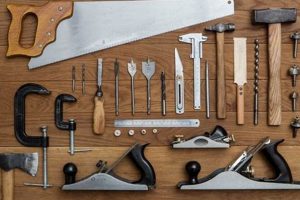
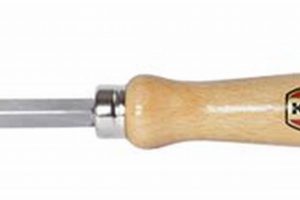
The practice of crafting items from wood using only hand-operated implements is a traditional approach to woodworking. Examples include sawing a plank with a handsaw, shaping a curve with a drawknife, or joining two pieces with chisels and mallets.
This method fosters a deep connection with the material, promoting mindful creation and reducing noise pollution. Historically, it was the primary way all wooden objects were made, showcasing a respect for the craft and the inherent qualities of wood. The slower pace allows for increased precision and reduces the risk of mistakes that can occur with motorized equipment. This also encourages a sense of accomplishment and self-reliance.
The following discussion will explore the essential hand tools, fundamental techniques, and project considerations relevant to woodworking achieved without electrically powered machines.
Essential Guidance for Hand Tool Woodworking
Adopting manual methods in woodworking requires a shift in approach. The following guidelines are designed to enhance efficiency, precision, and safety when undertaking projects without power assistance.
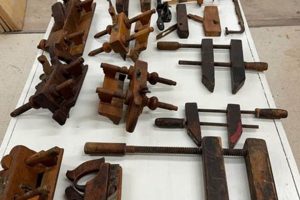
Tip 1: Tool Quality Matters: Investing in high-quality hand tools is paramount. Sharper, well-balanced tools require less force, improving accuracy and reducing fatigue. Research reputable brands and consider purchasing refurbished vintage tools, often superior to modern mass-produced alternatives.
Tip 2: Sharpening is Non-Negotiable: Maintain tools with meticulous sharpness. A dull blade requires excessive pressure, increasing the risk of slippage and inaccurate cuts. Learn proper sharpening techniques using whetstones or honing guides.
Tip 3: Wood Selection is Critical: Choose appropriate wood species for each project. Softer woods are easier to work with initially, while hardwoods offer greater durability and aesthetic appeal for finished pieces. Understand grain direction and its impact on splitting and carving.
Tip 4: Precise Layout is Key: Accuracy in marking and measuring is crucial. Use precision instruments such as marking gauges, squares, and knives to ensure clean, accurate lines for sawing and joinery. Double-check all measurements before commencing cuts.
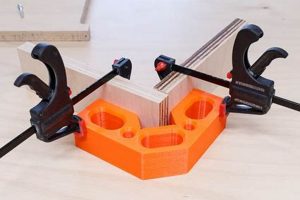
Tip 5: Secure Workholding is Essential: A stable work surface is vital for safety and precision. Utilize vises, clamps, and bench dogs to firmly secure the workpiece, preventing movement and minimizing the risk of injury.
Tip 6: Mastering Hand Saw Techniques: Learn proper hand sawing techniques, including stance, grip, and stroke. Practice starting cuts accurately and maintaining a consistent line throughout the cut. Different saw types are designed for specific tasks, so choose the appropriate saw for the material and cut type.
Tip 7: Embrace Gradual Progress: Avoid rushing. Manual woodworking is a process that rewards patience and deliberation. Take frequent breaks to prevent fatigue, which can lead to errors and potential injury. Small, incremental cuts are preferable to forcing the tool.
Tip 8: Prioritize Safety: Always wear appropriate safety gear, including eye protection and gloves. Maintain a clean and organized workspace to minimize trip hazards. Be mindful of hand and finger placement when using sharp tools.
These tips underscore the importance of selecting quality tools, maintaining sharpness, precise planning, and prioritizing safety to effectively engage in hand tool woodworking. Through careful attention to detail and adherence to sound techniques, woodworking can be a rewarding and fulfilling activity.
The subsequent sections will delve into advanced joinery methods and project design considerations.
1. Hand Tool Quality

In the context of woodworking without power tools, the quality of hand tools is not merely a preference but a fundamental determinant of success. The reliance on manual effort elevates the importance of tool precision, durability, and ergonomic design. Substandard tools can lead to frustration, increased risk of injury, and ultimately, a compromised final product.
- Steel Composition and Tempering
The metallurgical properties of a hand tool’s blade or working edge directly impact its ability to hold an edge and withstand the stresses of use. High-carbon steel, properly tempered, maintains sharpness longer and resists deformation compared to cheaper alloys. For example, a chisel made from poorly tempered steel may chip or bend when used on hardwoods, rendering it ineffective and potentially dangerous.
- Manufacturing Precision
The precision with which a hand tool is manufactured affects its accuracy and ease of use. A poorly cast plane sole or a misaligned saw blade can introduce inaccuracies that are difficult to correct manually. Precision-ground surfaces, properly aligned handles, and tight tolerances contribute to efficient material removal and a more controlled woodworking experience.
- Ergonomic Design and Balance
The prolonged use of hand tools demands careful consideration of ergonomics. A well-balanced tool with a comfortable grip reduces fatigue and allows for greater control. A drawknife with poorly shaped handles, for instance, can cause hand strain and reduce the user’s ability to maintain a consistent cutting angle. Ergonomic design promotes safety and efficiency over extended periods of use.
- Durability and Longevity
Hand tools represent a long-term investment. High-quality tools, crafted from durable materials and with careful attention to detail, are designed to withstand years of rigorous use. A cheaply made hand saw may quickly dull or develop a bend in the blade, requiring frequent replacement or repair. Investing in durable tools ensures consistent performance and reduces the overall cost of woodworking over time.
These facets highlight the critical role that hand tool quality plays in traditional woodworking. The absence of power assistance necessitates tools that are not only sharp and precise but also durable and ergonomically designed. Skilled craftsmanship and efficient material removal depend directly on the characteristics of the hand tools employed, making their selection and maintenance a crucial aspect of this woodworking approach.
2. Sharpening Techniques

Sharpening techniques are inextricably linked to the success and viability of woodworking without power tools. The efficiency of cutting, shaping, and joinery operations is directly proportional to the sharpness of the employed hand tools. Without the aid of motorized force, the cutting edge must be honed to an optimal degree to effectively sever wood fibers, minimizing the required physical exertion and maximizing control. A dull blade, on the other hand, necessitates excessive force, leading to imprecise cuts, increased risk of slippage, and ultimately, a compromised outcome. The correlation between tool sharpness and project quality is therefore a foundational principle of woodworking utilizing manual methods. For instance, attempting to create a dovetail joint with a dull chisel will result in crushed wood fibers, inaccurate angles, and a weak, unsightly joint. Conversely, a razor-sharp chisel allows for clean, precise cuts that create tight-fitting, structurally sound dovetails.
Mastery of sharpening techniques is not merely a supplementary skill; it is an essential competency. This includes understanding different sharpening media, such as water stones, oil stones, and diamond stones, each with varying grit levels and abrasive properties. It also necessitates the ability to maintain a consistent sharpening angle to create and preserve a sharp, durable cutting edge. Various methods, including freehand sharpening and the use of honing guides, exist, each requiring practice and refinement. For example, when sharpening a plane iron, maintaining a consistent bevel angle of 25 to 30 degrees is crucial for achieving optimal cutting performance. Inconsistent sharpening can result in a rounded edge, leading to chatter and tear-out when planing a surface.
In conclusion, sharpening techniques are not simply a means to maintain tools; they are a fundamental pillar supporting the entire edifice of woodworking without power tools. The keenness of the cutting edge directly affects the ease, precision, and safety of every operation. Competent sharpening skills enable the woodworker to achieve superior results, reduce physical strain, and fully appreciate the inherent characteristics of the wood. Challenges include the time investment required to develop proficiency and the need for consistent maintenance. However, the rewards of mastering sharpening techniques are reflected in the quality and longevity of both the tools and the finished woodworking projects.
3. Wood Selection

Wood selection is a critical determinant in the success and feasibility of woodworking endeavors that eschew power tools. The inherent properties of different wood specieshardness, grain direction, density, and workabilitydirectly influence the effort required and the potential for achieving desired results using only hand-operated implements.
- Wood Hardness and Workability
The Janka hardness rating of a wood species is a primary consideration. Softer woods, such as pine, basswood, or cedar, are significantly easier to cut, shape, and carve using hand tools compared to denser hardwoods like oak, maple, or hickory. For example, intricate carving projects are often undertaken using basswood due to its fine grain and relatively low resistance to cutting. Conversely, hardwoods may require specialized tools and advanced techniques to achieve similar results.
- Grain Direction and Splitting
Understanding grain direction is essential to prevent splitting and tear-out when working with hand tools. Wood is considerably easier to split along the grain than across it. Therefore, when using chisels, planes, or saws, careful attention must be paid to the orientation of the grain to ensure clean, controlled cuts. For example, when chopping mortises, the woodworker must orient the chisel so as to avoid splitting the surrounding material. Knowledge of grain behavior is crucial for achieving precise joinery and avoiding costly mistakes.
- Wood Stability and Moisture Content
The stability of wood, its resistance to warping, shrinking, or swelling with changes in humidity, is particularly important when constructing projects using traditional joinery methods. Woods with high stability, such as mahogany or walnut, are less likely to distort over time, preserving the integrity of the joints. Proper seasoning and drying of the wood to an appropriate moisture content are also critical to minimize dimensional changes after construction. For example, using green or improperly dried wood for a dovetailed drawer will almost certainly result in gaps and misalignment as the wood dries and shrinks.
- Figure and Aesthetic Qualities
While workability is paramount, the aesthetic qualities of the wood also play a significant role in wood selection. Species with unique grain patterns, such as curly maple, bird’s-eye maple, or figured walnut, can add visual interest to finished projects. However, highly figured woods can sometimes be more challenging to work with hand tools due to variations in grain direction. The woodworker must balance the desired aesthetic with the practical considerations of workability when selecting material for a project. For example, constructing a hand-planed tabletop from highly figured maple requires a high degree of skill and sharp tools to avoid tear-out.
In summary, wood selection in manual woodworking is a multifaceted decision-making process that considers not only the aesthetic qualities of the material but also its inherent workability, stability, and potential for splitting. Careful consideration of these factors is crucial for achieving successful and long-lasting results when relying exclusively on hand tools.
4. Joinery Methods
The selection and execution of joinery methods constitute a foundational element of woodworking conducted without power tools. The absence of motorized assistance necessitates reliance on techniques that prioritize structural integrity and precise fit through mechanical means. The efficacy of joinery directly impacts the longevity and stability of the completed piece. Mortise and tenon, dovetail, and rabbet joints, among others, represent traditional solutions predicated on meticulous handcraftsmanship and an understanding of wood behavior. For instance, the creation of a mortise and tenon joint requires accurate marking, precise chisel work, and a deliberate approach to ensure a tight, secure fit between the two components. The inherent strength of this joint, when executed correctly, surpasses that achievable with simpler fastening methods, such as screws or nails, particularly in the context of enduring structural loads.
The application of specific joinery methods is often dictated by the intended function and aesthetic considerations of the project. A frame and panel construction, commonly employed in door and table construction, relies on the interplay between a solid wood frame and a floating panel, allowing for seasonal wood movement without compromising structural integrity. This method, while requiring meticulous attention to detail, is achievable through traditional hand tool techniques. Similarly, dovetail joints, prized for their strength and visual appeal, are commonly used in drawer construction and case goods. Their interlocking design provides exceptional resistance to racking forces, ensuring the drawer remains square and functional over time. Successfully executing these joints without power tools demands a high degree of skill and patience, but the resulting product showcases a level of craftsmanship that is often unmatched by machine-made alternatives.
In summary, joinery methods are not merely a technical aspect of woodworking without power tools, but rather an integral component that defines its character and lasting value. The emphasis on precise handwork, careful material selection, and an understanding of structural principles underscores the connection between the chosen joinery and the overall success of the project. Challenges exist in mastering the required skills, but the rewards are manifest in the creation of durable, aesthetically pleasing pieces that stand as testaments to the enduring appeal of traditional woodworking practices.
5. Workholding Security

The practice of woodworking without power tools places an amplified emphasis on secure workholding. In the absence of mechanized force, precision and safety depend heavily on the stability of the workpiece during shaping, cutting, and joinery operations. Insufficient workholding can lead to inaccurate results, tool slippage, and potential injury.
- Vise Selection and Application
The type of vise employed dictates the versatility and effectiveness of workholding. Woodworking vises, leg vises, and face vises each offer unique clamping capabilities. A properly chosen and installed vise provides a rigid anchor point for tasks such as planing, chiseling, and sawing. For example, a leg vise, mounted to a sturdy workbench, allows the woodworker to securely clamp long boards for edge jointing, providing stability against the forces exerted by a hand plane. The selection of a suitable vise and its correct application are crucial for maintaining control and accuracy.
- Bench Dogs and Accessories
Bench dogs, pegs that fit into holes drilled into a workbench surface, provide additional support and clamping options. These dogs, used in conjunction with clamps or a vise, allow the woodworker to secure workpieces of various shapes and sizes. For example, when creating a mortise and tenon joint, bench dogs can be positioned to hold the mortise piece firmly in place while the tenon is fitted. The use of bench accessories extends the range of clamping possibilities and enhances the overall security of the workholding system.
- Clamping Strategies and Techniques
Effective clamping strategies are essential for achieving tight, accurate joints. Proper clamp placement and pressure distribution are critical to avoid distorting the workpiece or compromising the bond. For example, when gluing up a panel, clamps should be positioned strategically to apply even pressure across the entire surface, preventing warping or gaps. The choice of clamp type, such as bar clamps, pipe clamps, or hand screws, depends on the size and shape of the workpiece and the amount of clamping force required. Mastering clamping techniques is fundamental to successful joinery.
- Surface Protection and Friction Enhancement
Protecting the workpiece surface from damage during clamping is a key consideration. Soft pads, such as leather or cork, can be placed between the clamp jaws and the wood to prevent denting or marring. Additionally, strategies to enhance friction, such as applying a non-slip coating to clamp jaws or using sandpaper between the clamp and the wood, can improve grip and prevent slippage. These measures are particularly important when working with delicate or highly figured woods, ensuring that the clamping process does not compromise the aesthetic quality of the finished piece.
These elements underscore the importance of meticulous attention to workholding security in hand tool woodworking. A stable, well-secured workpiece is not merely a convenience but a fundamental prerequisite for accurate and safe execution. Through careful selection of vises and accessories, strategic clamping techniques, and diligent surface protection, the woodworker can create a secure foundation for achieving superior results in the absence of power-assisted methods.
6. Patience & Precision
The principles of patience and precision are not merely desirable attributes, but rather indispensable elements in woodworking without power tools. The manual nature of the craft necessitates a deliberate approach, where accuracy and attention to detail dictate the quality of the final product.
- Deliberate Material Removal
Woodworking without power tools demands a deliberate and controlled approach to material removal. Each shaving taken with a hand plane, each strike of a chisel, requires careful consideration of grain direction and the desired outcome. Rushing the process increases the risk of tear-out, inaccuracies, and irreversible mistakes. For instance, smoothing a tabletop with a hand plane requires methodical passes, gradually refining the surface to achieve a flawless finish. Impatience can lead to aggressive cuts that damage the wood and necessitate time-consuming repairs.
- Accurate Layout and Measurement
Precision in layout and measurement is paramount when constructing joinery by hand. Every line marked, every angle measured, must be executed with meticulous accuracy. Small errors can accumulate, leading to ill-fitting joints and structural weaknesses. Consider the creation of dovetail joints: Precise marking of the pins and tails is essential to ensure a tight, interlocking fit. Careless layout will result in gaps and misalignment, compromising the joint’s strength and aesthetic appeal.
- Mindful Tool Sharpening
Maintaining sharp tools requires both skill and patience. The sharpening process, whether using water stones, oil stones, or diamond stones, demands a deliberate and focused approach. Rushing the sharpening process will result in a dull or uneven cutting edge, hindering the woodworker’s ability to achieve clean, precise cuts. Properly sharpened tools not only improve accuracy but also reduce the physical effort required to work the wood, minimizing fatigue and the risk of injury.
- Controlled Assembly and Finishing
The final stages of woodworking, including assembly and finishing, also require patience and precision. Joints must be carefully aligned and clamped to ensure a strong, seamless bond. The application of finishes, such as varnish or oil, demands meticulous attention to detail to achieve a smooth, even surface. Rushing these steps can result in misaligned joints, uneven finishes, and a compromised final product.
The facets of patience and precision, as they relate to woodworking without power tools, are interconnected and mutually reinforcing. The deliberate approach to material removal, accurate layout and measurement, mindful tool sharpening, and controlled assembly and finishing each contribute to the overall quality and integrity of the finished piece. By embracing these principles, the woodworker not only achieves superior results but also cultivates a deeper appreciation for the craft and the inherent beauty of the wood.
Frequently Asked Questions
The following addresses common inquiries regarding woodworking practices that exclude the use of electrically powered tools.
Question 1: Is woodworking without power tools slower than using power tools?
Yes, projects typically require more time due to the manual nature of material removal and shaping.
Question 2: Are specialized skills required?
Yes, proficiency in hand tool operation, sharpening techniques, and joinery is essential.
Question 3: Is it more physically demanding?
Yes, it demands greater physical exertion compared to power tool woodworking.
Question 4: What is the cost comparison?
Initial tool investment might be lower, but high-quality hand tools can be expensive. Long-term maintenance, including sharpening equipment, adds to the overall cost.
Question 5: Can intricate designs be achieved?
Yes, with sufficient skill and patience, complex designs and joinery are attainable.
Question 6: Is it environmentally advantageous?
Yes, it reduces energy consumption, noise pollution, and sawdust production, contributing to a more sustainable practice.
Key considerations include the increased time commitment, physical demands, and the necessity for specialized skills and ongoing tool maintenance.
The subsequent section will discuss project ideas suitable for this particular woodworking approach.
No Power Tools Woodworking
This exploration has illuminated the multifaceted nature of woodworking performed without powered machinery. Key aspects, including tool quality, sharpening techniques, wood selection, joinery methods, workholding security, and the paramount importance of patience and precision, have been thoroughly addressed. The limitations and advantages inherent in this approach have been contrasted with those of power tool-based woodworking, emphasizing the unique demands and rewards associated with manual craftsmanship.
The viability and value of no power tools woodworking lie in its capacity to foster a deeper connection with the material, cultivate mindful creation, and produce objects characterized by both structural integrity and aesthetic distinction. While demanding a significant investment of time and skill, this approach offers an enduring alternative for those seeking a more intimate and sustainable relationship with the craft. Continued exploration and refinement of these traditional techniques will ensure the preservation of a valuable skill set and a unique perspective on the art of woodworking.