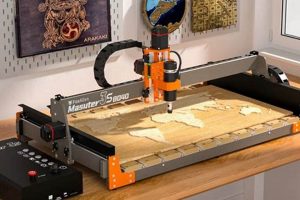
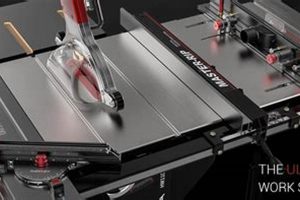
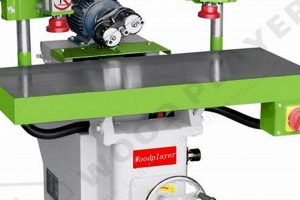
Automated systems integrating robotics with traditional woodworking processes represent a significant advancement in manufacturing. These systems employ computer-controlled robots to perform tasks such as cutting, shaping, sanding, and assembling wood components with precision and efficiency. An example includes a robotic arm equipped with a router bit, autonomously carving intricate designs into furniture panels based on digital blueprints.
The incorporation of these systems offers several advantages, including increased production speed, reduced material waste, and enhanced worker safety by minimizing exposure to hazardous operations. Historically, woodworking has relied heavily on manual labor and specialized machinery operated by skilled craftspeople. The introduction of automation streamlines these processes, allowing for greater output and consistency while preserving design complexity. The technology is crucial for meeting the growing demands of mass customization and high-volume production within the woodworking industry.
The subsequent sections will delve into the specific components of these advanced systems, explore their application in various woodworking sectors, examine the programming and control aspects, and discuss the economic and workforce implications of adopting automated solutions. A cost-benefit analysis, as well as considerations for implementation and integration into existing workflows will also be discussed.
Implementation Strategies for Robotic Woodworking Systems
The following recommendations outline critical considerations for successfully integrating automated systems into woodworking operations. Careful planning and execution are essential for maximizing efficiency and minimizing disruption.
Tip 1: Conduct a Thorough Needs Assessment: Prior to investment, comprehensively analyze current workflows, identify bottlenecks, and quantify potential gains from automation. Define specific objectives, such as increased production volume, improved precision, or reduced labor costs.
Tip 2: Prioritize Employee Training and Safety: Proper training is paramount. Equipping employees with the skills to program, operate, and maintain robotic systems ensures optimal performance and mitigates safety risks. Implement comprehensive safety protocols and emergency shutdown procedures.
Tip 3: Select Appropriate Robotic Solutions: Evaluate robotic systems based on specific task requirements, payload capacity, reach, and precision capabilities. Consider factors such as workpiece size, complexity of operations, and integration with existing machinery.
Tip 4: Design for Automation: Modify product designs to facilitate robotic handling and assembly. Optimize component geometry for automated grasping and alignment. Reduce the number of unique parts and standardize fasteners where possible.
Tip 5: Ensure Seamless Data Integration: Establish a robust data communication network between robotic systems, design software, and enterprise resource planning (ERP) systems. Facilitate real-time data exchange for optimized production scheduling, inventory management, and quality control.
Tip 6: Implement Regular Maintenance Schedules: Adhere to manufacturer-recommended maintenance schedules for robotic systems and associated equipment. Preventative maintenance minimizes downtime and extends the lifespan of automation investments.
Tip 7: Develop a Phased Implementation Plan: Introduce automation gradually, starting with simpler tasks and progressively expanding to more complex operations. This approach allows for incremental learning and adaptation, minimizing disruption to existing workflows.
Successful integration of robotic woodworking systems hinges on meticulous planning, comprehensive training, and a commitment to continuous improvement. By addressing these critical factors, organizations can realize the full potential of automation in enhancing productivity, efficiency, and product quality.
The subsequent section will explore specific case studies of successful robotic woodworking implementations, highlighting best practices and lessons learned.
1. Precision Cutting Accuracy

Precision cutting accuracy is a cornerstone of modern woodworking, and robotic woodworking machines represent a significant leap forward in achieving this critical attribute. The capacity to execute cuts with exacting dimensions and tolerances is essential for ensuring the quality, fit, and structural integrity of finished products. Automated woodworking systems achieve levels of precision that are difficult, if not impossible, to replicate through manual processes.
- Repeatability and Consistency
Robotic systems are programmed to execute the same cutting sequence repeatedly, minimizing variations that can occur due to human error or inconsistencies in manual tool operation. This repeatability translates into uniform dimensions across multiple pieces, simplifying assembly and reducing the need for rework. Consider a furniture manufacturer using a robotic system to cut tenon joints; each joint will be virtually identical, ensuring a snug and precise fit during assembly.
- Compensation for Material Variation
Advanced robotic systems can incorporate sensors and feedback loops to compensate for variations in wood density, grain direction, or moisture content. Real-time adjustments to cutting parameters ensure that the desired dimensions are achieved regardless of material inconsistencies. For instance, a robotic saw might automatically reduce feed rate when encountering a knot, preventing tear-out and maintaining cutting accuracy.
- Complex Geometry and Intricate Designs
Robotic systems excel at executing complex cutting patterns and intricate designs that would be challenging or time-consuming to produce manually. The ability to follow precise three-dimensional toolpaths allows for the creation of curved surfaces, sculpted shapes, and decorative elements with high accuracy. An architectural millwork company might employ a robotic router to carve intricate patterns into custom moldings or panels.
- Reduced Material Waste
Precision cutting accuracy minimizes material waste by optimizing cutting layouts and reducing the incidence of errors. Robotic systems can nest parts efficiently on a sheet of lumber, maximizing material utilization and reducing overall costs. Furthermore, the reduced need for rework or correction due to inaccurate cuts further contributes to waste reduction, promoting sustainable manufacturing practices.
The benefits of precision cutting accuracy enabled by robotic woodworking machines extend beyond mere dimensional conformity. The enhanced quality, reduced waste, and increased design possibilities contribute to improved product value, production efficiency, and competitive advantage within the woodworking industry. As automation technologies continue to advance, the role of robotic systems in achieving and maintaining precision cutting accuracy will only become more pronounced.
2. Automated Material Handling

Automated material handling is integral to the effective operation of robotic woodworking machines. The efficient movement and positioning of wood products are critical for maximizing throughput, minimizing damage, and ensuring the continuous operation of automated systems. The following points detail key aspects of automated material handling within the context of robotic woodworking.
- Robotic Loading and Unloading
Robots equipped with specialized end-of-arm tooling are employed to load raw materials onto machinery, such as saws or CNC routers, and to unload finished or partially finished components. This eliminates the need for manual handling, reducing the risk of worker injury and minimizing material damage. An example includes a robotic arm precisely placing a sheet of plywood onto a CNC machine for cutting, ensuring accurate alignment and preventing scratches.
- Conveyor Systems for Material Flow
Conveyor systems transport wood products between different stages of the woodworking process, such as from a cutting station to a sanding station. These systems can be integrated with robotic arms to pick and place components onto the conveyor, ensuring a smooth and continuous flow of materials. A manufacturing line for wooden furniture might utilize a conveyor belt to transport chair components between robotic assembly stations.
- Automated Storage and Retrieval Systems (AS/RS)
AS/RS technologies are used to efficiently store and retrieve raw materials, work-in-progress, and finished goods. These systems can be integrated with robotic woodworking machines to automatically supply materials as needed, reducing downtime and optimizing inventory management. A large-scale woodworking facility might use an AS/RS to store stacks of lumber and automatically deliver them to the appropriate cutting machine.
- Automated Guided Vehicles (AGVs) and Autonomous Mobile Robots (AMRs)
AGVs and AMRs navigate the factory floor to transport materials between different work centers. These systems use sensors and software to avoid obstacles and follow predefined routes, ensuring the safe and efficient movement of materials. An AMR could be used to deliver stacks of finished cabinet doors from the assembly area to the packaging station.
These facets of automated material handling collectively contribute to a streamlined and efficient woodworking operation. By minimizing manual handling, optimizing material flow, and reducing downtime, robotic woodworking machines can achieve higher levels of productivity, consistency, and quality. The integration of automated material handling systems is therefore essential for maximizing the return on investment in robotic automation.
3. Adaptive Tool Control

Adaptive Tool Control represents a critical component in maximizing the effectiveness and versatility of robotic woodworking machines. This technology enables real-time adjustment of tool parameters, such as feed rate and spindle speed, in response to varying material conditions and operational demands. The integration of Adaptive Tool Control allows these machines to optimize cutting performance, prevent tool wear, and maintain consistent quality, regardless of fluctuations in wood density, grain patterns, or the presence of imperfections like knots. A practical example involves a robotic router equipped with sensors that detect changes in wood hardness; the system automatically reduces the feed rate to prevent excessive tool wear and ensure a clean cut, showcasing direct cause and effect between material property and machine reaction.
The importance of Adaptive Tool Control stems from its ability to enhance both the precision and efficiency of woodworking operations. Without this capability, robotic woodworking machines would be limited to pre-programmed parameters, potentially leading to inconsistent results and increased material waste. For instance, when carving intricate designs on varying types of wood, Adaptive Tool Control allows the machine to adjust its cutting speed and depth based on the specific characteristics of each wood type. This adaptability ensures high-quality results and minimizes the risk of damaging the workpiece. The ability to adapt enhances the machine’s versatility and usability across a broader range of woodworking projects.
In summary, Adaptive Tool Control significantly elevates the functionality of robotic woodworking machines, enabling them to operate with greater precision, efficiency, and adaptability. While challenges remain in the ongoing refinement of sensor technology and control algorithms, the practical benefits of Adaptive Tool Control are evident in improved product quality, reduced material waste, and enhanced operational flexibility. The continuous development and integration of this technology are essential for realizing the full potential of robotic automation in the woodworking industry.
4. Enhanced Operational Safety

The integration of robotic woodworking machines directly contributes to enhanced operational safety within woodworking environments. By automating tasks traditionally performed by human operators, these systems reduce the risk of workplace accidents and injuries. Exposure to hazards such as saw blades, dust inhalation, and repetitive strain injuries is significantly decreased as robots handle the most dangerous or physically demanding aspects of the woodworking process. For instance, a robotic arm tasked with operating a miter saw can perform repetitive cuts without fatigue, maintaining consistent precision and eliminating the potential for human error that could lead to injury.
The incorporation of safety features within robotic woodworking systems further amplifies this improvement. Light curtains, emergency stop mechanisms, and safety-rated controllers prevent unintended machine operation and protect personnel from potential harm. Furthermore, automated systems can be programmed with specific safety protocols, such as reducing speed or shutting down entirely if an obstruction is detected within the work envelope. A real-world example includes the implementation of laser scanners that detect the presence of human workers near a robotic router, automatically pausing operations to prevent accidental contact and resulting injuries. This proactive approach to safety management represents a significant advantage over traditional woodworking practices.
In conclusion, robotic woodworking machines offer a tangible pathway to improved operational safety in the woodworking industry. By automating hazardous tasks and incorporating advanced safety features, these systems mitigate the risk of accidents, reduce worker injuries, and foster a safer and more productive work environment. While the initial investment in robotic technology may seem significant, the long-term benefits of enhanced safety, reduced worker compensation claims, and improved employee morale contribute to a substantial return on investment. The widespread adoption of robotic woodworking machines underscores the growing recognition of safety as an indispensable component of modern woodworking operations.
5. Improved Production Efficiency

The integration of robotic woodworking machines directly correlates with improvements in production efficiency within the woodworking sector. The primary driver of this enhanced efficiency is the ability of robotic systems to operate continuously and consistently, minimizing downtime and maximizing output. Unlike human operators, robots are not subject to fatigue, ensuring a consistent production rate throughout extended periods. For instance, a robotic sanding machine can maintain a steady sanding speed and pressure for hours without interruption, resulting in a higher volume of finished components compared to manual sanding processes.
The implementation of robotic systems also streamlines material handling, reducing bottlenecks and optimizing workflow. Automated material loading, unloading, and transfer capabilities minimize the time required for material movement, allowing woodworking machinery to operate at its maximum capacity. An example of this improvement is seen in furniture manufacturing, where robotic arms load and unload workpieces onto CNC routers, significantly reducing cycle times and enabling continuous production. This efficiency contributes to shorter lead times and increased responsiveness to customer demand.
In conclusion, the connection between robotic woodworking machines and improved production efficiency is firmly established through the automation of labor-intensive tasks, the reduction of downtime, and the optimization of material handling. While challenges remain in the initial investment and system integration, the long-term benefits of enhanced productivity and reduced operational costs make robotic automation an increasingly attractive solution for woodworking businesses seeking to enhance competitiveness and meet growing market demands.
Frequently Asked Questions
The following questions address common inquiries regarding the implementation, capabilities, and implications of automated woodworking systems.
Question 1: What are the primary advantages of using robotic woodworking machines compared to traditional methods?
Robotic systems offer increased precision, repeatability, and production speed. They also enhance safety by minimizing human exposure to hazardous tasks and reduce material waste through optimized cutting strategies.
Question 2: How complex is the programming and operation of robotic woodworking machines?
Programming complexity varies depending on the application. While basic operations can be programmed relatively easily, intricate tasks require advanced programming skills and specialized software. Operator training is crucial for effective utilization.
Question 3: What types of woodworking tasks are best suited for robotic automation?
Repetitive tasks such as cutting, sanding, shaping, and assembly are ideally suited for robotic automation. These systems can also handle tasks requiring high precision or complex geometries.
Question 4: What is the typical cost of implementing robotic woodworking machines?
The cost varies greatly depending on the complexity of the system, the size of the operation, and the specific tasks being automated. Initial investment can range from tens of thousands to hundreds of thousands of dollars.
Question 5: How do robotic woodworking machines affect the woodworking workforce?
While automation may reduce the need for some manual labor, it also creates new opportunities for skilled technicians and programmers. Retraining and upskilling initiatives are essential to address potential workforce transitions.
Question 6: What are the maintenance requirements for robotic woodworking machines?
Regular maintenance is crucial for ensuring optimal performance and longevity. This includes lubrication, inspection, and replacement of worn components. Adherence to manufacturer-recommended maintenance schedules is essential.
Robotic woodworking machines offer significant advantages in terms of precision, efficiency, and safety. However, careful planning, investment, and training are necessary for successful implementation.
The subsequent section will explore case studies of companies that have successfully integrated robotic woodworking machines into their operations, highlighting best practices and lessons learned.
Conclusion
This exposition detailed various facets of robotic woodworking machines, outlining their components, operational capabilities, and impact on the woodworking industry. The discussion encompassed precision cutting, automated material handling, adaptive tool control, enhanced operational safety, and improved production efficiency. The advantages of automated systems over traditional methods were highlighted, along with considerations for implementation, maintenance, and workforce implications.
The integration of robotic woodworking machines represents a significant technological shift, demanding careful assessment and strategic planning. Organizations considering this technology must prioritize employee training, data integration, and continuous improvement to realize the full potential of automation and maintain a competitive edge in the evolving landscape of woodworking manufacturing. The future success of the industry hinges on the ability to effectively adapt and leverage the capabilities of these advanced systems.