![Best Stationary Woodworking Machines [Guide]](data:image/svg+xml;base64,PHN2ZyB4bWxucz0iaHR0cDovL3d3dy53My5vcmcvMjAwMC9zdmciIHdpZHRoPSI0NzQiIGhlaWdodD0iMTAwIiB2aWV3Qm94PSIwIDAgNDc0IDEwMCI+PHJlY3Qgd2lkdGg9IjEwMCUiIGhlaWdodD0iMTAwJSIgc3R5bGU9ImZpbGw6I2NmZDRkYjtmaWxsLW9wYWNpdHk6IDAuMTsiLz48L3N2Zz4= "Best Stationary Woodworking Machines [Guide] Step-by-Step Guides, Tools & Inspiration to Build Beautiful Wooden Decor on a Budget")
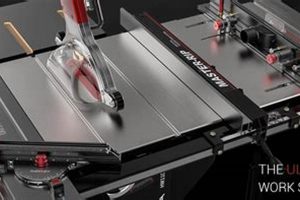
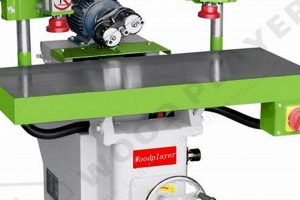
These large, fixed power tools are essential for shaping and processing wood in a variety of applications. Examples include table saws for accurate cuts, planers for surface smoothing, jointers for creating flat edges, and drill presses for precise holes. These instruments are differentiated from handheld or portable tools by their size, power, and the fact that they are bolted to the floor or a workbench for stability.
The utilization of these tools leads to improved precision, enhanced efficiency, and a higher quality of finished product in woodworking projects. Their historical context extends back to the industrial revolution, where mechanization began to significantly improve the speed and consistency of woodworking tasks. The ability to perform repetitive operations with accuracy has made mass production of wooden components possible.
The following sections will delve into the specific types of these tools, their applications, safety considerations for their operation, and factors to consider when making purchasing decisions. Maintenance and troubleshooting tips will also be addressed to ensure longevity and optimal performance of this equipment.
Essential Guidance for Optimal Performance
The efficient and safe operation of these tools requires adherence to established best practices. The following guidelines address key aspects of usage, maintenance, and safety.
Tip 1: Prioritize Safety Protocols: Adherence to manufacturer’s safety guidelines is paramount. Always wear appropriate personal protective equipment, including eye protection, hearing protection, and dust masks. Ensure machine guards are correctly positioned and functional before commencing any operation.
Tip 2: Implement Regular Maintenance Schedules: Routine maintenance is crucial for prolonging the lifespan and ensuring the accuracy of each tool. This includes lubrication of moving parts, blade sharpening or replacement, and inspection for signs of wear or damage.
Tip 3: Understand Material Properties: Different wood species react differently to cutting, planing, and shaping operations. Understanding the grain direction, density, and moisture content of the material being processed is essential for achieving optimal results and minimizing the risk of kickback or splintering.
Tip 4: Optimize Dust Collection Systems: Effective dust collection systems are vital for maintaining a clean and healthy work environment. Wood dust poses a significant respiratory hazard, and inadequate dust collection can lead to health problems over time. Ensure that dust collection systems are properly sized and regularly maintained.
Tip 5: Ensure Adequate Power Supply: These devices demand significant electrical power. Verify that the power supply is adequate and properly grounded to prevent electrical hazards and ensure consistent performance. Consult with a qualified electrician if necessary.
Tip 6: Utilize Appropriate Work Holding Methods: Secure work holding is crucial for accuracy and safety. Employ clamps, jigs, and fixtures to prevent the workpiece from moving during operation. This is particularly important when performing intricate cuts or shaping operations.
Tip 7: Seek Professional Training: Formal training on the proper operation and maintenance of specific tools is highly recommended, especially for inexperienced users. This can significantly reduce the risk of accidents and improve the quality of finished work.
Following these guidelines will contribute to a safer, more productive, and more enjoyable woodworking experience. Regular attention to detail and adherence to best practices are essential for maximizing the benefits offered by these powerful and versatile tools.
The subsequent sections will provide more detailed information on specific types of equipment and advanced techniques.
1. Safety protocol adherence

The operation of fixed woodworking equipment inherently involves potential hazards. High-speed rotating blades, powerful motors, and the potential for material kickback necessitate strict adherence to safety protocols to mitigate risks. Failure to follow prescribed safety measures can result in severe injuries, including lacerations, amputations, and eye damage. Therefore, a comprehensive understanding and rigorous application of safety protocols are not merely recommended but are indispensable for the safe and responsible use of such equipment. For example, the consistent use of blade guards on table saws significantly reduces the likelihood of accidental contact with the blade. Similarly, the utilization of push sticks and push blocks ensures hands remain a safe distance from the cutting surface during operation. Real-world incidents consistently demonstrate the correlation between safety protocol violations and woodworking-related injuries, highlighting the practical significance of this understanding.
Furthermore, safety protocol adherence extends beyond the immediate operation of the equipment. It encompasses pre-operational checks to ensure all machine components are functioning correctly, including blade alignment, guard integrity, and emergency stop functionality. It also involves maintaining a clean and organized workspace to prevent slips, trips, and other accidents. Proper training and ongoing education are crucial elements of a robust safety program. Woodworkers should be thoroughly familiar with the operating manual for each machine and should receive regular refresher training to reinforce safe work practices. The absence of these elements can lead to complacency and an increased risk of accidents.
In summary, the integration of safety protocols is an integral component of operating fixed woodworking equipment. It addresses the inherent risks associated with these powerful tools. The unwavering application of these protocols, alongside diligent maintenance and comprehensive training, provides a framework for safer woodworking practices. Neglecting safety protocols presents significant challenges, including elevated injury rates and increased liability. The establishment of a culture of safety, where adherence to protocols is prioritized, remains paramount for all woodworking environments.
2. Maintenance schedule compliance

Maintenance schedule compliance is critical for the long-term functionality and safety of fixed woodworking equipment. Regular maintenance prevents unexpected breakdowns, ensures consistent performance, and prolongs the lifespan of these significant capital investments. Deviation from recommended maintenance schedules can lead to decreased efficiency, increased risk of accidents, and costly repairs.
- Component Lifespan Extension
Adherence to a maintenance schedule directly impacts the lifespan of machine components. For instance, regularly lubricating bearings in a jointer reduces friction and wear, preventing premature failure. Cleaning saw blades and applying rust preventative measures mitigates corrosion and extends blade life. Consistent attention to these details preserves the integrity of the machinery, deferring the need for costly replacements.
- Operational Efficiency
Consistent maintenance ensures that machinery operates at peak efficiency. Sharpening blades on a planer or table saw results in cleaner, more precise cuts and reduces the strain on the motor. Aligning fences and guides on a bandsaw ensures accurate cuts and prevents material wastage. Optimized performance translates to increased productivity and reduced operational costs.
- Safety Assurance
Regular maintenance is inextricably linked to the safe operation of these systems. Inspecting and replacing worn belts on a drill press prevents slippage and potential injuries. Verifying the functionality of safety guards and emergency stop mechanisms on all machines ensures that safety features operate correctly in the event of an incident. A proactive approach to maintenance minimizes the risk of accidents.
- Cost Reduction
While maintenance requires an initial investment of time and resources, neglecting it results in significantly higher costs in the long term. Preventative maintenance identifies minor issues before they escalate into major problems, avoiding expensive repairs or complete machine replacement. A well-maintained machine also consumes less energy, reducing operational expenses. The economic benefits of maintenance compliance far outweigh the associated costs.
In conclusion, consistent adherence to a structured maintenance schedule is essential for maximizing the return on investment in heavy duty woodworking machines. It ensures longevity, optimal performance, safe operation, and reduced long-term costs. A commitment to regular maintenance reflects a dedication to responsible equipment management and a safe, productive work environment.
3. Material compatibility knowledge

Material compatibility knowledge is an indispensable element in the effective and safe operation of fixed woodworking machines. The interaction between the cutting tool, the machine’s capabilities, and the physical properties of the wood profoundly affects the outcome of any woodworking task. A lack of understanding in this area can lead to compromised workpiece quality, accelerated tool wear, machine damage, and potentially hazardous conditions. For instance, attempting to cut dense hardwoods, such as ebony or ipe, with a saw blade designed for softwoods can result in blade overheating, binding, and ultimately, blade failure. Similarly, feeding wood with high moisture content through a planer can cause the machine to bog down, leading to uneven surfacing and potential motor damage. The type of wood determines optimal cutting speed, feed rate, and blade selection. Softwoods generally require faster cutting speeds and higher feed rates, whereas hardwoods need slower speeds and controlled feed to prevent burning or tearing.
Real-world applications underscore the importance of this knowledge. Cabinetmakers selecting cherry, a medium-density hardwood, for cabinet doors must understand its tendency to burn at high speeds. They will use a blade specifically designed for hardwoods, and set feed rate to moderate. The incorrect type blade leads to burned edges and dimensional inaccuracies. Alternatively, carpenters working with pressure-treated pine for outdoor structures must recognize its high moisture content and potential for warping. Adequate support prevents twisting during processing with jointers and planers.
In summary, knowledge of wood propertiesincluding density, hardness, grain structure, and moisture contentis integral to successful woodworking. The connection is established by the direct impact of material properties on machine selection, operational settings, and safety practices. This information is critical for producing high-quality work, ensuring operator safety, and protecting the capital investment represented by stationary woodworking machines.
4. Dust collection efficiency

Effective dust management is paramount when utilizing fixed woodworking machinery. The generation of fine particulate matter during cutting, sanding, and shaping operations poses significant health and operational challenges. Consequently, the efficiency of dust collection systems directly impacts both the immediate working environment and the long-term well-being of woodworking personnel.
- Respiratory Health Protection
Wood dust, particularly from hardwoods and treated lumber, is a known respiratory irritant and carcinogen. Prolonged exposure can lead to various respiratory ailments, including asthma, bronchitis, and certain types of cancer. Efficient dust collection systems, incorporating high-efficiency particulate air (HEPA) filters, capture the majority of airborne particles, significantly reducing the risk of inhalation and subsequent health problems. Real-world applications reveal that woodworking shops with inadequate dust collection exhibit higher rates of respiratory illnesses among their employees.
- Improved Visibility and Safety
Accumulated dust obscures the work surface, reducing visibility and increasing the likelihood of accidents. Obstructed views can lead to inaccurate cuts, misaligned operations, and potential injuries involving the machinery’s cutting surfaces. Effective dust collection systems extract dust at the source, maintaining clear visibility and enhancing overall safety in the workspace. A well-maintained system ensures that operators can clearly see the cutting path, reducing the risk of errors and accidents.
- Extended Machine Lifespan
Dust accumulation within machinery can impede its proper function and accelerate wear and tear on moving parts. Fine particles infiltrate bearings, motors, and other critical components, leading to increased friction, overheating, and premature failure. Efficient dust collection systems prevent dust buildup, preserving the integrity of the machinery and extending its operational lifespan. Regular dust extraction minimizes the strain on machine components, lowering the frequency of repairs and replacements.
- Enhanced Finish Quality
Airborne dust particles can settle onto freshly finished surfaces, compromising the quality of the final product. Dust contamination can result in blemishes, uneven coatings, and the need for rework, increasing production time and material costs. Dust collection maintains a clean environment, preventing dust from settling and ensuring smooth, flawless finishes. Woodworking facilities employing robust dust collection systems consistently achieve higher quality finished products and minimize rework.
The integration of efficient dust collection systems is not merely an ancillary consideration but a fundamental requirement for any woodworking operation utilizing stationary machines. The long-term health benefits for employees, increased machine lifespan, and elevated finish quality justify the capital investment in properly designed and maintained dust extraction systems. Conversely, neglecting this aspect presents considerable risks to worker safety, equipment longevity, and overall productivity.
5. Power supply adequacy
The assurance of adequate electrical power is a fundamental prerequisite for the reliable and safe operation of fixed woodworking equipment. These machines, often equipped with high-torque motors and demanding operational cycles, require a stable and sufficient power supply to function as intended. Any deficiency in the power supply can lead to performance degradation, equipment damage, and potential safety hazards.
- Motor Performance and Longevity
Stationary woodworking machines rely on electric motors to drive their cutting tools. An insufficient power supply can cause motors to overheat, operate at reduced efficiency, and experience premature wear. For instance, a table saw operating on an undersized circuit may struggle to maintain blade speed when cutting thick hardwoods, leading to motor strain and eventual failure. Ensuring the correct voltage and amperage are supplied to the motor extends its lifespan and ensures consistent performance under load.
- Circuit Overload and Safety Risks
Operating fixed woodworking equipment on an inadequate power supply can lead to circuit overload, posing a significant fire hazard. When a machine draws more current than the circuit is designed to handle, the circuit breaker may trip frequently, or worse, the wiring may overheat, potentially igniting surrounding materials. Adhering to electrical codes and ensuring that dedicated circuits are properly sized for each machine mitigates the risk of electrical fires and protects both the equipment and the workspace.
- Consistent Operational Speed and Precision
Fluctuations in voltage or amperage can affect the rotational speed of cutting tools, impacting the precision and quality of the finished product. A planer operating on an unstable power supply may produce uneven surfaces due to variations in blade speed. Maintaining a stable and adequate power supply ensures consistent tool speed, resulting in more accurate cuts, smoother surfaces, and improved overall work quality.
- Compliance with Electrical Standards
Local and national electrical codes mandate specific requirements for wiring, grounding, and circuit protection. Compliance with these standards is essential for ensuring the safe and legal operation of woodworking machinery. Consulting with a qualified electrician to assess the power requirements of each machine and to ensure that the electrical system meets all applicable codes is crucial for avoiding violations and maintaining a safe working environment.
In conclusion, the provision of an adequate and stable power supply is not merely a convenience but a fundamental necessity for the safe, efficient, and reliable operation of stationary woodworking equipment. Addressing power supply adequacy safeguards against equipment damage, reduces the risk of electrical hazards, and ensures the production of high-quality woodworking projects. Prioritizing this aspect of equipment installation and operation promotes a safe and productive woodworking environment.
Frequently Asked Questions
This section addresses commonly encountered inquiries regarding the selection, operation, maintenance, and safety of fixed woodworking equipment. It aims to provide concise, informative answers to enhance understanding and promote best practices.
Question 1: What are the primary advantages of stationary woodworking machines compared to portable power tools?
Fixed woodworking devices typically offer greater power, precision, and stability compared to handheld counterparts. They are designed for continuous, heavy-duty operation and are better suited for large-scale projects requiring consistent accuracy.
Question 2: What safety precautions should be prioritized when operating stationary woodworking machines?
Adherence to manufacturer’s safety guidelines, proper use of personal protective equipment (PPE), verification of machine guard functionality, and thorough pre-operation inspections are paramount. Operators must receive adequate training before utilizing any piece of equipment.
Question 3: What is the recommended frequency for routine maintenance on stationary woodworking machines?
Maintenance schedules vary depending on the specific machine and its usage. However, a general guideline involves weekly cleaning, lubrication of moving parts, and blade inspections. More comprehensive maintenance, including belt replacements and motor servicing, should be performed annually or as indicated by the manufacturer.
Question 4: How does the type of wood affect the selection of blades and operational settings for stationary woodworking machines?
Different wood species possess varying densities, hardness levels, and grain structures, influencing the appropriate blade type, cutting speed, and feed rate. Hardwoods generally require blades with more teeth and slower cutting speeds, while softwoods can be processed with faster speeds and fewer teeth. Incorrect settings can lead to splintering, burning, or blade damage.
Question 5: What are the essential components of an effective dust collection system for a woodworking shop with stationary machines?
A comprehensive dust collection system includes a powerful dust collector, appropriately sized ductwork, blast gates to control airflow, and filters capable of capturing fine particulate matter. Regular cleaning of filters and emptying of dust collection bags is essential for maintaining optimal system performance.
Question 6: How can the risk of kickback be minimized when using a table saw?
Kickback is a dangerous phenomenon that can occur when the workpiece is pinched between the blade and the fence or when the blade catches on the wood. Minimizing this risk involves using a sharp blade, maintaining a proper stance, utilizing a push stick or push block, and ensuring that the riving knife or splitter is correctly positioned.
The consistent application of these principles and protocols ensures the long-term productivity, safety, and efficiency of fixed woodworking equipment.
The next section will discuss factors influencing the selection of specific machine types based on project requirements and budgetary constraints.
Conclusion
This discourse has explored the multifaceted aspects of these tools, encompassing their functionality, safety protocols, maintenance imperatives, and influence of material properties. The ability to achieve precision and repeatability distinguishes these instruments, making them integral to woodworking operations ranging from individual craftsmanship to industrial-scale production. Proper operation of these machines requires not only procedural training but also a comprehensive understanding of wood science, machine mechanics, and safety practices.
As woodworking technology advances, the fundamental principles of safe and effective operation with stationary woodworking machines remain paramount. A continued commitment to ongoing training, rigorous maintenance, and adherence to safety protocols will ensure these tools remain a valuable asset for generations of woodworkers to come. The long-term value resides not only in their physical capability but also in the knowledge and skill required to wield them responsibly and effectively.