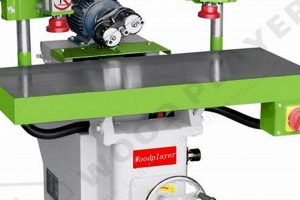
The systematic care and upkeep of equipment used to shape and fabricate wood is essential for operational efficiency. This encompasses a range of activities from routine cleaning and lubrication to component inspection and replacement. For example, regularly sharpening blades on a planer ensures smooth cuts and reduces strain on the motor.
Proper execution extends equipment lifespan, minimizes downtime, and promotes workplace safety. Neglecting this crucial aspect can lead to increased repair costs, production delays, and potential accidents. Historically, skilled tradespeople understood its value, adapting practices as technology advanced from hand tools to sophisticated automated systems.
The subsequent sections will delve into specific aspects, including preventative measures, troubleshooting common issues, and best practices for various types of equipment. Consideration will also be given to the documentation required for regulatory compliance and efficient operational management.
Essential Guidance
The following recommendations aim to enhance equipment reliability and operational safety through diligent application of established procedures.
Tip 1: Implement a Regular Cleaning Schedule. Consistent removal of sawdust and debris prevents overheating, reduces wear on moving parts, and minimizes the risk of fire. A daily cleaning routine is generally recommended.
Tip 2: Lubricate Moving Components. Apply appropriate lubricants to bearings, gears, and other friction points as specified by the manufacturer. This reduces friction, minimizes wear, and ensures smooth operation.
Tip 3: Inspect Power Cords and Connections. Regularly examine electrical cords and connections for damage or fraying. Replace any compromised components immediately to prevent electrical hazards.
Tip 4: Sharpen Cutting Tools. Maintain sharp blades and bits to ensure clean cuts and reduce strain on the motor. Dull cutting edges can lead to increased heat, splintering, and inefficient operation.
Tip 5: Check Belt Tension and Alignment. Ensure belts are properly tensioned and aligned to prevent slippage, vibration, and premature wear. Adjustments should be made according to the manufacturer’s recommendations.
Tip 6: Monitor for Unusual Noises or Vibrations. Pay close attention to any abnormal sounds or excessive vibration during operation. These can indicate underlying issues that require investigation and repair.
Tip 7: Follow Manufacturer’s Recommendations. Adhere to the manufacturer’s guidelines for service intervals, lubrication types, and replacement parts. This ensures optimal performance and prolongs equipment lifespan.
Consistent adherence to these guidelines will significantly improve equipment reliability, reduce downtime, and enhance overall operational safety.
The concluding section will summarize the key concepts presented and emphasize the long-term benefits of prioritizing these practices.
1. Regular Cleaning

Regular cleaning is an indispensable element of woodworking machine service. The accumulation of sawdust and wood chips, a natural byproduct of wood processing, poses several threats to equipment functionality. This debris can impede moving parts, leading to increased friction and accelerated wear. Furthermore, the presence of fine dust particles can infiltrate sensitive components such as bearings and electrical contacts, causing premature failure. In extreme cases, accumulated dust presents a significant fire hazard, especially when combined with the heat generated by machinery. As an example, consider a belt sander. If the dust collection system is neglected, the abrasive dust can accumulate around the motor, causing it to overheat and potentially fail. Regular cleaning prevents this.
Effective cleaning protocols should include the removal of debris from all accessible areas of the machine, including tables, fences, and dust collection ports. Compressed air can be used to dislodge stubborn particles, but care must be taken to avoid driving dust further into sensitive components. Vacuum systems equipped with HEPA filters are particularly effective for capturing fine dust particles. Specific attention should be given to cleaning blades and cutters, as accumulated resin and pitch can significantly reduce cutting efficiency and increase the risk of kickback. For example, a tablesaw blade coated with resin requires more force to push wood through, increasing operator fatigue and the chance of accidents.
In conclusion, consistent removal of sawdust and debris represents a proactive strategy for preserving equipment longevity and safety within woodworking operations. Neglecting this critical task can lead to diminished performance, increased maintenance costs, and heightened risk of fire or mechanical failure. Adhering to a structured cleaning schedule, tailored to the specific needs of each machine, is therefore essential for responsible equipment care and operational efficiency.
2. Component Lubrication

Component lubrication is a critical aspect of woodworking machine maintenance. The application of appropriate lubricants to moving parts reduces friction, minimizes wear, and prevents premature failure, ensuring reliable and efficient operation.
- Friction Reduction and Wear Prevention
Lubrication creates a thin film between moving surfaces, such as bearings and gears, minimizing direct contact. This significantly reduces friction, thereby decreasing heat generation and wear. For example, regular greasing of a jointer’s cutterhead bearings extends their lifespan and prevents the bearing from seizing, which could damage the motor and require costly repairs.
- Protection Against Corrosion
Many lubricants contain additives that inhibit corrosion. This is particularly important in woodworking environments where moisture and wood dust can accelerate rust formation on exposed metal surfaces. A thin coat of oil on a tablesaw’s cast iron top, for example, prevents rust and maintains a smooth surface for material feeding.
- Noise Reduction
Proper lubrication dampens vibrations and reduces noise levels. This contributes to a safer and more comfortable working environment. A well-lubricated planer, for instance, will operate more quietly and smoothly than one with dry or inadequately lubricated components.
- Heat Dissipation
Lubricants assist in dissipating heat generated by friction. This helps prevent overheating of components and reduces the risk of thermal damage. Oil circulating through a spindle motor, for example, helps regulate its temperature, preventing premature winding failure.
Therefore, the implementation of a comprehensive lubrication schedule, using the correct lubricants as specified by the machine manufacturer, is vital for maintaining optimal performance, extending equipment lifespan, and ensuring safe operation. Neglecting this crucial element of woodworking machine service inevitably leads to increased repair costs, reduced productivity, and a heightened risk of equipment failure.
3. Blade Sharpening

Blade sharpening constitutes a critical facet of proper woodworking machine service. Maintaining sharp cutting edges directly impacts machine performance, safety, and the quality of finished products. Neglecting blade sharpness leads to operational inefficiencies and potential hazards.
- Cut Quality and Efficiency
Sharp blades produce clean, precise cuts, reducing the need for secondary processing such as sanding. Conversely, dull blades tear wood fibers, resulting in rough surfaces and increased material waste. A sharp planer blade, for instance, produces a smooth, consistent surface, while a dull blade leaves behind tear-out and requires additional sanding.
- Motor Load and Equipment Stress
Dull blades necessitate increased force to perform cutting operations, placing undue stress on the machine’s motor and drive system. This elevated load can lead to premature motor failure, belt slippage, and increased energy consumption. A sharp saw blade slices through wood with minimal resistance, while a dull blade forces the motor to work harder, potentially overheating and shortening its lifespan.
- Safety and Operator Control
Sharp blades provide greater control during cutting operations, reducing the risk of kickback and other accidents. Operators are less likely to apply excessive force when using sharp blades, maintaining better control over the workpiece. A dull blade can cause the wood to bind or grab, potentially throwing the material back towards the operator or causing the operator to lose control.
- Blade Life and Longevity
Regular sharpening extends the lifespan of cutting tools. Sharpening removes only a minimal amount of material, restoring the cutting edge to its optimal condition. Conversely, allowing blades to become excessively dull necessitates more aggressive sharpening, removing a greater amount of material and shortening the blade’s overall lifespan. Timely sharpening prevents the blade from becoming so dull that it requires complete replacement.
Therefore, incorporating regular blade sharpening into routine woodworking machine care is essential for optimizing performance, ensuring safety, and extending the lifespan of both the cutting tools and the machines themselves. Neglecting this aspect of service leads to diminished cut quality, increased equipment stress, and heightened risk of accidents.
4. Safety Inspections

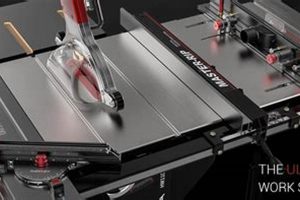
Safety inspections form an integral part of thorough woodworking machine upkeep. Their neglect can result in equipment malfunctions, workplace injuries, and decreased operational efficiency. These inspections, conducted regularly, aim to identify potential hazards before they escalate into accidents or breakdowns. A woodworking shop featuring a tablesaw, for instance, requires frequent checks of the blade guard, anti-kickback pawls, and splitter. A missing or damaged blade guard renders the saw significantly more dangerous. Likewise, non-functional anti-kickback pawls or a splitter increase the risk of kickback, potentially causing severe injury to the operator. Without consistent surveillance of these elements, a seemingly minor issue can quickly lead to hazardous conditions.
The scope of safety inspections extends beyond the immediate operational components of the machinery. Power cords require scrutiny for fraying or damage, which presents an electrical hazard. Dust collection systems demand regular evaluation to ensure proper functioning; inadequate dust collection increases the risk of respiratory problems and fire. Furthermore, emergency stop mechanisms must be tested periodically to confirm their operational readiness. Consider a situation where a band saw’s emergency stop fails to function; in the event of a blade breakage or material jam, the operator lacks a means to quickly halt the machine, potentially leading to injury. Documenting these inspections, including dates, findings, and corrective actions, establishes a verifiable record of maintenance and compliance with safety regulations.
In summary, safety inspections within the framework of woodworking machine upkeep are not merely procedural formalities; they are proactive measures essential for safeguarding personnel, preserving equipment integrity, and maintaining a productive work environment. By systematically identifying and addressing potential hazards, safety inspections mitigate the risks associated with woodworking machinery, contributing to a safer and more efficient operational environment. Failure to prioritize these inspections undermines the overall effectiveness of woodworking machine maintenance, increasing the likelihood of accidents and equipment failures.
5. Preventive Replacement

Preventive replacement constitutes a critical element of comprehensive woodworking machine upkeep, addressing the inevitable degradation of components due to wear, fatigue, or material aging. The practice involves systematically replacing parts at predetermined intervals, irrespective of their apparent condition at the time of replacement. This approach minimizes the risk of unexpected equipment failures during operation, which can lead to costly downtime, production delays, and potential safety hazards. For instance, replacing bearings in a spindle motor at scheduled intervals, even if they appear functional, prevents the risk of bearing failure during high-speed operation, which could damage the motor windings and require a complete motor replacement. The rationale behind preventive replacement lies in the understanding that certain components have a predictable lifespan, and their failure rate increases significantly beyond a certain threshold. Replacing these components before they reach this failure threshold reduces the probability of catastrophic breakdowns.
The implementation of a preventive replacement program requires careful planning and documentation. Manufacturers’ recommendations regarding component lifespan provide a starting point, but operational conditions and machine utilization rates should also be considered. A machine subjected to heavy use may require more frequent replacements than one used intermittently. Maintaining accurate records of all replacements, including the date of installation and the reason for replacement, allows for the refinement of replacement schedules over time. For example, if a specific type of belt consistently fails after six months of operation, the replacement interval can be adjusted accordingly. The effectiveness of preventive replacement also depends on the quality of replacement parts. Using substandard or counterfeit parts can negate the benefits of the program and even accelerate equipment failure. Therefore, sourcing replacement parts from reputable suppliers is crucial. Regular inspection of replaced components can also provide valuable insights into failure modes and inform future replacement decisions.
In conclusion, preventive replacement is an investment in the long-term reliability and efficiency of woodworking machinery. While it involves the cost of replacing parts that may still appear functional, the benefits of reduced downtime, increased safety, and extended equipment lifespan far outweigh the initial expense. By proactively replacing components before they fail, woodworking operations can minimize disruptions, maintain consistent production levels, and ensure a safe working environment. The success of preventive replacement hinges on accurate planning, meticulous record-keeping, and the use of high-quality replacement parts, integrated within a holistic woodworking machine maintenance program.
Frequently Asked Questions
This section addresses common inquiries regarding the systematic care and preservation of woodworking equipment, providing clarity and guidance on best practices.
Question 1: What constitutes essential regular procedure?
Essential procedures encompass consistent cleaning to remove dust and debris, lubrication of moving components to minimize friction, regular sharpening of cutting tools to ensure efficient operation, and routine safety inspections to identify potential hazards.
Question 2: How frequently must equipment cleaning occur?
Equipment should be cleaned daily, or more frequently if warranted by operational intensity. This includes removal of sawdust, wood chips, and any other accumulated debris that may impede machine function or pose a safety risk.
Question 3: What types of lubricants are appropriate for woodworking equipment?
The specific lubricant type depends on the equipment and component in question. Consult the manufacturer’s recommendations for the appropriate grease, oil, or dry lubricant suited for each application. General-purpose lubricants are not universally suitable and may damage certain components.
Question 4: What are the indications that a blade requires sharpening?
Signs that a blade needs sharpening include a reduction in cutting efficiency, increased effort required to feed material, burning or scorching of the wood, and a rough or splintered cut surface. These indicators suggest that the blade’s cutting edge has dulled.
Question 5: How frequently must safety inspections be performed?
Safety inspections should be conducted before each use of the equipment, and more comprehensively on a weekly or monthly basis, depending on the frequency and intensity of use. These inspections should encompass all safety-related components, such as guards, emergency stops, and power cords.
Question 6: What is the recommended protocol for storing woodworking equipment when not in use?
When equipment is not in use, it should be thoroughly cleaned, lubricated, and stored in a dry, dust-free environment. Blades and cutting tools should be protected from rust and damage. Disconnecting the power supply is recommended to prevent accidental activation.
Consistent adherence to these principles will promote longevity, enhance operational safety, and optimize the performance of woodworking machinery.
The next section will explore resources and training programs available to enhance expertise in these practices.
Conclusion
The preceding sections have illuminated the critical aspects of woodworking machine maintenance, emphasizing its multifaceted nature encompassing cleaning, lubrication, sharpening, safety inspections, and preventive replacement. Consistent adherence to these principles ensures optimal equipment performance, prolonged lifespan, and a safer operational environment. Neglecting these practices leads to diminished efficiency, increased risk of accidents, and potentially substantial financial losses.
Therefore, a proactive commitment to woodworking machine maintenance is not merely a procedural obligation but a strategic imperative. Prioritizing these measures is essential for sustaining a productive and secure woodworking operation, securing long-term profitability, and safeguarding the well-being of personnel. Continuous improvement and rigorous application of these standards are crucial for realizing the full benefits of woodworking technology.