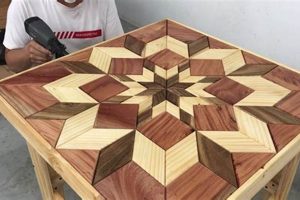
Effective approaches to carpentry projects entail employing concepts that maximize efficiency and deliver desirable outcomes. These concepts range from simple jigs that enhance precision to complex project designs that optimize material usage. A practical illustration is utilizing a story stick for repetitive measurements, reducing error and improving the overall workflow.
Employing strategies that emphasize utility provides multiple advantages. It leads to cost savings through reduced waste, enhances safety by minimizing potentially hazardous steps, and allows for the creation of items that are both aesthetically pleasing and highly functional. Throughout history, artisans have refined techniques, passing down knowledge that continues to inform contemporary woodworking practices.
The following sections will examine diverse project possibilities, efficient tool usage, and strategies for project planning, all focused on achieving optimal results in the craft.
Practical Guidance for Woodworking Endeavors
The following suggestions aim to enhance the woodworking process, leading to more efficient and satisfying outcomes.
Tip 1: Material Selection. Matching wood type to project demands is critical. Hardwoods such as oak and maple are suitable for high-stress applications, while softwoods like pine are adequate for decorative elements.
Tip 2: Precise Measurement. Accurate dimensions are paramount. Double-check all measurements before cutting. Utilize precision measuring tools to minimize errors.
Tip 3: Sharp Tools. Dull blades increase the risk of injury and reduce the quality of cuts. Sharpen tools regularly or replace them as needed. A sharp tool requires less force, improving control.
Tip 4: Joint Selection. The type of joint dictates the structural integrity of the project. Mortise-and-tenon joints are robust and ideal for load-bearing structures, while dovetail joints offer both strength and aesthetic appeal.
Tip 5: Adequate Workspace. A clean and organized workspace improves workflow and reduces the chance of accidents. Ensure sufficient lighting and space for material handling.
Tip 6: Practice New Techniques. Before committing to the final project, practice unfamiliar techniques on scrap wood. This minimizes mistakes and allows for technique refinement.
Tip 7: Proper Finishing. A well-applied finish protects the wood and enhances its appearance. Select a finish appropriate for the wood type and intended use. Follow manufacturer instructions carefully.
These guidelines underscore the importance of careful planning, execution, and material knowledge, key components in successful woodworking.
The subsequent sections will delve into specific project ideas and advanced techniques.
1. Efficiency

Efficiency, in the context of woodworking, refers to the optimization of resources time, materials, and energy to produce high-quality results with minimal waste. Its relevance is paramount when considering techniques that lead to practical and valuable outcomes.
- Material Optimization
Efficient material use involves careful planning to minimize scrap and waste. Examples include precise cut lists, nesting parts on sheet goods, and utilizing offcuts for smaller projects or joinery. This approach not only reduces costs but also promotes sustainability.
- Time Management
Streamlining the woodworking process can significantly reduce project completion time. This includes pre-planning steps, using jigs for repetitive tasks, and organizing the workspace to minimize interruptions. Effective time management enhances productivity and allows for more projects to be completed.
- Tool Utilization
Employing the right tools for specific tasks and maintaining them properly maximizes efficiency. For example, using a power planer for flattening wide boards instead of hand planing can save considerable time and effort. Regular sharpening of blades and proper calibration of machinery ensure optimal performance and safety.
- Process Streamlining
Analyzing and simplifying workflows improves overall efficiency. This can involve batch processing similar tasks, such as cutting all parts to size before assembly, or implementing lean manufacturing principles to eliminate unnecessary steps. A streamlined process reduces errors and increases output.
By focusing on these facets of efficiency, woodworking projects can become more cost-effective, less wasteful, and ultimately more rewarding, aligning closely with the core principles of the craft.
2. Functionality
Functionality serves as a core element in woodworking, defining the degree to which a project effectively fulfills its intended purpose. Its importance is central to crafting items that are not only aesthetically pleasing but also practical and beneficial in daily use.
- Purpose-Driven Design
Purpose-driven design begins with a clear understanding of the intended use. For example, a workbench should be sturdy, level, and include features such as vises and dog holes for secure material clamping. A chair requires ergonomic considerations for comfortable seating and structural integrity to support weight. The design directly reflects the intended function, maximizing usability.
- Material Selection for Performance
The choice of materials must align with the functional requirements of the project. Outdoor furniture, for instance, necessitates weather-resistant woods like cedar or teak. A cutting board benefits from the properties of hardwoods such as maple, which are dense, durable, and less prone to harboring bacteria. Selecting appropriate materials is essential for long-term performance.
- Ergonomics and Usability
Ergonomic considerations enhance user experience. A well-designed hand tool should fit comfortably in the hand, reducing strain and improving control. The height of a desk should be appropriate for the user, promoting good posture and reducing fatigue. Attending to ergonomics ensures that the finished item is easy and comfortable to use.
- Durability and Longevity
A functional object must withstand the rigors of regular use. Strong joinery techniques, such as mortise-and-tenon or dovetail joints, contribute to the structural integrity of furniture. A protective finish, such as varnish or lacquer, shields the wood from moisture, scratches, and UV damage. Focusing on durability extends the lifespan of the project, making it a lasting asset.
These considerations highlight how a focus on functionality transforms woodworking from a purely aesthetic endeavor to a craft centered on creating durable, user-friendly items that offer lasting value. Integrating functionality into every aspect of the woodworking process, from design to material selection to construction, is key to creating projects with practical utility.
3. Aesthetics

The intersection of aesthetics and functional carpentry represents a convergence of artistry and utility. Aesthetic considerations influence the perceived value and overall satisfaction derived from woodworking projects, affecting design choices, finishing techniques, and material selection. A well-executed project integrates both structural integrity and visual appeal. For example, a dining table crafted with durable joinery but lacking attention to grain patterns or finish quality may fulfill its function yet fall short in aesthetic impact. Conversely, an intricately carved decorative item might exhibit exceptional beauty but lack practical application.
Material selection significantly impacts aesthetic outcome. The choice between cherry, walnut, or maple for a cabinet, for instance, profoundly alters its visual character. Similarly, the application of stains, paints, or clear finishes either enhances or diminishes the wood’s natural beauty. Techniques such as book-matching veneers or incorporating contrasting wood species demonstrate a deliberate focus on visual interest. Furthermore, hardware selection, including hinges, knobs, and pulls, contributes to the overall aesthetic harmony of the piece. The design of a chair might incorporate curved elements for visual appeal, which can be achieved through bent lamination, steam bending or careful carving, enhancing both form and function.
In summation, aesthetic elements serve as integral components in elevating functional carpentry to pieces of artistic merit. An understanding of design principles, material characteristics, and finishing techniques enables woodworkers to create projects that fulfill practical needs while enriching the visual environment. Achieving harmony between form and function is paramount for maximizing the value and satisfaction derived from carpentry endeavors.
4. Durability

Durability, in the realm of carpentry, represents the capacity of a project to withstand wear, stress, and environmental factors over an extended period. It is a crucial determinant of value and longevity, directly influencing the practicality and overall success of woodworking endeavors. The incorporation of durability considerations from the initial design phase is essential for creating items that provide sustained utility.
- Material Selection
The choice of materials significantly impacts the structural integrity and lifespan of a woodworking project. Hardwoods such as oak, maple, and walnut offer superior resistance to wear and tear compared to softwoods like pine or fir. Selecting appropriate materials, coupled with proper seasoning techniques to minimize warping or cracking, is fundamental to ensuring durability. For outdoor applications, naturally weather-resistant woods like cedar or teak, or treated lumber, are essential to withstand moisture and insect damage.
- Joinery Techniques
The strength and stability of joints dictate the overall robustness of a woodworking project. Employing robust joinery methods, such as mortise-and-tenon, dovetail, or lap joints, ensures that connections remain secure under stress. Proper execution of these techniques, including precise fitting and the use of high-quality adhesives, enhances the structural integrity and resistance to racking or separation over time. Selecting the appropriate joint for the specific application is paramount for achieving lasting durability.
- Finishing and Protection
The application of protective finishes safeguards wood surfaces from moisture, ultraviolet radiation, and physical abrasion. Sealants, varnishes, and paints create a barrier that prevents water penetration, reduces the risk of rot or decay, and protects against scratches or dents. Regular maintenance, including reapplying finishes as needed, prolongs the lifespan and maintains the aesthetic appeal of the project. The choice of finish should align with the intended use and environmental conditions to provide optimal protection.
- Design Considerations
Thoughtful design plays a crucial role in enhancing the durability of woodworking projects. Distributing stress effectively, minimizing potential weak points, and accounting for wood movement due to changes in humidity are key considerations. Incorporating structural reinforcements, such as aprons, stretchers, or gussets, strengthens the overall framework and enhances resistance to bending or warping. Designing with consideration for long-term wear and tear contributes to the enduring functionality of the piece.
The facets described above highlight how a strategic focus on durability elevates woodworking projects from ephemeral creations to enduring assets. Integrating sound material choices, robust joinery, protective finishes, and thoughtful design principles contributes to the long-term value and utility of carpentry endeavors.
5. Sustainability
Sustainability within woodworking encompasses practices that minimize environmental impact, conserve resources, and promote responsible forestry. It represents a growing imperative in the field, influencing material choices, construction methods, and waste management strategies, thereby connecting directly to practical and valuable woodworking solutions.
- Sourcing Sustainable Materials
Utilizing wood from certified sustainable forests ensures responsible harvesting and regeneration practices. Examples include sourcing lumber certified by the Forest Stewardship Council (FSC) or employing reclaimed wood from deconstructed buildings or fallen trees. This approach reduces deforestation, preserves biodiversity, and minimizes the carbon footprint associated with lumber production. Integrating sustainably sourced wood enhances the environmental responsibility of carpentry projects.
- Minimizing Waste
Efficient material utilization and waste reduction strategies are central to sustainable woodworking. Techniques such as precise cut lists, nesting parts on sheet goods, and repurposing offcuts for smaller projects or joinery minimize material waste. Implementing effective dust collection systems and responsibly disposing of sawdust and wood scraps further reduces environmental impact. Waste minimization contributes to resource conservation and reduces landfill waste.
- Using Eco-Friendly Finishes
Traditional wood finishes often contain volatile organic compounds (VOCs) that contribute to air pollution and pose health risks. Utilizing water-based finishes, natural oils, and waxes reduces VOC emissions and promotes a healthier work environment. Selecting finishes with low environmental impact minimizes the release of harmful chemicals into the atmosphere and reduces exposure for both the woodworker and the end-user.
- Designing for Longevity and Repairability
Creating woodworking projects that are durable, repairable, and designed for long-term use reduces the need for frequent replacement. Employing robust joinery techniques, selecting durable materials, and designing with ease of repair in mind extends the lifespan of the project. This approach minimizes resource consumption and reduces the environmental impact associated with manufacturing new items.
Integrating sustainability into carpentry practices ensures responsible resource utilization and reduces environmental harm. The aforementioned methods align projects with ecological principles, augmenting their value and usefulness for both present and future generations. Promoting responsible forestry, reducing waste, using eco-friendly finishes and designing for long life. By incorporating sustainable practices, carpentry contributes positively to environmental conservation and social well-being.
6. Innovation

Innovation, in the context of woodworking, denotes the introduction of novel methods, materials, designs, or processes that enhance the craft’s effectiveness, efficiency, or aesthetic qualities. It directly correlates with the generation of practical woodworking solutions, as innovative approaches often yield improvements in project design, material utilization, and construction techniques. For example, the development of CNC (Computer Numerical Control) woodworking machines has revolutionized the precision and repeatability of complex cuts, enabling intricate designs that were previously impractical to execute manually. This technological advancement exemplifies how innovation directly translates into functional improvements and expanded creative possibilities within the field.
Another illustration lies in the adoption of sustainable materials, such as bamboo or reclaimed wood, in response to environmental concerns. Woodworkers are increasingly experimenting with these materials to create eco-friendly and aesthetically unique projects. Similarly, the exploration of new joinery techniques, such as incorporating 3D-printed components to reinforce traditional joints, represents an innovative approach to enhancing structural integrity and design versatility. The integration of smart technology, like embedded sensors for environmental monitoring in furniture, further showcases the diverse applications of innovation in creating useful and responsive woodworking products.
In summary, innovation serves as a catalyst for advancing practical carpentry approaches. Its implementation results in projects that are not only more efficient, sustainable, and visually appealing but also better equipped to meet evolving functional demands. Challenges in fostering innovation within woodworking often involve balancing traditional skills with new technologies and promoting a mindset that embraces experimentation and adaptation. Recognizing and supporting innovative practices is paramount for ensuring the continued evolution and relevance of the woodworking profession.
Frequently Asked Questions Regarding Woodworking Applications
The following section addresses common inquiries regarding the efficient and practical applications of carpentry principles.
Question 1: What characterizes a truly practical woodworking project?
A practical woodworking project demonstrates a tangible benefit, fulfilling a specific need or improving a living space. It also emphasizes efficient use of materials, sound construction techniques, and durability.
Question 2: How does project planning contribute to the effectiveness of woodworking?
Meticulous planning, including detailed drawings, accurate measurements, and a comprehensive cut list, minimizes material waste, reduces errors, and streamlines the construction process. This enhances project efficiency and optimizes resource utilization.
Question 3: What role does material selection play in realizing effective carpentry outcomes?
Selecting appropriate wood species based on their strength, durability, and workability characteristics is crucial. Matching the material to the intended application ensures structural integrity, longevity, and aesthetic suitability.
Question 4: What joinery methods contribute most to the sturdiness and practicality of woodworking?
Robust joinery techniques, such as mortise-and-tenon, dovetail, and lap joints, provide superior strength and resistance to stress. These techniques enhance the structural integrity of furniture and other wooden constructions, ensuring long-term durability.
Question 5: How can safety be improved in woodworking projects?
Utilizing safety equipment, such as eye protection, hearing protection, and dust masks, minimizes the risk of injury. Maintaining a clean and organized workspace, and using sharp, well-maintained tools also contribute to a safer working environment.
Question 6: In what ways does the finishing process impact the practicality of woodworking?
The application of protective finishes, such as sealants, varnishes, and paints, safeguards wood surfaces from moisture, ultraviolet radiation, and physical abrasion. These finishes extend the lifespan of the project and maintain its aesthetic appeal.
In conclusion, practical woodworking outcomes stem from a combination of careful planning, judicious material selection, sound construction techniques, safety awareness, and appropriate finishing methods.
The following sections will explore specific project ideas and advanced techniques.
Conclusion
The preceding discourse has examined diverse facets of efficient and effective woodworking, concentrating on elements that lead to practical and beneficial outcomes. Material selection, joinery techniques, design considerations, sustainability, and innovation each play a critical role in creating projects that exhibit both functional utility and aesthetic merit. Attention to these elements contributes to woodworking’s value.
The successful implementation of these “useful woodworking ideas” necessitates careful planning, skillful execution, and a commitment to continuous learning and improvement. As technology and materials evolve, the woodworking craft will continue to adapt, offering new avenues for creative expression and practical problem-solving. The pursuit of excellence in woodworking necessitates both respect for tradition and a willingness to embrace innovation.