The sequence of procuring equipment for a wood crafting endeavor represents a strategic approach to resource allocation. This systematic acquisition ensures foundational capabilities precede specialized tasks, optimizing learning and project completion. For instance, acquiring measuring tools and a hand saw before a lathe enables the craftsman to establish basic sizing and cutting skills before advancing to more complex shaping techniques.
A logical progression of tool acquisition yields several benefits. It minimizes initial investment by prioritizing essential implements, allowing the craftsperson to defer purchases of less frequently used items. Furthermore, incremental investment facilitates a gradual development of skills, preventing overwhelm and promoting mastery. Historically, apprenticeship models often incorporated a similar phased approach, with novices first learning basic techniques with fundamental tools before progressing to more intricate machinery.
The following sections will detail a suggested arrangement for acquiring essential woodworking implements. Categories such as measuring and marking, cutting, shaping, joinery, and finishing will be addressed in a progressive manner, facilitating a methodical establishment of a functional workshop.
Strategic Equipment Acquisition
This section outlines essential considerations for a methodical approach to obtaining woodworking tools. Prioritizing fundamental equipment and expanding capabilities in a logical sequence promotes efficiency and skill development.
Tip 1: Prioritize Measuring and Marking Tools: Accurate layouts are crucial. Invest in a quality combination square, measuring tape, and marking gauge before power tools.
Tip 2: Acquire Essential Hand Tools Initially: A hand saw, chisels, and a block plane offer invaluable practice and control, providing a solid foundation before operating machinery.
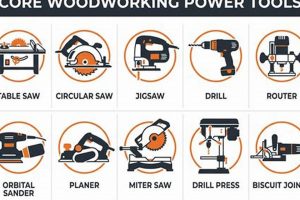
Tip 3: Begin with a Versatile Power Saw: A circular saw or a jig saw offers flexibility for various cutting tasks and is a worthwhile early power tool investment.
Tip 4: Gradually Expand Cutting Capabilities: As projects become more complex, consider adding a miter saw for precise angled cuts and a bandsaw for curved shapes.
Tip 5: Address Joinery Needs Incrementally: Start with basic joinery techniques using hand tools, then invest in specialized tools like a router or biscuit joiner based on project requirements.
Tip 6: Focus on Dust Collection Early: Dust is a health hazard. Investing in a shop vacuum or dust collector significantly improves the working environment.
Tip 7: Delay Specialized Tools: Resist the urge to acquire tools that are only useful for specific tasks until those tasks become a regular part of the workflow.
Strategic tool acquisition minimizes initial costs, facilitates skill development, and optimizes workspace efficiency. By prioritizing essential equipment and expanding capabilities incrementally, the woodworker can build a functional and adaptable workshop.
The concluding section will summarize the key benefits of a structured approach and reiterate the importance of aligning tool investments with individual woodworking goals.
1. Foundational Measuring

The establishment of precise measurement capabilities forms the bedrock of any woodworking project. The sequence of acquiring tools must begin with accurate measuring devices, as they dictate the quality and accuracy of subsequent cuts, joinery, and overall project completion.
- Accuracy and Precision:
Accuracy refers to the ability to obtain a measurement that is as close as possible to the true value, while precision denotes the ability to consistently reproduce a measurement. In woodworking, these characteristics are paramount. For example, a combination square should be verified for accuracy against a known standard before use. An imprecise measuring tape, however, can result in cumulative errors that compromise the final product.
- Essential Instruments:
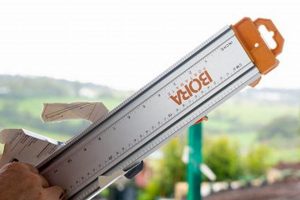
A combination square, measuring tape (preferably with both imperial and metric scales), marking gauge, and protractor represent the foundational measuring instruments. These tools enable the woodworker to accurately mark cutting lines, transfer dimensions, check for squareness, and measure angles. Without them, even the most skilled craftsman cannot consistently produce work of acceptable quality. For instance, before acquiring a miter saw, a combination square ensures correct fence alignment, leading to accurate miter cuts.
- Impact on Subsequent Operations:
Inaccurate measurements ripple through the entire woodworking process. A slightly mismeasured board can lead to poorly fitting joinery, requiring significant rework or rendering components unusable. Consequently, acquiring measuring tools before cutting equipment allows for precise layouts and reduces material waste. The initial investment in quality measuring devices minimizes potential downstream complications.
- Calibration and Maintenance:
Measuring tools require periodic calibration to maintain accuracy. Metal rulers can become bent, and measuring tapes can lose their hook. The ability to verify and correct these instruments is essential. Ensuring they measure true must take precedence over other tool investments. Regularly inspecting and maintaining the measuring tools ensures they are fit for purpose.
The importance of foundational measuring tools within the “what order to buy woodworking tools” framework cannot be overstated. It is a prerequisite for all subsequent woodworking operations and directly impacts the quality and success of every project. Investing in accurate and reliable measuring instruments at the outset establishes a strong foundation for skill development and efficient workflow.
2. Essential hand tools
The inclusion of essential hand tools in the equipment acquisition sequence for woodworking directly influences skill development and project adaptability. Hand tools represent a foundational layer of woodworking proficiency, providing tactile feedback and control that power tools often lack. Their placement in the acquisition order determines the craftsperson’s ability to execute fundamental techniques and appreciate the nuances of the craft.
- Developing Core Skills:
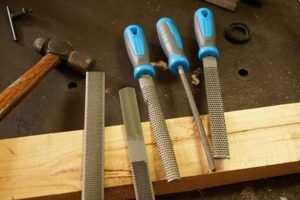
Hand tools, such as chisels, hand planes, and saws, foster essential skills like wood grain recognition, precise cutting, and controlled material removal. For instance, learning to flatten a board with a hand plane develops an understanding of wood behavior and surface quality that is difficult to replicate with power tools. Acquiring these tools early allows the craftsman to build a strong foundation before progressing to more complex techniques.
- Versatility and Adaptability:
Hand tools offer versatility in various project scenarios and allow work in environments with no electricity. A set of chisels enables the creation of mortise and tenon joints without specialized machinery. A hand saw provides controlled cuts on-site when power tools are impractical. Integrating these tools early in the acquisition allows the woodworker to adapt to a broader range of projects and environments.
- Cost-Effectiveness:
The initial investment in quality hand tools can be significantly less than that required for power tools. A well-made hand saw or chisel can last for generations with proper care. Acquiring these tools at the outset provides a cost-effective entry point to woodworking and allows the craftsperson to defer purchasing more expensive equipment until its necessity is established.
- Safety and Control:
Hand tools offer a safer and more controlled working environment, particularly for beginners. Unlike power tools, which can quickly remove large amounts of material, hand tools demand a deliberate and measured approach. This allows the user to develop a keen sense of control and minimizes the risk of accidents. Integrating hand tools early allows safe entry into the craft and provides skills that reinforce safety practices.
The integration of essential hand tools within “what order to buy woodworking tools” dictates the fundamental skills, versatility, and safety of the woodworker. By establishing a solid base with hand tools, one can efficiently and securely perform tasks and further progress in the field of woodwork.
3. Versatile power saw

The selection and integration of a versatile power saw represent a pivotal decision within the framework of “what order to buy woodworking tools.” The capabilities of this initial power tool directly impact project scope, efficiency, and skill progression.
- Crosscutting and Ripping Capability:
A versatile power saw, such as a circular saw or a bandsaw, allows for both crosscutting (cutting against the grain) and ripping (cutting along the grain) operations. This adaptability is crucial during initial stages when project needs are varied. For instance, a circular saw can cut boards to length (crosscut) and also rip wider boards into narrower dimensions. This eliminates the need for multiple specialized saws early on, aligning with a cost-effective approach to tool acquisition.
- Mobility and Setup Requirements:
Unlike stationary power tools, a versatile power saw often prioritizes portability and ease of setup. A circular saw, for example, can be used on various surfaces and easily transported to different work locations. This contrasts with tools like table saws requiring dedicated space and complex calibration. Ease of use is beneficial for beginners who may lack a fully equipped workshop, thereby impacting decisions about the order in which tools are purchased and introduced.
- Safety Considerations:
Safety features and operational demands influence the choice and timing of a versatile power saw acquisition. While offering increased efficiency, power saws require careful operation and adherence to safety protocols. A circular saw necessitates understanding blade selection, proper stance, and safe cutting techniques. Incorporating this tool early in the tool acquisition sequence necessitates a strong emphasis on safety training and practice, influencing the priority of safety equipment purchase as well.
- Influence on Subsequent Tool Acquisitions:
The capabilities of the chosen versatile power saw dictate the need for future tool acquisitions. If a circular saw is selected, a subsequent investment in a miter saw may be prioritized for precision angled cuts. Conversely, if a bandsaw is chosen, the need for a dedicated ripping saw might be delayed. Understanding the limitations and complementary functions of the initial power saw informs the selection and ordering of subsequent tools, ensuring a logical and efficient expansion of woodworking capabilities.
Therefore, the selection and incorporation of a versatile power saw within “what order to buy woodworking tools” is not merely about acquiring a cutting tool. It represents a strategic decision that shapes project possibilities, skill development pathways, safety considerations, and future equipment investments.
4. Incremental joinery
Incremental joinery, within the context of “what order to buy woodworking tools,” signifies a phased approach to acquiring tools and developing skills related to wood connections. This approach dictates that joinery tools are not purchased all at once, but rather in stages, aligned with the increasing complexity of woodworking projects undertaken. A direct cause-and-effect relationship exists: beginning with basic joinery techniques necessitates only minimal tools, while advanced joinery demands more specialized equipment. For instance, initially, hand tools such as chisels and a mallet suffice for creating simple mortise and tenon joints. As projects evolve to include dovetails or more intricate joinery methods, specific tools like dovetail saws, marking gauges, and potentially a router with specialized jigs become essential.
The importance of incremental joinery within “what order to buy woodworking tools” lies in optimizing both skill development and financial resource allocation. Purchasing all joinery tools upfront can lead to unnecessary expenditure on equipment that is rarely used and for which the woodworker lacks the skills to operate effectively. A practical example involves the acquisition of a biscuit joiner. A novice woodworker may purchase this tool without a full understanding of its limitations or the alternative joinery methods available. A more strategic approach would involve first mastering basic joinery techniques with hand tools and then acquiring the biscuit joiner when projects specifically benefit from its rapid joint assembly capabilities. This approach ensures that each tool purchase is deliberate and directly supports the woodworker’s current and immediate future project needs.
In conclusion, incremental joinery serves as a guiding principle within “what order to buy woodworking tools,” dictating a progression that aligns tool acquisitions with the growing skill set and project demands of the woodworker. This approach optimizes resource allocation, fosters focused skill development, and ensures that each tool purchase represents a strategic investment. A failure to adopt incremental joinery can lead to wasted capital, underutilized equipment, and a potentially frustrating learning experience. By carefully considering project requirements and gradually expanding the joinery toolkit, woodworkers can maximize both efficiency and enjoyment of the craft.
5. Safety prioritization

The integration of safety considerations into the procurement sequence for woodworking equipment is not merely an ancillary concern, but a fundamental determinant shaping the prioritization of tool acquisitions. Prudent safety protocols dictate that personal protection equipment (PPE) and dust collection systems are not optional add-ons, but rather essential components that often precede more specialized tools.
- Respiratory Protection
Woodworking generates particulate matter that poses significant respiratory hazards. Consequently, a high-quality respirator, rated for fine dust, should be acquired early in the tool acquisition sequence. This measure mitigates the risks associated with prolonged exposure to wood dust, thereby protecting lung health. The purchase of a respirator may, in certain circumstances, precede even the acquisition of a power saw, given that hand tools also generate inhalable dust.
- Eye and Ear Protection
Eye and ear protection are non-negotiable safety components. Safety glasses or a face shield safeguard against flying debris, while earplugs or earmuffs attenuate the noise generated by power tools. These protective measures are inexpensive and readily available, but their importance cannot be overstated. A basic set of eye and ear protection should be acquired concurrently with or even before the most basic hand tools, establishing a culture of safety from the outset.
- Dust Collection Systems
Dust collection systems range from shop vacuums with specialized filters to sophisticated cyclone dust separators. The selection of a dust collection system should align with the types of tools and materials being used. For instance, a shop vacuum connected to a power sander can significantly reduce airborne dust. The implementation of a dust collection system serves to reduce health risks over the long term. Consequently, the integration of dust collection is crucial.
- Machine-Specific Safety Features
As power tools are acquired, it is essential to prioritize those with integrated safety features, such as blade guards, anti-kickback pawls, and emergency shut-off switches. Furthermore, investing in training or instruction on the safe operation of each tool is paramount. Prioritizing tools with enhanced safety features and investing in proper training are key decisions.
The commitment to safety in woodworking is not simply an afterthought. It is a proactive, ongoing process that influences every decision from initial tool selection to operational practices. By prioritizing safety equipment and training within the tool acquisition sequence, the woodworker establishes a foundation for a safe and sustainable woodworking practice. Adhering to safety practices reduces the risk of accidents, promotes a healthy working environment, and maximizes the long-term enjoyment of the craft.
Frequently Asked Questions
The following addresses commonly encountered inquiries regarding the strategic procurement of woodworking tools. These questions and answers offer guidance for establishing a functional and safe workshop in a logical sequence.
Question 1: Is it necessary to purchase all woodworking tools at once?
No, a phased acquisition strategy is generally recommended. Prioritize essential tools for fundamental operations and expand the inventory as project demands evolve. A wholesale purchase often results in unused equipment and inefficient resource allocation.
Question 2: What constitutes the absolute minimum toolset for a beginner?
A minimal set includes measuring and marking tools (combination square, measuring tape), hand saw, chisels, a block plane, and basic safety equipment (eye and ear protection, dust mask). These tools enable basic cuts, shaping, and joinery.
Question 3: How important is dust collection, and when should it be implemented?
Dust collection is critical for health and safety. A basic dust collection system, such as a shop vacuum with a HEPA filter, should be implemented early, preferably before operating power tools that generate significant dust.
Question 4: Are expensive tools always better than budget-friendly alternatives?
Not necessarily. Quality and durability are paramount, but expensive tools are not always justified, particularly for beginners. Focus on acquiring well-made, reliable tools that meet current project needs. Upgrade as skills and demands increase.
Question 5: Should power tools be prioritized over hand tools?
Hand tools provide invaluable practice and control, fostering fundamental woodworking skills. Mastering basic techniques with hand tools is beneficial before progressing to power tools, which offer speed and efficiency but can mask underlying technique flaws.
Question 6: What is the best approach for deciding which tool to purchase next?
The decision should be driven by specific project requirements and the desire to expand capabilities. Evaluate the limitations of the current toolset and identify the tool that will most effectively address those limitations and enable the execution of desired projects. Avoid impulse purchases based on perceived needs.
These FAQs provide guidance for the systematic development of a woodworking workshop. Prioritize safety, focus on fundamental skills, and expand tool inventory strategically, aligning purchases with project demands and skill progression.
The subsequent section will synthesize the key principles of strategic tool acquisition, providing a concise summary of best practices.
Strategic Tool Acquisition
The systematic arrangement of woodworking tool purchases, as outlined within the “what order to buy woodworking tools” framework, directly impacts the efficacy and safety of the woodworking process. Key considerations include prioritizing measuring instruments, developing hand tool skills, selecting a versatile power saw, adopting an incremental approach to joinery, and rigorously implementing safety protocols. Adherence to this structured approach fosters skill development, minimizes financial risk, and promotes a sustainable and enjoyable woodworking practice.
The informed selection and strategic deployment of woodworking tools represent an investment in skill, safety, and the enduring quality of craftsmanship. Further consideration of individual project goals and continuous refinement of acquisition strategies will yield a workshop environment optimized for both efficiency and creative expression. The ongoing pursuit of knowledge and technique, coupled with judicious equipment investment, underpins the realization of woodworking excellence.