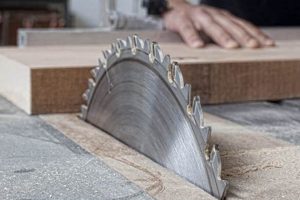
This tool is a specialized hand saw characterized by a thin blade held under tension within a frame. Its design facilitates precise and controlled cuts in various wood types. For example, a craftsman might employ it to create smooth curves or intricate joinery in furniture making.
The device’s key advantages lie in its maneuverability and capacity for deep cuts relative to other hand-powered saws. Historically, it has been a staple in woodworking shops due to its versatility and ability to perform tasks ranging from rough shaping to fine detailing. Its enduring popularity reflects its effectiveness in achieving accurate results without reliance on electricity.
The following sections will delve into aspects such as selecting the appropriate type, maintenance procedures to ensure longevity, and techniques for achieving optimal performance during use. These considerations are essential for anyone seeking to utilize this instrument effectively in woodworking projects.
Tips for Effective Use
Maximizing the potential of this tool requires adherence to established best practices. The following tips provide guidance on proper setup, operation, and maintenance for achieving optimal results.
Tip 1: Blade Tension is Critical: Ensure the blade is properly tensioned before each use. Insufficient tension results in wandering cuts and reduced efficiency. Overtensioning can lead to blade breakage. A firm, resonant ‘ping’ when plucked indicates appropriate tension.
Tip 2: Stance and Body Positioning: Adopt a stable stance with feet shoulder-width apart. Position the workpiece to allow for a smooth, controlled sawing motion using the entire length of the blade. Avoid reaching or straining.
Tip 3: Start with a Shallow Kerf: Initiate the cut with a few gentle strokes to establish a clean kerf. A well-defined kerf prevents the blade from skipping or wandering at the start of the cut.
Tip 4: Maintain Consistent Stroke Length: Utilize the full blade length with each stroke. This distributes wear evenly across the blade and maximizes cutting efficiency.
Tip 5: Apply Even Pressure: Apply steady, even pressure on the forward stroke. Avoid excessive force, which can lead to blade buckling or breakage. Let the blade do the work.
Tip 6: Wax the Blade Regularly: Apply wax to the blade to reduce friction and prevent binding, particularly when working with resinous woods. This ensures a smoother cut and prolongs blade life.
Tip 7: Proper Storage is Essential: When not in use, release the blade tension to prevent stretching and fatigue. Store the tool in a dry environment to prevent rust and corrosion.
By implementing these guidelines, operators can enhance the accuracy, efficiency, and longevity of this valued woodworking tool.
The subsequent section will address common troubleshooting scenarios and solutions, providing further insight into its effective utilization.
1. Frame Tension

Frame tension represents a critical parameter in the functionality of this sawing tool. It refers to the degree of tautness applied to the blade by the saw’s frame. This tension is essential for maintaining blade stability and ensuring accurate cuts. Insufficient tension allows the blade to deflect during use, resulting in wandering cuts and reduced precision. Conversely, excessive tension can lead to blade failure due to increased stress and fatigue. For instance, imagine a craftsman attempting to cut a straight line; inadequate frame tension would cause the blade to veer off course, compromising the accuracy of the cut.
The proper level of frame tension is determined by the blade’s material and design, as well as the type of wood being cut. Softer woods generally require less tension than hardwoods. Adjusting the tension typically involves manipulating a mechanism within the frame, such as a lever or screw. Maintaining the correct tension is also crucial for blade longevity. Over-tensioning will accelerate wear, reducing the usable lifespan of the blade. The application of appropriate tension ensures the blade operates efficiently and minimizes the risk of damage during the cutting process.
In summary, frame tension represents a fundamental component impacting the performance of this particular woodworking tool. A proper understanding of its role and careful adjustment are essential for achieving accurate cuts, maximizing blade lifespan, and ensuring safe operation. Neglecting frame tension can result in diminished cutting precision and potential damage to the tool or workpiece, highlighting the practical significance of this understanding in achieving desired woodworking outcomes.
2. Blade Selection

Blade selection constitutes a critical factor influencing the performance and suitability of woodworking bow saws for specific tasks. The characteristics of the blade, including its material, tooth geometry, and teeth per inch (TPI), directly impact the saw’s cutting speed, precision, and ability to handle various wood types. Inappropriate blade selection leads to inefficient cutting, increased user fatigue, and potential damage to the workpiece. For example, attempting to cut a tight radius in hardwood with a blade designed for rapid stock removal results in a rough, uneven cut and increased risk of blade binding.
Different blade types cater to distinct woodworking applications. Blades with coarser teeth (lower TPI) excel at quickly removing material, ideal for rough shaping or cutting thicker stock. Finer-toothed blades (higher TPI) provide smoother, more controlled cuts, suitable for detail work, joinery, and delicate curves. The blade’s set, the alternating offset of the teeth, also affects its performance. A wider set facilitates faster cutting but produces a wider kerf, while a narrower set allows for finer cuts with less material waste. Blades constructed from high-carbon steel offer good durability and edge retention for general use, while specialized alloys such as spring steel provide enhanced flexibility and resistance to breakage for demanding tasks.
Ultimately, the proper selection of a blade for a woodworking bow saw requires a thorough understanding of the task at hand, the properties of the wood being worked, and the characteristics of the available blades. Optimizing blade selection maximizes the tool’s potential, leading to improved efficiency, accuracy, and overall quality of workmanship. A well-chosen blade transforms the device from a basic cutting implement into a precision tool capable of executing intricate and demanding woodworking operations. The practical significance underscores the necessity for woodworkers to regard blade selection as a principal determinant for optimal project outcomes.
3. Cutting Capacity

Cutting capacity is a primary factor determining the suitability of a woodworking bow saw for a given task. It dictates the maximum dimensions of material the tool can effectively process. This limitation arises from the physical dimensions of the saw’s frame, which dictates the depth and width of cuts achievable.
- Throat Depth
The throat depth, defined as the distance between the blade and the frame’s back, dictates the maximum thickness of stock that can be sawn. A deeper throat allows for thicker material processing. For example, a saw with a 12-inch throat depth can only cut stock up to 12 inches thick.
- Blade Length and Tension
While not a direct dimension, blade length, coupled with frame tension, influences the efficiency of cuts near the capacity limit. A longer blade facilitates a smoother, more consistent cut through thicker material, provided adequate tension is maintained to prevent blade wander.
- Frame Construction and Rigidity
The frame’s structural integrity plays a role in maintaining accurate cutting capacity. A rigid frame prevents deflection under load, ensuring the blade remains perpendicular to the workpiece, particularly when approaching the maximum throat depth. Frame flex compromises cut accuracy.
- Angle of Attack
The angle at which the saw is presented to the work influences cutting capacity. Oblique angles may allow for cuts that exceed the throat depth on one plane, but this approach demands greater skill and introduces increased risk of blade binding or breakage. This method is typically employed for rough shaping rather than precision work.
In summary, cutting capacity, primarily determined by throat depth, is a crucial specification when selecting a woodworking bow saw. Understanding its limitations and considering the interplay of blade length, frame rigidity, and cutting technique is essential for maximizing efficiency and achieving accurate results in woodworking projects. These factors also affect the user experience in operating these machines.
4. Ergonomic Design
Ergonomic design constitutes a pivotal consideration in the functionality and usability of the woodworking bow saw. The tool’s design directly impacts the operator’s comfort, efficiency, and safety. Optimizing ergonomic features minimizes strain, reduces fatigue, and enhances the precision of cuts.
- Handle Geometry and Material
The handle’s shape, size, and material influence grip comfort and control. A well-designed handle conforms to the hand’s natural contours, distributing pressure evenly and minimizing the risk of slippage. Materials like wood or textured synthetics provide secure grip, even with prolonged use or perspiration. Improper handle design leads to hand fatigue and reduced control, compromising accuracy.
- Frame Balance and Weight Distribution
The distribution of weight across the saw’s frame influences the effort required to maintain a steady cutting motion. A balanced saw requires less exertion to control, reducing fatigue and improving accuracy. Poorly balanced saws demand more physical effort, increasing the risk of errors and potential injury.
- Tensioning Mechanism Accessibility
The ease of adjusting blade tension is a crucial ergonomic factor. Readily accessible tensioning mechanisms allow for quick and efficient adjustments without requiring specialized tools or excessive force. Inaccessible or poorly designed mechanisms lead to frustration, wasted time, and potential damage to the saw.
- Overall Saw Weight and Size
The overall weight and size of the saw impact its maneuverability and ease of use, particularly for extended periods. Lighter saws are generally easier to control and less fatiguing, but may sacrifice some stability. Larger saws offer greater cutting capacity but require more physical strength. Selecting the appropriate size and weight is crucial for optimizing comfort and efficiency.
These interconnected ergonomic elements define the user experience when operating this particular saw type. Prioritizing these aspects in design and selection promotes efficiency, precision, and operator well-being. Neglecting ergonomic considerations can lead to discomfort, reduced performance, and increased risk of musculoskeletal strain, highlighting the practical significance of thoughtful ergonomic integration for optimal outcomes.
5. Joint Precision
The capacity to execute joinery with a high degree of accuracy represents a cornerstone of fine woodworking. A woodworking bow saw, when wielded skillfully, directly contributes to achieving this precision. The thin blade, held under tension, allows for controlled cuts essential in creating tight-fitting joints. Inaccurate cuts necessitate gap-filling or rework, compromising structural integrity and aesthetic appeal. Conversely, precise cuts executed with this tool lead to stronger, more visually pleasing joints, enhancing the overall quality and longevity of the finished piece. For instance, creating a dovetail joint requires precise cuts to ensure interlocking components fit seamlessly. The bow saw’s maneuverability facilitates the creation of these complex shapes with greater accuracy than many other hand tools. The practical significance of this precision cannot be overstated; furniture, cabinetry, and other wooden structures rely on well-executed joints for stability and durability.
The attainment of precise joints using this tool hinges on several factors: blade selection, proper tensioning, and operator technique. A fine-toothed blade minimizes tear-out and allows for cleaner cuts, while adequate blade tension prevents wandering. The operator must employ consistent sawing pressure and follow the layout lines with diligence. Furthermore, the workpiece must be securely held to prevent movement during the cutting process. Consider the creation of a mortise and tenon joint; accurate cuts are crucial for ensuring a snug fit between the mortise and tenon. This snug fit is what imparts the strength to the joint once it is glued. If the tenon is too loose, the joint will be weak. If it’s too tight, it may crack the mortise upon assembly. These examples highlight the necessity of precision throughout the joint-making process.
In conclusion, the link between joint precision and the use of this saw is undeniable. Accurate cuts, achievable through careful technique and proper tool setup, are paramount to constructing durable and aesthetically pleasing woodworking projects. While challenges such as maintaining consistent pressure and following intricate layouts exist, mastering these techniques unlocks the full potential of the woodworking bow saw in creating high-quality joinery. The ability to create tight, strong joints is often a marker of craftsmanship, thereby elevating the skill level required to execute such work.
Frequently Asked Questions About Woodworking Bow Saws
The following addresses common inquiries regarding the characteristics, selection, maintenance, and utilization of woodworking bow saws.
Question 1: What distinguishes a woodworking bow saw from other types of saws?
The primary distinction lies in its frame and blade tensioning mechanism. The bow saw features a frame that maintains a thin blade under tension, allowing for precise cuts, particularly curves and intricate shapes, which may be more challenging with other saw types.
Question 2: How does one determine the appropriate blade tension for optimal performance?
Optimal blade tension is achieved when the blade is taut enough to resist wandering during the cut, but not so tight as to risk breakage. A properly tensioned blade will produce a resonant ‘ping’ when plucked. Adjustments should be made incrementally until this tension is reached.
Question 3: What factors should be considered when selecting a bow saw blade for a specific project?
Factors include the type of wood, the desired cut precision, and the blade’s teeth per inch (TPI). Higher TPI blades are suitable for fine work, while lower TPI blades are more effective for rapid material removal. The blade material should also be appropriate for the wood’s hardness.
Question 4: What are the key maintenance procedures to ensure the longevity of a woodworking bow saw?
Regular maintenance includes cleaning the blade to remove resin buildup, waxing the blade to reduce friction, and periodically inspecting the frame for any signs of damage or loosening. When not in use, the blade tension should be released to prevent stretching.
Question 5: How does the frame design influence the saw’s cutting capacity?
The frame’s throat depth determines the maximum thickness of material the saw can handle. A deeper throat allows for cutting thicker stock. The frame’s rigidity also impacts accuracy, as a flexible frame can lead to blade deflection.
Question 6: What are common troubleshooting scenarios encountered when using a woodworking bow saw, and how can they be addressed?
Common issues include blade wandering, binding, and breakage. Blade wandering may indicate insufficient tension or a dull blade. Binding can be caused by resin buildup or cutting green wood. Breakage may result from excessive tension or forcing the blade through the cut.
In summary, effective utilization relies on understanding its mechanical attributes, applying appropriate maintenance practices, and addressing operational challenges with informed solutions.
The following section provides an overview of the tool’s historical significance and evolution within the broader context of woodworking.
Conclusion
This article has explored the utility of the woodworking bow saw, delineating its characteristics, operation, maintenance, and application in fine woodworking. Precise blade tension, appropriate blade selection, and ergonomic design are essential for optimal performance. The tool’s cutting capacity and suitability for intricate joinery have been thoroughly examined.
The understanding and proper employment of the woodworking bow saw remain critical skills for woodworkers seeking efficiency and precision in their craft. Its continued relevance, despite advancements in power tools, underscores its enduring value in achieving detailed cuts and complex joinery. Continued study and practical application are encouraged to fully harness its capabilities.