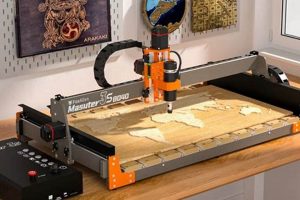
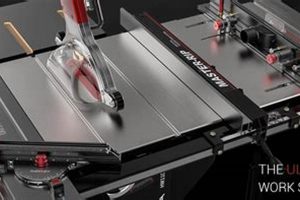
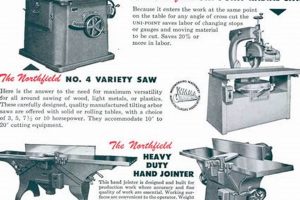
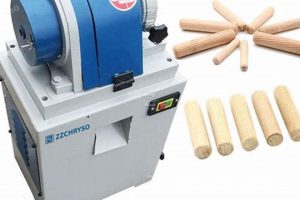
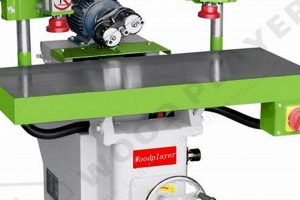
These positions involve the setup, operation, and maintenance of machinery used to shape and cut wood. Examples of such machines include saws, routers, lathes, and planers. Individuals in these roles are responsible for producing components and finished products according to specific blueprints and quality standards.
The accurate and efficient utilization of woodworking machinery is crucial for manufacturing industries that rely on wood-based products. Skilled operators ensure consistent product quality, minimize material waste, and contribute to overall production efficiency. Historically, these roles have evolved alongside advancements in machinery technology, requiring operators to possess a combination of technical knowledge and practical skills.
The following sections will explore the required skills, common duties, safety protocols, and career advancement opportunities associated with operating woodworking machinery.
Essential Guidance for Woodworking Machine Operators
The following guidelines are designed to enhance proficiency and safety in roles focused on woodworking machinery.
Tip 1: Prioritize Comprehensive Training: Adequate training on each specific machine is paramount. This includes understanding operational procedures, safety mechanisms, and troubleshooting techniques.
Tip 2: Adhere Strictly to Safety Protocols: Always wear appropriate personal protective equipment (PPE), such as safety glasses, hearing protection, and dust masks. Ensure all safety guards are in place and functioning correctly before operating any machinery.
Tip 3: Maintain Machinery Diligently: Regular maintenance, including cleaning, lubrication, and blade sharpening, is crucial for optimal performance and longevity of equipment. Refer to the manufacturer’s guidelines for specific maintenance schedules.
Tip 4: Master Blueprint Interpretation: The ability to accurately interpret blueprints and technical drawings is essential for producing components to the required specifications. Pay close attention to dimensions, tolerances, and material requirements.
Tip 5: Develop Proficiency in Material Selection: Understanding the properties of different wood types and their suitability for various applications is important. Select appropriate materials based on project requirements and machine capabilities.
Tip 6: Practice Precision Measurement: Accurate measurement is critical for ensuring the quality and consistency of finished products. Utilize precision measuring tools, such as calipers, micrometers, and rulers, and verify measurements at each stage of the process.
Tip 7: Continuously Improve Skills: Stay updated on advancements in woodworking technology and techniques. Consider attending workshops or seeking additional training to enhance existing skills.
Adhering to these guidelines promotes workplace safety, enhances product quality, and contributes to overall operational efficiency.
The subsequent sections will explore career advancement and other considerations for individuals working with woodworking machinery.
1. Precision

Precision is an indispensable element in woodworking machine operator roles. The operator’s ability to execute cuts and shapes according to specified dimensions directly impacts the quality and functionality of the final product. Inaccurate cuts can result in structural weaknesses, misaligned assemblies, and increased material waste. For instance, in cabinet making, if the machine operator does not accurately cut the cabinet sides, the doors might not fit properly, compromising the cabinet’s aesthetics and functionality.
The requirement for precision necessitates the operator’s proficiency in using measuring tools such as calipers, micrometers, and precision rulers. Understanding and accounting for material properties, such as wood grain and density, which can influence cutting behavior, are also crucial. Furthermore, machine operators often work with tolerances, understanding the acceptable range of variation in dimensions. Failing to adhere to these tolerances can result in parts that are rejected during quality control, affecting overall production efficiency. For example, if an operator is creating wooden window frames, failing to meet tight tolerances could mean that the glass cannot be properly fitted, rendering the entire frame unusable.
The correlation between precision and the competency of woodworking machine operators is evident in the quality of finished products, reduced material waste, and streamlined production processes. The challenges of maintaining precision involve mastering machine operation, understanding material properties, and meticulous attention to detail. Success in this area reflects directly on the efficiency and output of the woodworking operation.
2. Safety

Safety is paramount in woodworking machine operator jobs, serving as a critical component due to the inherent risks associated with operating powerful machinery. The nature of these roles involves working with equipment such as saws, planers, and routers, each capable of causing serious injury if improperly handled. A lapse in safety protocols can lead to incidents like lacerations, amputations, or even fatalities. For example, failure to properly secure a workpiece can result in kickback from a table saw, potentially causing severe injury to the operator. Thus, the ability to prioritize safety measures is inextricably linked to the roles requirements.
The practical significance of safety extends beyond immediate injury prevention. Consistent adherence to safety protocols contributes to a more productive and efficient work environment. Proper use of personal protective equipment (PPE), such as safety glasses and hearing protection, safeguards against long-term health issues. Regular machine maintenance and safety checks reduce the risk of equipment malfunctions, preventing accidents and minimizing downtime. Implementing safety measures reduces workplace interruptions, which leads to increased production consistency. Proper training is essential to reinforce safety guidelines and ensure that the risks and benefits are understood.
Understanding and prioritizing safety within the context of woodworking machine operator jobs directly impacts worker well-being, minimizes workplace accidents, and contributes to increased production efficiency. Although the industry is constantly evolving, safety practices are the core foundation that will protect machine operators. Challenges lie in maintaining vigilance and consistently reinforcing safety protocols. Regular training and robust safety management systems are essential for mitigating risks and ensuring a safe working environment.
3. Maintenance

Maintenance is a critical component of woodworking machine operator roles. The consistent and proper upkeep of machinery directly influences operational efficiency, product quality, and workplace safety.
- Optimal Performance
Regular maintenance ensures woodworking machines operate at peak efficiency. This involves tasks such as lubricating moving parts, sharpening blades, and adjusting machine settings. For example, a dull saw blade can cause rough cuts and increased material waste. Operators who perform routine maintenance contribute to smoother operations and higher quality outputs.
- Extended Equipment Lifespan
Proactive maintenance extends the operational lifespan of woodworking machinery. Consistent upkeep prevents premature wear and tear, reducing the likelihood of costly repairs or replacements. Regularly cleaning dust and debris from machines, for instance, prevents overheating and component failure. Operators who prioritize maintenance help maximize the return on investment for woodworking equipment.
- Workplace Safety
Properly maintained machines are safer to operate. Defective or malfunctioning equipment can pose significant risks to operators. Regular inspections and timely repairs mitigate these risks. For example, ensuring that safety guards are in place and functioning correctly prevents accidental contact with moving parts. Operators who adhere to maintenance schedules contribute to a safer work environment.
- Reduced Downtime
Preventative maintenance minimizes unexpected downtime. Identifying and addressing potential issues before they escalate prevents disruptions to production schedules. For instance, replacing worn belts or bearings during scheduled maintenance prevents machine breakdowns. Operators who are proactive in maintenance help maintain consistent production flow and minimize disruptions.
These facets collectively highlight the integral connection between maintenance and the efficacy of woodworking machine operator roles. Proper machine maintenance is essential for maintaining operational efficiency, extending the lifespan of equipment, ensuring workplace safety, and minimizing downtime. A focus on maintenance elevates the competency and value of woodworking machine operators.
4. Blueprints

Blueprints serve as the foundational communication tool in woodworking machine operator jobs, providing detailed visual and textual specifications necessary for the accurate fabrication of wooden components and structures. They translate design concepts into actionable instructions, ensuring that machine operators produce parts that meet precise dimensional and functional requirements.
- Dimensional Accuracy
Blueprints specify the exact dimensions of each component, including length, width, thickness, angles, and radii. Woodworking machine operators rely on these dimensions to set up and operate machinery, ensuring that each cut and shape conforms to the design specifications. Failure to accurately interpret and implement these dimensions results in parts that do not fit together correctly, compromising the structural integrity and aesthetic appeal of the finished product. An example would be cutting cabinet doors according to blueprint specifications for a kitchen project.
- Material Specifications
Blueprints often indicate the type of wood to be used for each component, considering factors such as grain pattern, density, and structural properties. Machine operators must select the appropriate wood species and ensure that it is properly prepared before machining. Using the wrong type of wood can lead to structural weaknesses or aesthetic inconsistencies in the final product. As an example, choosing the right type of material when producing components for antique furniture.
- Joinery Details
Blueprints illustrate the specific joinery methods to be employed, such as mortise and tenon, dovetail, or rabbet joints. Machine operators must understand these joinery details to create precise and interlocking components that provide structural strength and stability. Incorrectly executed joinery can result in weak or unstable connections, compromising the overall durability of the finished product. For instance, implementing intricate dovetail joints to connect drawers and ensure seamless integration within furniture.
- Finishing Instructions
Blueprints may include instructions regarding the desired surface finish, such as sanding, staining, or painting. Machine operators must prepare the wood surfaces to achieve the specified finish, ensuring a smooth and consistent appearance. Improper surface preparation can result in uneven finishes or adhesion problems, detracting from the aesthetic quality of the final product. Considering the need for a perfect finish when producing components for musical instruments.
Blueprints act as an essential source of information for Woodworking machine operator jobs, guiding the entire manufacturing process from raw material selection to final product assembly. A thorough understanding of blueprint reading is paramount for ensuring dimensional accuracy, structural integrity, and aesthetic quality in woodworking projects.
5. Materials
The selection and understanding of materials constitute a fundamental aspect of woodworking machine operator jobs. The choice of wood species directly influences machine settings, cutting techniques, and the final quality of the manufactured product. Different wood types exhibit varying densities, grain patterns, and moisture content, each requiring specific adjustments to machinery to ensure accurate and efficient processing. For example, hardwoods like oak necessitate slower cutting speeds and specialized blades compared to softwoods such as pine, to prevent splintering and maintain surface integrity. Failing to account for these material characteristics can lead to increased tool wear, reduced precision, and compromised product quality.
The impact of material selection extends beyond the operational parameters of machinery. The operator’s knowledge of wood properties affects the longevity and structural integrity of the finished product. Understanding the expansion and contraction rates of different wood species is crucial in joinery applications to prevent warping or cracking over time. Further, the selection of appropriate adhesives, finishes, and fastening hardware is influenced by the chosen wood type. For instance, certain wood species may react adversely with specific adhesives, leading to weakened bonds. Accurate assessment of material compatibility is integral to ensuring the durability and stability of wooden structures. An understanding of material science is critical for woodworking machine operators.
In summary, the proficiency of a woodworking machine operator is inextricably linked to a thorough understanding of materials. Proper material selection and adaptation of machining techniques according to wood properties are essential for achieving high-quality outcomes, minimizing waste, and ensuring the long-term performance of wooden products. Mastery of material knowledge enhances operator competence and contributes significantly to the overall efficiency of woodworking operations.
6. Techniques

Proficiency in a range of woodworking techniques is critical for operators, influencing not only the quality and precision of the final product but also the efficiency and safety of the manufacturing process. Mastering specific techniques is essential for ensuring components meet required specifications.
- Precision Cutting Techniques
Accurate cutting is fundamental. Techniques such as achieving clean, splinter-free edges with a table saw or executing precise curves with a band saw demand specialized knowledge and dexterity. For example, producing tight-fitting joints for cabinet construction requires mastering techniques to minimize gaps and ensure structural integrity. This skill directly impacts the fit and finish of the product, improving quality and minimizing rework.
- Shaping and Molding Techniques
Woodworking often involves creating intricate shapes and profiles. Techniques for using routers, shapers, and lathes to produce moldings, carvings, and rounded edges are essential. The ability to create consistent profiles on multiple pieces, for example, requires understanding cutter geometry, feed rates, and machine settings. This expertise facilitates the creation of aesthetically pleasing and functional designs.
- Assembly and Joinery Techniques
The assembly stage requires a solid understanding of various joinery methods, such as mortise and tenon, dovetail, and biscuit joints. Proper execution of these techniques is essential for creating strong and durable connections between wooden components. For instance, accurately cutting and assembling a dovetail joint requires a high level of skill and attention to detail. These techniques contribute to the structural integrity and longevity of the finished product.
- Surface Finishing Techniques
The application of finishes enhances the appearance and protects the wood surface. Techniques for sanding, staining, sealing, and applying topcoats require knowledge of different finishing materials and their application methods. Achieving a smooth, even finish without blemishes, for example, demands skill in surface preparation and coating application. These techniques improve the aesthetic appeal and durability of the product.
The expertise in these techniques directly influences the competencies of woodworking machine operators and dictates the quality of products they produce. Mastery of specific techniques improves operational safety, enhances product quality, and maximizes resource utilization.
Frequently Asked Questions About Woodworking Machine Operator Jobs
The following section addresses common inquiries regarding the skills, responsibilities, and requirements associated with operating woodworking machinery.
Question 1: What are the core responsibilities in operating woodworking machinery?
The operator is responsible for setting up, operating, and maintaining woodworking machines. This encompasses interpreting blueprints, selecting appropriate materials, performing precise cuts, and ensuring adherence to safety protocols.
Question 2: What essential skills are required for someone in this role?
Crucial skills include blueprint reading, knowledge of wood types and their properties, proficiency in machine operation, precision measurement, and a strong commitment to safety regulations.
Question 3: What are the typical safety hazards involved in woodworking machine operation?
Common hazards include the risk of cuts, lacerations, amputations, and eye injuries from flying debris. Exposure to dust and noise pollution are also considerable risks, necessitating the use of personal protective equipment.
Question 4: What type of training or certifications is beneficial for prospective operators?
Formal vocational training or apprenticeship programs in woodworking or machine operation are highly advantageous. Certifications in areas such as safety procedures and machine-specific operation can enhance employment prospects.
Question 5: How can an operator ensure precision and minimize material waste?
Precision is achieved through careful blueprint interpretation, accurate machine setup, the use of precise measuring tools, and a thorough understanding of material properties. Regular machine maintenance also plays a crucial role in minimizing waste.
Question 6: What career advancement opportunities are available for skilled woodworking machine operators?
Experienced operators may advance to roles such as machine supervisor, quality control inspector, or specialized machine technician. Further education can lead to positions in design, engineering, or management.
A comprehension of these frequently asked questions offers clarity regarding the demands and opportunities available to those pursuing careers in woodworking machine operation.
The subsequent section will provide a guide for the salary for woodworking machine operator jobs.
Conclusion
This discussion has provided a detailed overview of woodworking machine operator jobs, covering essential responsibilities, required skills, safety considerations, and opportunities for career advancement. The operation of woodworking machinery demands a combination of technical expertise, precision, and a consistent commitment to safety.
Individuals pursuing woodworking machine operator jobs must prioritize continuous skill development and adhere to industry best practices. A dedication to these principles will contribute to both individual success and the advancement of the woodworking profession.