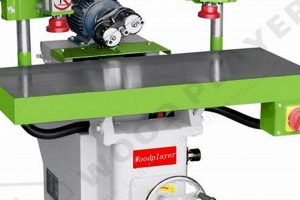
Equipment employed for shaping, cutting, and joining timber constitutes a vital sector of manufacturing. These tools, ranging from stationary industrial models to portable handheld devices, facilitate the creation of diverse products. A bandsaw’s ability to execute curved cuts exemplifies the functionality of such devices.
The use of this equipment enables efficient production, accuracy, and safety in wood-based industries. Historically, manual labor was the primary method of timber processing, but mechanization has dramatically increased output and precision. This evolution has significantly benefited construction, furniture manufacturing, and art production, driving economic growth and promoting design innovation.
The following sections will delve into specific types, operational principles, safety considerations, and maintenance procedures associated with these essential instruments. Furthermore, emerging technological advancements and their influence on contemporary practices will be examined.
Essential Guidance for Utilizing Woodworking Machines
The proficient and secure operation of timber processing tools demands comprehensive understanding and adherence to established best practices. The following guidance aims to improve the effectiveness and safety of individuals utilizing such equipment.
Tip 1: Prioritize Safety Measures: Always employ appropriate personal protective equipment (PPE). Safety glasses, hearing protection, and dust masks are indispensable for mitigating hazards. Ensure that all guards and safety features are correctly installed and operational prior to commencing any task.
Tip 2: Conduct Regular Inspections: Before each use, meticulously inspect all components for wear, damage, or misalignment. Check blades for sharpness and ensure secure mounting. Address any anomalies immediately to prevent operational failures and potential injuries.
Tip 3: Implement Proper Material Support: Utilize auxiliary support systems, such as roller stands or outfeed tables, when processing long or heavy workpieces. This minimizes material sag and enhances control during cutting, preventing kickback and ensuring consistent results.
Tip 4: Maintain Correct Feed Rates: Avoid forcing material through the machine. Allow the cutting tool to operate at its designed speed and feed rate. Excessive pressure can overload the motor, damage the tool, and create hazardous conditions.
Tip 5: Practice Cleanliness and Maintenance: Regularly clean dust and debris from the equipment and surrounding work area. Apply lubrication as specified in the manufacturer’s guidelines. Proper maintenance extends the equipment’s lifespan and maintains optimal performance.
Tip 6: Seek Professional Training: Formal instruction in the safe and effective use of specific timber processing tools is highly recommended. Acquire hands-on experience under the guidance of a qualified instructor to develop proficiency and confidence.
Tip 7: Adhere to Manufacturer’s Instructions: Strictly follow the operating procedures and safety recommendations provided by the equipment manufacturer. These guidelines are critical for preventing accidents and ensuring proper tool functionality.
Implementing these practices promotes a safer, more efficient, and productive workspace. These measures contribute to higher quality craftsmanship, reduced downtime, and a minimized risk of injury.
The subsequent sections will explore advanced techniques and troubleshooting methods to further enhance competence in timber processing operations.
1. Precision

The operational effectiveness of timber processing equipment is inextricably linked to achievable accuracy. Deviation from prescribed dimensions compromises the structural integrity and aesthetic appeal of finished goods. The equipment’s capacity to execute cuts and shapes conforming to exact specifications is the foundation upon which quality craftsmanship rests. Consider, for example, the creation of mortise and tenon joints, where even minute errors in measurement or execution can result in a weak or unstable connection. Therefore, precision is not merely a desirable attribute but a functional necessity.
This requirement extends beyond simple cutting operations. Shaping complex profiles, such as those found in decorative molding, demands meticulous control over the equipment’s movements. The repeatability of the machining process is also crucial, particularly in mass production environments. Consider a furniture manufacturer producing hundreds of identical chair legs; each component must adhere to a stringent set of dimensional tolerances to ensure proper assembly and structural integrity. Similarly, in cabinetry, the alignment of doors and drawers hinges on the accuracy of the framing and joinery, highlighting the practical significance of precision in this context.
In summary, the relationship between woodworking equipment and precision is one of mutual dependence. Equipment design, operational technique, and maintenance protocols must prioritize the achievement and sustainment of accurate performance. Failure to do so inevitably leads to diminished product quality, increased material waste, and compromised structural integrity. Therefore, careful selection, diligent maintenance, and skilled operation of timber processing instruments are essential for achieving optimal outcomes.
2. Efficiency

The optimization of timber processing operations is fundamentally linked to the efficient utilization of appropriate equipment. The machines’ operational speed, material throughput, and waste reduction capabilities directly impact productivity and profitability. A high-performance saw, for instance, can process significantly more material in a given timeframe compared to a manual approach, thereby increasing output and lowering per-unit labor costs. Similarly, a well-maintained dust collection system improves air quality, reduces cleanup time, and minimizes potential health hazards, leading to a more productive working environment.
Material yield is a critical aspect of efficient operation. Equipment capable of precise cutting and shaping minimizes waste and maximizes the usable output from raw timber. Consider a computer numerical control (CNC) router, which can nest parts efficiently on a sheet of material, reducing scrap compared to manual cutting methods. Moreover, automated feed systems and integrated material handling equipment can streamline workflows, reducing manual labor and improving overall operational efficiency. The integration of such technology can significantly decrease lead times and enhance the responsiveness to customer demands.
In summary, the pursuit of operational efficiency in timber processing necessitates the adoption of appropriate equipment and the implementation of optimized workflows. The ability to maximize material yield, minimize labor costs, and enhance throughput is contingent upon the careful selection and skilled operation of machinery. Prioritizing efficiency translates to increased profitability, reduced environmental impact, and enhanced competitiveness within the industry. The subsequent discussion will address the versatility aspect.
3. Versatility

Versatility, as a design characteristic of timber processing equipment, directly influences the range of applications for which the machinery is suitable. Multifunctional designs offer increased operational flexibility and potential cost savings by reducing the need for multiple specialized instruments.
- Combined Operations
Certain machines integrate multiple functions into a single unit. For instance, a combination machine might include a jointer, planer, and shaper, enabling a variety of surface preparation and shaping tasks to be performed with minimal changeover. This integration enhances operational efficiency in smaller workshops where space is limited.
- Interchangeable Tooling
The ability to accept different cutting tools or attachments expands the range of operations that a single machine can perform. A router equipped with various bits can perform edge profiling, dado cutting, and mortising. This adaptability allows operators to handle diverse projects without investing in numerous specialized machines.
- Adjustable Settings
Adjustable features, such as variable speed controls and adjustable fences or guides, provide greater control over the machining process. A bandsaw with adjustable blade tension and speed settings can accommodate a wider range of material thicknesses and densities. This flexibility enhances precision and reduces the risk of damage to the workpiece.
- CNC Integration
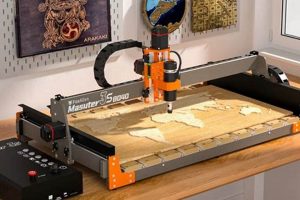
Computer numerical control (CNC) technology significantly enhances the versatility of woodworking machines. CNC routers and milling machines can execute complex designs and intricate patterns with a high degree of precision and repeatability. This capability enables the creation of custom components and complex joinery, expanding the design possibilities for woodworking projects.
The versatility of timber processing equipment directly impacts its utility and economic value. Machines capable of performing a wide range of tasks offer greater flexibility and efficiency in woodworking operations, contributing to enhanced productivity and reduced capital investment. This characteristic is particularly important in small to medium-sized workshops where space and resources are limited.
4. Power Requirements

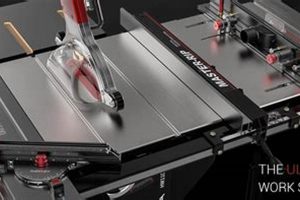
The operational viability of timber processing equipment is intrinsically linked to specific electrical demands. Adequate power supply is not merely a prerequisite but a fundamental component ensuring both performance and safety. Insufficient power can lead to suboptimal functioning, motor damage, and increased risk of electrical hazards, while excessive voltage can cause premature component failure. A table saw, for example, necessitates a dedicated circuit capable of handling its peak amperage draw during startup and continuous operation to prevent breaker tripping and maintain consistent blade speed. Similarly, a large dust collection system requires significant electrical capacity to effectively remove particulate matter, impacting air quality and worker health.
Proper voltage and amperage ratings are critical considerations during equipment selection and installation. A 220V machine connected to a 110V circuit will likely underperform or fail, while an undersized circuit breaker can lead to frequent interruptions and potential fire hazards. Furthermore, the type of electrical connection (e.g., hardwired vs. plug-in) and the need for dedicated grounding influence safety and compliance with electrical codes. Industrial settings often require three-phase power to operate larger, more powerful equipment such as CNC routers or industrial planers, demanding specialized electrical infrastructure. Therefore, a thorough assessment of electrical capacity and adherence to relevant regulations are essential for the safe and efficient operation of any timber processing facility.
In summary, the relationship between timber processing equipment and power demands is one of critical interdependence. Accurate specification of electrical requirements, appropriate wiring, and consistent monitoring are crucial for ensuring operational reliability, worker safety, and equipment longevity. Neglecting these considerations can result in costly repairs, hazardous working conditions, and diminished productivity. A detailed electrical system design, factoring in anticipated load and potential future expansion, is a fundamental investment for any woodworking enterprise.
5. Safety Protocols

Adherence to established safety protocols is paramount when operating timber processing equipment. These regulations and procedures mitigate risks inherent in using machinery designed to cut, shape, and manipulate wood. Failure to comply with mandated safety standards can lead to severe injury or equipment damage.
- Personal Protective Equipment (PPE)
Mandatory use of PPE, including eye protection, hearing protection, and respiratory protection, shields operators from hazards such as flying debris, excessive noise, and airborne particulates. Abrasive processes, such as sanding or grinding, necessitate respiratory protection to prevent inhalation of fine dust, while eye protection safeguards against projectiles ejected from cutting operations. Consistency in PPE utilization is crucial for minimizing potential exposure to workplace hazards.
- Machine Guarding
Properly functioning machine guards are essential for preventing contact with moving parts, such as saw blades, rotating cutters, and drive mechanisms. Guards must be securely affixed and adjusted to minimize access to hazardous areas. Modification or removal of machine guards compromises operator safety and increases the risk of accidental contact with moving components. Regular inspection and maintenance of machine guarding systems are necessary to ensure their continued effectiveness.
- Lockout/Tagout Procedures
Lockout/tagout protocols are crucial for preventing accidental startup of equipment during maintenance or repair activities. These procedures involve isolating the machine from its energy source and applying a physical lock to prevent unauthorized operation. Properly implemented lockout/tagout safeguards personnel from unexpected machine activation and reduces the risk of electrocution, crushing injuries, or other hazards associated with unintended movement.
- Emergency Procedures
Comprehensive emergency response plans must be established and communicated to all personnel. These plans should outline procedures for responding to injuries, equipment malfunctions, and other hazardous events. Readily accessible emergency stop mechanisms and first-aid supplies are essential. Regular drills and training exercises ensure that operators are prepared to respond effectively in the event of an emergency.
Strict adherence to safety protocols is indispensable for mitigating risks associated with timber processing equipment. Consistent application of PPE, proper machine guarding, rigorous lockout/tagout procedures, and well-defined emergency plans are crucial for ensuring a safe and productive working environment. Failure to prioritize safety can result in severe consequences, underscoring the importance of comprehensive training and unwavering commitment to established safety standards.
6. Maintenance Schedules

Regular maintenance schedules are essential for ensuring the optimal performance, longevity, and safety of timber processing equipment. These schedules provide a structured framework for inspecting, servicing, and repairing machinery, preventing unexpected breakdowns and costly repairs.
- Lubrication Regimen
Consistent lubrication of moving parts, such as bearings, gears, and slides, reduces friction, minimizes wear, and prevents overheating. The type of lubricant used, and the frequency of application should adhere to manufacturer specifications. Insufficient lubrication can lead to accelerated wear, increased power consumption, and premature equipment failure. Conversely, excessive lubrication can attract contaminants and impede functionality.
- Blade and Cutter Sharpening
Regular sharpening of saw blades, planer knives, and router bits maintains cutting efficiency and reduces the strain on the equipment’s motor. Dull cutting edges require more force to operate, increasing the risk of kickback, splintering, and inaccurate cuts. The frequency of sharpening depends on the type of material being processed and the intensity of equipment use. Professional sharpening services are often recommended for maintaining optimal blade geometry and cutting performance.
- Dust Collection System Maintenance
Maintaining a functional dust collection system is crucial for worker health, equipment longevity, and fire prevention. Regular cleaning of filters, ductwork, and collection bags prevents clogs and ensures efficient particulate removal. Neglecting dust collection maintenance can lead to reduced airflow, increased dust exposure, and potential for combustible dust explosions. Timely replacement of worn or damaged components is essential for maintaining system effectiveness.
- Component Inspection and Replacement
Periodic inspection of critical components, such as belts, pulleys, electrical wiring, and safety switches, identifies potential issues before they escalate into major problems. Worn or damaged components should be replaced promptly to prevent equipment failure and ensure safe operation. Records of inspections and component replacements should be maintained to track equipment history and facilitate proactive maintenance planning.
The implementation of rigorous maintenance schedules, tailored to the specific requirements of individual machines, is indispensable for sustaining operational efficiency, prolonging equipment lifespan, and safeguarding personnel. These schedules not only minimize downtime and repair costs but also enhance the overall safety and productivity of woodworking operations.
Frequently Asked Questions About Woodworking Machines
The following addresses common inquiries regarding the selection, operation, and maintenance of timber processing equipment.
Question 1: What factors should be considered when selecting equipment?
Prioritize material type, project scale, available workspace, and required precision. Assess power requirements and safety features. Investigate reputable manufacturers and review user feedback.
Question 2: How often should maintenance be performed on the machines?
Maintenance frequency depends on usage intensity and equipment type. Consult manufacturer guidelines for recommended intervals. Implement daily, weekly, and monthly checklists to ensure consistent upkeep.
Question 3: What are the essential safety precautions when using timber processing tools?
Always wear appropriate personal protective equipment, including eye and hearing protection. Ensure machine guards are in place and functioning correctly. Maintain a clean and organized workspace. Never operate equipment while fatigued or under the influence of substances.
Question 4: How can the lifespan of the equipment be extended?
Implement a rigorous maintenance schedule. Lubricate moving parts regularly. Sharpen blades and cutters as needed. Store equipment in a dry, climate-controlled environment. Address minor repairs promptly to prevent further damage.
Question 5: What is the difference between single-phase and three-phase equipment?
Single-phase equipment is typically used in residential and small commercial settings, while three-phase is common in industrial environments. Three-phase power offers greater efficiency and is required for larger, more powerful machines.
Question 6: How can accuracy be ensured when using this equipment?
Calibrate equipment regularly using precision measuring tools. Employ appropriate jigs and fixtures to guide cuts. Practice proper material support techniques. Maintain consistent feed rates to avoid inaccuracies.
Effective management of timber processing tools requires ongoing attention to safety, maintenance, and operational best practices. Consistent adherence to these principles maximizes equipment value and minimizes potential risks.
The following sections will delve into advanced operational techniques and troubleshooting tips.
Conclusion
The preceding discussion has explored various facets of woodworking machines, encompassing operational techniques, safety considerations, power requirements, and maintenance protocols. A comprehensive understanding of these elements is crucial for maximizing efficiency, ensuring operator safety, and prolonging equipment lifespan. The integration of precision manufacturing, ergonomic design, and adherence to established best practices are paramount for achieving optimal outcomes in timber processing applications.
Continued diligence in safety training, proactive maintenance, and the adoption of emerging technologies will be essential for advancing the field of timber processing. Further research into automated systems, advanced materials, and sustainable manufacturing practices promises to yield significant improvements in productivity, safety, and environmental responsibility within the industry. Investment in these areas will be critical for maintaining competitiveness and ensuring long-term success.