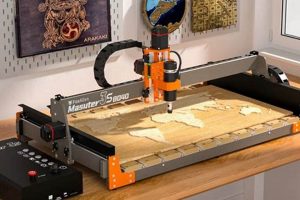
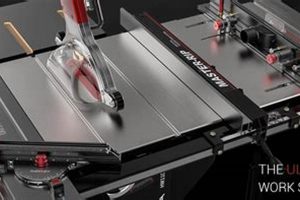
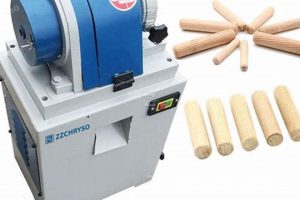
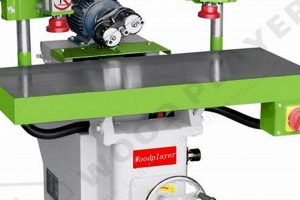
A specialized piece of equipment utilized in the woodworking industry, this machine shapes wood stock to create decorative or functional profiles. Operators feed wood through a series of cutters, which remove material to achieve the desired form. Examples include producing crown molding, baseboards, door frames, and other decorative trim pieces.
This type of equipment significantly enhances production efficiency compared to manual methods. It allows for consistent replication of complex designs, contributing to standardized quality and reduced material waste. Historically, these processes were labor-intensive, but mechanization has enabled large-scale manufacturing of intricate wooden components, driving down costs and increasing accessibility.
The following discussion will delve into the various types of these machines, their operational principles, maintenance considerations, and the factors influencing their selection for specific woodworking applications. This exploration aims to provide a comprehensive understanding of their role in modern woodworking practices.
Operational Tips for Woodworking Molding Machinery
Optimal utilization of this equipment requires adherence to specific procedures and safety protocols. The following tips are designed to enhance efficiency, maintain quality, and prolong the lifespan of the machine.
Tip 1: Cutter Head Selection: Match the cutter head profile precisely to the desired molding design. Inappropriate cutter heads can result in inaccurate profiles and increased material waste. Consult manufacturer specifications for compatible options.
Tip 2: Material Preparation: Ensure wood stock is properly seasoned and free from defects, such as knots or excessive warping. Uneven moisture content can cause dimensional instability and lead to inconsistencies in the final product.
Tip 3: Feed Rate Adjustment: Optimize the feed rate according to the wood species and complexity of the molding profile. Excessive feed rates can strain the motor and produce a rough finish, while insufficient rates can cause burning or chatter marks.
Tip 4: Dust Collection System: Maintain a functional and efficient dust collection system. Accumulation of sawdust can impair machine performance, increase the risk of fire, and pose a health hazard to operators. Regularly empty dust collection bags or bins.
Tip 5: Regular Lubrication: Adhere to the manufacturer’s recommended lubrication schedule. Proper lubrication reduces friction, minimizes wear and tear on moving parts, and prevents premature failure. Use the specified lubricants for each component.
Tip 6: Consistent Blade Sharpening: Keep cutter blades sharp to ensure clean, precise cuts. Dull blades require increased force, potentially damaging the machine and increasing the risk of kickback. Employ professional sharpening services for optimal results.
Tip 7: Safety Guard Maintenance: Regularly inspect and maintain all safety guards and interlocks. Ensure they are functioning correctly to protect operators from potential hazards. Never operate the machine with compromised safety features.
These guidelines, when implemented consistently, contribute to safer and more productive operation. Prioritizing these aspects can significantly enhance the quality of finished products while minimizing the risk of accidents and equipment downtime.
The subsequent sections will address troubleshooting common issues and explore advanced techniques for maximizing the capabilities of this essential woodworking tool.
1. Profile Creation

Profile creation, in the context of woodworking, is inextricably linked to the capabilities of the woodworking molding machine. This equipment serves as the primary means of transforming raw stock into precisely shaped components with defined profiles. The machine’s proficiency directly dictates the accuracy and complexity achievable in these profiles, making it a critical element in decorative and functional woodworking applications.
- Cutter Head Design
The design of the cutter head dictates the geometry of the resulting profile. Each cutter head is engineered to produce a specific shape, ranging from simple rounded edges to elaborate, multi-faceted designs. Inaccurate cutter head profiles translate directly into flawed finished products, highlighting the importance of precise manufacturing and proper maintenance. For example, a poorly sharpened ogee cutter will produce a rounded, rather than crisp, profile, diminishing the aesthetic appeal of the molding.
- Machine Precision
The inherent precision of the woodworking molding machine is paramount to accurate profile creation. Factors such as spindle runout, table alignment, and feed mechanism stability directly influence the fidelity of the cut. Machines with excessive vibration or play in their components will struggle to replicate intricate profiles consistently, leading to dimensional variations and unacceptable tolerances. Therefore, rigorous maintenance and calibration are crucial for maintaining the desired level of precision.
- Material Properties
The characteristics of the wood being molded exert a significant influence on profile creation. Wood species, grain orientation, and moisture content all affect the cutting process and the final shape. Dense hardwoods, for instance, require sharper cutter blades and slower feed rates to prevent tear-out or burning. Conversely, softer woods may be prone to compression or deformation under excessive pressure. Careful consideration of material properties is essential for optimizing machine settings and achieving clean, precise profiles.
- Operational Expertise
The operator’s skill and understanding of the woodworking molding machine are vital for successful profile creation. Proper setup, cutter head selection, feed rate adjustment, and troubleshooting are all critical aspects of the molding process. An experienced operator can anticipate potential issues, adjust machine parameters as needed, and diagnose problems effectively. Conversely, a novice operator may struggle to achieve consistent results, leading to material waste and reduced efficiency. Ongoing training and experience are essential for maximizing the potential of this equipment.
These facets collectively illustrate the interconnectedness of profile creation and the woodworking molding machine. Achieving accurate and aesthetically pleasing profiles requires a combination of high-quality equipment, precisely engineered cutter heads, careful material selection, and skilled operation. Understanding and addressing each of these factors is essential for achieving consistent and reliable results in woodworking applications.
2. Material Compatibility
Material compatibility represents a critical consideration in the operation of woodworking molding machinery. The interaction between the selected wood species and the machine’s components significantly influences both the quality of the finished product and the longevity of the equipment. Understanding these interactions is paramount for optimizing performance and minimizing potential damage.
- Wood Density and Hardness
The density and hardness of wood directly impact the cutting forces exerted on the machine. Dense hardwoods like maple or oak require more power to shape than softer woods such as pine or poplar. Exceeding the machine’s capabilities can lead to motor strain, premature wear on cutting tools, and reduced accuracy. Selecting appropriate feed rates and cutter designs for each material is crucial to maintain operational efficiency and prevent mechanical failure.
- Moisture Content
Wood’s moisture content profoundly affects its machinability. Excessively dry wood may become brittle and prone to splintering or tear-out during the molding process. Conversely, wood with high moisture content can deform or warp after machining, compromising the dimensional accuracy of the final product. Maintaining optimal moisture levels through proper drying and storage is essential for achieving consistent results and minimizing waste.
- Resin and Oil Content
The presence of natural resins and oils in certain wood species can present challenges. Resin-rich woods like pine or fir tend to gum up cutter blades, reducing their effectiveness and requiring more frequent cleaning. Oily woods such as teak can interfere with finishing processes and necessitate specialized surface preparation techniques. Understanding the chemical properties of different wood types is vital for selecting appropriate tooling and finishing methods.
- Abrasiveness
The abrasiveness of wood, often related to silica content, influences the rate of cutter blade wear. Highly abrasive woods like ipe or certain types of teak can dull blades rapidly, leading to decreased cutting precision and increased maintenance costs. Utilizing carbide-tipped cutters and implementing regular sharpening schedules are essential for maintaining optimal cutting performance and minimizing downtime.
These considerations collectively underscore the significance of material compatibility in woodworking molding operations. Failure to account for these factors can result in diminished product quality, increased maintenance requirements, and reduced equipment lifespan. Proper material selection and preparation are therefore integral components of a successful woodworking molding strategy.
3. Cutting Speed

Cutting speed is a pivotal parameter governing the efficiency and quality of operations performed by a woodworking molding machine. Its proper calibration dictates surface finish, tool longevity, and the overall throughput of the molding process. An inappropriate selection of cutting speed invariably leads to substandard results or equipment damage.
- Surface Finish Quality
An excessively high cutting speed often results in a rough surface finish characterized by tear-out or burning, particularly in hardwoods. Conversely, an insufficient speed can cause chatter or uneven cuts. The optimal speed is contingent on the wood species, cutter geometry, and feed rate, requiring meticulous adjustment to achieve a smooth, clean profile. For instance, molding a dense hardwood like maple necessitates a slower cutting speed compared to a softwood like pine to prevent burning.
- Cutter Wear and Longevity
Elevated cutting speeds accelerate cutter wear due to increased friction and heat generation. This leads to more frequent sharpening or replacement, increasing operational costs. Maintaining an appropriate speed minimizes thermal stress on the cutter edges, prolonging their useful life. For example, exceeding the recommended speed for a high-speed steel cutter head can result in rapid dulling and potential blade failure.
- Motor Load and Power Consumption
Higher cutting speeds demand greater motor power, increasing energy consumption and potentially overloading the motor. Sustained operation under excessive load can shorten motor lifespan and lead to premature failure. Selecting a cutting speed aligned with the machine’s power rating and the material being processed is crucial for maintaining energy efficiency and equipment reliability. Operating a large molding machine on a low-amperage circuit at a high speed can trigger breaker trips and motor damage.
- Chip Evacuation Efficiency
Proper cutting speed facilitates efficient chip evacuation from the cutting zone. Insufficient speed can lead to chip accumulation, obstructing the cutter and negatively impacting surface finish. An optimized speed ensures that chips are cleared effectively, maintaining a clean cutting path. Inadequate chip evacuation, often linked to incorrect cutting speed, can cause cutters to overheat and degrade rapidly, particularly when molding resinous wood types.
The interplay between these factors underscores the critical role of cutting speed in optimizing the performance of woodworking molding machines. Careful consideration and precise adjustment of this parameter are essential for achieving high-quality moldings, extending tool life, and ensuring efficient machine operation. Ignoring these considerations can lead to costly rework, increased maintenance, and diminished productivity.
4. Blade Geometry

The blade geometry within a woodworking molding machine is intrinsically linked to the precision and quality of the resulting molded profile. The angles, shapes, and arrangements of the cutting edges on the blade or cutter head directly determine how the machine interacts with the wood, influencing the smoothness of the cut, the amount of material removed, and the overall accuracy of the final shape. Inadequate blade geometry can lead to tear-out, splintering, or inaccurate profiles, rendering the finished product unusable. For instance, a blade with an incorrect bevel angle might create a rounded edge instead of the intended sharp corner, resulting in a flawed molding. The geometry must be precise and appropriate for the type of wood being worked and the desired profile.
Variations in blade geometry cater to different wood types and molding designs. A steeper cutting angle might be employed for hardwoods to shear the fibers cleanly, while a shallower angle could be used for softwoods to prevent excessive splintering. Furthermore, intricate molding profiles often require multiple blades or a complex cutter head assembly, each with a specific geometry designed to contribute to the overall shape. For example, a crown molding cutter head might incorporate several blades with different angles and contours to achieve the distinct curves and details of the profile. The careful selection and configuration of these blades are essential for successful molding operations.
In conclusion, blade geometry is a fundamental aspect of woodworking molding machine operation. The precise configuration of the cutting edges directly dictates the quality and accuracy of the molded profile. Understanding the relationship between blade geometry, wood type, and desired outcome is crucial for achieving consistent and satisfactory results. Challenges in this area often stem from improper blade selection or inadequate maintenance, highlighting the need for skilled operators and regular inspection to ensure optimal performance and minimize waste.
5. Safety Mechanisms

Woodworking molding machines, due to their inherent operational characteristics, present significant safety risks. The high-speed rotation of cutting tools coupled with the potential for material kickback necessitates robust safety mechanisms to mitigate the risk of operator injury. These mechanisms function as critical barriers between the operator and the machine’s hazardous zones, preventing accidental contact with moving parts. Examples include cutter head guards that enclose the rotating blades, thereby preventing accidental contact, and anti-kickback devices designed to arrest the backward propulsion of material during misfeeds or binding. The absence or malfunction of these mechanisms directly elevates the risk of severe injury, underscoring their essential role in safe machine operation. Moreover, correctly fitted emergency stop buttons provide a crucial function, as they permit immediate halting of the machine in hazardous situations. These are of paramount importance when instantaneous reaction is required, minimizing potential harm in case of unexpected material defects or equipment failure.
The effectiveness of safety mechanisms is contingent on their proper design, maintenance, and operator adherence to established safety protocols. Regularly inspecting and maintaining guards, fences, and interlocks ensures their continued functionality. Operator training is also essential, as a thorough understanding of machine operation and potential hazards enables informed decision-making and proactive risk mitigation. Bypass or disabling of safety mechanisms, often done to increase production speed, presents an unacceptable safety compromise, negating the intended protection. Furthermore, integrated dust extraction systems contribute to operator safety by minimizing airborne particulate matter, reducing respiratory hazards and improving visibility within the work area. These integrated systems exemplify how multiple safety considerations are often addressed in conjunction to maximize overall operator safety.
In summary, safety mechanisms are indispensable components of woodworking molding machines. Their effective implementation, coupled with rigorous maintenance and comprehensive operator training, is paramount for preventing injuries and ensuring a safe working environment. Failure to prioritize safety jeopardizes operator well-being and undermines the efficiency and sustainability of woodworking operations. Ongoing advancements in safety technology continue to improve the effectiveness and reliability of these mechanisms, reinforcing the commitment to safe woodworking practices.
6. Dust Extraction

Effective dust extraction is not merely an ancillary consideration, but an integral component of any operational woodworking molding machine. The high-speed cutting action generates substantial amounts of airborne particulate matter, posing significant health and safety hazards. Integration of an efficient dust extraction system directly mitigates these risks while enhancing operational efficiency and product quality.
- Health and Safety Implications
Wood dust is a recognized respiratory irritant and potential carcinogen. Prolonged exposure can lead to respiratory illnesses, allergic reactions, and increased risk of certain cancers. A dedicated dust extraction system captures airborne particles at the source, reducing operator exposure and maintaining a cleaner, healthier work environment. Compliance with regulatory standards regarding permissible exposure limits often necessitates the use of such systems.
- Machine Performance and Longevity
The accumulation of sawdust within the woodworking molding machine can impede its performance and shorten its lifespan. Dust buildup can clog moving parts, increasing friction and wear. Furthermore, dust accumulation on electrical components can lead to overheating and potential electrical failures. Effective dust extraction prevents these issues, ensuring smooth operation and extending the machine’s operational life.
- Surface Finish Quality
Airborne dust can settle on freshly molded surfaces, contaminating finishes and creating imperfections. This necessitates additional cleaning and rework, increasing production time and costs. A clean work environment facilitated by efficient dust extraction ensures a higher quality surface finish, reducing the need for secondary processing and enhancing the overall aesthetic appeal of the molded product.
- Fire Hazard Mitigation
Wood dust is highly flammable. Accumulation of dust in and around woodworking machinery increases the risk of fire, particularly in the presence of sparks or heat. A comprehensive dust extraction system minimizes dust accumulation, reducing the fuel load and mitigating the risk of fire. Regular maintenance of the dust collection system, including emptying collection bags or bins, further reduces fire hazards.
These interconnected aspects underscore the vital role of dust extraction in maximizing the safety, efficiency, and longevity of woodworking molding machines. Investment in a robust dust extraction system is not merely an expense, but a strategic investment in worker well-being, equipment protection, and product quality, all contributing to a more sustainable and profitable woodworking operation.
7. Maintenance Schedule

A structured maintenance schedule is a non-negotiable element in the effective operation of a woodworking molding machine. Neglecting routine maintenance results in diminished performance, increased downtime, and potential safety hazards. The machine’s components, including bearings, motors, and cutter heads, are subject to wear and tear from continuous operation. A carefully planned maintenance schedule addresses these vulnerabilities through regular inspection, lubrication, cleaning, and replacement of worn parts. For example, consistent lubrication of the spindle bearings prevents overheating and premature failure, while periodic sharpening of the cutter heads ensures clean, accurate cuts, minimizing material waste. The lack of adherence to a maintenance schedule directly correlates with a decrease in machine lifespan and a potential increase in repair costs.
The practical application of a maintenance schedule involves several key actions. Initially, the manufacturer’s recommendations provide a foundational framework, outlining specific maintenance tasks and their frequencies. However, this should be adapted based on the actual usage of the machine, considering factors such as the type of wood being processed and the intensity of operation. Documenting all maintenance activities is crucial for tracking the machine’s service history and identifying potential issues before they escalate. For instance, recording the date of each cutter head sharpening and the amount of material removed provides valuable insights into blade wear patterns, enabling proactive replacement planning. Regular inspection of electrical components and wiring identifies potential hazards before they cause malfunction or fire. A detailed maintenance log, combined with scheduled inspections, provides a mechanism for mitigating potential problems before they impact productivity or operator safety.
In conclusion, a well-defined and consistently followed maintenance schedule is fundamental to maximizing the operational efficiency, longevity, and safety of a woodworking molding machine. It is a proactive approach to equipment management that prevents costly repairs, minimizes downtime, and ensures consistent product quality. The challenges associated with implementing a maintenance schedule often stem from time constraints or perceived cost savings; however, the long-term benefits far outweigh the initial investment in time and resources. A comprehensive maintenance strategy aligns with the broader goals of sustainable woodworking practices, promoting efficiency, minimizing waste, and ensuring a safe and productive work environment.
Frequently Asked Questions about Woodworking Molding Machines
The following questions address common inquiries regarding the operation, maintenance, and selection of woodworking molding machines. This information aims to provide clarity and assist users in making informed decisions.
Question 1: What factors determine the appropriate feed rate for a woodworking molding machine?
The optimal feed rate depends on several variables including the wood species, cutter head profile, motor horsepower, and desired surface finish. Harder woods and more complex profiles generally require slower feed rates to prevent tear-out and maintain accuracy. Exceeding the recommended feed rate can overload the motor and compromise the quality of the molding.
Question 2: How often should the cutter blades be sharpened on a woodworking molding machine?
Sharpening frequency is contingent on the type of wood being processed and the duration of use. High-volume production and abrasive wood species necessitate more frequent sharpening. Visual inspection for dullness or chipping is a reliable indicator. A noticeable decrease in cut quality also signals the need for sharpening.
Question 3: What safety precautions are essential when operating a woodworking molding machine?
Essential safety measures include wearing appropriate personal protective equipment (PPE) such as safety glasses and hearing protection. All safety guards must be in place and functioning correctly. Operators must receive thorough training on machine operation and emergency procedures. Never reach into the machine while it is powered on, and avoid loose clothing that could become entangled in moving parts.
Question 4: What are the primary causes of tear-out when using a woodworking molding machine?
Tear-out typically results from using dull cutter blades, feeding the wood against the grain, or setting an excessively high feed rate. Selecting appropriate cutter geometry for the wood species is also critical. Insufficient backer support near the cutter head can exacerbate tear-out. Ensuring the wood is properly seasoned is also important.
Question 5: How does moisture content in the wood affect the molding process?
Excessive moisture content can cause warping or dimensional instability after molding. Wood that is too dry can become brittle and prone to splintering. Ideally, wood should be acclimated to the shop environment before processing to achieve a stable moisture content. Employing a moisture meter can assist in determining wood suitability.
Question 6: What are the key considerations when selecting a woodworking molding machine for a specific application?
Factors to consider include the volume of production, the complexity of the desired profiles, the types of wood to be processed, the available power supply, and the floor space available. Assess the machine’s horsepower, spindle speed, cutter head capacity, and feed rate capabilities. Carefully evaluate the manufacturer’s reputation and the availability of replacement parts and service support.
Understanding these aspects contributes to informed decision-making and optimized utilization of woodworking molding machines. Further exploration of advanced techniques can enhance proficiency and expand the range of applications.
The following discussion transitions to troubleshooting common issues and exploring advanced techniques for maximizing the capabilities of this essential woodworking tool.
Conclusion
This exploration of the woodworking molding machine has underscored its critical role in modern woodworking. From profile creation to material compatibility, cutting speed optimization to essential safety mechanisms, each aspect significantly contributes to the efficiency, precision, and safety of molding operations. Effective dust extraction and diligent adherence to a maintenance schedule are equally vital for maximizing the machine’s lifespan and ensuring a healthy working environment.
Continued advancement in machine technology and operator training remains essential for optimizing its capabilities and minimizing potential hazards. As the woodworking industry evolves, a commitment to both innovation and safety will drive the future of this essential tool, leading to increasingly efficient and sustainable manufacturing practices.