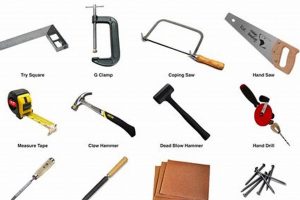
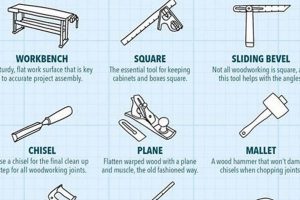
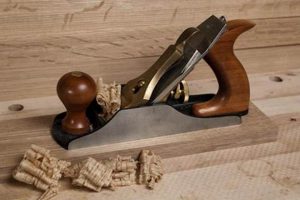
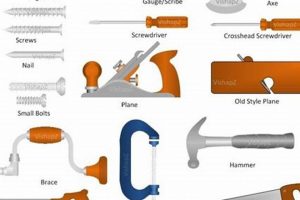
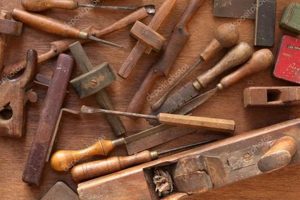
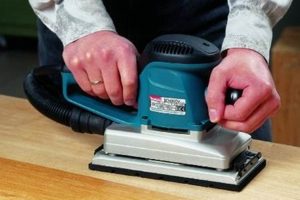
Previously owned implements employed in the shaping and fabrication of wooden objects represent a significant segment of the tool market. These items, ranging from hand planes and chisels to power saws and lathes, offer an alternative to purchasing new equipment. Their condition can vary significantly, influencing both their price and functionality.
Utilizing pre-owned equipment presents opportunities for cost savings, particularly for hobbyists, beginners, or those operating on limited budgets. Acquiring these tools also supports a circular economy by extending the lifespan of durable goods and reducing demand for newly manufactured products. Historically, skilled tradespeople often passed down their tools, creating a legacy of craftsmanship embodied in the implements themselves.
Subsequent sections will explore the factors to consider when evaluating used woodworking equipment, including assessing condition, identifying reputable sources, understanding fair market value, and performing necessary maintenance or repairs. This knowledge empowers individuals to make informed decisions and effectively integrate these items into their woodworking practices.
Guidance on Acquiring and Utilizing Pre-Owned Woodworking Implements
Careful evaluation is paramount when considering the integration of previously owned woodworking implements into one’s workshop. This section outlines crucial considerations for successful acquisition and long-term utility.
Tip 1: Inspect for Damage. A thorough physical examination is essential. Check for rust, cracks, or missing components. Rust can often be removed, but structural damage might render the tool unusable.
Tip 2: Assess Blade Condition. For edged tools such as chisels, planes, and saws, assess the sharpness and integrity of the blade. Nicks, chips, or excessive wear may necessitate professional sharpening or replacement.
Tip 3: Evaluate Motor Functionality. When acquiring power tools, test the motor thoroughly. Listen for unusual noises, check for excessive vibration, and ensure the tool reaches its rated speed. Overheating is also a red flag.
Tip 4: Research Replacement Parts Availability. Determine if replacement parts are readily available for the specific tool model. Obsolete or rare components can complicate future repairs and maintenance.
Tip 5: Verify Accuracy. Calibrate measuring tools such as squares, levels, and rules against known standards to ensure their accuracy. Inaccurate measurements can compromise the quality of woodworking projects.
Tip 6: Seek Reputable Sources. Purchase from reputable sources such as established tool dealers, estate sales, or online marketplaces with buyer protection policies. This reduces the risk of acquiring misrepresented or non-functional tools.
Tip 7: Factor in Refurbishment Costs. When evaluating the purchase price, consider the potential costs of necessary repairs, sharpening, or replacement parts. Factor these expenses into the overall cost-benefit analysis.
Adhering to these guidelines can mitigate risks and maximize the value derived from previously owned woodworking implements. Diligence in inspection and sourcing will promote a successful integration of these tools into the woodworking process.
The subsequent section will focus on ethical considerations and best practices regarding the resale and repurposing of used woodworking equipment.
1. Condition Assessment
Condition assessment is a crucial determinant in the acquisition of implements previously utilized in the craft of woodworking. The state of such tools directly impacts their functionality, safety, and overall value. A deficient evaluation can lead to the purchase of unusable equipment or necessitate costly repairs, negating the perceived cost savings associated with acquiring these instruments through secondary channels. For example, a used power saw with a corroded motor may initially appear attractively priced, but the cost of motor replacement could exceed the price of a new unit. Similarly, a hand plane with a severely warped sole is rendered practically useless until professionally repaired, adding expense and time to its integration into the workshop.
A comprehensive assessment considers multiple factors, including the presence of rust, cracks, or missing components. The sharpness and integrity of cutting edges, the functionality of mechanical components, and the overall structural stability of the implement are all critical. Evaluation extends beyond superficial appearance to encompass the tool’s operational capacity. For instance, a visual inspection of a used lathe might reveal no obvious defects, but a test run could uncover excessive vibration indicative of underlying bearing issues. This detailed scrutiny enables informed decision-making and helps mitigate potential financial losses.
In summary, the rigorous evaluation of condition represents an indispensable step in acquiring previously used woodworking implements. This process identifies potential liabilities and informs realistic cost projections, ensuring that the purchase aligns with budgetary constraints and functional requirements. Neglecting this critical evaluation can transform a seemingly economical purchase into a financially burdensome liability, underscoring the importance of thorough due diligence in this domain.
2. Price Negotiation

The procurement of implements previously utilized in the woodworking craft often necessitates price negotiation. This process is a direct consequence of the variable condition, limited warranties, and subjective valuations inherent in the secondary market for such items. Unlike the purchase of new tools with fixed retail prices, the value of used equipment is contingent upon factors such as age, condition, rarity, and the perceived demand from prospective buyers. For example, a vintage hand plane in pristine condition might command a premium, while an identical model with significant wear and tear would warrant a lower price point. Therefore, effective price negotiation is crucial for securing favorable terms and maximizing the cost-effectiveness of acquiring woodworking equipment through secondary channels.
Successful negotiation strategies in this context rely on thorough research and a clear understanding of the tool’s intrinsic value. This includes comparing prices for similar items listed on online marketplaces, attending estate sales to gauge local market conditions, and consulting with experienced woodworkers to gain insights into the equipment’s functionality and potential limitations. Armed with this information, prospective buyers can confidently articulate their offers, justify their proposed price points, and effectively counter the seller’s initial asking price. Moreover, transparency regarding identified defects or necessary repairs strengthens the buyer’s negotiating position and fosters a more equitable transaction. For instance, highlighting the need for blade sharpening or motor repair can justify a lower offer and contribute to a mutually agreeable price.
In summary, price negotiation is an essential component of acquiring woodworking tools through second-hand channels. By conducting thorough research, assessing the tool’s condition, and employing strategic negotiation techniques, buyers can mitigate financial risks and secure equipment at a fair and reasonable price. This process ensures that the acquisition aligns with budgetary constraints and maximizes the value derived from the purchase, ultimately contributing to a cost-effective and sustainable approach to woodworking.
3. Source Credibility

The acquisition of woodworking tools from secondary sources is inherently linked to the credibility of the seller. A tool’s provenance and the vendor’s reputation directly influence the buyer’s confidence in the item’s condition and authenticity. The lack of verifiable information regarding a tool’s history can introduce significant risk, potentially leading to the purchase of misrepresented, damaged, or even counterfeit equipment. For instance, purchasing a vintage hand plane from an unverified online marketplace carries a higher risk compared to acquiring the same item from a reputable antique tool dealer with a documented history of fair trading practices. The cause-and-effect relationship is clear: compromised source credibility increases the likelihood of acquiring substandard or misrepresented woodworking tools.
Source credibility impacts more than just the immediate purchase; it also affects long-term usability and potential resale value. A tool purchased from a trustworthy source is more likely to have been accurately described, properly maintained, and possibly even possess verifiable provenance, increasing its value should the buyer choose to resell it in the future. Conversely, a tool acquired from a questionable source might require extensive repairs or lack the necessary documentation to establish its authenticity, diminishing its long-term utility and resale potential. As an example, purchasing a used lathe from a local vocational school with a detailed maintenance log offers greater assurance than acquiring the same machine from an unknown individual through a classified advertisement.
In summary, establishing the credibility of the source is a fundamental step in the acquisition of pre-owned woodworking implements. This assessment mitigates the risks associated with misrepresented condition, potential fraud, and questionable tool histories. By prioritizing vendors with established reputations, transparent practices, and verifiable information, buyers can increase their confidence in the quality, authenticity, and long-term value of their purchases. Addressing the challenges related to source verification ultimately leads to a more secure and informed approach to acquiring used woodworking tools, contributing to both the efficiency and safety of the woodworking process.
4. Maintenance Needs
The condition of woodworking tools obtained through secondary channels is inherently variable, thus necessitating a heightened awareness of maintenance requirements. Prioritizing assessment of maintenance needs is paramount to ensure functionality, safety, and longevity of used equipment. Neglecting this facet can result in operational inefficiencies, increased risk of injury, and premature tool failure.
- Rust Removal and Prevention
Used woodworking tools, particularly those stored improperly, often exhibit rust. Effective rust removal techniques, such as abrasive cleaning or chemical treatments, are essential. Furthermore, implementing preventative measures like applying protective coatings or storing tools in a dry environment is crucial to inhibit future corrosion. Failure to address rust can lead to reduced cutting efficiency, increased friction, and ultimately, structural weakening of the tool.
- Sharpening and Honing
Cutting tools, including chisels, planes, and saws, require regular sharpening and honing to maintain optimal performance. Used tools may exhibit dull or damaged cutting edges, necessitating professional sharpening or the acquisition of appropriate sharpening equipment. Neglecting this maintenance facet results in increased effort required for woodworking tasks, compromised precision, and potential tearing of the wood fibers.
- Lubrication and Adjustment
Mechanical woodworking tools, such as lathes, drill presses, and sanders, rely on lubrication for smooth operation and longevity. Used equipment may exhibit insufficient or degraded lubrication, potentially leading to increased friction, overheating, and premature wear of moving parts. Proper lubrication, coupled with adjustments to belts, gears, and bearings, ensures optimal performance and reduces the risk of mechanical failure. For example, a used lathe with dry bearings may vibrate excessively, affecting the quality of the turned workpiece.
- Component Replacement
Used woodworking tools may require replacement of worn or damaged components. Belts, bearings, switches, and power cords are subject to wear and tear over time. Assessing the condition of these components and sourcing replacement parts is crucial for maintaining tool functionality and safety. For example, a used power saw with a frayed power cord poses a significant electrical hazard and necessitates immediate replacement.
Addressing the maintenance needs of previously owned woodworking implements is a critical aspect of responsible tool ownership. Diligence in assessing, performing, and preventing maintenance issues directly influences the tool’s performance, longevity, and safety. Prioritizing these considerations ultimately maximizes the value derived from acquiring woodworking tools through secondary markets.
5. Authenticity Verification

The acquisition of implements through second-hand channels introduces a critical need for authenticity verification, particularly with branded or antique woodworking tools. The woodworking implement market, like many others, is susceptible to counterfeiting and misrepresentation. Erroneous claims of brand, model, or historical significance can substantially inflate the perceived value of an item, leading to financial losses for the unwary buyer. For instance, a replica Stanley hand plane falsely advertised as an original from the 19th century can command a significantly higher price than its actual worth, exploiting a buyer’s lack of knowledge and damaging trust within the market. Therefore, the ability to accurately verify the authenticity of second-hand woodworking tools is paramount to ensuring fair transactions and preserving the integrity of the craft.
The process of verifying authenticity involves a multi-faceted approach. Close examination of manufacturer’s markings, serial numbers, and design features is essential. Cross-referencing these attributes with established resources, such as historical catalogs, manufacturer’s websites, and expert forums, can help to confirm the tool’s origin and specifications. For antique tools, consulting with knowledgeable collectors or appraisers provides access to specialized expertise and detailed historical context. Furthermore, physical inspection can reveal subtle indicators of authenticity, such as the type of metal used, the quality of the craftsmanship, and the presence of specific tool marks. A careful review of these factors enables informed assessment and mitigates the risk of acquiring misrepresented or counterfeit items.
In summary, authenticity verification represents a critical safeguard when procuring woodworking tools from secondary sources. This process, encompassing both meticulous physical examination and thorough historical research, serves to protect buyers from fraud and ensure fair market value. Challenges remain in identifying increasingly sophisticated counterfeits, underscoring the need for continued vigilance and education within the woodworking community. Ultimately, rigorous authenticity verification safeguards the financial interests of buyers and upholds the integrity of the market for second-hand woodworking implements.
6. Availability of Parts

The procurement of woodworking tools through secondary markets is intrinsically linked to the future availability of replacement parts. A seemingly advantageous purchase of a pre-owned tool can become a liability if essential components are no longer manufactured or readily obtainable. This scarcity directly impacts the tool’s long-term usability and potential for repair, potentially negating any initial cost savings. For instance, a used bandsaw, acquired at a reduced price, might require a blade guide replacement. However, if that particular model is discontinued and replacement guides are unavailable, the saw becomes effectively unusable despite its otherwise functional condition. Therefore, assessing the availability of parts constitutes a critical step in evaluating used woodworking equipment.
The impact of parts availability extends beyond simple repair; it also influences maintenance strategies and customization options. A tool with readily available parts allows for proactive maintenance, preventing minor issues from escalating into major failures. Furthermore, accessibility of components empowers users to adapt the tool to specific needs or enhance its functionality through aftermarket modifications. Conversely, a tool with scarce parts limits these possibilities, forcing users to rely on costly custom fabrications or potentially abandon the tool altogether. As an example, a vintage lathe with a readily available motor upgrade allows for increased power and precision, extending its lifespan and enhancing its capabilities. However, a lathe with a proprietary motor design and limited parts availability restricts its upgrade potential and shortens its practical lifespan.
In summary, the availability of replacement parts exerts a significant influence on the long-term value and usability of woodworking tools acquired from secondary sources. Scarcity of essential components can negate initial cost savings and limit maintenance and customization options. Diligence in researching parts availability is therefore crucial for making informed decisions when purchasing used woodworking equipment, ensuring that the investment remains a viable and sustainable asset. This consideration directly contributes to the overall cost-effectiveness and long-term utility of the tools employed in the woodworking craft.
Frequently Asked Questions
This section addresses common inquiries and misconceptions surrounding the acquisition and utilization of woodworking tools from secondary markets. The information provided aims to assist individuals in making informed decisions and mitigating potential risks.
Question 1: What are the primary benefits of acquiring previously owned woodworking tools?
The primary advantages include cost savings compared to new equipment, access to vintage or discontinued models, and the promotion of sustainable consumption practices.
Question 2: What are the primary risks associated with acquiring implements previously utilized in woodworking?
Potential risks include purchasing damaged or misrepresented equipment, difficulty obtaining replacement parts, and the potential for safety hazards due to improper maintenance by previous owners.
Question 3: How does one assess the condition of a used woodworking tool effectively?
Effective assessment requires a thorough physical inspection for rust, cracks, or missing components, verification of mechanical functionality, and evaluation of cutting edges for sharpness and integrity.
Question 4: Where are reputable sources for obtaining woodworking tools from secondary markets located?
Reputable sources include established tool dealers, estate sales, online marketplaces with buyer protection policies, and woodworking trade shows.
Question 5: How does one determine a fair market value for used woodworking equipment?
Determining fair market value involves researching prices for similar items on online marketplaces, consulting with experienced woodworkers, and considering the tool’s condition, age, and rarity.
Question 6: What are essential maintenance procedures for ensuring the longevity of used woodworking tools?
Essential maintenance procedures include rust removal and prevention, regular sharpening and honing of cutting edges, lubrication of moving parts, and timely replacement of worn components.
These questions and answers provide a foundational understanding of the considerations involved in the acquisition and maintenance of used woodworking tools. Careful evaluation and informed decision-making are paramount to maximizing the value and utility of such equipment.
The subsequent section will delve into ethical considerations concerning the resale and disposal of used woodworking tools.
Conclusion
The preceding exploration has illuminated critical facets of the used woodworking implement market. Evaluating condition, establishing source credibility, negotiating price, verifying authenticity, assessing maintenance needs, and determining parts availability represent indispensable steps. The absence of due diligence in these areas presents tangible financial and operational risks.
Responsible acquisition and utilization of woodworking tools second hand necessitates informed decision-making and a commitment to ethical practices. The information presented aims to equip individuals with the requisite knowledge to navigate this complex landscape effectively, fostering a sustainable and equitable environment within the woodworking community. Continued vigilance and informed participation are essential for ensuring the long-term viability of this segment of the tool market.