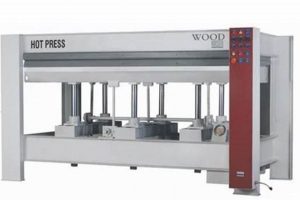
The process encompasses the careful rehabilitation of vintage equipment used for shaping wood. This often involves disassembly, cleaning, repair or replacement of damaged parts, lubrication, and reassembly. For instance, a 1940s bandsaw might undergo component replacement, rust removal, and alignment to return it to functional condition.
Rehabilitating these tools presents numerous advantages. It offers a cost-effective alternative to purchasing new machinery, preserves historical artifacts, and often results in equipment of superior build quality compared to modern counterparts. Furthermore, this work helps to maintain woodworking traditions and skills, contributing to a deeper understanding of manufacturing history. The machines often represent a period of robust engineering and design not always found in contemporary models.
Subsequent sections will address specific techniques for assessing machine condition, sourcing replacement components, and executing essential repairs, along with guidelines for safe operation of these revitalized pieces of equipment. These considerations are critical for a successful and safe outcome.
Essential Guidelines for Machinery Rehabilitation
The following recommendations are crucial for anyone undertaking the rehabilitation of vintage woodworking equipment, ensuring both the machine’s functionality and the operator’s safety.
Tip 1: Thorough Initial Assessment: Prior to any work, conduct a detailed inspection. Document all existing damage, missing parts, and areas of excessive wear. This assessment will guide the restoration process and inform sourcing of necessary components.
Tip 2: Prioritize Safety Mechanisms: Pay particular attention to safety features such as blade guards, emergency stops, and belt covers. Ensure these are fully functional before operating the machine. Replace or repair any compromised safety components.
Tip 3: Meticulous Cleaning is Essential: Remove all accumulated rust, dirt, and old lubricant. Use appropriate solvents and abrasives, being mindful of potential damage to painted surfaces or delicate components. Cleanliness is vital for proper operation and longevity.
Tip 4: Correct Lubrication Practices: Identify the correct lubrication points and use the specified lubricants. Over- or under-lubrication can cause damage. Consult original manuals or manufacturer specifications where available. Replace grease fittings as needed.
Tip 5: Component Sourcing Strategies: Locating replacement parts often requires creativity. Explore online marketplaces, antique tool dealers, and machine shops. Fabricating custom parts may be necessary if original components are unavailable.
Tip 6: Precise Alignment is Key: Proper alignment of critical components, such as saw blades, fences, and tables, is essential for accuracy and safety. Utilize precision measuring tools and follow manufacturer guidelines to ensure correct alignment.
Tip 7: Electrical System Evaluation: Inspect wiring, switches, and motors for signs of damage or wear. Replace any deteriorated components. Ensure the machine is properly grounded and that all electrical connections are secure. Consider professional evaluation of electrical systems if expertise is lacking.
Adhering to these guidelines ensures the successful return of old woodworking equipment to reliable and safe operating condition, preserving both historical artifacts and valuable woodworking tools.
The subsequent discussion will focus on advanced restoration techniques, including motor rewinding and complex component fabrication.
1. Assessment of Condition

In the context of restoring old woodworking machines, a thorough assessment of condition serves as the foundational step, directly influencing the scope, methodology, and ultimate success of the restoration endeavor. This meticulous evaluation dictates the necessary interventions and resource allocation, ensuring the restored machine meets both functional and historical expectations.
- Identification of Structural Deficiencies
This involves a detailed examination of the machine’s frame, castings, and load-bearing components for cracks, distortions, or corrosion. For example, a rusted cast iron table saw base may require welding or patching before any other restoration work can proceed. Undetected structural flaws can lead to catastrophic failure during operation.
- Evaluation of Mechanical Wear
Mechanical wear assessment focuses on critical moving parts such as bearings, gears, and spindles. Excessive play, unusual noises, or visible wear patterns indicate components requiring repair or replacement. A lathe with worn spindle bearings, for instance, will produce inaccurate work and potentially damage the workpiece. The condition of these elements significantly impacts the machine’s precision and efficiency.
- Inspection of Electrical Components
Electrical components, including motors, wiring, and switches, undergo inspection for damage, deterioration, and compliance with safety standards. A motor with frayed wiring poses a significant fire hazard, while a malfunctioning switch can render the machine unusable. Replacing or rewiring faulty electrical components is crucial for safe and reliable operation.
- Determination of Missing or Non-Original Parts
Identifying missing or non-original components is essential for maintaining historical accuracy and functional integrity. A vintage planer lacking its original blade guard compromises operator safety, while a replacement motor with incorrect specifications may reduce performance. Sourcing or fabricating appropriate replacements contributes significantly to the value and usability of the restored machine.
Collectively, these facets of condition assessment provide a comprehensive understanding of the machine’s state, guiding restoration decisions and ensuring a successful outcome. By systematically evaluating structural integrity, mechanical wear, electrical safety, and component completeness, restorers can effectively address the challenges inherent in returning these machines to their original functionality and preserving their historical significance.
2. Component Sourcing

Component sourcing constitutes a pivotal aspect of restoring old woodworking machines, directly impacting the feasibility and authenticity of the endeavor. The availability, or lack thereof, of correct components dictates the extent to which a machine can be returned to its original operational state and historical configuration. Without a strategic approach to component procurement, restoration efforts can become significantly protracted, expensive, or even impossible.
The correlation between component sourcing and successful machine rehabilitation manifests in several ways. The degradation of materials over time necessitates replacement of worn or damaged parts. The identification and acquisition of suitable replacements, whether through salvage, reproduction, or adaptation, is fundamental. Consider the restoration of a 1930s Delta shaper. Finding an original fence assembly might prove challenging, requiring the restorer to either locate a suitable donor machine or fabricate a replica. Furthermore, the availability of specific bearings, pulleys, or electrical components can directly influence the machine’s performance and safety. Using incorrect or substandard replacements can compromise the machine’s integrity and potentially lead to operational hazards. Thus, the process involves more than simply finding a replacement; it requires ensuring the replacement meets the original specifications or exceeds them in terms of safety and durability.
In conclusion, effective component sourcing is indispensable for restoring old woodworking machines. The process demands resourcefulness, historical understanding, and a commitment to preserving the machine’s original functionality and historical context. Addressing the challenges inherent in finding appropriate components, whether through careful searching or skilled fabrication, is a central determinant of a successful restoration project and the preservation of woodworking heritage. The ability to source components is a critical skill for any restorer.
3. Mechanical Repair

Mechanical repair is intrinsically linked to the successful restoration of old woodworking machines. The operational effectiveness and safety of vintage equipment frequently depend on the comprehensive repair or replacement of worn, damaged, or non-functioning mechanical components. These repairs address the effects of prolonged use, material degradation, and potential accidents, directly influencing the machine’s performance and longevity. For instance, a vintage jointer may suffer from warped tables, worn bearings, or misaligned fences. Addressing these issues through planing, bearing replacement, and careful alignment is crucial to restoring the jointer’s ability to produce flat, square edges, a fundamental requirement for woodworking.
The mechanical repair process involves several distinct stages. Initial assessment identifies specific problems and determines the necessary repairs. Disassembly allows for thorough cleaning and inspection of individual components. Repair techniques vary depending on the nature of the damage, ranging from welding and machining to the fabrication of custom parts. Reassembly requires meticulous attention to detail, ensuring correct alignment and proper function of all moving parts. Consider a bandsaw with a cracked frame. Welding the crack may restore structural integrity, but proper alignment of the blade guides and wheels is essential for accurate cutting and blade longevity. Similarly, replacing worn gears in a mortising machine necessitates precise shimming and lubrication to ensure smooth and reliable operation.
In summation, mechanical repair is an indispensable aspect of restoring old woodworking machines. It addresses the consequences of time and use, revitalizing worn equipment and ensuring safe and accurate operation. A commitment to sound mechanical repair practices is essential for preserving these machines and maintaining the traditions of craftsmanship they represent. Without these repairs, these machines would soon be deemed unusable.
4. Electrical System
The electrical system forms a critical, often overlooked, aspect of restoring old woodworking machines. Proper evaluation and repair of electrical components are essential for ensuring safe operation, preventing damage to the machinery, and maintaining compatibility with modern power standards. Neglecting the electrical system can lead to hazardous conditions and significantly shorten the lifespan of the restored machine.
- Wiring and Insulation Integrity
Over time, wiring insulation deteriorates, becoming brittle and prone to cracking. This degradation poses a significant risk of electrical shock and short circuits. Replacing old wiring with modern, appropriately rated wiring is a fundamental step in ensuring electrical safety. For example, cloth-insulated wiring common in older machines should be replaced with thermoplastic high-heat nylon (THHN) wiring to meet current safety standards. The physical condition of the wiring and insulation directly affects the reliability and safety of the machine’s operation.
- Motor Evaluation and Refurbishment
The electric motor is the heart of most woodworking machines. Evaluating the motor’s condition involves assessing winding integrity, bearing condition, and overall functionality. Rewinding the motor may be necessary if the windings are damaged or deteriorated. Replacing worn bearings reduces friction and extends the motor’s lifespan. A properly functioning motor ensures efficient and reliable power delivery to the machine’s cutting or shaping tools. Overheating or unusual noises are indicators that the motor requires attention.
- Switch and Control Mechanisms
Switches, starters, and control mechanisms are vital for safely operating the machine. These components can become corroded, worn, or damaged over time, leading to unreliable operation or complete failure. Replacing or repairing these components ensures smooth starting and stopping of the machine, as well as providing essential safety features such as emergency stop functionality. A faulty switch can prevent the machine from starting or, more dangerously, prevent it from being turned off in an emergency.
- Grounding and Overcurrent Protection
Proper grounding is essential for preventing electrical shock. Ensuring the machine is adequately grounded and equipped with appropriate overcurrent protection devices, such as fuses or circuit breakers, safeguards against electrical faults and potential fire hazards. An inadequate grounding system can result in a dangerous electrical shock hazard. Verification of grounding integrity and proper sizing of overcurrent protection devices are vital safety measures during the restoration process.
The comprehensive evaluation and refurbishment of the electrical system are indispensable for restoring old woodworking machines to safe and reliable operating condition. Addressing issues related to wiring, motors, switches, and grounding ensures the longevity of the machine and protects the operator from electrical hazards. Prioritizing electrical safety is paramount in any restoration project.
5. Lubrication Regimen

The establishment and adherence to a precise lubrication regimen are critical in the restoration of vintage woodworking machinery. Friction, inherent in the operation of any mechanical device, is a primary cause of wear and eventual failure. In the context of machines that are decades old, original lubrication may have deteriorated or become contaminated. Neglecting a proper lubrication strategy accelerates component degradation, negating the benefits of other restoration efforts. For example, restoring a vintage planer without addressing lubrication needs in its cutterhead bearings and feed mechanisms will result in premature wear and diminished performance, ultimately rendering the restoration incomplete.
The lubrication regimen must be tailored to the specific machine and its intended use. Factors such as bearing type (sleeve, ball, or roller), operating speed, and load influence the selection of appropriate lubricants. Original machine manuals, if available, provide specific recommendations; however, these may need to be adapted to modern lubricant formulations. The routine encompasses several key actions: regular application of lubricants to designated points, inspection for leaks or contamination, and periodic flushing and replacement of lubricants. A vintage lathe, for instance, requires frequent lubrication of the headstock gears and carriage ways to maintain accuracy and prevent excessive wear. The absence of consistent lubrication can result in scoring of the ways, leading to inaccurate turning and reduced machine life.
In conclusion, a well-defined and diligently executed lubrication regimen is an indispensable component of restoring old woodworking machines. It directly mitigates friction, reduces wear, and extends the operational life of restored equipment. Proper lubrication is not merely an afterthought, but an integral part of the restoration process, ensuring the continued functionality and historical integrity of these valuable machines. The ultimate success in this type of project often pivots upon this essential maintenance aspect.
6. Safety Implementation

Safety implementation is paramount during the restoration of vintage woodworking machinery. The age and potential modifications of these machines often present unique hazards not found in contemporary equipment, necessitating a comprehensive approach to safety features and operational protocols.
- Emergency Stop Mechanisms
The installation or restoration of accessible and functional emergency stop mechanisms is critical. These devices allow for immediate cessation of machine operation in the event of an anomaly or operator error. Older machines may lack such features or have mechanisms that are no longer functional. Integrating readily accessible emergency stops reduces the risk of injury during operation.
- Point-of-Operation Guarding
Point-of-operation guarding, designed to prevent operator contact with moving blades, cutters, or other hazardous components, is essential. Many vintage machines lack adequate guards or have guards that have been removed or damaged over time. Fabricating or retrofitting appropriate guards minimizes the risk of contact injuries. For instance, a bandsaw should have guards that enclose as much of the blade as possible while still allowing for workpiece manipulation.
- Power Disconnect Procedures
Establishing and enforcing clear power disconnect procedures are vital during maintenance and repair. Before undertaking any work on the machine, the power source must be positively disconnected and locked out to prevent accidental start-up. This practice mitigates the risk of electrical shock or unexpected machine activation during service.
- Dust Collection Systems
Implementing effective dust collection systems minimizes the inhalation of wood dust, a known respiratory irritant and potential carcinogen. Vintage machines may not have integrated dust collection ports, requiring the addition of aftermarket systems. Connecting these machines to a dust collector improves air quality and reduces the risk of respiratory illness among operators.
The integration of these safety measures into the restoration process ensures that the refurbished machinery can be operated safely and reliably. Prioritizing safety implementation not only protects the operator but also contributes to the longevity and continued use of these historically significant woodworking machines, fostering a safe and productive working environment.
7. Operational Accuracy

Operational accuracy, in the context of restoring old woodworking machines, represents the degree to which a machine can perform its intended tasks within specified tolerances. It is a critical factor determining the utility and value of the restored equipment, ensuring that it can produce workpieces that meet required dimensions and quality standards. This principle guides various aspects of the restoration process, impacting component selection, repair techniques, and final adjustments.
- Spindle and Bearing Alignment
Proper alignment of spindles and bearings is fundamental to operational accuracy, particularly in machines like lathes, shapers, and milling machines. Misalignment leads to vibration, increased wear, and inaccurate cutting. For instance, a lathe with a misaligned spindle will produce tapered or out-of-round workpieces. Restoring operational accuracy requires meticulous alignment procedures, often involving precision measurement tools and shimming techniques.
- Table and Fence Squareness
The squareness of tables and fences is crucial for achieving accurate cuts on saws, jointers, and planers. A table saw with a fence that is not square to the blade will produce angled cuts, compromising the accuracy of joinery. Restoration entails adjusting and securing the fence mechanism, verifying squareness with precision squares, and making necessary adjustments to ensure consistent and accurate cuts.
- Feed Mechanism Calibration
Accurate calibration of feed mechanisms is essential for uniform material removal in planers, jointers, and thickness sanders. Erratic feed rates result in uneven surfaces and dimensional inaccuracies. Restoration involves inspecting and adjusting the feed rollers, calibrating the feed rate settings, and ensuring smooth and consistent material flow through the machine.
- Blade and Cutterhead Balance
Balanced blades and cutterheads are imperative for smooth operation and precise cuts in saws, jointers, and planers. Unbalanced components cause vibration, chatter, and increased wear on bearings. Restoration requires dynamic balancing of rotating components, often using specialized equipment, to minimize vibration and ensure accurate cutting performance. A balanced cutterhead on a jointer will produce a smooth, consistent surface without scalloping or tearout.
These facets of operational accuracy are interconnected and collectively contribute to the overall performance of the restored woodworking machine. Addressing each aspect systematically ensures that the machine can perform its intended functions with the precision and reliability required for high-quality woodworking. The investment in achieving operational accuracy directly translates to improved workpiece quality, reduced material waste, and increased efficiency in the woodworking process.
Frequently Asked Questions
The following addresses common inquiries regarding the complexities and challenges associated with restoring older woodworking machines, offering detailed insights and expert perspectives.
Question 1: What are the primary indicators that a vintage woodworking machine is suitable for restoration versus being beyond repair?
A machine’s suitability for restoration hinges on the condition of its main castings. Extensive cracking or irreparable damage to the frame often renders the project economically unfeasible. The availability of replacement parts and the cost of specialized repairs, such as motor rewinding, also factor into the decision.
Question 2: What is the most critical safety precaution when restoring an old woodworking machine?
The immediate disconnection of power before any inspection, repair, or cleaning commences. Furthermore, a comprehensive evaluation of the electrical system, including wiring, grounding, and motor condition, must be performed by a qualified electrician.
Question 3: Where can authentic replacement parts for vintage woodworking machines typically be sourced?
Authentic components are often found through online marketplaces specializing in vintage tools, antique machinery dealers, and specialized machine shops capable of fabricating custom parts based on original specifications. Machine tool shows and auctions are also potential sources.
Question 4: What are the key considerations when selecting lubricants for restored vintage woodworking machines?
The lubricant must be appropriate for the specific bearing type, operating speed, and load conditions. Consult original machine manuals or manufacturer specifications when available. Modern synthetic lubricants often offer superior performance and protection compared to traditional oils.
Question 5: What is the recommended process for cleaning rust from cast iron components?
Rust removal can be achieved through mechanical methods, such as wire brushing or media blasting, or chemical means, utilizing rust converters or electrolytic derusting techniques. The choice of method depends on the severity of the rust and the desired surface finish.
Question 6: How can the operational accuracy of a restored woodworking machine be verified?
Operational accuracy is assessed through precise measurements using calibrated instruments. Spindle alignment, table squareness, and feed rate uniformity are all critical factors. Test cuts and measurements are essential for verifying that the machine meets required tolerances.
Successfully rehabilitating vintage woodworking equipment involves a balance of technical skill, historical awareness, and a commitment to safety. By addressing these fundamental questions, restorers can make informed decisions and achieve optimal results.
The subsequent exploration will focus on specific case studies of successful woodworking machinery restorations, highlighting best practices and innovative solutions.
Conclusion
The detailed examination of restoring old woodworking machines underscores its multi-faceted nature. From initial assessment to final calibration, each stage demands precision and a deep understanding of mechanical principles. The benefits extend beyond mere functionality, encompassing historical preservation and the utilization of equipment often superior in build quality to modern alternatives.
The information presented serves as a guide for those undertaking this intricate process. The sustained effort ensures the continued legacy of these machines, providing future generations access to robust tools and a connection to woodworking traditions. Continued research and the sharing of restoration techniques are essential for advancing this field.