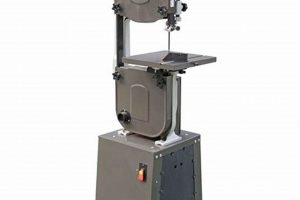
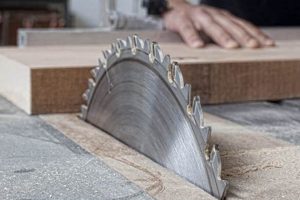
The practice encompasses a range of techniques utilizing a specific power tool characterized by a continuous blade stretched between two or more wheels. This tool facilitates the cutting of diverse materials, primarily wood, into various shapes and sizes. For instance, a craftsman might employ this method to create intricate curves for furniture design or resaw thick lumber into thinner pieces.
This method holds significance in woodworking due to its ability to execute complex cuts that are challenging to achieve with other tools. Its advantages include efficient material use, reduced waste, and the capability to handle both straight and curved lines with precision. Historically, the introduction of powered versions revolutionized the woodworking industry, enabling faster and more accurate production compared to manual sawing methods.
The subsequent sections will detail the different types of these specialized saws, essential safety procedures, various blade selection criteria, and the diverse applications within the field. Furthermore, maintenance best practices and tips for achieving optimal cutting performance will be addressed.
Band Saw Woodworking
The effective utilization of a band saw in woodworking necessitates adherence to specific techniques and best practices. These contribute to enhanced accuracy, safer operation, and prolonged tool lifespan.
Tip 1: Blade Selection: Employ the appropriate blade width and tooth configuration for the specific task and material. A narrower blade facilitates tighter curves, while a coarser tooth pitch is suitable for thicker stock.
Tip 2: Tension Adjustment: Proper blade tension is paramount. Insufficient tension leads to blade wander and inaccurate cuts. Excessive tension risks blade breakage and damage to the machine. Refer to the manufacturer’s recommendations for optimal tension settings.
Tip 3: Feed Rate Control: Regulate the rate at which the material is fed into the blade. Forcing the cut can cause blade binding, overheating, and reduced cut quality. A steady, consistent feed promotes smoother results.
Tip 4: Guide Block Alignment: Ensure that the upper and lower guide blocks are properly aligned and positioned close to the workpiece. These guides provide blade support, minimizing deflection and enhancing cut accuracy.
Tip 5: Regular Maintenance: Consistent maintenance is crucial for optimal performance. This includes cleaning blade debris, lubricating moving parts, and periodically inspecting tires for wear and tear.
Tip 6: Safe Operation Practices: Always wear appropriate safety gear, including eye protection and hearing protection. Maintain a firm grip on the workpiece and keep hands clear of the blade path.
Tip 7: Resawing Technique: When resawing lumber, utilize a fence to maintain a consistent cutting angle. Employ feather boards to apply pressure against the fence, preventing the workpiece from drifting during the cut.
Implementing these recommendations will contribute to improved precision, efficiency, and safety during woodworking projects. The long-term benefits include reduced material waste, enhanced project quality, and a safer working environment.
The following section will explore common troubleshooting scenarios encountered when working with a band saw and provide practical solutions for resolving them.
1. Blade Selection

Blade selection is a pivotal aspect of band saw woodworking, directly influencing the precision, efficiency, and safety of the cutting process. The appropriate blade choice is not arbitrary but rather a function of the material being cut, the complexity of the desired cut, and the machine’s capabilities.
- Tooth Pitch and Material Density
Tooth pitch, defined as the number of teeth per inch (TPI), must be considered in relation to the density and thickness of the workpiece. A higher TPI is suitable for thinner materials, providing a smoother cut and reducing the risk of tear-out. Conversely, a lower TPI is more effective for thicker materials, allowing for efficient chip removal. Using an incorrect pitch can result in excessive vibration, blade binding, and a poor-quality cut.
- Blade Width and Radius of Cut
Blade width dictates the minimum radius that can be effectively cut. A narrower blade allows for tighter curves, while a wider blade is better suited for straight cuts and resawing. Attempting to cut a curve tighter than the blade’s capacity will induce stress on the blade, potentially leading to breakage or inaccurate cuts. The selection of a blade width appropriate for the intended curvature is therefore critical.
- Blade Material and Hardness
The material composition and hardness of the blade are crucial factors. Carbon steel blades are cost-effective for general woodworking, while bimetal blades offer superior durability and heat resistance, making them suitable for cutting hardwoods and abrasive materials. Carbide-tipped blades provide extended lifespan and are ideal for demanding applications. Selecting a blade material that matches the material being cut ensures optimal performance and reduces premature wear.
- Tooth Geometry and Cutting Angle
Different tooth geometries, such as standard, skip, or hook teeth, impact the cutting angle and chip clearance. Standard teeth are versatile for general-purpose cutting. Skip teeth are designed for cutting softwoods and plastics, minimizing clogging. Hook teeth provide aggressive cutting action and are suitable for resawing. Selecting the appropriate tooth geometry optimizes chip removal and reduces friction, resulting in a smoother, more efficient cut.
The interrelation between blade selection and successful band saw woodworking is undeniable. Each facet of blade characteristics must be carefully considered to achieve desired outcomes. The correct blade choice contributes to enhanced precision, reduced material waste, and a safer operational environment, underscoring its importance within the broader woodworking context.
2. Tension Adjustment
In band saw woodworking, tension adjustment constitutes a fundamental operation that directly influences blade performance, cut quality, and operational safety. Inadequate tension leads to blade wander, resulting in inaccurate cuts and increased material waste. Conversely, excessive tension elevates the risk of blade breakage, posing a safety hazard and potentially damaging the machine. For instance, attempting to cut a straight line with insufficient blade tension typically yields a curved or irregular cut, rendering the workpiece unusable for its intended purpose. Correct tension, therefore, is not merely a procedural step but an essential prerequisite for achieving predictable and reliable outcomes.
The practical application of tension adjustment necessitates a thorough understanding of the band saw’s tensioning mechanism and the manufacturer’s specified tension range for different blade types and sizes. Many band saws incorporate a tension gauge or indicator to facilitate this process. However, experienced operators often rely on tactile feedback, assessing blade tension by observing its deflection under pressure. A real-world example involves resawing lumber; insufficient tension causes the blade to deflect away from the fence, resulting in uneven board thickness. Proper tension, combined with consistent feed rate, enables accurate and parallel cuts, maximizing material yield. Moreover, proper tension mitigates vibration, leading to smoother cuts and reduced noise levels, thereby improving the overall woodworking experience.
The criticality of tension adjustment underscores its integral role within the broader context of band saw woodworking. While other factors, such as blade selection and feed rate, contribute to successful outcomes, proper tension serves as the foundation upon which these factors operate effectively. The challenges associated with inaccurate tension adjustment, including increased material waste, compromised cut quality, and potential safety hazards, highlight the importance of mastering this skill. Adherence to recommended tensioning procedures and diligent monitoring of blade behavior during operation are essential for achieving optimal results and ensuring a safe and productive woodworking environment.
3. Guide Alignment
Guide alignment represents a critical element in band saw woodworking. Precise alignment of blade guides directly impacts the accuracy and stability of cuts, influencing both the efficiency of the process and the quality of the final product. Deviations from correct alignment introduce inaccuracies and can compromise the integrity of the saw blade.
- Lateral Blade Support
Lateral blade guides, typically consisting of bearings or hardened blocks, provide support to the blade’s sides, preventing excessive deflection during the cutting process. Misalignment of these guides allows the blade to wander, resulting in curved or irregular cuts. For example, when resawing lumber, misalignment can lead to uneven board thickness. Correct lateral support ensures the blade tracks straight, yielding accurate and consistent results.
- Thrust Bearing Adjustment
The thrust bearing, positioned behind the blade, counteracts the backward force generated during cutting. Improper adjustment of the thrust bearing can induce excessive friction, leading to blade overheating and premature wear. Conversely, insufficient contact between the bearing and blade allows the blade to flex rearward, reducing cutting efficiency. Optimal thrust bearing adjustment maintains consistent blade stability without impeding its rotation.
- Guide Proximity to Workpiece
The distance between the blade guides and the workpiece significantly affects cut stability. Guides positioned too far from the material allow the blade to flex excessively, particularly during curved cuts or when working with thicker stock. Conversely, guides set too close to the workpiece can obstruct material flow. Proper positioning minimizes blade deflection without hindering the smooth advancement of the material through the saw.
- Parallelism of Upper and Lower Guides
The upper and lower blade guide assemblies must be parallel to each other and perpendicular to the saw table. Misalignment between the upper and lower guides induces torsional stress on the blade, increasing the risk of breakage and compromising cut accuracy. Maintaining parallelism ensures the blade tracks correctly throughout its entire length, resulting in consistent cutting performance.
Collectively, these facets of guide alignment define the operational effectiveness of a band saw. Accurate and meticulous adjustment contributes directly to enhanced cut precision, reduced material waste, and extended blade lifespan. The investment in proper guide alignment procedures is therefore essential for maximizing the potential of band saw woodworking endeavors.
4. Feed Control

Feed control, the regulation of the rate at which material is advanced into the band saw blade, constitutes a critical determinant of cut quality and operational safety in band saw woodworking. An uncontrolled or inappropriate feed rate can induce blade binding, overheating, and inaccurate cuts, thereby increasing the risk of workpiece damage, blade breakage, and potential operator injury. For instance, forcing material into the blade at an excessive rate generates undue stress, causing the blade to deflect from the intended cutting path, resulting in a rough or uneven surface finish. Conversely, an excessively slow feed rate can lead to blade glazing, a condition where the blade heats up and dulls prematurely, reducing its cutting efficiency.
Effective feed control necessitates consideration of several factors, including material density, blade type, and desired cut geometry. Denser materials, such as hardwoods, require a slower and more deliberate feed rate compared to softer woods. Similarly, wider blades with coarser tooth pitches are generally capable of handling higher feed rates than narrower blades designed for intricate curves. When executing curved cuts, a gradual and consistent feed is essential to prevent blade binding and maintain accurate tracking. In practice, operators often utilize push sticks or other auxiliary tools to maintain a safe distance from the blade while exerting controlled pressure on the workpiece, allowing for precise adjustments to the feed rate based on real-time feedback. Resawing operations, for example, demand a steady and even feed to produce consistent board thicknesses.
In summary, mastery of feed control is paramount for achieving optimal results in band saw woodworking. By understanding the interplay between feed rate, material properties, and blade characteristics, operators can minimize the risk of operational hazards, maximize cutting efficiency, and produce high-quality woodworking projects. The development of a nuanced feel for the correct feed rate through experience and diligent observation is a hallmark of skilled band saw operation, contributing directly to both the safety and precision of the woodworking process.
5. Safety Protocols
Adherence to stringent safety protocols is paramount in band saw woodworking, mitigating the inherent risks associated with high-speed blade operation and material manipulation. These protocols are not merely suggestions but essential practices for ensuring operator well-being and preventing accidents.
- Eye Protection
The potential for airborne particles, such as sawdust and wood splinters, necessitates the consistent use of appropriate eye protection. Safety glasses or goggles shield the eyes from debris ejected during the cutting process, preventing potential injuries. Failure to wear eye protection can result in corneal abrasions or more severe eye damage.
- Hearing Protection
Prolonged exposure to the noise generated by band saws can lead to irreversible hearing damage. Earplugs or earmuffs attenuate the sound level, reducing the risk of noise-induced hearing loss. Consistent use of hearing protection is particularly crucial during extended woodworking sessions.
- Proper Attire
Loose clothing, jewelry, and unrestrained hair pose a significant entanglement hazard. Close-fitting attire and the secure containment of hair minimize the risk of being caught in the moving parts of the band saw. Removing jewelry eliminates potential snag points that could draw the operator into the machinery.
- Safe Blade Handling
Band saw blades possess sharp, hardened teeth capable of inflicting serious cuts. Exercising caution when handling blades, particularly during installation and removal, is essential. Wearing gloves and using appropriate tools minimizes the risk of accidental lacerations. Proper storage of blades further reduces the potential for injury.
These safety protocols, when diligently observed, significantly reduce the likelihood of accidents and injuries in band saw woodworking. Integrating these practices into routine operation fosters a culture of safety, promoting a secure and productive woodworking environment. Consistent enforcement of safety protocols is essential for ensuring the long-term well-being of operators and maintaining the integrity of woodworking practices.
Frequently Asked Questions About Band Saw Woodworking
This section addresses common inquiries regarding the techniques, applications, and safety considerations associated with band saw woodworking. The information provided aims to clarify misconceptions and offer practical guidance for optimizing the woodworking process.
Question 1: Is it permissible to use a band saw for cutting metal?
While certain band saws are designed for metal cutting, the use of a standard woodworking band saw for this purpose is generally inadvisable. The blade speed and tooth configuration of woodworking band saws are not optimized for metal cutting, potentially leading to blade damage and unsafe operation. Metal-cutting band saws typically operate at slower speeds and utilize blades with finer tooth pitches.
Question 2: What determines the appropriate blade tension for band saw woodworking?
Optimal blade tension is contingent upon blade width, thickness, and material composition. Manufacturer-recommended tension ranges, often indicated on the band saw’s tension gauge, serve as a primary reference. Over-tensioning increases the risk of blade breakage, while under-tensioning leads to blade wander and inaccurate cuts.
Question 3: How frequently should a band saw blade be replaced?
Blade replacement frequency varies based on usage intensity, material hardness, and maintenance practices. Dull or damaged blades compromise cut quality and increase the risk of operational hazards. Regular inspection for signs of wear, such as rounded teeth or cracks, is crucial. Sharpening may extend blade lifespan, but replacement becomes necessary when sharpening is no longer effective.
Question 4: What constitutes proper maintenance for a band saw?
Regular maintenance includes cleaning blade debris, lubricating moving parts, inspecting tires for wear, and verifying blade alignment. Neglecting maintenance can reduce cutting efficiency, accelerate component wear, and compromise safety. Scheduled maintenance, as outlined in the manufacturer’s manual, promotes optimal performance and extends the band saw’s operational lifespan.
Question 5: What safety precautions are essential during band saw woodworking?
Mandatory safety precautions encompass wearing eye and hearing protection, maintaining appropriate attire, and utilizing push sticks to keep hands clear of the blade. Rushed or careless operation increases the risk of accidents. A focused and deliberate approach to woodworking promotes a safer working environment.
Question 6: Can band saws effectively resaw lumber?
Band saws are well-suited for resawing operations, enabling the creation of thinner boards from thicker stock. The use of a fence to maintain a consistent cutting angle and feather boards to prevent workpiece drift is recommended. Selecting a blade with appropriate width and tooth configuration further enhances resawing accuracy.
The successful application of band saw woodworking hinges on a thorough understanding of the tool’s capabilities, limitations, and associated safety protocols. The information provided herein aims to foster informed decision-making and promote responsible woodworking practices.
The following section will explore advanced techniques and specialized applications within the realm of band saw woodworking.
Conclusion
This exploration of band saw woodworking has elucidated essential aspects, encompassing blade selection, tension adjustment, guide alignment, feed control, and stringent safety protocols. The tool’s capabilities for intricate cuts, resawing, and efficient material utilization have been underscored. Mastering these core elements ensures precise and safe operation, optimizing the tool’s potential within diverse woodworking applications.
Continued adherence to best practices and ongoing refinement of technique are imperative for achieving consistently high-quality results. The responsible and informed application of band saw woodworking contributes to both the longevity of the equipment and the safety of the operator, furthering the pursuit of excellence in woodworking endeavors.