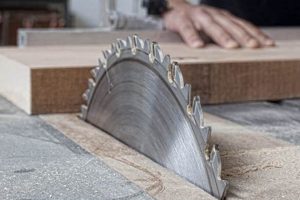
This practice encompasses the use of a specific type of frame saw for shaping wood. These saws, characterized by a thin blade held under tension within a frame, facilitate precise cuts in various woodworking applications. A tangible example is the creation of curved furniture components or intricate joinery.
The value of this technique lies in its capacity for creating detailed work with relative ease and control. Historically significant, this method offers an efficient approach to cutting curves and shaping materials, particularly in situations where powered tools are impractical or unavailable. The resulting accuracy enhances the quality and aesthetic appeal of the finished product.
Subsequent sections will delve into the components of the frame saw, blade selection criteria, appropriate cutting techniques, and maintenance practices to optimize its performance and longevity within the broader field of shaping wood.
Bow Saw Woodworking
Mastering the bow saw requires understanding its mechanics and employing proper techniques. The following tips will improve accuracy and maximize efficiency in shaping wood with this tool.
Tip 1: Blade Tension is Paramount: Ensure the blade is adequately tensioned before initiating any cut. Insufficient tension causes blade wander and inaccurate results; excessive tension risks blade breakage.
Tip 2: Choose the Right Blade: Blade selection is crucial. Finer tooth counts are suitable for detailed work and hardwoods, while coarser blades are more effective for rapid stock removal in softer woods.
Tip 3: Stance and Grip: Maintain a stable stance and a firm, yet relaxed, grip on the frame. This allows for controlled and consistent motion throughout the cutting process.
Tip 4: Let the Saw Do the Work: Avoid forcing the blade. Apply gentle pressure and allow the teeth to cut through the wood. Excessive force dulls the blade and compromises accuracy.
Tip 5: Kerf Management: Clear the kerf (the cut slot) of debris regularly. Accumulation of sawdust hinders progress and can cause the blade to bind.
Tip 6: Sharpening for Optimal Performance: Regular sharpening is essential for maintaining peak cutting efficiency. A sharp blade reduces effort and improves cut quality.
Tip 7: Practice on Scrap Wood: Before tackling a critical project, practice techniques on scrap material. This allows for honing skills and adjusting technique without jeopardizing valuable stock.
Employing these methods will lead to greater precision, reduced effort, and extended blade life when shaping wood.
The subsequent section will focus on specific projects and applications well-suited for the bow saw.
1. Blade Tension

Blade tension constitutes a critical parameter within shaping wood utilizing a frame saw. Inadequate tension results in blade deflection during the cut, leading to inaccuracies and a compromised finish. Conversely, excessive tension increases the risk of blade fracture, posing a safety hazard and necessitating blade replacement. The relationship is direct: appropriate tension enables the blade to track accurately along the intended cut line, providing the user with enhanced control and precision. For instance, when cutting dovetail joints, precise blade control is essential; insufficient tension makes achieving clean, tight-fitting joints exceedingly difficult, if not impossible. The practical significance of understanding and correctly adjusting blade tension cannot be overstated, as it directly impacts the quality and efficiency of all cutting operations.
The mechanism for adjusting blade tension typically involves a turnbuckle or lever system integrated into the frame. The operator must carefully balance the forces involved, aiming for a tension level that minimizes blade wander without exceeding the blade’s tensile strength. One visual cue is to observe the blade’s behavior under light pressure; it should exhibit minimal lateral movement. Another practical example is resawing lumber; the longer cut length necessitates even more precise tension control to prevent the blade from drifting off-course, thereby maintaining consistent board thickness. Experienced users often develop a tactile sense for optimal tension through repeated practice and careful observation.
In summary, proper blade tension is fundamental to successful shaping wood with a frame saw. Maintaining this parameter requires awareness, careful adjustment, and ongoing monitoring. Failure to address this aspect introduces significant challenges, reduces cut quality, and increases the likelihood of blade failure. Mastery of blade tension represents a core skill for anyone seeking to proficiently and safely employ frame saws in woodworking.
2. Wood Selection

The choice of wood species significantly impacts the efficacy and outcome of shaping wood with a frame saw. The density and grain structure of the wood exert considerable influence on the ease of cutting, the smoothness of the cut surface, and the longevity of the saw blade. Softwoods, such as pine or cedar, generally present less resistance, facilitating faster cutting speeds; however, their less dense structure is more prone to tear-out, demanding careful technique. Conversely, hardwoods, including oak or maple, offer greater resistance, requiring more effort to cut, but typically yield cleaner, more precise edges. An unsuitable wood selection can lead to premature blade dulling, increased cutting effort, and compromised project quality. Therefore, matching wood species to the saw’s blade type and the project’s intended use is paramount.
Consider the specific application. For instance, constructing a delicate, curved chair back from a highly figured hardwood requires a fine-toothed blade and meticulous control. A coarser blade might be appropriate for rapidly removing waste from a tenon on a softwood leg, but would prove unsuitable for the curved chair back. Additionally, the moisture content of the wood affects its workability. Wood that is excessively dry can become brittle, increasing the likelihood of splintering, while wood that is too wet can bind the blade and impede cutting progress. Proper wood acclimation prior to shaping is crucial. A practical example is the shaping of green wood for traditional Windsor chair spindles, where the green wood’s pliability facilitates bending and shaping after the initial cut.
In conclusion, selecting the appropriate wood is an integral component of successful shaping wood with a frame saw. Careful consideration of wood species, grain structure, and moisture content directly affects cutting ease, finish quality, and blade durability. Ignoring these factors introduces unnecessary challenges and undermines the potential of the frame saw’s inherent precision. Recognizing this interdependency represents a fundamental aspect of skilled woodworking.
3. Cutting Technique

Effective cutting technique is paramount when utilizing a frame saw. Proper execution directly influences accuracy, efficiency, and the final quality of the woodworking project. Mastery involves coordinating stance, grip, blade control, and pressure application to achieve the desired results.
- Stance and Body Mechanics
A stable and balanced stance provides a solid foundation for controlling the saw. Feet should be positioned shoulder-width apart, with one foot slightly ahead of the other. Body movement should originate from the core, minimizing reliance on arm strength alone. This distributes the workload, reducing fatigue and enhancing control over the blade. For example, when cutting a long, curved line, a controlled pivoting motion from the waist maintains a consistent cutting angle and reduces the risk of blade binding.
- Grip and Hand Position
A firm, yet relaxed grip is essential. The hand holding the frame should apply consistent downward pressure, while the other hand guides the blade along the cut line. Avoid gripping too tightly, as this leads to muscle fatigue and reduced sensitivity. Variations in hand position can be used to fine-tune the cutting angle. For instance, shifting the guiding hand slightly forward or backward allows for subtle adjustments when following a complex curve.
- Blade Stroke and Pressure Control
The cutting stroke should be smooth and consistent, utilizing the entire length of the blade. Apply pressure primarily on the push stroke, allowing the teeth to do the work. Avoid forcing the blade, as this can lead to premature dulling and inaccurate cuts. The appropriate amount of pressure depends on the wood species and blade type. A lighter touch is generally preferable for hardwoods and fine-toothed blades, while more aggressive pressure can be applied to softwoods with coarser blades.
- Kerf Management and Blade Tracking
Maintaining a clear kerf (the cut slot) is crucial for preventing blade binding. Periodically removing sawdust and debris from the kerf reduces friction and allows the blade to track accurately. Attention should be paid to the blade’s alignment throughout the cut. If the blade begins to deviate from the intended line, gently correct the angle before proceeding. Ignoring deviations can result in significant inaccuracies and wasted material.
These facets of cutting technique, when properly executed, transform the frame saw from a simple tool into a precision instrument. They enable woodworkers to achieve intricate shapes, tight-fitting joinery, and aesthetically pleasing results. Conversely, neglecting these aspects can lead to frustration, wasted effort, and subpar outcomes. Therefore, a thorough understanding and diligent practice of cutting technique are essential for maximizing the potential of frame saw woodworking.
4. Frame Integrity

Frame integrity constitutes a foundational element within the discipline of shaping wood utilizing a bow saw. The rigidity and stability of the frame directly impact the blade’s ability to maintain a consistent cutting path. A compromised frame, characterized by loose joints or structural weaknesses, introduces inaccuracies and impedes the creation of precise cuts. The causal relationship is straightforward: a stable frame facilitates controlled blade movement, while a flexible frame allows the blade to wander. The structural soundness of the frame directly dictates the attainable level of accuracy in the woodworking process. An example is attempting to cut a mortise; a frame lacking integrity will lead to uneven mortise walls and a compromised joint.
The impact of frame integrity extends to user safety. A weakening frame is more susceptible to sudden failure under tension, potentially resulting in blade breakage and the risk of injury. Regular inspection and maintenance of the frame are therefore essential. Reinforcing joints with additional fasteners, replacing damaged components, and ensuring proper alignment are all critical practices. Consider the task of resawing; a frame that bows or twists under the strain of a long cut not only produces an inaccurate result but also increases the likelihood of the frame collapsing under the applied force. The practical implication is that time invested in maintaining frame integrity is a direct investment in both project quality and user safety.
In summary, the structural integrity of the frame represents a non-negotiable aspect of effective shaping wood. A robust and well-maintained frame provides the necessary foundation for accurate and safe operation. Neglecting this component introduces significant limitations and potential hazards. The relationship between frame integrity and successful woodworking is therefore undeniable, underscoring its importance as a primary consideration for all practitioners.
5. Blade Sharpening

Blade sharpening constitutes an indispensable component of shaping wood with a bow saw. The sharpness of the blade directly influences the ease of cutting, the precision of the cut, and the overall efficiency of the woodworking process. A dull blade requires significantly more force to propel through the material, leading to increased user fatigue, reduced control, and a greater risk of tear-out or splintering. Conversely, a sharp blade effortlessly slices through the wood fibers, producing clean, accurate cuts with minimal effort. The cause-and-effect relationship is clear: a sharp blade promotes smooth, controlled cutting, while a dull blade hinders it. Consider the creation of intricate dovetail joints; achieving tight, precise fits requires a razor-sharp blade capable of cleanly severing the wood fibers without crushing or tearing them. The practical significance of maintaining a sharp blade, therefore, cannot be overstated.
The sharpening process itself demands careful attention to detail and a thorough understanding of blade geometry. Maintaining the correct bevel angle and tooth profile is crucial for optimal cutting performance. Various sharpening techniques exist, including hand filing with specialized saw files and the use of powered sharpening tools. The choice of technique depends on the user’s skill level, the type of blade, and the desired level of precision. Regular sharpening, even if only to touch up a slightly dulled blade, is far more effective than waiting until the blade becomes excessively dull, which necessitates a more extensive and time-consuming sharpening process. For example, a craftsman using a bow saw to create delicate inlays will likely hone the blade edge multiple times during a single project to ensure consistently clean and precise cuts.
In summary, blade sharpening is not merely a maintenance task, but an integral skill within the practice of shaping wood with a bow saw. Maintaining a sharp blade enhances cutting performance, improves accuracy, and extends the lifespan of the blade. The challenges associated with sharpening are readily overcome with practice and a commitment to mastering the necessary techniques. Recognizing the fundamental connection between blade sharpness and woodworking success is essential for any serious practitioner of this craft.
6. Project Design

Project design serves as the foundational blueprint for shaping wood using a frame saw. The selection of appropriate joinery techniques, the consideration of material dimensions, and the anticipation of potential cutting challenges are all dictated by the initial design phase. Ill-conceived designs can lead to material waste, structural weaknesses, and ultimately, project failure. The relationship is causative: thoughtful project design promotes efficient use of resources, facilitates accurate execution with a frame saw, and ensures a structurally sound final product. A poorly designed chair, for example, may require complex cuts that overtax the tool’s capabilities, whereas a well-designed chair considers the saw’s strengths, minimizing intricate cuts and maximizing the efficiency of the process. Proper design also ensures the accurate layout of cuts, reducing errors and improving the overall quality of the result.
Project design also significantly influences the choice of blade and cutting technique. A design incorporating tight curves necessitates a narrow blade with a high tooth count, while a design featuring straight cuts along the grain benefits from a wider blade with a coarser tooth pattern. Similarly, the design dictates the need for specialized jigs or fixtures to facilitate accurate and repeatable cuts. For instance, a project requiring the creation of multiple identical curved components, such as those found in a rocking chair, would necessitate the construction of a template to guide the frame saw and ensure consistency. Furthermore, the design should account for the material’s properties. Designing around existing defects in the wood or considering the wood’s grain orientation can minimize waste and maximize strength. A well-documented design allows a woodworker to identify potential problem areas early on and make appropriate adjustments before the cutting process even begins. For instance, knowing the location of knots helps in positioning components, and ensures that the knots does not occur where the design requires strength or clean visual appearance.
In summary, project design is not merely an aesthetic consideration; it is an integral part of the woodworking process. A thorough and well-considered design provides a roadmap for success, guiding the woodworker through each stage of the project and ensuring efficient and accurate execution with a frame saw. Overlooking the importance of design introduces unnecessary challenges, increases the risk of errors, and compromises the overall quality of the finished product. A firm foundation in project design amplifies the effectiveness of the tool. This translates into high-quality projects.
Frequently Asked Questions
The following questions address common concerns and misconceptions regarding the use of a frame saw in shaping wood.
Question 1: What distinguishes a frame saw from other types of saws?
A frame saw utilizes a thin blade tensioned within a frame. This design allows for curved cuts and intricate shaping, unlike saws designed primarily for straight cuts.
Question 2: What factors should be considered when selecting a blade for a frame saw?
Blade selection hinges on wood species, desired cut precision, and the type of cut to be performed. Fine-toothed blades suit hardwoods and detailed work, while coarser blades are more effective for rapid stock removal in softwoods.
Question 3: How does blade tension impact cutting performance?
Proper tension maintains blade stability and accuracy. Insufficient tension leads to blade wander, while excessive tension risks blade breakage. Finding the correct balance is essential.
Question 4: What are common indicators of a dull blade?
A dull blade requires increased force to cut, produces rough edges, and generates excessive heat. Sharpening is necessary to restore optimal performance.
Question 5: Is specialized training required to effectively use a frame saw?
While formal training is not mandatory, acquiring knowledge of proper techniques, blade sharpening, and safety precautions is highly recommended. Practice on scrap wood is essential for developing proficiency.
Question 6: What maintenance procedures are essential for preserving a frame saw?
Regular maintenance includes inspecting the frame for damage, ensuring proper blade tension, and sharpening the blade as needed. Proper storage in a dry environment also helps prevent corrosion and wood warping.
Understanding these frequently asked questions provides a solid foundation for anyone seeking to effectively shape wood using a frame saw. Attention to these details enhances the quality of work, extends tool life, and ensures a safe working environment.
The subsequent section provides examples of projects well-suited for the tool.
Bow Saw Woodworking
This exploration of bow saw woodworking has underscored the significance of understanding the tool’s mechanics, mastering essential techniques, and recognizing the interplay between design, material selection, and blade maintenance. From blade tension and sharpness to frame integrity and cutting technique, each element contributes to the precision and efficiency of shaping wood with this instrument. The provided guidance equips the practitioner with the knowledge needed to harness the potential of this traditional tool.
Continued refinement of skills and diligent application of these principles will unlock the full potential of bow saw woodworking. This approach not only ensures the creation of high-quality projects but also preserves a valuable craft. A dedication to precision, safety, and continuous learning will solidify bow saw woodworking as a relevant and respected practice for future generations.