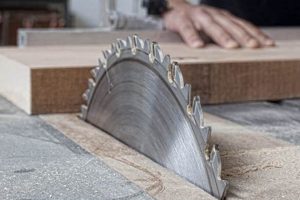
The craft involving the use of a specialized saw, characterized by its fine blade and U-shaped frame, to create intricate cuts in thin materials, typically wood. This technique allows for the production of delicate shapes, detailed patterns, and interior cutouts not achievable with larger sawing tools. Examples include ornamental scrollwork, decorative panels, and puzzle pieces crafted with precision.
This method holds significance due to its capacity to produce highly detailed and aesthetically pleasing objects. Its benefits include the ability to execute complex designs, personalize projects with unique embellishments, and revive traditional woodworking styles. Historically, it has been employed in furniture making, clock making, and the creation of architectural details, demonstrating its enduring value in various artistic and functional applications.
Subsequent sections will delve into specific techniques employed, explore various project ideas suitable for this method, discuss the selection and maintenance of tools, and address common challenges encountered during the process.
Essential Guidance for Precise Cutting
The following guidelines aim to enhance the accuracy and efficiency of intricate cutting projects. Adherence to these principles will contribute to improved results and minimize potential errors.
Tip 1: Secure Material Fixation: Prior to commencing any cut, ensure the workpiece is firmly secured to the work surface. Employ clamps or other holding devices to prevent movement, which can compromise precision and increase the risk of blade breakage.
Tip 2: Blade Selection and Tension: Choose a blade appropriate for the material thickness and complexity of the design. Maintaining proper blade tension is crucial. An overtightened blade is susceptible to snapping, while an undertightened blade results in wandering cuts.
Tip 3: Controlled Feed Rate: Avoid forcing the blade through the material. A slow, steady feed rate allows the blade to follow the intended line accurately, minimizing splintering and tear-out.
Tip 4: Accurate Pattern Transfer: Precisely transfer the desired pattern onto the workpiece. Utilize templates, stencils, or carbon paper to ensure accurate duplication of the design, paying particular attention to fine details.
Tip 5: Regular Blade Inspection and Replacement: Periodically inspect the blade for signs of wear, such as dullness or broken teeth. Replace worn blades promptly to maintain cutting efficiency and prevent damage to the workpiece.
Tip 6: Proper Posture and Lighting: Maintain an ergonomic posture and ensure adequate lighting to minimize fatigue and improve visibility. This promotes control and reduces the likelihood of errors.
Tip 7: Wax Application for Friction Reduction: Apply beeswax or a similar lubricant to the blade to reduce friction, especially when working with denser materials. This helps to maintain a smooth cutting action and prolong blade life.
Employing these recommendations will contribute to the successful execution of detailed cutting projects, promoting accuracy, efficiency, and safety.
The next section will explore advanced techniques, including compound cutting and inlay work, expanding the range of possibilities within this craft.
1. Blade Selection

Blade selection represents a critical determinant in the execution of precise and intricate sawing, influencing both the feasibility and quality of the final product. The characteristics of the blade directly dictate the ability to navigate complex curves, produce clean edges, and work with various material thicknesses.
- Tooth Configuration and Material
The geometry of the teeth, including their pitch (teeth per inch or TPI) and rake angle, dictates the blade’s cutting efficiency and the resulting surface finish. Higher TPI blades, crafted from hardened steel or specialized alloys, are preferred for intricate details and smoother cuts in thinner materials. Conversely, lower TPI blades are more suitable for thicker stock, prioritizing material removal over finish quality. The material composition of the blade influences its durability and resistance to wear, particularly when working with abrasive materials.
- Blade Width and Thickness
The width of the blade governs its turning radius and the minimum achievable curve. Narrower blades facilitate tighter turns, enabling the creation of intricate patterns and detailed internal cutouts. Blade thickness impacts stability and resistance to deflection during cutting. Thicker blades offer greater rigidity, minimizing blade wander and producing straighter cuts. However, excessive thickness can limit maneuverability in tight curves.
- Blade Type and Application
Various blade types cater to specific materials and cutting tasks. Scroll saw blades, characterized by their pin-end or plain-end configurations, are specifically designed for use in scroll saws, facilitating quick blade changes and internal cutting. Coping saw blades, typically narrower and more flexible, are suitable for curved cuts and shaping. The choice of blade type should align with the intended application and the characteristics of the material being worked.
- Considerations for Internal Cuts
Internal cuts, requiring the blade to be threaded through a pilot hole, necessitate the use of blades with readily detachable ends or designs that allow for easy threading. Blades specifically designed for internal cuts often feature a coarser tooth pattern to facilitate efficient material removal during the cutting process. The selection of an appropriate blade for internal cuts is essential for minimizing downtime and maximizing productivity.
The interplay between these factors highlights the importance of careful blade selection in achieving desired outcomes. Proficiency in evaluating blade characteristics and matching them to specific project requirements is a hallmark of skilled practitioners of this precise craft, influencing not only the aesthetic quality but also the structural integrity and longevity of completed works.
2. Tension Adjustment
Proper tension adjustment is paramount in achieving optimal results when employing a fret saw. Inadequate or excessive tension significantly compromises cut quality, blade lifespan, and operator safety. The following discussion elucidates critical facets of tension adjustment in this context.
- Blade Stability and Cut Accuracy
Appropriate tension ensures blade rigidity, minimizing deflection during the cutting process. Insufficient tension allows the blade to wander, resulting in inaccurate cuts and imprecise detailing. Conversely, excessive tension increases the likelihood of blade breakage. Precise tension adjustment yields cleaner cuts and adherence to intricate design patterns, thus contributing to accuracy in projects involving delicate sawing.
- Blade Lifespan and Material Properties
Consistent tension prevents premature blade fatigue and extends its functional lifespan. Under-tensioned blades experience increased friction and bending, leading to rapid wear. Over-tensioned blades are prone to snapping, especially when subjected to lateral forces during curved cuts. Adjustment must account for the specific material, since hardwoods require higher tension compared to softer woods. Consideration of material properties during tension adjustment is necessary for maximizing blade utility and preventing frequent replacements.
- Operator Control and Safety
Proper tension facilitates enhanced operator control and reduces the risk of accidents. A well-tensioned blade responds predictably to operator input, allowing for smoother and more controlled movements. Under-tensioned blades can bind or grab, potentially causing the workpiece to shift unexpectedly, which may lead to injury. Over-tensioned blades pose a heightened risk of breakage, potentially projecting fragments towards the operator. The correct tension provides a more secure and predictable working environment.
- Auditory Feedback and Material Response
Experienced operators rely on auditory cues to assess tension levels. A properly tensioned blade produces a distinct, resonant tone when plucked. Deviations from this sound often indicate inadequate or excessive tension. Furthermore, monitoring the material response during cutting provides additional feedback. Excessive vibration or difficulty maneuvering the blade can signal incorrect tension levels. Awareness of auditory feedback, coupled with observation of material interaction, allows for dynamic adjustment of tension during project execution.
The discussed facets of tension adjustment underscore its critical role in fret saw applications. Successful execution of intricate sawing relies heavily on careful calibration of blade tension, thereby ensuring accuracy, longevity, safety, and optimal material interaction. Failing to properly attend to tension impacts the entire process, compromising the quality and increasing the risks associated with this woodworking technique.
3. Pattern Accuracy

Pattern accuracy serves as a foundational element in successful fret saw woodwork. Deviations from the intended design during pattern transfer or execution directly translate into imperfections in the final product. Erroneous cuts, misaligned curves, or unintended gaps compromise the aesthetic appeal and structural integrity of the piece. The intricate nature of fretwork amplifies the impact of even minor inaccuracies, making precise pattern replication crucial for achieving desired results. For instance, in recreating historical fretwork designs for furniture restoration, accurate patterns are essential to maintaining the authenticity and value of the antique.
The attainment of pattern accuracy necessitates meticulous attention to detail throughout the entire process. This includes the careful selection of pattern templates or creation of detailed drawings, the precise transfer of the pattern onto the workpiece using appropriate marking tools, and the deliberate execution of cuts along the marked lines. Techniques such as using carbon paper for pattern transfer, employing magnifying lenses for enhanced visibility, and regularly checking measurements against the original design contribute to minimizing errors. In applications such as crafting decorative wooden puzzles or detailed architectural models, the adherence to precise patterns guarantees the correct assembly and functional performance of the finished product.
In summary, the relationship between pattern accuracy and fret saw woodwork is one of direct dependency. High levels of accuracy enhance the quality and value of the finished product, while deviations compromise its integrity. While challenges such as complex designs, material inconsistencies, and operator error exist, diligent application of proper techniques and a commitment to detail are vital in ensuring successful outcomes in various projects. This emphasis aligns with the broader theme of skilled craftsmanship and underscores the importance of precision in woodworking.
4. Material Stability

Material stability is an essential prerequisite for effective employment of fret saws. The process of creating intricate cuts necessitates a work surface that resists deformation and movement during the cutting action. Unstable materials introduce inaccuracies, increase the risk of blade breakage, and compromise the final product’s aesthetic and structural integrity. For instance, using a warped piece of plywood for a delicate inlay project would invariably lead to gaps and misalignments, rendering the finished piece unacceptable. The materials inherent properties, such as density, moisture content, and grain orientation, directly affect its behavior under the stress of cutting, and therefore its suitability for fret saw work. The cause-and-effect relationship is clear: unstable material leads to unstable cuts, which in turn result in subpar results. Understanding this connection is not merely theoretical; it is a practical imperative for any woodworker seeking precision and quality.
The practical implications of material stability extend to material preparation and storage. Wood must be properly acclimatized to the workshop environment to minimize warping or swelling due to humidity changes. The selection of materials should prioritize those known for dimensional stability, such as hardwoods with consistent grain patterns or engineered wood products designed to resist moisture absorption. Furthermore, appropriate support and clamping techniques are essential during the cutting process. Large or thin workpieces require additional support to prevent vibration and flexing, which can compromise cut accuracy. Vacuum clamping systems, for example, provide a secure and uniform hold, especially useful when working with delicate or irregularly shaped materials. The failure to address these practical considerations will inevitably lead to compromised accuracy and efficiency, regardless of the operator’s skill.
In conclusion, material stability is not an ancillary concern but rather an integral aspect of fret saw woodwork. From material selection and preparation to cutting techniques and support systems, every stage of the process must account for the materials behavior under stress. While achieving perfect material stability can be challenging, due to inherent variations in wood and environmental factors, the knowledge and application of best practices significantly improve the likelihood of successful outcomes. Overcoming these challenges requires a deep understanding of wood properties, careful planning, and a commitment to precision. Such an understanding enhances not only the quality of the work but also the enjoyment and satisfaction derived from this intricate craft.
5. Cutting Technique
Cutting technique constitutes a crucial element within fret saw woodwork, influencing precision, efficiency, and the final quality of the piece. Improper cutting techniques often result in inaccurate cuts, frayed edges, and an increased risk of blade breakage. These deficiencies compromise the intended design and detract from the overall aesthetic appeal. The relationship is causal: technique dictates outcome. A steady hand, consistent feed rate, and precise following of the pattern line are essential for achieving clean, accurate cuts. For example, when creating intricate floral patterns in wood for decorative boxes, a controlled and deliberate cutting technique is paramount. Any deviation from the marked lines or jerky movements will manifest as noticeable imperfections in the delicate petals and leaves. Such attention to detail is not merely about aesthetics but also impacts the structural integrity of the piece, particularly in joints and interlocking elements.
Consider the practical application in crafting wooden gears for clockmaking. The precise meshing of gear teeth is dependent upon accurate cutting. A poorly executed technique, such as excessive force or inconsistent blade angle, creates uneven tooth profiles. These irregularities hinder smooth rotation, causing the clock mechanism to bind or fail entirely. Conversely, skilled practitioners employ techniques such as relief cutting (making small, angled cuts at tight corners to facilitate easier turning) and back-kerfing (making shallow cuts on the backside of the workpiece to prevent splintering) to enhance the quality of their work. These advanced techniques demonstrate how mastery over cutting technique directly translates to enhanced functional performance and aesthetic refinement. Moreover, proper posture, adequate lighting, and appropriate workholding methods are ancillary aspects of cutting technique that contribute to overall success.
In summary, cutting technique is inextricably linked to the success of fret saw woodwork. It is not an isolated skill but rather an integrated practice encompassing tool handling, material interaction, and spatial awareness. While challenges such as fatigue, complex patterns, and material variations can hinder perfect execution, a dedication to honing cutting technique remains essential. This dedication extends beyond rote memorization to a comprehensive understanding of the principles governing material behavior and tool mechanics. By prioritizing cutting technique, practitioners can overcome obstacles, enhance their skills, and ultimately create works of lasting beauty and functionality.
6. Finishing Process
The finishing process constitutes a critical phase in fret saw woodwork, directly influencing the longevity, aesthetic appeal, and overall value of the completed piece. Post-cutting operations, encompassing sanding, sealing, staining, and the application of protective coatings, serve to refine the surface, enhance the grain, and safeguard against environmental degradation. Neglecting or improperly executing these finishing steps can diminish the visual impact of intricate designs and compromise the materials structural integrity.
- Surface Preparation and Sanding
Surface preparation, predominantly achieved through sanding, establishes a smooth, uniform base for subsequent finishing applications. Fret saw work, by its nature, often produces fine edges and intricate details that require meticulous sanding to eliminate splinters, fuzziness, and imperfections. Employing progressively finer grits of sandpaper is crucial to avoid scratching the wood surface. For instance, a decorative fretwork panel intended for furniture embellishment requires extensive sanding to ensure a flawless finish, free from any visible blemishes. Inadequate sanding undermines the effectiveness of applied finishes, resulting in uneven absorption and a compromised appearance.
- Staining and Coloration
Staining enhances the natural grain patterns of wood and introduces desired color tones, significantly altering the aesthetic character of the finished piece. Careful stain selection, considering factors such as wood species and desired hue, is imperative. Even application techniques, such as wiping or spraying, ensure consistent color penetration. Fret saw projects incorporating multiple wood types benefit from strategic staining to harmonize disparate colors or create visually striking contrasts. The proper application of stain not only enhances visual appeal but also accentuates the intricate details carved during the fretwork process.
- Sealing and Priming
Sealing and priming operations create a barrier against moisture absorption and prepare the surface for topcoat adhesion. Sealers penetrate the wood fibers, preventing excessive stain absorption and promoting uniform color. Primers, often applied after sealing, provide a smooth, receptive surface for paints or varnishes. Fretwork destined for outdoor applications, such as garden ornaments or architectural details, necessitate robust sealing to mitigate the effects of weather exposure. Properly sealed and primed surfaces ensure the longevity and durability of subsequent finishes.
- Protective Coatings and Topcoats
Protective coatings, including varnishes, lacquers, and polyurethanes, provide a durable barrier against abrasion, scratches, and environmental damage. These topcoats impart varying degrees of sheen, from matte to high gloss, allowing for customization of the final appearance. Fretwork used in high-traffic areas, such as door panels or table tops, requires resilient protective coatings to withstand daily wear and tear. The selection of an appropriate topcoat depends on the desired level of protection, the aesthetic preferences, and the intended use of the finished piece.
The aforementioned facets of the finishing process collectively contribute to the preservation and enhancement of fret saw woodwork. While the artistry of fretwork lies in the intricate cutting and design, the finishing process elevates these efforts, transforming raw materials into enduring works of art. The integration of these phases not only showcases craftsmanship but also ensures the longevity and continued appreciation of the completed piece.
Frequently Asked Questions
The following addresses common inquiries regarding the techniques, tools, and challenges encountered in the practice of creating intricate designs in wood using a specialized saw with a fine blade. The intent is to provide clear, concise, and objective answers based on established woodworking principles.
Question 1: What constitutes the primary distinction between a fret saw and a scroll saw?
The primary distinction lies in the frame depth and maneuverability. A fret saw features a deeper frame, allowing for greater reach into the center of larger workpieces. While both saws are designed for intricate cutting, the fret saws design prioritizes access and maneuverability for complex internal cuts and patterns.
Question 2: What blade characteristics are most critical for achieving fine detail in hard woods?
For hardwoods, a high teeth-per-inch (TPI) blade made from hardened steel is paramount. A higher TPI count facilitates smoother cuts and minimizes splintering, essential for intricate designs. Additionally, a narrow blade width enhances maneuverability, enabling tighter curves and more complex detailing.
Question 3: What factors contribute to frequent blade breakage during fret saw operation?
Several factors contribute to blade breakage, including excessive blade tension, forcing the blade through the material, improper blade selection for the material thickness, and workpiece movement during cutting. Regular blade inspection and replacement are also essential to mitigate breakage risks.
Question 4: How can tear-out and splintering be minimized when cutting across the grain?
Minimizing tear-out requires employing several techniques. Scoring the cut line with a sharp knife prior to sawing helps sever wood fibers, preventing them from lifting. Additionally, using a backing board or applying masking tape to the cut line provides additional support and reduces splintering. A slow, controlled feed rate further minimizes damage.
Question 5: What are the recommended practices for maintaining a fret saw and ensuring its longevity?
Regular maintenance includes cleaning the blade and frame to remove debris, lubricating moving parts to ensure smooth operation, and periodically checking and adjusting blade tension. Proper storage in a dry environment prevents rust and corrosion, extending the saw’s lifespan.
Question 6: How does one achieve smooth, consistent curves when using a fret saw?
Achieving smooth curves involves a combination of factors. Maintaining a consistent feed rate, using a sharp blade, and employing a fluid wrist motion are crucial. Relief cuts at tight corners alleviate stress on the blade, facilitating smoother turns. Practice and patience are also essential for developing the necessary skill.
In summary, mastering fret saw woodwork necessitates a thorough understanding of tool selection, blade characteristics, cutting techniques, and maintenance practices. Adherence to established woodworking principles ensures accuracy, efficiency, and the creation of high-quality, aesthetically pleasing pieces.
The subsequent section will delve into advanced projects, exploring techniques such as compound cutting and inlay work, expanding the scope of possibilities within fret saw woodwork.
Conclusion
This exploration has illuminated the multifaceted nature of fret saw woodwork, encompassing its fundamental techniques, tool considerations, material requirements, and finishing processes. Critical aspects, such as blade selection, tension adjustment, pattern accuracy, material stability, and cutting technique, have been examined in detail, underscoring their influence on the quality and durability of completed projects. The analysis also addressed common challenges and provided practical solutions, promoting informed decision-making for practitioners.
The enduring relevance of fret saw woodwork lies in its capacity to produce intricate and aesthetically pleasing designs. Whether employed for decorative embellishments, functional components, or artistic expressions, the precision and detail achievable through this craft continue to captivate and inspire. Continued dedication to honing skills and exploring innovative applications will ensure the preservation and evolution of fret saw woodwork for future generations, maintaining its place as a valued element within the broader landscape of woodworking traditions.