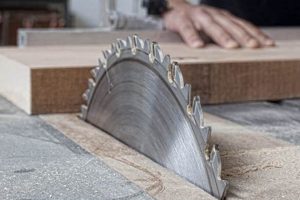
The practices applied when using a specialized saw to execute intricate cuts in wood are essential for achieving precision and artistry in woodworking projects. These methods encompass blade selection, tension adjustment, speed control, and maneuvering the workpiece to follow detailed patterns. An example is employing a fine-toothed blade to create delicate curves in a decorative wooden sign.
Mastery of these skills allows for the creation of complex designs, enhancing the aesthetic value and functionality of finished pieces. Historically, this approach offered a means of embellishing furniture, architectural details, and craft items, adding a distinctive touch that mass production often lacks. The results increase the overall quality of woodworking projects.
The following sections will delve into specific aspects of these operational skills, from selecting the appropriate blade type to executing advanced cutting maneuvers, ensuring optimal results in a variety of woodworking applications.
Essential Practices for Refined Woodworking Cuts
Employing fundamental knowledge ensures accurate and clean results when creating intricate wooden designs.
Tip 1: Blade Selection: Choose a blade appropriate for the thickness and type of wood being cut. Finer blades are ideal for thinner materials and intricate designs, while coarser blades provide faster cutting speeds for thicker stock.
Tip 2: Blade Tension: Correct blade tension is critical. Too little tension will result in wandering cuts and blade breakage, while excessive tension can cause premature blade wear and increase the risk of snapping. Adjust tension according to the manufacturers recommendations.
Tip 3: Feed Rate: Maintain a consistent feed rate. Avoid forcing the wood into the blade, allowing it to cut at its own pace. Overly aggressive feed rates can lead to blade binding and inaccurate cuts.
Tip 4: Kerf Awareness: Account for the kerf, or width, of the blade. When cutting patterns, position the blade slightly inside the marked lines to compensate for material removal. This ensures the final piece matches the intended dimensions.
Tip 5: Relief Cuts: When cutting tight curves, use relief cuts. These short, perpendicular cuts into the waste material allow the blade to turn more freely without binding. This prevents the blade from overheating and breaking.
Tip 6: Speed Control: Adjust the saw’s speed based on the wood’s density and the complexity of the cut. Slower speeds are generally preferable for intricate patterns and denser hardwoods, while faster speeds are suitable for straighter cuts in softer woods.
Tip 7: Workpiece Support: Ensure adequate support for the workpiece. Use a stable platform and consider adding auxiliary supports for larger pieces to prevent vibration and maintain control during cutting.
Implementing these practices enables woodworking projects with heightened precision and minimizes material waste.
The concluding section will provide a final overview of essential elements for successful project execution.
1. Blade selection

Blade selection directly influences the outcome of projects employing the skills associated with scroll saw operation. The choice of blade affects cutting speed, smoothness of the cut edge, and the ability to execute intricate designs. Incorrect blade selection can result in splintering, blade breakage, or an inability to follow the intended pattern accurately. For instance, attempting to cut thick hardwood with a fine-toothed blade designed for thin materials will likely lead to blade failure and a substandard result.
As a critical component of effective operational skills with specialized saws, blade selection necessitates considering the tooth pitch, blade width, and blade material. Blades with a higher tooth pitch are suited for delicate work requiring fine detail, while wider blades offer increased stability for straight cuts. The blade material, such as high-speed steel or carbon steel, determines its durability and resistance to heat buildup during extended use. Successful application of these saws hinges on the operator’s ability to match the blade characteristics to the demands of the specific woodworking task.
In summation, the selection of an appropriate blade is an indispensable element. Understanding the interplay between blade characteristics, material properties, and intended design complexity is crucial for achieving optimal results and minimizing potential problems in woodworking projects involving scroll saws.
2. Tension adjustment
Tension adjustment constitutes a critical component within effective woodworking methods that employ a specialized saw. Inadequate blade tension directly impacts cutting precision and blade lifespan. Too little tension causes blade deflection, resulting in inaccurate cuts and increased vibration, while excessive tension can lead to premature blade fatigue and breakage. Therefore, appropriate tension management is crucial for realizing the intended design.
The relationship between tension and cut quality is exemplified in projects requiring intricate detail. Consider the creation of a fretwork panel: precise blade tension ensures the blade accurately follows the pattern, preventing wandering or jagged edges. Conversely, improper tension might cause the blade to deviate from the design, compromising the integrity of the finished piece. Furthermore, different blade types and wood densities necessitate specific tension settings. Softer woods may require less tension than hardwoods to prevent excessive blade bowing.
Therefore, skilled tension adjustment is a fundamental skill in operational techniques for the creation of fine wooden articles. Consistent application of proper blade tension not only contributes to the quality of the final product but also reduces the risk of material waste and increases the longevity of cutting implements. Correct comprehension and meticulous calibration of blade tension are essential for achieving optimal performance.
3. Feed control

Feed control, the rate at which the workpiece is advanced into the blade, is an essential determinant of cut quality and blade longevity when employing scroll saw operational methods. Mastery of feed control mitigates risks of material damage and ensures adherence to precise design parameters.
- Workpiece Material Influence
The composition of the workpiece dictates the appropriate feed rate. Dense hardwoods necessitate a slower, more deliberate feed to prevent blade binding and overheating. Conversely, softer woods allow for a faster feed, but excessive speed risks splintering and tear-out. The operator must adapt feed control to the specific material properties for optimal results. An example is reducing feed when cutting knots in pine to avoid blade deflection.
- Design Complexity Consideration
The intricacy of the pattern being cut directly affects the required feed rate. Complex curves and tight radii demand a reduced feed to allow the blade to navigate the design accurately. Attempting to force the wood through these areas risks blade breakage and inaccurate cuts. Simplifying the approach, a simple, straight cut allows for a faster feed compared to cutting a complex, curved pattern.
- Blade Type Correlation
The type of blade in use is intertwined with feed control. Finer blades, designed for delicate work, require a slower feed rate to prevent tooth stripping and premature wear. Coarser blades can tolerate a faster feed, but excessive speed risks a rough cut edge. Selecting a blade and adjusting the feed in tandem is critical. If using a fine blade, a slower, gentle feed would be required.
- Operator Skill Assessment
The operator’s proficiency in recognizing and reacting to the saw’s behavior is crucial for effective feed control. Skilled operators can anticipate potential problems, such as blade binding or overheating, and adjust the feed accordingly. Lack of experience often leads to inconsistent feed rates, resulting in a compromised finish. For example, an experienced operator can sense the vibration change as the blade is becoming stressed and instantly slow the feed.
Effective feed control is, therefore, an integrated skill set within the broader framework of operational methods for specialized saws. Recognizing the interplay between workpiece characteristics, design requirements, blade specifications, and operator experience ensures superior cut quality and maximizes the efficiency of the woodworking process.
4. Pattern Following

Pattern following is an indispensable element within the suite of operational woodworking skills that utilize a specialized saw. The accuracy with which a design is transferred to and executed on wood directly influences the aesthetic quality and functionality of the finished piece. Therefore, proficiency in pattern replication is fundamental to successful project outcomes.
- Precision of Transfer
The initial transfer of the pattern from a template to the wood surface dictates the level of accuracy achievable during cutting. Techniques such as using carbon paper, adhesive stencils, or direct printing require meticulous application to ensure the design is faithfully represented. A poorly transferred pattern introduces error that compounds during the cutting process. For instance, a blurred line on the transferred pattern makes the cut imprecise.
- Workpiece Maneuvering
The ability to smoothly and precisely maneuver the workpiece under the blade is critical for replicating intricate patterns. This involves a combination of hand-eye coordination, controlled pressure, and an understanding of the material’s behavior. Abrupt or jerky movements can result in deviations from the pattern, leading to imperfections or material waste. Consider following a complex curved pattern and maintaining an even pressure against the blade, which allows for a clean cut.
- Anticipation and Adjustment
Skilled pattern following involves anticipating the blade’s path and making subtle adjustments to maintain accuracy. This includes compensating for blade drift, adjusting the feed rate based on the complexity of the design, and recognizing the point at which relief cuts are necessary. Recognizing the nuances of blade behavior and making appropriate adjustments is crucial for minimizing errors and achieving a clean cut.
- Reference Point Maintenance
Maintaining constant visual contact with the pattern lines and the blade’s position relative to those lines is essential for accurate replication. Frequently checking reference points and making minor corrections prevents cumulative errors that can compromise the overall design. Losing track of the line, however briefly, can easily lead to mistakes.
In summary, effective pattern following is a multifaceted skill, integral to high-quality woodworking that employs scroll saws. It necessitates precise transfer methods, controlled workpiece manipulation, anticipatory adjustments, and consistent reference point maintenance. The integration of these elements ensures design accuracy and minimizes the potential for errors in the finished product.
5. Kerf Compensation

Kerf compensation, the adjustment made to account for material removed by the saw blade, is an essential aspect of precision woodworking involving scroll saws. Failure to adequately consider kerf width can result in inaccuracies, particularly when replicating intricate patterns or fitting multiple pieces together. Understanding and implementing effective kerf compensation is thus fundamental to achieving desired outcomes.
- Measurement and Application
Accurate measurement of the blade’s kerf width is the initial step in effective compensation. This measurement, typically achieved through test cuts, informs the adjustments made to the pattern or cutting lines. When cutting along an external line, the cut is positioned slightly inside to ensure the finished piece conforms to the intended dimensions. Conversely, when cutting an internal shape, the blade’s path must be outside the line to maintain the desired opening size. Neglecting this phase leads to pieces that are too small or openings that are too large.
- Pattern Modification Techniques
Compensation can be achieved through several methods, including adjusting the original pattern by adding a margin equivalent to the kerf width, or using digital tools to scale the pattern appropriately. For complex designs, it may be necessary to create separate cutting templates for internal and external features to ensure accurate dimensions throughout the entire piece. The choice of method depends on the complexity of the project and the tools available.
- Impact on Fitted Assemblies
In woodworking projects involving multiple components, kerf compensation is critical for achieving precise fits. If each piece is cut without accounting for material removal, the cumulative effect can result in significant discrepancies in the overall dimensions of the assembly. Examples of this are found in box making or inlay work where precise alignment is essential. Consider a series of interlocking pieces; each uncompensated cut reduces the size of the individual elements, preventing them from fitting together correctly.
- Blade Selection Influence
The kerf width varies depending on the blade type. Thicker blades remove more material than thinner blades, thus requiring a greater degree of compensation. When switching between blades with different kerf widths, adjustments must be made to ensure consistent accuracy throughout the project. This is especially relevant in mixed-media projects combining different cutting processes, such as laser cutting and scroll sawing.
In summary, effective kerf compensation is an integral facet of woodworking with scroll saws, directly impacting accuracy, assembly precision, and the overall quality of finished projects. Consistent application of appropriate compensation techniques, informed by accurate measurements and careful consideration of blade characteristics, ensures dimensional fidelity and contributes to successful project outcomes.
6. Relief Cuts

The practice of making relief cuts is a crucial element within the framework of scroll saw operational methods. These strategically placed incisions alleviate stress on the blade and facilitate the creation of intricate curves and complex patterns in woodworking projects. Without properly executed relief cuts, blade binding, breakage, and inaccurate cuts are common occurrences.
- Purpose and Function
Relief cuts serve to remove excess material from the interior of a design, allowing the blade to turn more freely without resistance. By creating small, perpendicular cuts into the waste area, the blade is able to navigate tight curves and sharp corners with greater ease. This technique reduces friction and heat buildup, extending the blade’s lifespan and improving the quality of the cut. The purpose is to provide the blade with a path to follow, removing the need to force it through the material.
- Strategic Placement
The effectiveness of relief cuts hinges on their strategic placement. They should be positioned close to the intended cut line, particularly in areas where the design changes direction abruptly. Multiple relief cuts may be necessary to navigate complex curves, ensuring the blade can turn smoothly without binding. Placement of these cuts requires careful planning and a thorough understanding of the pattern being followed. Without strategic placement the benefits of relief cuts are lost.
- Blade Protection and Efficiency
Relief cuts play a significant role in protecting the blade from excessive stress and preventing premature failure. By reducing friction and binding, these cuts minimize the risk of blade breakage, which is a common issue when working with intricate designs. Implementing relief cuts not only extends the blade’s life but also improves the overall efficiency of the woodworking process, allowing for faster cutting speeds and cleaner results. A single well-placed relief cut can extend blade life.
- Enhancement of Cut Quality
The use of relief cuts directly contributes to the quality of the finished piece. By minimizing blade binding and allowing for smooth, controlled turns, these cuts help prevent jagged edges and splintering, resulting in a cleaner, more professional-looking result. The elimination of stress on the blade also reduces the likelihood of inaccuracies, ensuring the final piece closely matches the intended design. This ultimately enhances the aesthetic value and precision of the woodworking project.
In conclusion, relief cuts are an indispensable technique within scroll saw operational methods. Their strategic placement and proper execution are crucial for blade protection, efficiency, and the overall quality of the final product. Mastery of this technique enables woodworkers to tackle complex designs with confidence and achieve superior results in their projects.
7. Wood Support
Proper wood support is an indispensable element in executing scroll saw operational methods effectively. It directly influences the stability of the workpiece, cutting accuracy, and the overall safety of the woodworking process. Inadequate support can lead to vibration, material slippage, and increased risk of blade breakage, thereby compromising project quality.
- Stability Enhancement
The primary role of wood support is to maintain workpiece stability during cutting operations. Scroll saws, by their nature, involve intricate and often delicate cuts, necessitating a stable platform to prevent unwanted movement. Stability is achieved through the use of adjustable tables, extension arms, and auxiliary supports tailored to the dimensions and geometry of the material being cut. For instance, large panels require additional support to minimize vibration and prevent bowing during cutting. Inadequate stability negatively impacts cut precision and increases the risk of material damage.
- Vibration Reduction
Scroll saws generate vibration, which, if uncontrolled, can negatively affect cutting accuracy and operator fatigue. Wood support structures can incorporate vibration-dampening materials, such as rubber feet or dense padding, to minimize the transmission of vibrations to the workpiece. Securely clamping the material to a stable surface also reduces vibration. Excessive vibration causes jagged edges, uneven cuts, and reduced control over the saw. A stable saw table coupled with correct wood support is essential for smooth cuts.
- Material Handling Facilitation
Effective wood support facilitates smooth and controlled movement of the workpiece during cutting. Adjustable support arms and rollers enable the operator to maneuver the material through intricate patterns with minimal effort and maximum precision. These features are particularly beneficial when working with large or oddly shaped pieces. For example, a roller stand positioned adjacent to the scroll saw table allows the user to manipulate long boards for extended straight cuts. This ease of handling contributes directly to improved cutting accuracy and reduced operator strain.
- Safety Improvement
Proper wood support is essential for maintaining a safe working environment. By ensuring the workpiece remains stable and secure, the risk of slippage and uncontrolled movement is minimized, reducing the potential for accidents. Support structures that provide adequate clearance around the blade and prevent the operator’s hands from coming into close proximity to the cutting area enhance safety. Clamping systems that hold the material firmly in place further mitigate risk. In a scenario where the material is inadequately supported, the likelihood of the wood shifting and causing a hand injury increases significantly.
The aforementioned facets emphasize the interconnectedness of wood support and scroll saw operational methods. The application of appropriate support strategies contributes to enhanced stability, reduced vibration, facilitated material handling, and improved safety, ultimately leading to superior woodworking outcomes. Furthermore, a detailed understanding of the support systems available enables craftsmen to apply these techniques in varied project contexts, ensuring the desired results are achieved while minimizing potential risks.
Frequently Asked Questions
The following addresses common inquiries regarding the application of specialized operational skills for intricate cutting in wood.
Question 1: What constitutes the most crucial factor in achieving precise cuts?
Optimal blade tension is paramount. Insufficient tension yields wandering cuts, while excessive tension risks premature blade failure. Adjustments should align with the manufacturer’s recommendations and the material characteristics.
Question 2: How should the cutting speed be regulated for various wood types?
Denser hardwoods require reduced speeds to mitigate blade binding and overheating. Softer woods permit faster speeds, but careful monitoring is necessary to prevent splintering.
Question 3: What is the purpose of relief cuts, and when are they necessary?
Relief cuts alleviate stress on the blade when navigating tight curves or corners. Such cuts are strategically placed to allow the blade to turn freely without binding, thus preventing breakage and ensuring precision.
Question 4: How can one accurately transfer a pattern to the workpiece?
Methods such as carbon paper, adhesive stencils, or direct printing demand meticulous application. The initial transfer must faithfully represent the design to minimize errors during the cutting process.
Question 5: Why is kerf compensation essential, and how is it implemented?
Kerf compensation accounts for the material removed by the blade. Accurate measurement and adjustment are necessary to ensure the finished piece matches the intended dimensions. The pattern or cutting lines are adjusted accordingly.
Question 6: What measures should be taken to ensure adequate workpiece support?
A stable platform, adjustable support arms, and auxiliary supports prevent vibration and material slippage. Proper support is crucial for maintaining control and ensuring cutting accuracy.
Mastering these operational principles is fundamental to realizing high-quality results.
The subsequent section will offer further insights into advanced techniques for intricate designs.
Concluding Remarks
This exposition has illuminated essential facets of operational practices related to specialized saws for intricate woodworking. Key areas examined include blade selection, tension adjustment, feed control, pattern replication, kerf compensation, relief cut application, and the provision of adequate workpiece support. Mastery of these interdependent skills dictates the precision, efficiency, and overall quality of the finished product.
Proficiency in these methods represents a commitment to craftsmanship and an understanding of the nuanced relationship between tools, materials, and design. Continued exploration and refinement of these skills are encouraged, as they offer a pathway to achieving increasingly complex and aesthetically compelling woodworking outcomes. The significance of these techniques extends beyond mere functionality, contributing to the preservation and advancement of a time-honored craft.