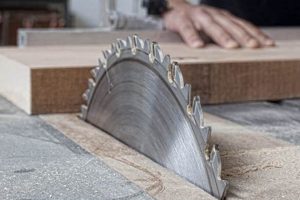
Woodworking necessitates specialized cutting implements designed for precision, efficiency, and specific tasks. These tools, broadly categorized, enable the shaping, dividing, and refining of wood materials. Ranging from hand-operated models to sophisticated power tools, each possesses unique attributes suitable for particular cuts and wood types. For example, a fine-toothed saw excels at creating smooth edges, whereas a coarser saw facilitates rapid material removal.
The selection of an appropriate cutting tool significantly impacts project outcomes. Employing the correct type enhances accuracy, reduces material waste, and minimizes operator fatigue. Historically, advancements in saw technology have paralleled the evolution of woodworking itself, leading to increasingly versatile and efficient instruments. These improvements contribute to both the speed and quality of woodworking projects.
This article will explore a range of cutting tools used in woodworking. Specifically, it will categorize and describe several distinct instrument types, providing details on their optimal applications and operational characteristics. Understanding the nuances of each instrument empowers woodworkers to make informed decisions, leading to superior craftsmanship.
Guidance on Selecting Cutting Tools for Wood
Effective utilization of appropriate cutting tools is essential for successful woodworking projects. Consideration of the wood type, cut requirements, and desired finish will optimize tool selection and work quality.
Tip 1: Prioritize Blade Sharpness. A dull blade requires more force, increases the risk of splintering, and compromises cut precision. Regular sharpening or blade replacement is paramount.
Tip 2: Match Tool Type to Cut Type. Crosscut tools are designed for cutting across the grain, while rip tools excel at cutting along the grain. Using the incorrect instrument can lead to inefficient cutting and tear-out.
Tip 3: Consider Tooth Count and Set. Higher tooth counts yield smoother finishes, while lower tooth counts facilitate faster material removal. The set of the teeth affects the width of the kerf and the saw’s ability to clear waste.
Tip 4: Evaluate Power Tool Safety Features. When using powered tools, ensure that safety guards are properly installed and functioning. Familiarize oneself with the tool’s operational characteristics and safety protocols before use.
Tip 5: Choose the Appropriate Size and Weight. Larger instruments are suitable for heavy-duty tasks, while smaller, lighter tools are more appropriate for intricate work. Select a tool that provides adequate control and minimizes fatigue.
Tip 6: Select the Appropriate Tool for Specific Joinery. Dovetail tools, for example, are specially designed for creating precise dovetail joints, whereas coping tools are ideal for creating curved profiles. Employing specialized instruments simplifies complex joinery tasks.
Tip 7: Invest in Quality Tools. While initial cost may be higher, durable, well-made instruments offer superior performance and longevity, providing a greater return on investment over time.
By carefully considering these factors, woodworkers can improve the precision, efficiency, and safety of their craft. Choosing the correct cutting implement for the job contributes significantly to the overall quality of the finished product.
The subsequent sections of this article will delve deeper into specific instrument categories and their corresponding applications, further expanding upon the foundational principles of optimal tool selection.
1. Hand Saws

Hand saws represent a foundational category within woodworking implements. Their enduring presence stems from their versatility, portability, and capacity for precise control, making them indispensable for a wide range of woodworking tasks. Understanding the various types of hand saws is essential for any practitioner seeking mastery over woodworking techniques.
- Panel Saws
Panel saws are general-purpose instruments designed for both ripping and crosscutting lumber. Their relatively long blades and coarse teeth facilitate efficient material removal, though they may not provide the finest finish. Historically, panel saws were a primary tool for preparing stock, and remain valuable for rough cuts and dimensioning lumber. Their utility exemplifies a basic capability within the spectrum of cutting tools.
- Backsaws
Backsaws, characterized by a rigid metal spine along the blade’s back, are designed for precise cuts. This spine prevents blade flexing, allowing for straighter cuts and greater control. Dovetail saws and tenon saws are specific types of backsaws used for creating intricate joinery. The backsaw is a crucial instrument for achieving accurate and refined cuts in demanding applications.
- Coping Saws
Coping saws feature a thin, easily replaceable blade stretched across a C-shaped frame. They are used for cutting curves and intricate shapes, often for fitting moldings and creating decorative elements. The ability of the coping saw to navigate complex geometries positions it as a specialized instrument within the broader range of cutting tools.
- Veneer Saws
Veneer saws are designed for cutting thin sheets of wood veneer without causing splintering or tearing. Their fine teeth and shallow set produce clean edges, essential for creating high-quality veneered surfaces. The precision required for veneer work necessitates a specialized instrument to avoid damaging the delicate material.
The diverse array of hand saws demonstrates the breadth of capabilities required in woodworking. While power tools offer speed and efficiency, hand saws continue to provide unparalleled control and precision for specific tasks. Their enduring relevance underscores the importance of understanding the distinct characteristics and applications of each instrument within the craft.
2. Power Saws
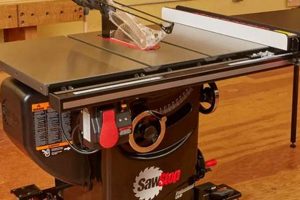
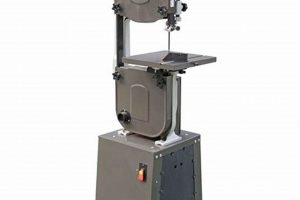
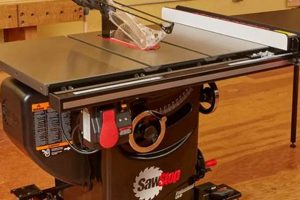
Power saws represent a significant evolution within woodworking implements, significantly impacting the efficiency and capabilities of the craft. Their integration into the broader spectrum of cutting tools has fundamentally altered project timelines and the scale of achievable woodworking endeavors. The development of power-driven instruments, such as the table saw and the bandsaw, addressed limitations inherent in manual tools, enabling faster material removal and the processing of larger stock sizes. Understanding their relationship is essential, as power saws are a crucial component within the array of tools employed by woodworkers.
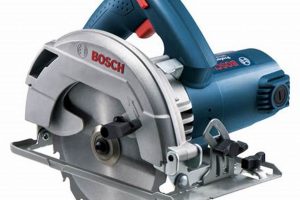
The impact of power saws is evident in modern construction and manufacturing. For instance, the framing of a residential house, a task that would have been painstakingly slow with hand tools, is now rapidly accomplished with circular saws and miter saws. Similarly, the production of furniture components on a large scale relies heavily on the precision and repeatability of table saws and CNC routers, which are themselves a sophisticated form of power saw. These examples illustrate the shift from handcraft to mechanized production facilitated by advancements in power saw technology. The use of these instruments is essential for achieving larger, more complicated projects in a timely manner.
In conclusion, power saws have revolutionized woodworking, enabling greater efficiency, precision, and scale in projects. Recognizing their capabilities and limitations relative to hand tools is critical for woodworkers to make informed decisions about tool selection. While power tools have expanded woodworking capabilities, challenges related to safety, noise levels, and the generation of dust necessitate careful operational practices. The ongoing development of power saw technology, coupled with responsible usage, will continue to shape the future of woodworking.
3. Blade Material
The material composition of a saw blade exerts a significant influence on its performance, longevity, and suitability for different woodworking tasks. The connection between blade material and the specific type of saw employed is crucial to understanding how each tool operates effectively. Different materials possess varying degrees of hardness, flexibility, and heat resistance, which directly affect the blade’s ability to cut through different wood types, maintain sharpness, and withstand the stresses of operation. The selection of appropriate material is therefore an important element of planning woodworking procedures.
- High Carbon Steel
High carbon steel blades are commonly found in many traditional hand saws. These blades can be sharpened to a fine edge, making them suitable for detailed work. However, high carbon steel is susceptible to corrosion and requires regular maintenance to prevent rust. The relative softness of the material also means the blade loses its edge faster than other materials, necessitating more frequent sharpening. An example of this material would be a dovetail saw requiring extreme sharpness.
- Alloy Steel
Alloy steel blades incorporate elements such as chromium and vanadium to enhance their hardness, toughness, and wear resistance. These blades hold an edge longer than high carbon steel blades and are less prone to corrosion. This is important for power saws, as the elevated operating temperatures would damage high-carbon alternatives. Miter saws, designed for rapid, repeated cuts, benefit from the extended sharpness and stability of alloy steel blades.
- High-Speed Steel (HSS)
High-speed steel blades are characterized by their exceptional heat resistance, allowing them to maintain their hardness at high cutting speeds. HSS blades are commonly used in metalworking saws and some power saw blades designed for cutting hardwoods or abrasive materials. A bandsaw used for resawing thick stock might employ an HSS blade to withstand the heat generated during prolonged cutting.
- Carbide-Tipped
Carbide-tipped blades feature tungsten carbide inserts brazed onto the steel body of the blade. Carbide is extremely hard and wear-resistant, allowing these blades to maintain their sharpness for extended periods, even when cutting abrasive materials like plywood or MDF. Table saws frequently utilize carbide-tipped blades because they reduce the frequency of blade changes and maintain consistent cutting performance across a range of materials.
The relationship between blade material and instrument type is essential for achieving optimal woodworking outcomes. The correct combination improves cut quality, reduces material waste, and extends the service life of the tool. For example, using a high-carbon steel blade in a high-speed power saw application would result in rapid blade dulling and potential damage, while employing a carbide-tipped blade in a hand saw would be inefficient and unnecessary due to the reduced cutting speeds. The material employed must be appropriate for the saw to maximize efficiency.
4. Tooth Configuration
Tooth configuration, a crucial attribute of all cutting instruments, directly determines the efficiency, smoothness, and overall quality of the cut in woodworking applications. The relationship between tooth configuration and the tool employed is fundamental, as differing geometries are optimized for specific tasks and materials. This inherent relationship dictates the suitability of a given instrument for ripping versus crosscutting, or for working with hardwoods versus softwoods. An example of tooth configuration affecting quality is a saw with fewer teeth producing a rougher finish, whereas a saw with many teeth produces a smooth finish. The failure to recognize and account for the influence of tooth configuration leads to suboptimal results, increased material waste, and potential damage to the workpiece.
Different tooth configurations, such as the rake angle and set, are designed to manage chip removal, reduce friction, and minimize tear-out. The rake angle, which defines the aggressiveness of the cut, is steeper for ripping saws designed to cut along the grain and shallower for crosscut saws. The set, which refers to the amount each tooth is bent to the side, creates a kerf wider than the blade body, preventing binding and facilitating waste removal. For example, a dovetail saw, designed for extremely fine work, has a minimal set and a high tooth count to produce clean, precise cuts. Conversely, a rip saw features a more aggressive set and fewer teeth per inch to efficiently remove material along the grain. An understanding of these design differences is critical for selecting the appropriate saw for a given application.
In summary, tooth configuration is a critical element defining the functionality and suitability of any cutting tool. Selecting instruments with geometries tailored to the specific task and material optimizes cutting performance and maximizes the quality of the finished product. While other factors like blade material and saw design contribute to the overall effectiveness of a cutting tool, tooth configuration remains a primary determinant of cutting performance and must be carefully considered in all woodworking applications. Ignoring the subtle differences in tooth design will lead to projects that are poorly finished and inaccurate.
5. Cut Precision

Cut precision, the degree of accuracy and minimal deviation from intended dimensions, is critically linked to tool selection in woodworking. The types of instruments employed directly dictate the achievable level of precision in a woodworking project. Discrepancies between intended dimensions and actual cuts can accumulate, leading to structural weaknesses, aesthetic flaws, and the necessity for corrective measures or material wastage. An example illustrating this relationship is the use of a table saw with a properly calibrated fence for dimensioning lumber. The parallel relationship between the blade and fence enables repeatable, accurate cuts, ensuring that components fit together as designed. Conversely, attempting to dimension lumber freehand with a circular saw would compromise precision, resulting in dimensional variations and potentially rendering components unusable. Thus, the inherent limitations of certain instruments necessitate the use of tools that align with the project’s precision requirements.
The relationship is also evident in joinery. Creating tight-fitting dovetail joints requires instruments capable of extremely precise cuts. A dovetail saw, with its fine teeth and rigid back, allows for the accurate cutting of the angled dovetail pins and tails. The narrow kerf of the blade minimizes material removal, enabling precise adjustments for a snug fit. Attempting to create dovetail joints with a coarser instrument, such as a panel saw, would compromise the accuracy of the cuts, leading to gaps, loose joints, and structural instability. Power tools, such as CNC routers, offer even greater cut precision for complex joinery, but necessitate careful programming and machine calibration. This demonstrates that the desired level of precision dictates the appropriate instrument selection and the level of skill required for its effective employment.
In summary, the relationship between cut precision and the types of woodworking instruments chosen is fundamental to achieving successful outcomes. While some instruments prioritize speed and efficiency, others excel in delivering accuracy and fine detail. The selection of cutting tools should therefore reflect the project’s specific requirements, accounting for factors such as material type, joint complexity, and desired aesthetic. Recognizing this inherent relationship minimizes errors, reduces material waste, and elevates the overall quality and craftsmanship of woodworking projects.
6. Saw Application

The appropriate selection and utilization of implements hinges upon a clear understanding of intended purpose. Application, in this context, dictates the choice of instrument within the spectrum of woodworking tools. Each class of cutting tool, from manual saws to powered machinery, is designed to perform optimally under specific operational conditions. Employing a saw in an application outside its design parameters results in diminished efficiency, compromised precision, or potential tool damage. For instance, using a rip saw for crosscutting produces a rough and inefficient cut due to the tooth geometry optimized for longitudinal grain separation. Thus, saw application is a determining component in maximizing efficacy.
Consider the construction of a cabinet as a practical illustration. A table saw is employed for the accurate dimensioning of sheet goods, ensuring consistent panel sizes. A miter saw creates precise angled cuts for frame components. A bandsaw shapes curved elements, and a dovetail saw allows for the creation of joinery. Each of these instruments is selected based on its capacity to perform a specific function with the required accuracy. Similarly, in flooring installation, a circular saw facilitates quick cuts along straight lines, while a jigsaw navigates complex patterns around pipes and fixtures. These examples highlight the integral link between the intended application and the choice of a particular saw. Understanding saw application prevents not only tool misuse but also subpar results.
In summary, selecting a saw based on its intended purpose is critical for achieving optimal outcomes in woodworking. Application forms a cornerstone in the effective utilization of cutting tools. It defines instrument choice, method of operation, and the expected quality of the finished product. The challenges of tool selection often stem from a lack of comprehension regarding application-specific capabilities. A meticulous assessment of the task at hand allows for the selection of instruments and ensures that woodworking endeavors are executed both efficiently and accurately. The effective utilization of the right saw is therefore an embodiment of skill and comprehension.
7. Safety Measures

The operation of instruments in woodworking presents inherent risks that necessitate stringent safety protocols. The relationship between safety measures and the specific type of instrument being used is critical, as each saw possesses unique operational characteristics that demand tailored precautions. A comprehensive understanding of these safety measures minimizes the potential for injury and ensures a secure working environment.
- Personal Protective Equipment (PPE)
The utilization of appropriate PPE, including safety glasses, hearing protection, and dust masks, is essential when operating any instrument. Safety glasses shield eyes from flying debris, preventing potential eye injuries. Hearing protection mitigates the harmful effects of prolonged exposure to loud noises. Dust masks filter airborne particles, reducing respiratory irritation. The specific type of PPE may vary depending on the instrument used. For instance, when operating a table saw, a full face shield may be recommended in addition to safety glasses to provide enhanced protection against kickback.
- Machine Guarding and Setup
Proper machine guarding is fundamental to preventing accidental contact with moving parts. All safety guards must be in place and functioning correctly before operating an instrument. Furthermore, the setup of the instrument must be appropriate for the intended task. For example, the blade height on a table saw should be set to expose only the minimum necessary portion of the blade above the workpiece. Failure to adhere to these guidelines can lead to severe injuries, including lacerations, amputations, and even fatalities.
- Safe Operating Procedures
Adhering to safe operating procedures is paramount when using any instrument. These procedures typically include maintaining a firm grip on the workpiece, keeping hands clear of the blade path, and avoiding distractions. Specific operating procedures vary depending on the type of instrument. For instance, when using a bandsaw, the operator should avoid forcing the material through the blade, as this can lead to blade breakage and potential injury. A clear understanding and consistent application of these procedures is crucial for preventing accidents.
- Emergency Preparedness
Developing an emergency preparedness plan is a proactive measure that minimizes the consequences of accidents. This plan should include knowledge of the location of first aid kits, emergency contact information, and procedures for shutting down equipment in the event of an incident. Regular safety training and drills ensure that all personnel are familiar with emergency procedures. The prompt and effective response to accidents is vital for minimizing the severity of injuries and preventing further complications.
The successful integration of safety measures into woodworking practices requires a commitment to continuous learning, adherence to established protocols, and a proactive approach to identifying and mitigating potential hazards. Safety is not a static concept, but rather an evolving practice that must adapt to new technologies, techniques, and operational environments. Emphasizing its importance is vital in a woodworking setting.
Frequently Asked Questions on Woodworking Implements
The following section addresses common inquiries regarding the selection and application of woodworking implements. These questions and answers are intended to provide concise and informative guidance for practitioners.
Question 1: What factors determine the appropriate type of instrument for a given woodworking task?
The material being cut, the required precision, and the complexity of the cut are the primary factors. Hardwoods necessitate blades with greater durability, while intricate joinery demands implements with exceptional control.
Question 2: How does blade material impact the performance and longevity of cutting instruments?
Blade material affects sharpness, wear resistance, and heat tolerance. High-carbon steel blades excel in sharpness but dull quickly, while carbide-tipped blades offer extended durability, though at a higher cost.
Question 3: What is the significance of tooth configuration in determining cut quality?
Tooth configuration influences the smoothness and efficiency of the cut. Crosscut saws feature teeth designed to sever wood fibers cleanly, while rip saws have teeth optimized for efficient material removal along the grain.
Question 4: How can cut precision be maximized in woodworking projects?
Cut precision is maximized through the use of appropriate instruments, sharp blades, and precise measurement techniques. Furthermore, jigs and fixtures can enhance accuracy and repeatability.
Question 5: What are the essential safety precautions when operating woodworking instruments?
Essential safety precautions include wearing appropriate personal protective equipment (PPE), ensuring proper machine guarding, adhering to safe operating procedures, and maintaining a state of alertness.
Question 6: What are the differences between hand saws and power saws in terms of application and advantages?
Hand saws offer greater control and portability, making them suitable for intricate work and remote locations. Power saws increase efficiency and are preferred for large-scale projects and repetitive cuts.
These questions and answers provide a foundational understanding of key considerations in the selection and utilization of woodworking instruments. Further exploration of specific instrument types and techniques is recommended for advanced practitioners.
The following section presents a glossary of terms related to woodworking implements.
Conclusion
The preceding exploration of cutting instruments in woodworking underscores the diversity and specialization inherent within the craft. From manual saws demanding precision to powered machines prioritizing efficiency, each instrument occupies a distinct niche. Effective instrument selection, guided by factors such as material properties, cut requirements, and safety protocols, is paramount for achieving optimal project outcomes. The integration of appropriate instruments, coupled with a comprehensive understanding of their operational characteristics, enables woodworkers to execute tasks with both accuracy and proficiency. Proper saw selection is critical to a successful project.
Continued advancements in instrument technology, encompassing both design and material science, hold the potential to further refine woodworking capabilities. The pursuit of enhanced precision, improved ergonomics, and increased safety remains a driving force in instrument development. Mastery of woodworking principles, combined with a commitment to responsible instrument utilization, will ensure the continued evolution and appreciation of this enduring craft. This exploration has highlighted the importance of understanding and utilizing saws effectively, making woodworking more enjoyable and professional.