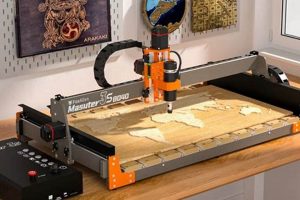
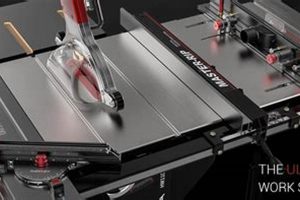
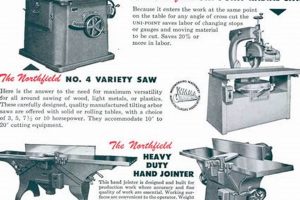
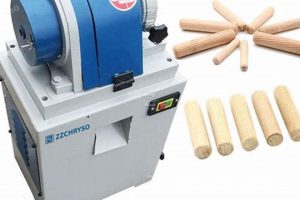
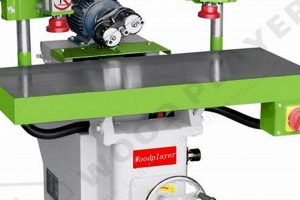
The document outlines the responsibilities, skills, and qualifications required for an individual who operates machinery to shape and form wood products. As an example, this documentation might detail the operation of saws, lathes, sanders, and routers to create furniture components, architectural millwork, or other wooden items, specifying tasks such as setting up machines, performing maintenance, and ensuring quality control.
Clear specifications are vital because they establish expectations for performance, facilitating effective hiring, training, and performance evaluations. Such descriptions also provide a framework for workplace safety, ensuring operators understand potential hazards and adhere to safety protocols. Historically, these documents have evolved from simple task lists to comprehensive outlines reflecting increased automation and regulatory compliance within the woodworking industry.
The following sections will delve into the core elements commonly found within such specifications, including key responsibilities, essential skills, required qualifications and training, and the overall work environment.
Tips for Crafting an Effective Document Outlining Woodworking Machine Operator Responsibilities
The following tips aim to assist in the creation of a precise and informative document detailing woodworking machine operator duties, facilitating clarity for both employers and prospective employees.
Tip 1: Define Scope of Work Precisely: The document should delineate the specific machines the operator is expected to handle, such as CNC routers, edgebanders, or saws. A clear definition minimizes ambiguity and sets realistic expectations.
Tip 2: Emphasize Safety Protocols: Dedicate a significant portion to detailing safety procedures, including mandatory PPE (Personal Protective Equipment) requirements, machine guarding guidelines, and emergency shutdown procedures. Prioritizing safety mitigates workplace accidents.
Tip 3: Specify Quality Control Expectations: Clearly articulate the standards for finished products, including acceptable tolerances, surface finish requirements, and defect identification criteria. Consistent quality control ensures customer satisfaction.
Tip 4: Outline Maintenance Responsibilities: Indicate the level of maintenance expected from the operator, ranging from basic cleaning and lubrication to minor repairs and troubleshooting. Regular maintenance prolongs machine lifespan and reduces downtime.
Tip 5: Include Required Skills and Qualifications: State the necessary technical skills, such as blueprint reading, CAD/CAM proficiency, and knowledge of wood types and properties. Clearly defining qualifications attracts suitable candidates.
Tip 6: Detail Physical Requirements: Accurately describe the physical demands of the position, including lifting capacity, standing duration, and exposure to noise and dust. This transparency helps ensure candidate suitability and reduces the risk of injuries.
Tip 7: Mention Reporting Structure: Clearly define to whom the operator reports and the frequency of performance reviews. A well-defined reporting structure promotes accountability and facilitates effective communication.
Adhering to these suggestions fosters the development of a comprehensive outline of woodworking machine operator responsibilities, thereby promoting efficiency, safety, and product quality.
The subsequent section provides an overview of the typical responsibilities outlined within these documents.
1. Responsibilities

The responsibilities section of a woodworking machine operator specification constitutes the core of the document, delineating the specific tasks and duties the individual is expected to perform. This section provides a concrete understanding of the daily activities and performance expectations associated with the position.
- Machine Operation and Setup
This facet includes setting up, operating, and monitoring woodworking machinery such as saws, routers, sanders, and planers. For example, an operator might be responsible for adjusting blade heights on a table saw or programming a CNC router to cut specific shapes. The implications involve ensuring the machine operates safely and produces parts to the required specifications.
- Material Handling and Preparation
This involves selecting, inspecting, and preparing wood materials for processing. An operator might need to assess wood for defects, cut it to the appropriate size, or load it onto a machine. Accuracy in material handling directly impacts the quality of the final product and reduces material waste.
- Quality Control and Inspection
This facet encompasses inspecting finished products for defects, verifying dimensions, and ensuring adherence to quality standards. An operator might use calipers, gauges, or visual inspection techniques to identify imperfections. Consistent quality control is critical for maintaining product consistency and meeting customer expectations.
- Maintenance and Troubleshooting
This includes performing routine maintenance tasks on machinery, such as cleaning, lubricating, and replacing worn parts. Operators may also be required to troubleshoot minor mechanical issues. Proactive maintenance minimizes downtime and extends the lifespan of the equipment.
Collectively, these facets within the responsibilities section of a woodworking machine operator specification provide a comprehensive overview of the role’s duties. A clearly defined section enables candidates to understand the demands of the position and allows employers to evaluate performance against established criteria. Furthermore, it acts as a foundation for developing training programs and ensuring workplace safety.
2. Skills

The skills section of a woodworking machine operator description outlines the competencies and abilities required for successful performance. These skills serve as critical indicators of an individual’s suitability for the role, ensuring they can effectively and safely operate machinery, produce quality products, and contribute to overall operational efficiency.
- Machine Operation Proficiency
This entails a comprehensive understanding of the specific machinery used, including saws, routers, sanders, and planers. For example, an operator must be able to adjust machine settings, load materials correctly, and monitor performance to ensure accurate cuts and smooth finishes. This proficiency directly impacts production speed and the quality of finished goods.
- Blueprint Reading and Interpretation
This skill requires the ability to accurately interpret technical drawings and specifications to determine the dimensions, shapes, and features of wood components. An operator might use blueprints to guide the cutting and shaping of parts for furniture or architectural millwork. Accurate interpretation minimizes errors and ensures adherence to design requirements.
- Measurement and Precision
This involves the use of measuring tools such as calipers, micrometers, and rulers to ensure that finished products meet precise dimensional requirements. For instance, an operator must be able to measure wood components to within a fraction of an inch to guarantee proper fit and function. Consistent precision contributes to product quality and reduces the likelihood of rework.
- Problem-Solving and Troubleshooting
This skill allows operators to identify and resolve issues that arise during the machining process, such as machine malfunctions, material defects, or dimensional inaccuracies. An operator might troubleshoot a misaligned saw blade or identify the cause of tear-out in a wood surface. Effective problem-solving minimizes downtime and prevents production delays.
The aforementioned skills are essential for woodworking machine operators and contribute significantly to their ability to perform their duties effectively. A well-defined skills section in the job description helps employers identify qualified candidates and provides applicants with a clear understanding of the competencies required for success in the role. These skills collectively influence productivity, quality control, and workplace safety.
3. Qualifications
The qualifications section of a woodworking machine operator description specifies the formal education, certifications, and training deemed necessary for an individual to successfully perform the job’s duties. These qualifications ensure that candidates possess a foundational understanding of woodworking principles, safety procedures, and machine operation techniques.
- Educational Requirements
This typically includes a high school diploma or equivalent, providing a base level of literacy and numeracy. Some employers may prefer candidates with vocational training or associate degrees in woodworking or related fields. Formal education provides a structured learning environment and imparts theoretical knowledge essential for understanding complex machining processes. For example, a course in woodworking technology would cover topics such as wood properties, joinery techniques, and machine maintenance. Lack of formal education can hinder an operator’s ability to interpret technical drawings or troubleshoot machine problems effectively.
- Certifications and Licenses
Specific certifications, such as those related to forklift operation or hazardous material handling, may be required depending on the workplace environment and the materials used. Certification demonstrates a commitment to safety and proficiency in specific areas. For instance, a certification in operating a specific type of CNC machine validates the operator’s ability to program and operate the equipment safely and efficiently. These credentials enhance a candidate’s marketability and assure employers of their competence.
- Experience Level
The amount of relevant experience required varies depending on the complexity of the machinery and the products being manufactured. Entry-level positions may require minimal experience, while more advanced roles may necessitate several years of experience operating specific types of woodworking equipment. Practical experience allows operators to develop a deeper understanding of machine capabilities, material behavior, and troubleshooting techniques. For instance, an experienced operator can anticipate potential problems based on subtle changes in machine noise or vibration.
- Training Programs
Many employers provide on-the-job training programs to familiarize new operators with specific machinery and safety protocols. These programs may cover topics such as machine setup, operation, maintenance, and quality control. Structured training ensures that operators adhere to established procedures and maintain consistent performance standards. For example, a training program might include hands-on practice with different types of wood and machining techniques, as well as instruction on how to interpret safety manuals and follow lockout/tagout procedures.
In summary, the qualifications outlined in a woodworking machine operator description serve as a benchmark for assessing a candidate’s suitability for the role. These qualifications, encompassing education, certifications, experience, and training, collectively influence the operator’s ability to perform their duties safely and effectively, contribute to product quality, and maintain operational efficiency.
4. Experience

Experience constitutes a crucial element within a woodworking machine operator description, directly influencing both the quality and efficiency of production. The practical experience section delineates the specific types and duration of work-related activities expected of the candidate. This specification functions as a filter, ensuring applicants possess a requisite level of familiarity with woodworking machinery and processes. For example, a requirement of three years’ experience operating CNC routers directly suggests a candidate’s proven ability to program, set up, and troubleshoot these complex machines.
Insufficient practical knowledge can lead to errors, waste, and safety hazards. Conversely, seasoned operators with extensive experience often demonstrate superior problem-solving skills and the ability to adapt to varying production demands. Consider a scenario where an experienced operator quickly identifies a subtle misalignment in a blade, preventing a significant production run of defective parts. This proactive intervention saves time, resources, and potential damage to equipment. The experience requirement reflects the employer’s need to minimize onboarding time and immediately leverage the operator’s expertise.
In summary, a well-defined practical exposure section within a woodworking machine operator description serves as a critical indicator of a candidate’s readiness and potential contribution. A realistic yet rigorous experience requirement acts as a safeguard against costly errors and ensures that operators possess the practical skills necessary to maintain productivity, quality, and safety standards. This component remains indispensable for effectively matching individuals to the demands of the position and the overall goals of the organization.
5. Safety Protocols

Safety protocols constitute an integral element within woodworking machine operator specifications, forming the foundation for a secure and compliant working environment. These protocols aim to mitigate the inherent risks associated with operating heavy machinery and handling potentially hazardous materials.
- Personal Protective Equipment (PPE)
The mandatory use of PPE, including safety glasses, hearing protection, and respirators, serves as a primary defense against workplace injuries. For example, safety glasses protect against flying debris, while hearing protection reduces the risk of noise-induced hearing loss. Non-compliance with PPE requirements directly increases the likelihood of accidents and long-term health problems.
- Machine Guarding and Interlocks
Effective machine guarding and interlock systems prevent accidental contact with moving parts, minimizing the risk of amputation or crushing injuries. For instance, blade guards on saws and interlocks on planers ensure that machines cannot operate unless all safety devices are properly engaged. Neglecting to maintain or bypass these safeguards can result in severe physical harm.
- Lockout/Tagout Procedures
Strict adherence to lockout/tagout procedures during maintenance and repair operations prevents the unexpected startup of machinery, safeguarding workers from electrocution or mechanical injuries. For example, isolating power sources and applying locks and tags to control panels ensures that equipment remains de-energized during servicing. Failure to follow these procedures has historically resulted in fatal accidents.
- Emergency Procedures and First Aid
Comprehensive emergency procedures, including clearly marked evacuation routes and readily accessible first aid kits, facilitate a swift and effective response to accidents or medical emergencies. Regular drills and training sessions ensure that operators are prepared to handle various scenarios, such as fires, chemical spills, or injuries. A well-defined emergency response plan can significantly reduce the severity of accidents and minimize potential harm.
In essence, the safety protocols delineated within the outline of a woodworking machine operator’s role serve as a non-negotiable framework for ensuring worker well-being and regulatory compliance. Rigorous adherence to these protocols is paramount for creating a safe and productive work environment, minimizing the risk of accidents, and protecting operators from potential harm.
6. Physical Demands

The “Physical Demands” section of a woodworking machine operator’s role specification details the physical requirements essential for successful job performance. This segment is critical in ensuring that potential candidates are physically capable of meeting the demands of the position, promoting workplace safety and minimizing the risk of injuries.
- Lifting and Carrying
This facet involves the ability to lift and carry heavy materials, such as lumber, finished products, or machine components. Operators may be required to lift items weighing up to 50 pounds or more. The implication is that candidates must possess adequate strength and stamina to safely handle these loads, preventing back injuries and other musculoskeletal disorders. A woodworking machine operator may need to lift a stack of lumber onto a workbench or carry a finished cabinet to a loading area.
- Standing and Walking
The position often requires prolonged periods of standing and walking, particularly during machine operation and material handling. Operators may spend several hours on their feet, moving between machines, workstations, and storage areas. The implications necessitate candidates with sufficient endurance and physical conditioning to withstand these demands, reducing fatigue and preventing foot or leg problems. For example, an operator may stand for an entire shift while monitoring a CNC router or inspecting finished parts.
- Bending and Stooping
Woodworking machine operators frequently bend and stoop to access materials, adjust machine settings, or perform maintenance tasks. These movements may involve awkward postures and repetitive motions. The implications suggest candidates must have flexibility and range of motion to perform these tasks without strain, minimizing the risk of lower back pain and other injuries. An operator might bend down to retrieve a dropped tool or stoop to inspect the underside of a woodworking project.
- Manual Dexterity and Hand-Eye Coordination
Precise hand-eye coordination and manual dexterity are essential for operating machinery, manipulating materials, and performing intricate tasks. Operators must be able to grasp, grip, and manipulate small objects with accuracy and control. The implication is that candidates need fine motor skills to ensure precise alignment and secure fastening of wood components, preventing errors and maintaining product quality. A woodworking machine operator might use a screwdriver to attach hardware to a cabinet door or adjust the settings on a precision saw.
These facets of physical requirements are interconnected. Without sufficient lifting capacity, operators are less likely to uphold expected levels of productivity. Similarly, limited endurance would impact ability to perform the standing and walking duties. In conclusion, the “Physical Demands” section within a woodworking machine operator outline serves as a vital tool for assessing candidates’ physical capabilities and promoting a safe and productive work environment.
7. Compensation

The “Compensation” element within a woodworking machine operator’s specification directly correlates with the required skills, experience, and physical demands outlined in the document. A higher skill set, demonstrated proficiency with advanced machinery such as CNC routers, and the need for specialized certifications (e.g., forklift operation) typically justify a higher compensation package. The level of physical exertion, as detailed in the “Physical Demands” section (e.g., heavy lifting, prolonged standing), also influences the offered wage, reflecting the inherent labor intensity of the role. For instance, an operator responsible for programming and maintaining complex machinery in addition to operating it may command a higher salary than an operator primarily focused on basic machine operation. Conversely, positions requiring minimal experience and involving repetitive, less physically demanding tasks will generally offer lower compensation.
The importance of clearly defining compensation within the job description stems from its impact on attracting and retaining qualified candidates. A competitive compensation package signals the employer’s value for the operator’s expertise and commitment. Failure to offer a market-competitive wage risks attracting less skilled or experienced individuals, potentially impacting product quality, safety, and overall operational efficiency. Real-world examples demonstrate this principle: Companies offering above-average compensation often experience lower employee turnover rates and attract a larger pool of qualified applicants. This allows employers to be more selective, ultimately benefiting from a more skilled and motivated workforce.
In summary, compensation is inextricably linked to the multifaceted requirements detailed in the woodworking machine operator description. It serves as a critical tool for attracting and retaining talent, reflecting the value placed on specific skills, experience, and physical demands. A well-structured compensation strategy, aligned with market rates and internal equity, is essential for ensuring the ongoing operational success of woodworking businesses. Challenges arise when employers underestimate the true market value of skilled operators or fail to account for the physical intensity of the work. Addressing these challenges requires diligent market research and a commitment to fair compensation practices.
Frequently Asked Questions Regarding Woodworking Machine Operator Specifications
This section addresses common inquiries pertaining to woodworking machine operator specifications, providing concise and informative answers.
Question 1: What is the primary purpose of outlining responsibilities in a woodworking machine operator specification?
The primary purpose is to clearly define the specific tasks and duties the operator is expected to perform, ensuring both the employer and employee have a shared understanding of job expectations.
Question 2: Why is emphasizing safety protocols vital in such descriptions?
Highlighting safety measures is crucial due to the inherent risks associated with operating woodworking machinery, thus mitigating workplace accidents and ensuring regulatory compliance.
Question 3: How does the skills section impact hiring decisions?
The skills section serves as a benchmark for assessing a candidate’s suitability for the role, enabling employers to identify individuals with the necessary competencies.
Question 4: What is the importance of specifying physical demands in a woodworking machine operator listing?
Detailing the physical requirements of the position helps ensure that candidates are physically capable of meeting job demands, promoting workplace safety and reducing the risk of injuries.
Question 5: How does experience level impact the scope of responsibilities expected from the operator?
The amount of relevant experience typically correlates with the complexity of tasks assigned, with more experienced operators often handling more advanced machinery and troubleshooting responsibilities.
Question 6: What key elements influence the compensation offered to a woodworking machine operator?
Compensation is influenced by factors such as skills, experience, certifications, and the physical demands associated with the role, reflecting the value placed on operator expertise and labor intensity.
In summary, comprehensive descriptions are essential for establishing clear expectations, promoting workplace safety, and attracting qualified candidates.
The subsequent section will provide a closing summary.
Conclusion
This exploration of the “woodworking machine operator job description” underscores its fundamental role in defining expectations, ensuring safety, and attracting qualified personnel within the woodworking industry. The comprehensive delineation of responsibilities, skills, qualifications, physical demands, and compensation serves as a cornerstone for effective human resource management. A well-crafted document minimizes ambiguity, promotes a safer work environment, and facilitates the recruitment of individuals possessing the requisite competencies for success.
Moving forward, the continued refinement of these specifications, adapting to technological advancements and evolving industry standards, will remain paramount. Employers are encouraged to prioritize clarity and comprehensiveness in their documents, recognizing that a precise and informative “woodworking machine operator job description” is an investment in operational efficiency, employee well-being, and long-term organizational success. Neglecting this critical aspect risks compromising quality, safety, and the overall competitiveness of woodworking enterprises.