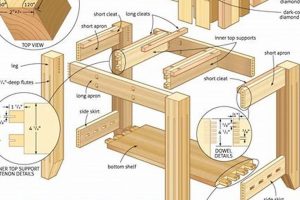
Small-space craftsmanship refers to woodworking activities undertaken within the limited confines of apartments or similar compact living spaces. These activities often involve the creation of smaller, functional items or decorative pieces tailored to the dimensions of the dwelling. Examples include building shelving units, crafting picture frames, or constructing small tables designed for use in restricted areas.
The significance of engaging in such activities stems from several factors. They offer an opportunity for creative expression and skill development. The practice can also provide cost-effective solutions for furnishing and organizing living spaces, and it offers a sense of accomplishment and personalization in a rental environment. Historically, adapting crafts to smaller living spaces has been a necessity for urban dwellers seeking to customize their homes.
The following sections will explore essential considerations for engaging in woodworking within an apartment setting, encompassing tool selection, safety protocols, noise mitigation strategies, and project ideas suitable for limited workspaces. Detailed attention will be given to resourcefulness in space management and the adoption of techniques that minimize disruption to neighbors.
Essential Tips for Apartment Woodworking Projects
Engaging in woodworking within apartment settings requires careful planning and consideration to ensure safety, minimize disruption, and maximize the use of limited space. The following guidelines offer practical advice for executing woodworking projects successfully in such environments.
Tip 1: Prioritize Tool Selection: Invest in compact, multi-functional tools suitable for small spaces. Cordless options are preferable to reduce tripping hazards. Hand tools should be considered to minimize noise.
Tip 2: Implement Dust Control Measures: Use a shop vacuum with a HEPA filter to capture sawdust at the source. Consider enclosing the workspace with plastic sheeting to contain dust and debris.
Tip 3: Utilize Portable Work Surfaces: Employ folding workbenches or sawhorses to provide a stable work area that can be easily stored when not in use. Tabletop vises can also provide secure holding for smaller pieces.
Tip 4: Schedule Work Respectfully: Limit woodworking activities to reasonable hours, avoiding early mornings and late evenings, to minimize noise disturbance to neighbors. Communication with neighbors is advisable.
Tip 5: Focus on Smaller Projects: Choose projects appropriate for the available space and skill level. Examples include small shelving units, picture frames, or custom storage solutions designed for apartment living.
Tip 6: Employ Noise Reduction Techniques: Use sound-dampening mats under power tools and consider insulating the workspace with soundproof blankets or panels. Avoid hammering directly on hard surfaces.
Tip 7: Adhere to Safety Protocols: Wear appropriate personal protective equipment (PPE), including safety glasses, dust masks, and hearing protection. Ensure adequate ventilation when working with finishes or adhesives.
By implementing these strategies, apartment dwellers can enjoy the benefits of woodworking while minimizing potential drawbacks and ensuring a safe and considerate environment. Successful execution of small-space woodworking hinges on meticulous planning and responsible practice.
The following section will delve into specific project ideas tailored for apartment woodworking projects, considering space constraints and the availability of resources.
1. Space Optimization

Space optimization is a critical component of successful apartment woodworking projects. The limited square footage typical of apartment living necessitates a strategic approach to workflow and material storage. Without careful planning, woodworking activities can quickly become disruptive and impractical due to space constraints. Consequently, the successful execution of woodworking projects in apartments is directly contingent upon the efficient use of available area.
The connection between space optimization and apartment woodworking is evident in several practical scenarios. For instance, utilizing foldable workbenches or mobile tool storage units enables the rapid conversion of a living area into a temporary workshop and back. Vertical storage solutions, such as wall-mounted shelves or pegboards, maximize storage capacity without consuming valuable floor space. Furthermore, selecting project designs that are inherently compact or modular allows for the creation of functional items that fit seamlessly within the confines of the apartment. For example, constructing a narrow console table that fits flush against a wall or building stackable storage crates optimizes limited space while adding functionality.
In conclusion, space optimization is not merely a desirable attribute but an essential prerequisite for engaging in woodworking within apartment settings. By implementing strategic planning, utilizing adaptable equipment, and selecting space-conscious designs, apartment dwellers can effectively overcome spatial limitations and enjoy the rewards of woodworking without compromising the functionality and comfort of their living environment. The failure to adequately address space optimization can lead to inefficient workflows, increased clutter, and potential safety hazards, ultimately hindering the success of the woodworking projects.
2. Tool Suitability

Tool suitability constitutes a crucial determinant in the feasibility and success of woodworking activities within apartment environments. The confined spaces and inherent limitations of apartment living necessitate a careful evaluation of tool selection based on size, noise output, dust generation, and power requirements. The employment of inappropriate tools can lead to inefficiency, increased risk of accidents, and disturbances to neighbors, thereby undermining the viability of apartment woodworking projects.
The consequences of neglecting tool suitability are multifaceted. For example, utilizing large, stationary power tools designed for spacious workshops can overwhelm limited apartment spaces, creating safety hazards and hindering maneuverability. Tools with high noise levels, such as planers or routers, can generate disruptive noise pollution, leading to complaints and potential lease violations. Similarly, tools that produce excessive sawdust without adequate dust collection mechanisms can compromise air quality and create cleaning burdens. Conversely, the selection of compact, portable, and low-noise tools, such as hand saws, cordless drills, and orbital sanders with integrated dust collection, promotes a safer, more efficient, and less disruptive woodworking experience within apartment settings. For instance, opting for a Japanese pull saw over a traditional western saw can significantly reduce noise and effort while maintaining precision in cutting tasks.
In summary, tool suitability is not merely a matter of convenience but a fundamental requirement for responsible and effective woodworking within apartment environments. By carefully considering the specific constraints and challenges posed by limited space and noise sensitivity, apartment dwellers can select tools that facilitate project completion while minimizing negative impacts on their living environment and their neighbors. A practical understanding of tool suitability, therefore, is essential for ensuring the sustainability and enjoyment of woodworking as a hobby or a functional activity within apartment residences.
3. Dust Management
Effective dust management is a non-negotiable aspect of woodworking activities performed in apartment settings. The confined nature of such spaces, coupled with the proximity to neighbors, necessitates rigorous protocols to mitigate the health hazards and nuisances associated with woodworking dust. A comprehensive dust management strategy directly impacts the feasibility and sustainability of these projects.
- Health Implications
Wood dust, classified as a known human carcinogen, poses significant respiratory risks. Inhaling fine particles can lead to irritation of the airways, allergic reactions, and in some cases, chronic respiratory diseases. Apartment dwellers, already confined to indoor spaces, are particularly vulnerable due to the concentration of dust particles within the dwelling. Effective dust management aims to minimize exposure and protect the health of residents.
- Equipment Selection and Usage
The choice of woodworking equipment directly influences dust generation. Power tools, such as sanders and saws, are prolific producers of fine dust. Integrating dust collection systems at the point of origin is critical. This involves utilizing tools equipped with dust ports and connecting them to a shop vacuum with a HEPA filter. Alternative tools, such as hand planes, may generate less airborne dust.
- Containment Strategies
Physical barriers and airflow management can help contain dust within a designated work area. Plastic sheeting can be used to create a temporary enclosure, preventing the spread of dust to other parts of the apartment. Strategic placement of fans can establish directed airflow, channeling dust towards collection points. Sealing gaps around doors and windows further restricts the dispersal of airborne particles.
- Cleaning and Disposal Protocols
Regular and thorough cleaning is essential for removing accumulated dust. Vacuuming with a HEPA-filtered vacuum cleaner is preferable to sweeping, which can stir up dust particles. Surfaces should be wiped down with damp cloths. Sawdust and wood scraps must be disposed of properly, sealed in bags, to prevent dust from escaping during transport to a disposal area.
The success of apartment woodworking projects is intrinsically linked to the effectiveness of dust management practices. Neglecting this aspect not only jeopardizes the health and well-being of residents but also risks straining relationships with neighbors and potentially violating lease agreements. A proactive and comprehensive approach to dust management is, therefore, a prerequisite for responsible and sustainable apartment woodworking.
4. Noise Reduction

Noise reduction is a critical consideration when undertaking woodworking projects within apartment settings. The inherent sounds generated by woodworking activities, such as sawing, hammering, and sanding, can easily transmit through shared walls and floors, potentially disrupting neighbors and violating noise ordinances. The absence of effective noise mitigation strategies can lead to conflicts, complaints, and ultimately, the curtailment of woodworking endeavors within the apartment. Therefore, noise reduction is not merely a courtesy but a necessity for sustainable apartment woodworking projects.
The connection between noise reduction and successful apartment woodworking is demonstrable through various practical scenarios. For example, employing hand tools instead of power tools significantly reduces noise levels. Using rubber mallets instead of metal hammers dampens impact sounds. Placing sound-dampening mats beneath power tools minimizes vibrations transmitted through the floor. Constructing a soundproof enclosure around a workbench can further contain noise emissions. Scheduling woodworking activities during daytime hours, when ambient noise levels are typically higher, also minimizes disruption. A tangible illustration is an apartment dweller who utilizes a portable bandsaw instead of a table saw. The portable bandsaw produces less noise and vibration, reducing disturbances to neighboring units. This proactive approach to noise reduction allows the individual to pursue woodworking projects without causing undue disruption.
In summary, noise reduction is an indispensable component of responsible apartment woodworking projects. By implementing appropriate noise mitigation techniques, apartment dwellers can minimize disturbances to neighbors, foster positive relationships within their community, and ensure the continued viability of their woodworking pursuits. Failure to address noise concerns can have detrimental consequences, ranging from strained neighborly relations to legal ramifications. Proactive noise reduction, therefore, represents a fundamental element of successful and ethical apartment woodworking.
5. Project Scale

Project scale is a pivotal determinant in the viability and success of apartment woodworking projects. The limited space and resources typical of apartment living environments necessitate careful consideration of project dimensions, complexity, and material requirements. Neglecting to appropriately scale projects can lead to logistical challenges, spatial constraints, and an increased risk of safety hazards.
- Physical Dimensions
The physical dimensions of a project must align with the available workspace and storage capacity within the apartment. Large-scale projects, such as constructing a full-sized dining table, may be impractical due to space limitations. Smaller projects, such as building shelves or crafting picture frames, are more suitable. The physical footprint of the project during construction, as well as its final form, must be considered.
- Material Volume
The volume of materials required for a project directly impacts storage needs and handling logistics. Projects involving significant quantities of lumber, sheet goods, or hardware can quickly overwhelm limited apartment storage space. Sourcing materials in smaller quantities or opting for projects that utilize readily available and compact materials can mitigate these challenges.
- Complexity and Time Commitment
Project complexity influences the time and skill required for completion. Intricate projects involving advanced joinery or specialized techniques may be challenging to execute within the constraints of apartment living. Simpler projects with straightforward construction methods are often more manageable. The anticipated time commitment must also be realistic, considering potential interruptions and the need to balance woodworking activities with other aspects of apartment living.
- Tool Requirements
Project scale correlates directly with the types and quantity of tools required. Large-scale projects may necessitate the use of larger, more powerful tools, which may not be suitable for apartment environments due to space limitations or noise concerns. Scaling down projects allows for the use of smaller, more compact tools, minimizing spatial and auditory impact.
The interplay of these facets underscores the importance of carefully assessing project scale in relation to the constraints of apartment living. Choosing projects that are appropriately scaled to the available space, resources, and skill level is essential for ensuring a safe, manageable, and enjoyable woodworking experience within the confines of an apartment. A failure to consider project scale can result in logistical obstacles, safety hazards, and ultimately, the abandonment of the project altogether.
6. Safety Precautions

Implementing comprehensive safety precautions is paramount for individuals engaging in woodworking activities within apartment environments. The limited space, shared living conditions, and potential for noise and dust generation necessitate strict adherence to safety protocols to protect the well-being of the woodworker and their neighbors. The following facets outline essential considerations for mitigating risks associated with apartment woodworking projects.
- Personal Protective Equipment (PPE)
The use of appropriate PPE is non-negotiable. Safety glasses or goggles are mandatory to protect eyes from flying debris. Dust masks or respirators are essential to prevent the inhalation of fine wood particles, which can cause respiratory irritation and long-term health problems. Hearing protection, such as earplugs or earmuffs, is crucial when operating power tools to prevent noise-induced hearing damage. The consistent and correct application of PPE is a foundational element of woodworking safety.
- Fire Safety Measures
Woodworking activities involve the use of flammable materials, such as wood dust, sawdust, and finishing products. Maintaining a clean and organized workspace reduces the risk of accidental fires. A readily accessible fire extinguisher, specifically rated for Class A fires (ordinary combustibles), is an indispensable safety measure. Furthermore, understanding proper storage procedures for flammable liquids and ensuring adequate ventilation during finishing operations are critical components of fire safety within apartment woodworking projects.
- Electrical Safety
Woodworking power tools pose electrical hazards. Inspecting power cords for damage before each use is essential. Using Ground Fault Circuit Interrupters (GFCIs) provides protection against electrical shock in the event of a fault. Avoiding the use of extension cords whenever possible and ensuring that all electrical connections are secure reduces the risk of electrical fires and injuries. Safe electrical practices are a core element of responsible woodworking.
- Tool Safety and Maintenance
Maintaining woodworking tools in good working order is vital for safe operation. Sharp tools are safer than dull tools, as they require less force and are less likely to slip. Regularly inspecting tools for damage and performing routine maintenance, such as cleaning and lubrication, prolongs tool life and reduces the risk of malfunctions. Understanding the operating instructions for each tool and adhering to manufacturer’s recommendations are crucial for preventing accidents.
These safety precautions are not merely suggestions but essential protocols for responsible woodworking within apartment settings. The limited space and shared living environment demand a heightened awareness of potential risks and a proactive approach to mitigating hazards. Consistent adherence to these safety guidelines minimizes the likelihood of accidents, injuries, and disturbances to neighbors, fostering a sustainable and enjoyable woodworking experience.
7. Neighborly Respect
Neighborly respect constitutes a critical factor determining the sustainability and ethical practice of woodworking within apartment environments. The shared living spaces inherent to apartment complexes necessitate a heightened awareness of the potential impact woodworking activities may have on neighboring residents. Upholding neighborly respect ensures a harmonious coexistence and fosters a positive living environment for all parties involved.
- Noise Mitigation
Excessive noise generated by woodworking activities represents a primary source of disturbance for neighbors. Implementing proactive noise mitigation strategies is essential. This encompasses limiting woodworking activities to reasonable hours, utilizing sound-dampening materials to reduce noise transmission, and employing hand tools whenever feasible. Open communication with neighbors regarding planned woodworking projects and potential noise levels can foster understanding and mitigate potential conflicts.
- Dust and Debris Control
Woodworking generates dust and debris that can easily spread to neighboring apartments, causing inconvenience and potential health concerns. Employing effective dust collection systems, sealing off the work area, and promptly cleaning up any spilled materials are crucial for minimizing the impact on neighbors. Proper disposal of waste materials in designated areas prevents the accumulation of debris and maintains a clean and orderly environment.
- Shared Resource Consideration
Apartment complexes often feature shared resources, such as parking areas, hallways, and elevators. Woodworkers must exercise consideration when transporting materials and equipment, avoiding obstruction or damage to these shared spaces. Coordinating with building management and neighbors to minimize disruption during material deliveries or project completion is essential for maintaining a positive community atmosphere.
- Communication and Courtesy
Open communication and a respectful attitude are fundamental to maintaining positive neighborly relations. Informing neighbors of planned woodworking activities, being receptive to their concerns, and promptly addressing any issues that arise can prevent misunderstandings and foster a sense of community. A proactive and courteous approach demonstrates a commitment to respecting the rights and well-being of neighboring residents.
These facets underscore the intrinsic link between neighborly respect and ethical woodworking practice within apartment settings. A proactive commitment to minimizing noise, controlling dust, respecting shared resources, and fostering open communication is essential for ensuring the sustainability of woodworking activities and promoting a harmonious living environment within the apartment complex. Neglecting these considerations can lead to conflicts, complaints, and ultimately, the curtailment of woodworking privileges.
Frequently Asked Questions
The following section addresses common inquiries and misconceptions concerning the feasibility and practice of woodworking within apartment settings. The information provided aims to offer practical guidance and clarification on key aspects of this activity.
Question 1: Is woodworking a feasible activity within an apartment?
Woodworking in an apartment is contingent upon adherence to specific guidelines and practices. Space constraints, noise levels, and dust management necessitate careful planning and execution. However, with appropriate tool selection, noise reduction strategies, and dust control measures, woodworking can be a viable activity in apartment environments.
Question 2: What are the primary challenges associated with apartment woodworking projects?
The primary challenges include limited workspace, noise disturbance to neighbors, dust generation, and potential safety hazards. Successfully navigating these challenges requires proactive implementation of mitigation strategies and responsible woodworking practices.
Question 3: What types of woodworking projects are most suitable for apartment settings?
Smaller-scale projects involving minimal material requirements and straightforward construction techniques are generally most suitable for apartment environments. Examples include building shelves, crafting picture frames, and constructing small storage solutions.
Question 4: What tools are recommended for apartment woodworking projects?
Compact, portable, and low-noise tools are recommended. Hand tools, cordless drills, orbital sanders with integrated dust collection, and portable workbenches are particularly well-suited for limited spaces.
Question 5: How can noise be effectively reduced during apartment woodworking activities?
Noise reduction can be achieved through various methods, including using hand tools, placing sound-dampening mats under power tools, constructing soundproof enclosures, and limiting woodworking activities to reasonable hours.
Question 6: What safety precautions are essential for apartment woodworking projects?
Essential safety precautions include wearing appropriate personal protective equipment (PPE), maintaining a clean and organized workspace, implementing fire safety measures, ensuring electrical safety, and regularly inspecting and maintaining tools.
In summary, successful apartment woodworking projects require careful planning, responsible practices, and a commitment to minimizing potential disturbances to neighbors. Adherence to these guidelines can facilitate a safe, enjoyable, and sustainable woodworking experience.
The following section will provide detailed guidance on specific project ideas tailored for apartment woodworking, considering space constraints and resource limitations.
Conclusion
This exploration of apartment woodworking projects has underscored the essential considerations for engaging in this activity within confined living spaces. The feasibility hinges on meticulous planning, responsible execution, and a commitment to mitigating potential disturbances. Tool selection, dust management, noise reduction, project scale, safety protocols, and neighborly respect emerge as paramount factors.
While challenges exist, the potential for creative expression and functional enhancement of living spaces through apartment woodworking projects remains significant. Successful implementation necessitates a proactive and informed approach, ensuring both the woodworker’s safety and the harmony of the residential environment. Continuous awareness and adherence to best practices are imperative for sustained engagement in this activity.