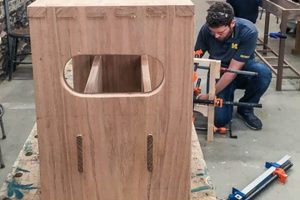
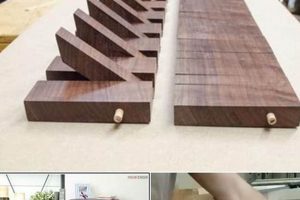
Items crafted from wood, intended as presents, and suitable for individuals new to the craft of shaping wood are the focus. These encompass a range of projects, from simple boxes and coasters to more involved undertakings like small shelves or birdhouses. The defining characteristic is their accessibility to those with limited or no prior experience in woodworking, emphasizing ease of construction and minimal tool requirements. A key aspect is the provision of readily available plans or kits, which guide the beginner through each step of the process.
Offering these presents fosters creativity and introduces fundamental skills. This has a lasting impact, potentially sparking a lifelong hobby or even a career path. The act of creating something tangible provides a sense of accomplishment and pride. Historically, handmade wooden items held significant value, representing resourcefulness and personal connection. Even in the modern era, these gifts retain a unique charm and demonstrate thoughtfulness that mass-produced items often lack.
The subsequent sections will explore specific project ideas, essential tools for the novice woodworker, considerations for material selection, and practical tips to ensure a successful crafting experience. These topics will aid in selecting appropriate projects and ensuring that the creation and gifting of the items are enjoyable and fulfilling experiences for both the giver and the recipient.
Tips for Novice Woodworkers
This section outlines essential tips to guide those new to woodworking in the creation of suitable presents. Adhering to these guidelines will enhance the likelihood of success and enjoyment.
Tip 1: Prioritize Simplicity. Select projects with straightforward designs and minimal components. Intricate joinery and complex shapes increase the difficulty and may lead to frustration for beginners. A basic box or a simple picture frame serves as an excellent starting point.
Tip 2: Begin with Softwoods. Pine and Fir are more easily worked with than hardwoods. Their softer density allows for easier cutting, shaping, and sanding, reducing the physical demands on the beginner.
Tip 3: Utilize Pre-Cut Materials. Purchasing wood that is already cut to the approximate dimensions of the project saves time and reduces the need for advanced cutting skills. Many home improvement stores offer cutting services for a nominal fee.
Tip 4: Invest in Essential Tools. A hand saw, a measuring tape, a combination square, sandpaper, and wood glue are the foundational tools. Avoid purchasing an extensive collection of expensive power tools at the outset. Focus on mastering the fundamentals with basic hand tools.
Tip 5: Practice Proper Finishing Techniques. A well-applied finish enhances the appearance and protects the wood. Experiment with various stains, varnishes, or oils on scrap wood before applying them to the finished project. Follow the manufacturer’s instructions carefully.
Tip 6: Ensure Accurate Measurements. Precise measurements are crucial for assembling a project that is square and aligned. Double-check all measurements before cutting and assembling any components. Utilize a combination square to ensure right angles.
Tip 7: Embrace Patience. Woodworking requires a methodical approach and attention to detail. Avoid rushing through any stage of the project. Take breaks when needed and focus on achieving a high-quality result.
By heeding this advice, those new to working with wood can approach project construction with confidence. Selecting suitable projects and using the right techniques will deliver presents of value.
The subsequent section provides a brief overview of suggested presents suitable for novice woodworkers.
1. Project Simplicity

Project Simplicity constitutes a critical element in the successful introduction of novices to the craft of woodworking, particularly when the intended outcome is a present. The complexity of the project must align with the skill level of the uninitiated to ensure completion and foster a sense of accomplishment, thereby encouraging continued engagement with the craft.
- Reduced Tool Requirements
Simplified designs typically necessitate fewer specialized tools. This reduces the initial financial investment required to begin woodworking. A beginner project, such as a simple coaster set, can be completed with a basic hand saw, sandpaper, and wood glue, rather than requiring a table saw, router, or jointer. The focus remains on learning fundamental techniques rather than operating complex machinery.
- Minimized Material Waste
Simple projects often utilize smaller pieces of wood and have less intricate cuts, leading to a reduction in material waste. This is particularly beneficial for beginners, who may be prone to making mistakes. A straightforward design, such as a small shelf, allows for efficient use of standard lumber dimensions and minimizes the risk of costly errors. It also decreases environmental impact, and keeps costs down.
- Shorter Completion Time
Projects characterized by their simplicity generally require less time to complete. This shorter timeframe provides immediate gratification for the beginner. The rapid realization of a finished product, such as a small wooden toy or a simple key rack, offers a motivational boost and encourages continued exploration of the craft. It enhances the likelihood of a successful present.
- Enhanced Learning Opportunities
Simple projects provide a focused environment for learning essential woodworking techniques. The absence of complex joinery or intricate details allows the beginner to concentrate on mastering fundamental skills, such as accurate measuring, straight cuts, and effective sanding. Focusing on mastering core skills, like precise measurements, ensures a strong foundation for future, more ambitious projects. A simple box enables the focused practice of these fundamentals.
The facets of reduced tool requirements, minimized material waste, shorter completion time, and enhanced learning opportunities underscore the importance of Project Simplicity. It ensures that individuals new to woodworking can successfully craft presents that are both functional and aesthetically pleasing, fostering a positive association with the craft and encouraging continued skill development.
2. Tool Appropriateness

The concept of Tool Appropriateness directly impacts the feasibility and enjoyment derived from crafting presents designed for individuals new to woodworking. The selection of tools should align with the project’s complexity and the beginner’s skill level. Inappropriate tool selection can lead to frustration, project failure, and potentially, physical injury. For example, assigning a beginner a project requiring dovetail joints and expecting them to execute it with only a chisel and mallet, without prior instruction, is a recipe for failure. Conversely, providing a beginner with a powered router for edge trimming before they’ve mastered basic hand-tool techniques introduces unnecessary risks and complexity. The appropriate selection allows the crafting individual to complete the task without undo stress and risk.
The practical application of Tool Appropriateness extends to both tool quality and the type of tools selected. While investing in high-end tools is not necessary for beginners, selecting tools that are functional and safe is crucial. For instance, a dull saw blade requires more force to operate, increasing the risk of slipping and inaccurate cuts. Similarly, using a cheap, plastic measuring tape that stretches easily leads to inaccurate measurements and assembly problems. A practical approach involves selecting a few essential hand tools of reasonable quality a sharp hand saw, a well-made combination square, and durable sandpaper and focusing on mastering their use. Examples of appropriate projects given the right tools would be something as simple as coasters, a bird house, or cutting boards. These projects are simple in design, are repeatable, and the necessary tools for their completion are easy to acquire.
In summary, Tool Appropriateness is a critical component of successful presents. It ensures that the intended recipient can safely and effectively engage with the craft of woodworking, fostering a sense of accomplishment and encouraging further exploration. The challenge lies in balancing the desire to provide quality tools with the need to avoid overwhelming the beginner with unnecessary equipment. The understanding of Tool Appropriateness ensures gifts are not only valued for their end product but also for the skills gained and the positive experience they provide in the process. Understanding these elements will deliver a well crafted gift.
3. Material Safety

Material Safety constitutes a paramount consideration when selecting wood and related products for woodworking projects intended for beginners. The potential for exposure to harmful substances through inhalation, ingestion, or skin contact necessitates a proactive approach to risk mitigation. Wood dust, generated during cutting and sanding, is classified as a known carcinogen. Certain wood species, particularly exotic hardwoods, can trigger allergic reactions in sensitive individuals. Furthermore, chemical finishes, such as stains, varnishes, and paints, may contain volatile organic compounds (VOCs) that pose respiratory hazards. Therefore, the selection of appropriate materials, coupled with the implementation of proper safety protocols, becomes indispensable.
The practical implications of Material Safety extend to various aspects of project planning and execution. Beginners should prioritize the use of readily available and non-toxic wood species, such as pine, poplar, or maple, sourced from reputable suppliers. Engineered wood products, such as plywood and MDF, may contain formaldehyde, a known irritant and potential carcinogen. When using these materials, it is imperative to select products certified as low-emission or formaldehyde-free. Furthermore, the application of finishes should occur in well-ventilated areas, utilizing products labeled as low-VOC or water-based. Respirators equipped with particulate filters are essential when sanding or machining wood, and protective gloves are recommended when handling chemical finishes. For example, utilizing a beeswax finish for a child’s toy rather than a polyurethane varnish mitigates the risk of exposure to harmful chemicals. Educational resources provided by woodworking organizations and government agencies offer detailed guidance on material selection and safe work practices.
In conclusion, Material Safety represents a non-negotiable aspect of present design. By prioritizing the use of safe materials, adhering to proper safety protocols, and seeking guidance from authoritative sources, beginners can minimize their exposure to hazardous substances and create projects that are both aesthetically pleasing and environmentally responsible. This focus enhances the sustainability and minimizes adverse impacts.
4. Clear Instructions

The provision of detailed, unambiguous directions is paramount when crafting presents intended for those new to woodworking. Ambiguity or omission in the instructional material can lead to errors, frustration, and project failure. A direct correlation exists between the clarity of instructions and the likelihood of a successful outcome for beginner woodworking projects. For example, instructions lacking specific dimensions or failing to clarify the orientation of components during assembly can result in misaligned joints and structurally unsound finished items. Conversely, a well-written, illustrated guide outlining each step with precision enables the beginner to proceed with confidence and accuracy. The presence of such instructions transforms a potentially daunting task into an achievable and enjoyable experience.
The practical significance of clarity extends beyond the technical aspects of project construction. Clear instructions also contribute to safety by highlighting potential hazards and emphasizing the correct use of tools. Directions that explicitly state the need for eye protection or caution against over-tightening screws can prevent injuries and damage to materials. Moreover, readily accessible visual aids, such as diagrams or photographs, supplement written instructions and facilitate understanding, particularly for individuals with varying learning styles. The incorporation of troubleshooting tips addressing common mistakes further enhances the user-friendliness of the instructions and empowers beginners to overcome challenges independently. For example, many woodworking kits include online video tutorials demonstrating each stage of the assembly process, providing an additional layer of support and clarification.
In conclusion, the availability of clear instructions is an indispensable element. It serves as a foundational component, enabling successful project completion, promoting safety, and fostering a positive introduction to the craft. Challenges persist in ensuring that instructions cater to diverse skill levels and learning preferences. Future advancements in instructional design, such as interactive 3D models and augmented reality applications, hold the potential to further enhance the accessibility and effectiveness of directions. A present is enhanced when it’s the recipient that has built it.
5. Finishing Ease

The characteristic of Finishing Ease holds considerable importance in the creation of crafted items for individuals new to woodworking. The finishing process, involving the application of protective or decorative coatings, can significantly impact the overall appearance and longevity of the project. Projects that require complex or time-consuming finishing techniques may deter beginners and diminish their enthusiasm for the craft. Therefore, selecting finishing methods that are straightforward, efficient, and yield satisfactory results is crucial for ensuring a positive introduction to woodworking.
- Simplified Application Techniques
Finishes that can be easily applied with minimal equipment are advantageous for beginners. Options such as wipe-on oils or spray-on lacquers eliminate the need for specialized tools like spray guns or brushes that require meticulous cleaning and maintenance. These methods also reduce the risk of drips, runs, and brush strokes, common issues encountered by novice finishers. For instance, a simple coat of beeswax polish can enhance the natural beauty of the wood while providing a protective layer against moisture and scratches.
- Reduced Drying Time
Finishes with short drying times allow for faster project completion and reduce the potential for dust contamination. Quick-drying products, such as shellac or water-based varnishes, enable the application of multiple coats in a single day, accelerating the overall finishing process. This is particularly beneficial for beginners who may be eager to see the final results of their efforts. Conversely, oil-based finishes, which can take several days to fully cure, may prolong the project and increase the risk of imperfections.
- Minimal Surface Preparation Requirements
Finishes that adhere well to wood surfaces without extensive sanding or priming are ideal for beginners. Products that possess self-sealing properties or require only light sanding prior to application simplify the finishing process and reduce the amount of time and effort required. For example, milk paint, which adheres readily to most wood surfaces, minimizes the need for priming and provides a durable, matte finish.
- Easy Clean-Up
Finishes that can be easily cleaned up with soap and water or mineral spirits are preferable for beginners. Products that require harsh solvents or specialized cleaning solutions can be intimidating and inconvenient. Water-based finishes, for example, can be readily cleaned from brushes and other tools with soap and water, eliminating the need for potentially hazardous chemicals.
These elements collectively contribute to the creation of finished present. Choosing these options can transform what otherwise might be a daunting experience into an achievable goal. Consideration of this element will result in items with a quality, enjoyable finish.
6. Design Thoughtfulness
Design Thoughtfulness, in the context of presents intended for novice woodworkers, significantly influences the recipient’s ability to successfully complete and appreciate the project. This thoughtfulness encompasses a multifaceted approach, considering factors such as the complexity of the design, the required skill level, the intended use of the finished item, and the overall aesthetic appeal. A design that lacks such consideration can lead to frustration, project abandonment, or a final product that is functionally inadequate or visually unappealing. For instance, a birdhouse designed with overly intricate joinery or an unnecessarily complex roofline presents challenges beyond the capabilities of most beginners, diminishing the likelihood of completion and enjoyment.
The practical application of Design Thoughtfulness involves several key considerations. First, the design should prioritize simplicity and functionality, focusing on essential elements and avoiding unnecessary embellishments. Second, the design should align with the intended use of the finished item, ensuring that it is practical and serves its intended purpose effectively. For example, a coaster set should be designed with a lip to prevent liquid from spilling onto the table, or a small shelf should be sized appropriately to accommodate the intended contents. Third, the design should incorporate aesthetic elements that are visually pleasing and contribute to the overall appeal of the item, without compromising simplicity or functionality. This might involve selecting attractive wood species, incorporating subtle curves or angles, or applying a complementary finish. Finally, instructions must be both simple, safe, and applicable.
In conclusion, Design Thoughtfulness is an essential component of woodworking items. It contributes directly to the user’s ability to successfully complete the project, appreciate the results, and develop a lasting interest in the craft. While challenges exist in balancing simplicity, functionality, and aesthetics, prioritizing these considerations ensures that woodworking offers a positive and rewarding experience for all involved. Thoughtfully designed projects will likely be a lasting present.
7. Gift Personalization
Gift Personalization elevates wood crafting from a functional exercise to a meaningful expression of connection, particularly salient within the domain of items fashioned for those new to woodworking. The act of adding a personal touch, whether through engraving, custom sizing, or unique design elements, transforms a generic item into a bespoke creation reflecting the giver’s thoughtfulness and the recipient’s individuality. This transformation often bolsters the perceived value of the gift, irrespective of its monetary worth. A simple wooden box, for example, becomes significantly more cherished when adorned with an engraving of the recipient’s initials or a meaningful date. A cutting board personalized with a family name becomes an heirloom.
Practical application of personalization extends beyond mere aesthetics. Altering dimensions to perfectly fit a specific space or need enhances the functionality and utility of the wooden item. A beginner-friendly bookshelf, built to fit a specific collection of books, exemplifies this. The addition of custom-designed inlays or carved details, while potentially challenging for a true novice, can be simplified through the use of stencils or pre-made components. Further, the selection of specific wood types or finishes to complement the recipient’s existing dcor demonstrates a level of attention and care that distinguishes a personalized gift from a mass-produced alternative. The use of sustainable wood sources also adds an ethical dimension to customization.
The challenge, however, lies in balancing the desire for personalization with the beginner’s skill level. Overly ambitious customization can lead to frustration and project failure. The key lies in selecting projects that lend themselves to simple, yet impactful, personalization techniques, such as laser engraving, simple carving, or the application of decorative paint. By carefully considering the recipient’s tastes and the giver’s abilities, present becomes a lasting symbol of connection and care, far exceeding its material value.
Frequently Asked Questions
The following section addresses common inquiries regarding the selection, construction, and presentation of woodworking projects suitable for individuals with limited or no prior experience in the craft. This information seeks to clarify misconceptions and provide practical guidance.
Question 1: What constitutes a woodworking item suitable for a beginner?
A suitable item is characterized by its simple design, minimal number of components, and reliance on basic woodworking techniques. Projects requiring complex joinery or specialized tools are generally not recommended.
Question 2: What types of wood are most appropriate for beginner projects?
Softwoods, such as pine and fir, are generally easier to work with due to their lower density. These species are more forgiving and require less effort to cut, shape, and sand. Hardwoods, while often more aesthetically pleasing, present a greater challenge for novices.
Question 3: Is specialized equipment necessary for beginner woodworking?
Specialized equipment is not essential. Many beginner projects can be completed using a few basic hand tools, such as a saw, measuring tape, sandpaper, and wood glue. Power tools can be introduced gradually as skills develop.
Question 4: What safety precautions should be observed when working with wood?
Essential safety precautions include wearing eye protection, using a dust mask or respirator, and ensuring adequate ventilation. Additionally, it is crucial to familiarize oneself with the safe operation of all tools and equipment.
Question 5: How can finishing techniques be simplified for beginners?
Simplified finishing techniques include the use of wipe-on finishes, such as oils or waxes, which are easy to apply and require minimal cleanup. Spray-on finishes can also be used with proper ventilation and safety precautions. Avoid complex multi-step finishing processes.
Question 6: Where can beginner woodworking plans and instructions be found?
Numerous online resources, woodworking magazines, and craft stores offer free or low-cost woodworking plans and instructions specifically designed for beginners. Look for plans that include detailed diagrams, step-by-step instructions, and material lists.
The presented answers highlight the importance of simplicity, safety, and accessibility in promoting success. These points serve as a guide for selecting appropriate projects, tools, and techniques.
The subsequent section will present concluding thoughts and reiterate the benefits.
Crafting Thoughtful Items
The foregoing analysis emphasizes the significance of considered selection and careful execution when creating woodworking projects for those new to the discipline. Key elements such as project simplicity, tool appropriateness, material safety, clear instructions, finishing ease, design thoughtfulness, and opportunities for personalization were identified as crucial determinants of success and sustained engagement. A failure to address these factors may result in frustration, project abandonment, or, in certain cases, physical harm.
Therefore, the creation and offering of items crafted from wood should be viewed as more than a mere act of present-giving; it is an opportunity to impart valuable skills, foster creativity, and instill a sense of accomplishment. Adherence to the principles outlined herein increases the likelihood of a positive and enriching experience for both the giver and the recipient, potentially sparking a lifelong interest in the art of shaping wood. With careful planning and thoughtful execution, the creation of presents stands as a tangible investment in skill development and creative expression.