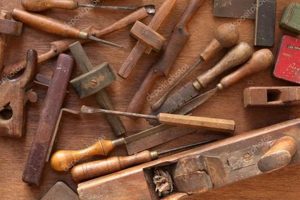
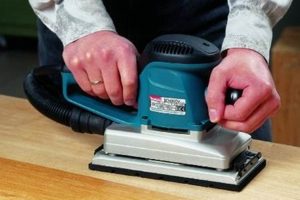
Pre-owned woodworking equipment encompasses a range of tools and machines previously owned and utilized for various woodworking tasks. Examples include planers, jointers, saws, lathes, and sanders, all offered for sale after an initial period of use. These items can originate from businesses upgrading their inventory, hobbyists reducing their collection, or estate sales.
Acquiring previously owned equipment offers a cost-effective alternative to purchasing new machinery. This can be particularly advantageous for small businesses or individuals with budgetary constraints. Furthermore, some older models may offer comparable or even superior performance to contemporary counterparts, and contribute to resource conservation by extending the lifespan of durable goods. Historically, the practice of buying and selling these items has facilitated the growth of small woodworking operations and provided access to essential tools for aspiring craftspeople.
The subsequent sections will delve into critical aspects such as evaluating the condition of equipment, navigating the marketplace, understanding safety considerations, and maximizing the value derived from investment in these tools.
Guidance on Acquiring Pre-Owned Woodworking Equipment
Careful consideration is crucial when selecting previously owned woodworking machinery. The following guidelines aim to provide informed decision-making during the acquisition process.
Tip 1: Thoroughly Inspect the Machine: Conduct a comprehensive visual inspection, paying close attention to signs of wear, rust, or damage. Examine critical components such as motors, bearings, and blades. For instance, check for excessive play in bearings, which indicates potential failure and necessitates replacement.
Tip 2: Verify Operational Functionality: If possible, operate the machine to assess its functionality. Listen for unusual noises, such as grinding or squealing, which may signify internal problems. For example, run a jointer or planer and observe the quality of the cut. Inconsistent results can indicate blade misalignment or wear.
Tip 3: Assess Electrical Components: Examine the wiring and electrical components for damage or deterioration. Ensure that the machine is properly grounded and that the wiring is in compliance with safety standards. A frayed power cord poses a significant safety hazard and requires immediate attention.
Tip 4: Research the Machine’s History: Inquire about the machine’s history, including its previous usage and maintenance record. A well-maintained machine is more likely to provide reliable service. Documentation of repairs and service is highly valuable.
Tip 5: Compare Prices and Evaluate Market Value: Research the market value of comparable machines to ensure that the asking price is reasonable. Factors such as age, condition, and brand can influence the price. Consult online marketplaces and industry publications to establish a fair price point.
Tip 6: Consider Availability of Replacement Parts: Before purchasing, confirm that replacement parts are readily available for the specific machine model. Obsolete or unsupported machines may be difficult or impossible to repair. Check with manufacturers or specialty suppliers.
Tip 7: Prioritize Safety Features: Ensure that the machine is equipped with appropriate safety features, such as guards, interlocks, and emergency stop mechanisms. Verify that these features are functional and properly maintained. Compromising on safety is never advisable.
Adhering to these guidelines can significantly mitigate the risks associated with acquiring previously owned woodworking equipment and ensure a worthwhile investment.
The subsequent sections will explore the long-term maintenance and upkeep strategies for maximizing the lifespan and performance of woodworking machinery.
1. Condition Assessment

Condition assessment is a critical component in the evaluation of previously owned woodworking machinery. It directly impacts the reliability, safety, and overall value of such equipment. The machine’s operational lifespan and potential for costly repairs are intrinsically linked to its pre-existing condition. A thorough assessment reveals not only cosmetic flaws but also underlying mechanical or electrical issues that may compromise performance.
For example, consider a pre-owned lathe exhibiting excessive vibration during operation. A condition assessment might reveal worn bearings or a misaligned spindle, both requiring significant repair. Similarly, rust on a table saw’s trunnion could indicate previous exposure to moisture, potentially affecting the saw’s precision and structural integrity. Neglecting condition assessment can lead to unforeseen expenses and potentially hazardous working conditions. Comprehensive inspection, including visual examination and functional testing, is therefore essential to making an informed purchase decision.
In summary, condition assessment forms the bedrock of sound decision-making when acquiring previously owned woodworking machinery. It mitigates risk, identifies potential problems, and ultimately determines the long-term viability of the investment. Diligence in this area allows buyers to secure equipment that aligns with their needs and budget while minimizing the potential for future complications.
2. Market Valuation

Market valuation, when applied to previously owned woodworking machinery, is the process of determining the fair monetary worth of a specific machine at a given point in time. This valuation is critical for both buyers and sellers to ensure equitable transactions and avoid financial disadvantages.
- Brand Reputation and Model Specifications
The brand name and specific model of the equipment significantly influence its market value. Established brands known for durability and performance often command higher prices, even in the secondary market. Furthermore, specific features, such as motor horsepower, cutting capacity, and included accessories, contribute to the overall valuation. For instance, a well-regarded cabinet saw from a premium manufacturer, equipped with a fence system and a powerful motor, will typically fetch a higher price compared to a less reputable brand with basic features.
- Condition and Operational Status
The physical condition and operational status are primary determinants of market value. Machines exhibiting minimal wear, proper maintenance, and full functionality generally hold greater value. Conversely, equipment with significant rust, damage, or known mechanical issues will experience a reduction in value. A planer that has been meticulously maintained and consistently delivers accurate cuts will be valued higher than one with worn knives and inconsistent performance.
- Age and Technological Obsolescence
The age of the equipment and its level of technological obsolescence affect its market value. Older machines, even if well-maintained, may be less desirable due to the availability of newer models with enhanced features, safety mechanisms, or energy efficiency. Consequently, older equipment’s value may diminish over time. For example, a manual lathe, while functional, may command a lower price compared to a newer lathe with digital readouts and variable speed control.
- Market Demand and Regional Factors
The prevailing market demand for specific types of woodworking machinery and regional economic factors influence pricing. High demand for a particular machine type in a specific geographic location can drive prices upward, while a surplus of available equipment may depress values. Local economic conditions, such as the strength of the construction or woodworking industries, can also impact market valuation. A region with a thriving cabinet-making industry may see higher prices for used cabinet saws.
Accurately assessing market valuation requires diligent research, comparison shopping, and a comprehensive understanding of the equipment’s specifications, condition, and prevailing market dynamics. These combined elements provide a robust basis for determining a fair and realistic price for used woodworking equipment, aiding in sound investment decisions.
3. Operational Safety

The acquisition and utilization of previously owned woodworking machinery necessitate heightened attention to operational safety. Unlike new equipment, previously used machines may exhibit wear, modifications, or a lack of complete documentation, increasing the potential for accidents if safety protocols are not rigorously observed. The absence of original safety guards, malfunctioning emergency stop mechanisms, or compromised electrical insulation can directly contribute to user injury. For example, a pre-owned jointer lacking a properly functioning guard poses a significant risk of hand injury during operation. Similarly, a table saw with a faulty blade brake increases the potential for severe lacerations following power shut-off.
Prior to operation, a thorough inspection of all safety features is paramount. This includes verifying the integrity of guards, ensuring proper functionality of emergency stops, and inspecting electrical wiring for damage. Furthermore, operators must possess a comprehensive understanding of the machine’s operating procedures and potential hazards, often requiring additional training beyond what might be provided with new equipment. Consider the practical scenario of operating a pre-owned lathe; without proper training on tool selection and workpiece securing, the risk of a catastrophic tool kickback and projectile debris increases substantially. Similarly, using a band saw without confirming the blade tension and tracking can result in blade breakage and potential injury.
In conclusion, operational safety is not merely an adjunct to the use of previously owned woodworking machinery, but rather an intrinsic and non-negotiable element. Recognizing the inherent risks associated with older equipment, coupled with diligent inspection, comprehensive training, and unwavering adherence to safety protocols, is essential for mitigating potential hazards and ensuring a safe working environment. Neglecting these aspects carries significant consequences, ranging from minor injuries to severe, life-altering accidents. Therefore, prioritizing operational safety is both ethically imperative and practically sound when dealing with previously owned woodworking equipment.
4. Parts Availability

The availability of replacement parts exerts a considerable influence on the long-term viability and utility of previously owned woodworking machinery. A machine’s initial purchase price becomes secondary if essential components are unobtainable, rendering the equipment unusable.
- Machine Lifespan and Repair Costs
The ability to source replacement parts directly impacts the lifespan of woodworking equipment. Machines requiring repairs, even minor ones, can become inoperable if parts are unavailable. This leads to premature disposal, negating the initial cost savings associated with purchasing previously owned machinery. Furthermore, the cost of acquiring parts, particularly for obsolete or uncommon models, can quickly surpass the machine’s initial value, making repair economically unfeasible.
- Impact on Operational Downtime
Lack of readily available parts results in prolonged operational downtime. When a machine breaks down, the time required to locate and acquire necessary components directly affects productivity. Delays in receiving parts can halt production schedules, leading to financial losses, especially for businesses reliant on continuous operation. For example, a small cabinet shop with a malfunctioning planer could face significant delays in completing customer orders if the necessary replacement parts are difficult to obtain.
- Dependency on Aftermarket and Third-Party Suppliers
Limited manufacturer support for older models often necessitates reliance on aftermarket or third-party suppliers. These sources may offer compatible parts, but their quality, reliability, and availability can vary considerably. Relying on such suppliers introduces uncertainty and potential compromises in performance. Furthermore, the absence of genuine manufacturer parts may void existing warranties or limit future repair options.
- Evaluation of Machine Age and Brand Support
The age of the machine and the manufacturer’s ongoing support for older models are critical factors in assessing parts availability. Newer machines from reputable brands are generally easier to maintain due to readily available parts and technical documentation. Conversely, older machines or those from defunct manufacturers may pose significant challenges in sourcing replacements. Prior to purchasing previously owned equipment, verifying the availability of parts is essential for ensuring long-term operational sustainability.
In conclusion, parts availability is a paramount consideration when evaluating previously owned woodworking machinery. The potential cost savings of purchasing used equipment are quickly offset by the inability to maintain and repair the machine effectively. Thoroughly investigating parts availability prior to purchase mitigates the risk of premature obsolescence and ensures a longer, more productive operational lifespan.
5. Maintenance History
The maintenance history of previously owned woodworking machinery serves as a critical indicator of the equipment’s overall condition, reliability, and potential lifespan. A documented history of regular maintenance, including lubrication, adjustments, and timely replacement of worn components, suggests a proactive approach to equipment care, mitigating the risk of unforeseen breakdowns and costly repairs. Conversely, a lack of maintenance records raises concerns about potential neglect, hidden damage, and compromised performance. For instance, a used bandsaw with documented evidence of regular blade sharpening, guide adjustments, and motor maintenance is more likely to provide consistent and accurate cuts compared to an equivalent machine lacking such records. The presence or absence of maintenance history, therefore, directly influences the perceived value and expected operational lifespan of used woodworking equipment.
Effective evaluation of maintenance history requires careful scrutiny of available documentation, including repair invoices, service logs, and inspection reports. These records should detail the specific maintenance tasks performed, the dates of service, and the names of the technicians or service providers involved. Furthermore, it is essential to correlate the documented maintenance history with a physical inspection of the machinery. Discrepancies between the documented history and the actual condition of the equipment may indicate falsified records or overlooked maintenance needs. For example, a maintenance log indicating recent replacement of bearings should be verified by physically inspecting the bearings for wear and proper lubrication. In the absence of formal documentation, direct communication with the previous owner or operator can provide valuable insights into the equipment’s maintenance practices. However, such verbal accounts should be corroborated with physical evidence whenever possible.
In conclusion, the maintenance history of previously owned woodworking machinery provides crucial insights into the equipment’s past care and future potential. Thoroughly evaluating maintenance records, coupled with a comprehensive physical inspection, enables informed decision-making, reducing the risk of acquiring under-maintained or damaged equipment. The practical significance of this understanding lies in its ability to minimize unforeseen repair costs, extend operational lifespan, and ensure safe and reliable performance. By prioritizing the evaluation of maintenance history, prospective buyers can mitigate potential risks and maximize the value derived from their investment in previously owned woodworking machinery.
Frequently Asked Questions
This section addresses common inquiries and misconceptions regarding the acquisition and utilization of previously owned woodworking machinery.
Question 1: What are the primary advantages of purchasing previously owned woodworking equipment?
The principal advantage is reduced capital expenditure compared to new machinery. This can be particularly beneficial for start-up businesses or individuals with limited budgets. Furthermore, well-maintained older machines can offer comparable or even superior performance to contemporary models.
Question 2: What are the key risks associated with acquiring used woodworking machinery?
Risks include the potential for hidden damage, increased maintenance requirements, limited availability of replacement parts, and the possibility of diminished safety features compared to modern equipment. A comprehensive inspection is crucial to mitigate these risks.
Question 3: How should the condition of a used woodworking machine be assessed prior to purchase?
A thorough physical inspection is essential, encompassing examination of the machine’s structure, mechanical components, electrical system, and safety features. Operational testing should be performed to identify any functional defects or anomalies. Consultation with a qualified technician is recommended for complex machinery.
Question 4: What factors influence the market value of used woodworking machinery?
Factors include the machine’s age, brand, model, condition, features, and overall market demand. Researching comparable sales and consulting with industry experts can provide a realistic estimate of fair market value.
Question 5: How can the safety of used woodworking equipment be ensured?
A comprehensive safety inspection should be conducted, verifying the functionality of all safety guards, interlocks, and emergency stop mechanisms. Operators must receive adequate training on the machine’s proper operation and potential hazards. Worn or damaged safety components should be replaced immediately.
Question 6: What steps should be taken to maintain used woodworking machinery?
Regular maintenance is essential, including lubrication of moving parts, sharpening of cutting tools, inspection of belts and hoses, and cleaning of dust and debris. A documented maintenance schedule should be established and followed diligently. Prompt repairs are crucial to prevent further damage and ensure safe operation.
Careful evaluation and proactive maintenance are critical for maximizing the value and longevity of previously owned woodworking machinery.
The following section will address legal and contractual considerations when purchasing previously owned woodworking machinery.
Conclusion
This exploration of 2nd hand woodworking machinery has illuminated critical aspects of its acquisition and utilization. The preceding sections have detailed the necessity of thorough condition assessment, accurate market valuation, stringent adherence to operational safety protocols, diligent consideration of parts availability, and careful review of maintenance history. These elements collectively determine the long-term viability and economic sensibility of investing in previously owned equipment.
The informed application of these principles enables discerning buyers to mitigate risk and maximize the return on their investment. Prudent decision-making, grounded in comprehensive evaluation, ensures that 2nd hand woodworking machinery provides years of reliable service, contributing to both operational efficiency and economic sustainability within the woodworking sector.